Avatar of Vocabulary Set 不一致と反対 6

合意 内 不一致と反対 6 語彙セット:完全かつ詳細なリスト

「合意」内の「不一致と反対 6」語彙セットは国際標準教材から厳選され、短期間で語彙をマスターできます。定義、例文、標準発音を網羅…

Lingolandでこの語彙セットを学習

今すぐ学習

stalemate

/ˈsteɪl.meɪt/

(noun) 行き詰まり, 膠着状態, 引き分け;

(verb) 行き詰まらせる, 膠着状態にする

例:

The negotiations reached a stalemate, with neither party willing to compromise.
交渉は行き詰まり、どちらの当事者も妥協する意思がなかった。

hold/ stand firm

/hoʊld fɜːrm / stænd fɜːrm/

(idiom) 踏みとどまる, 堅持する

例:

Despite the pressure, the company decided to hold firm on its pricing strategy.
プレッシャーにもかかわらず、その会社は価格戦略を堅持することを決定した。

stand-off

/ˈstænd.ɔːf/

(noun) 膠着状態, にらみ合い, 対立

例:

The negotiations ended in a stand-off, with neither side willing to compromise.
交渉は膠着状態に終わり、どちらの側も妥協する意思がなかった。

sticking point

/ˈstɪk.ɪŋ ˌpɔɪnt/

(noun) 行き詰まり, 難航点

例:

The main sticking point in the negotiations was the budget.
交渉における主要な行き詰まりは予算だった。

stir

/stɝː/

(verb) かき混ぜる, 混ぜる, 動かす;

(noun) 動き, 騒動

例:

She stirred her coffee with a spoon.
彼女はスプーンでコーヒーをかき混ぜた

stir up

/stɜːr ˈʌp/

(phrasal verb) 巻き起こす, 引き起こす, かき混ぜる

例:

His comments always stir up controversy.
彼のコメントはいつも論争を巻き起こす

stormy

/ˈstɔːr.mi/

(adjective) 嵐の, 荒れた, 激しい

例:

We had to cancel our picnic due to the stormy weather.
嵐の天気のため、ピクニックを中止しなければならなかった。

strife

/straɪf/

(noun) 争い, 不和, 紛争

例:

The country was torn apart by civil strife.
その国は内乱の争いによって引き裂かれた。

struggle

/ˈstrʌɡ.əl/

(verb) もがく, 奮闘する, 苦労する;

(noun) もがき, 奮闘, 苦闘

例:

He tried to struggle free from the ropes.
彼はロープからもがいて自由になろうとした。

take issue with

/teɪk ˈɪʃ.uː wɪθ/

(idiom) 異議を唱える, 反論する

例:

I have to take issue with your statement about the company's performance.
会社の業績に関するあなたの発言には異議を唱えなければなりません。

tangle

/ˈtæŋ.ɡəl/

(noun) もつれ, 絡まり, 複雑な状況;

(verb) もつれさせる, 絡ませる, 巻き込む

例:

Her hair was a messy tangle after the windy walk.
風の強い散歩の後、彼女の髪はひどくもつれていた。

tear apart

/ter əˈpɑːrt/

(phrasal verb) 引き裂く, 分解する, 破壊する

例:

The dog began to tear apart the old cushion.
犬は古いクッションを引き裂き始めた。

thorny

/ˈθɔːr.ni/

(adjective) とげのある, いばらの, 厄介な

例:

The rose bush had many thorny stems.
バラの茂みにはたくさんのとげのある茎があった。

tiff

/tɪf/

(noun) 口論, いさかい, 小競り合い

例:

They had a little tiff over who should do the dishes.
彼らは誰が皿洗いをするかでちょっとした口論をした。

troublemaker

/ˈtrʌb.əlˌmeɪ.kɚ/

(noun) 問題児, トラブルメーカー

例:

He's always been a bit of a troublemaker in class.
彼はいつもクラスで少し問題児だった。

turbulence

/ˈtɝː.bjə.ləns/

(noun) 乱気流, 乱流, 混乱

例:

The plane experienced severe turbulence during the storm.
飛行機は嵐の間、激しい乱気流に見舞われた。

turbulent

/ˈtɝː.bjə.lənt/

(adjective) 激動の, 荒れた, 騒がしい

例:

The country has a turbulent history.
その国には激動の歴史がある。

turf war

/ˈtɜːrf wɔːr/

(noun) 縄張り争い, 勢力争い

例:

The two gangs were engaged in a violent turf war over drug distribution.
2つのギャングは麻薬の流通をめぐって激しい縄張り争いをしていた。

tussle

/ˈtʌs.əl/

(noun) 取っ組み合い, 小競り合い, 乱闘;

(verb) 取っ組み合う, 小競り合いをする, 乱闘する

例:

The children had a playful tussle over the toy.
子供たちはそのおもちゃをめぐって遊び半分で取っ組み合いをした。

unbridgeable

/ʌnˈbrɪdʒ.ə.bəl/

(adjective) 架けられない, 越えられない, 埋められない

例:

The river was too wide, creating an unbridgeable gap.
川は広すぎて、架けられない隙間ができていた。

unlike

/ʌnˈlaɪk/

(preposition) 〜とは異なり, 〜と違って;

(adjective) 〜らしくない, 〜に似つかわしくない

例:

Unlike his brother, he is very shy.
兄とは異なり、彼はとても内気だ。

unpleasantness

/ʌnˈplez.ənt.nəs/

(noun) 不快さ, 不愉快さ

例:

The unpleasantness of the smell made her gag.
その匂いの不快さに彼女は吐き気を催した。

unsettled

/ʌnˈset̬.əld/

(adjective) 未解決の, 未決定の, 未決済の

例:

The issue remains unsettled.
問題は未解決のままです。

unsympathetic

/ˌʌn.sɪm.pəˈθet̬.ɪk/

(adjective) 無情な, 同情しない

例:

Her response was cold and unsympathetic.
彼女の返答は冷たく、無情だった。

unsympathetically

/ʌnˌsɪm.pəˈθet.ɪ.kli/

(adverb) 無関心に, 冷淡に

例:

He listened unsympathetically to her problems.
彼は彼女の問題を無関心に聞いた。

uproar

/ˈʌp.rɔːr/

(noun) 騒動, 騒ぎ, 混乱

例:

The announcement caused an immediate uproar among the crowd.
その発表は群衆の間で即座に騒動を引き起こした。

vendetta

/venˈdet̬.ə/

(noun) 復讐, 血の復讐, 執拗な攻撃

例:

The two families were locked in a bitter vendetta for generations.
その二つの家族は何世代にもわたって激しい復讐に囚われていた。

wade in

/weɪd ɪn/

(phrasal verb) 介入する, 踏み込む, 積極的に始める

例:

He tends to wade in without considering the consequences.
彼は結果を考えずに介入する傾向がある。

wade into

/weɪd ˈɪntuː/

(phrasal verb) 踏み込む, 介入する, 乗り出す

例:

The politician decided to wade into the debate on climate change.
政治家は気候変動に関する議論に踏み込むことを決めた。

war of words

/wɔːr əv wɜːrdz/

(noun) 言葉の戦い, 口論

例:

The politicians engaged in a heated war of words over the new policy.
政治家たちは新しい政策を巡って激しい言葉の戦いを繰り広げた。

with all due respect

/wɪθ ɔl du rɪˈspekt/

(phrase) 失礼ながら, 恐縮ですが

例:

With all due respect, I think your plan has some flaws.
失礼ながら、あなたの計画にはいくつか欠点があると思います。

worst

/wɝːst/

(adjective) 最悪の, 一番悪い;

(adverb) 最もひどく, 一番悪く;

(noun) 最悪の事態, 最悪の部分

例:
This is the worst movie I've ever seen.
これは私が今まで見た中で最悪の映画だ。

wrangle

/ˈræŋ.ɡəl/

(noun) 口論, 論争;

(verb) 口論する, 論争する, 追い込む

例:
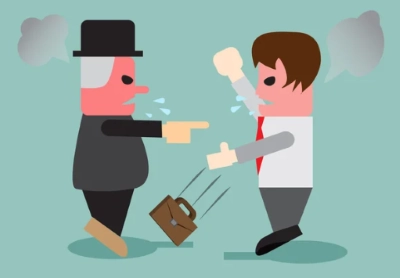
The two neighbors had a long wrangle over the property line.
二人の隣人は土地の境界線について長い口論をした。

wrangling

/ˈræŋ.ɡəl.ɪŋ/

(noun) 論争, 口論, 言い争い

例:

The legal wrangling over the inheritance lasted for years.
遺産をめぐる法的な論争は何年も続いた。

yeah, right

/jɛə raɪt/

(exclamation) はい、そうですか, まさか

例:

He said he'd finish the project by tomorrow. Yeah, right!
彼は明日までにプロジェクトを終えると言った。はい、そうですか
Lingolandでこの語彙セットを学習