Avatar of Vocabulary Set 映画と劇場

TOEFL必須語彙 内 映画と劇場 語彙セット:完全かつ詳細なリスト

「TOEFL必須語彙」内の「映画と劇場」語彙セットは国際標準教材から厳選され、短期間で語彙をマスターできます。定義、例文、標準発音を網羅…

Lingolandでこの語彙セットを学習

今すぐ学習

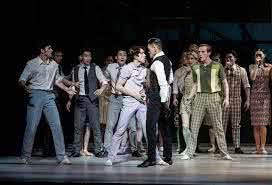
ballet

/bælˈeɪ/

(noun) バレエ

例:

She has been studying ballet since she was five years old.
彼女は5歳からバレエを習っています。

broadway

/ˈbrɑːd.weɪ/

(noun) ブロードウェイ

例:

She dreams of performing on Broadway one day.
彼女はいつかブロードウェイで公演することを夢見ている。

feature film

/ˈfiːtʃər fɪlm/

(noun) 長編映画, 劇映画

例:

The director's first feature film received critical acclaim.
監督の最初の長編映画は批評家から絶賛された。

trailer

/ˈtreɪ.lɚ/

(noun) トレーラー, 牽引車, 予告編

例:

The truck pulled a long trailer filled with logs.
トラックは丸太でいっぱいの長いトレーラーを引っ張っていた。

sequel

/ˈsiː.kwəl/

(noun) 続編, 続き, 結果

例:

The movie is a sequel to last year's blockbuster hit.
その映画は昨年の大ヒット作の続編です。

blockbuster

/ˈblɑːkˌbʌs.tɚ/

(noun) 大ヒット作, 超大作, 売れ筋商品

例:

The new superhero movie is expected to be a summer blockbuster.
新しいスーパーヒーロー映画は夏の大ヒット作になると予想されている。

classic

/ˈklæs.ɪk/

(adjective) 古典的な, 傑作の, 素晴らしい;

(noun) 古典, 名作

例:
Her new album is a classic.
彼女の新しいアルバムは名作だ。

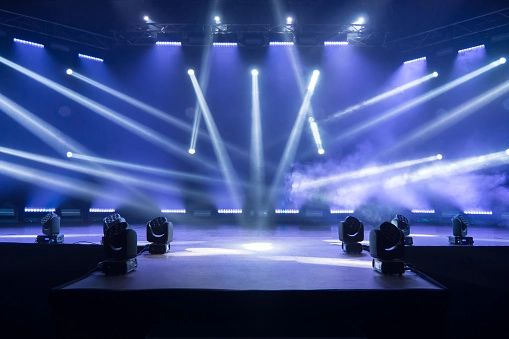
stage

/steɪdʒ/

(noun) 舞台, ステージ, 段階;

(verb) 上演する, 開催する

例:

The band took the stage to a cheering crowd.
バンドは歓声を上げる観衆の前でステージに上がった。

cast

/kæst/

(verb) 投げる, 放る, 投票する;

(noun) 出演者, キャスト, 鋳物

例:

He cast his fishing line into the lake.
彼は釣り糸を湖に投げ入れました

adapt

/əˈdæpt/

(verb) 適応させる, 適合させる, 適応する

例:

The car has been adapted for use by disabled drivers.
その車は障害のあるドライバーが使用できるように改造された

adaptation

/ˌæd.əpˈteɪ.ʃən/

(noun) 適応, 順応, 翻案

例:

The adaptation of the species to the new environment was slow.
その種の新しい環境への適応は遅かった。

cut

/kʌt/

(verb) 切る, 切り傷をつける, 切開する;

(noun) 切り傷, カット, 散髪;

(adjective) 切られた, 切り取られた

例:

She accidentally cut her finger while chopping vegetables.
彼女は野菜を切っているときに誤って指を切ってしまった。

release

/rɪˈliːs/

(verb) 解放する, 放す, リリースする;

(noun) 釈放, リリース

例:
The police decided to release the suspect due to lack of evidence.
警察は証拠不十分のため、容疑者を釈放することを決定した。

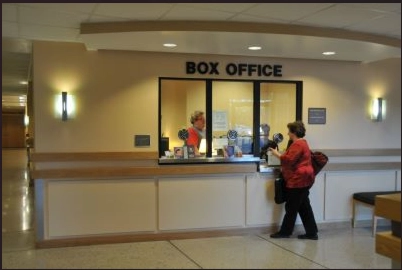
box office

/ˈbɑːks ˌɔː.fɪs/

(noun) チケット売り場, 興行収入, チケット売り上げ

例:

I bought my tickets at the box office.
チケットはチケット売り場で買いました。

rehearse

/rəˈhɝːs/

(verb) リハーサルする, 練習する, 心の中で練習する

例:

The actors will rehearse the play all week.
俳優たちは一週間ずっと劇をリハーサルするだろう。

portray

/pɔːrˈtreɪ/

(verb) 描く, 描写する, 表現する

例:

The artist chose to portray the queen in a regal pose.
その芸術家は女王を威厳あるポーズで描くことを選んだ。

narrate

/nəˈreɪt/

(verb) 語る, ナレーションする

例:

He decided to narrate his adventures in a book.
彼は自分の冒険を本で語ることにした。

direction

/dɪˈrek.ʃən/

(noun) 方向, 向き, 指示

例:

Which direction should we go?
どちらの方向に行けばいいですか?

cue

/kjuː/

(noun) きっかけ, 合図, キュー;

(verb) 合図を出す, きっかけを与える

例:
The actor missed his cue to enter the stage.
俳優は舞台に出るきっかけを逃した。

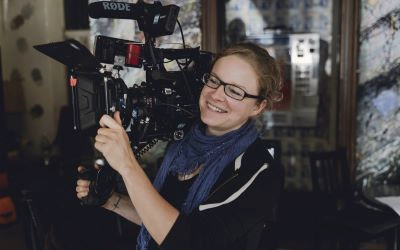
camerawork

/ˈkæm.rə.wɝːk/

(noun) カメラワーク, 撮影技術

例:

The film was praised for its stunning camerawork.
その映画は素晴らしいカメラワークで賞賛された。

dub

/dʌb/

(verb) 名付ける, 呼ぶ, 吹き替える;

(noun) ダブ (音楽ジャンル)

例:
They decided to dub him 'The Rocket' because of his speed.
彼らは彼のスピードから彼を「ロケット」と名付けることにした。

dress rehearsal

/ˈdres rɪˌhɜːrsl/

(noun) ドレスリハーサル, 総稽古

例:

The cast held a full dress rehearsal the night before opening.
出演者は初日の前夜に完全なドレスリハーサルを行った。

dramatic

/drəˈmæt̬.ɪk/

(adjective) ドラマの, 演劇の, 劇的な

例:

She has a very dramatic voice, perfect for the stage.
彼女は舞台にぴったりの、とてもドラマチックな声をしている。

animated

/ˈæn.ə.meɪ.t̬ɪd/

(adjective) 活気のある, 生き生きとした, アニメーションの

例:

The children were very animated as they talked about their trip to the zoo.
子供たちは動物園への旅行について話すとき、とても活気に満ちていた

footage

/ˈfʊt̬.ɪdʒ/

(noun) 映像, フッテージ

例:

The news channel showed exclusive footage of the event.
ニュースチャンネルはイベントの独占映像を放送した。

genre

/ˈʒɑːn.rə/

(noun) ジャンル, 種類

例:

My favorite music genre is classical.
私の好きな音楽のジャンルはクラシックです。

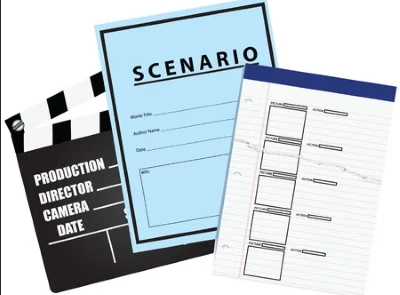
scenario

/səˈner.i.oʊ/

(noun) シナリオ, 脚本, 状況

例:

The director approved the final scenario for the film.
監督は映画の最終シナリオを承認した。

screenplay

/ˈskriːn.pleɪ/

(noun) 脚本, シナリオ

例:

The director is currently reviewing the final screenplay.
監督は現在、最終脚本を検討中です。

spotlight

/ˈspɑːt.laɪt/

(noun) スポットライト, 照明, 注目;

(verb) スポットライトを当てる, 注目させる

例:

The singer was illuminated by a single spotlight on stage.
歌手はステージ上の単一のスポットライトによって照らされた。

act

/ækt/

(verb) 行動する, 実行する, 演じる;

(noun) 行為, 行動, 法律

例:

It's time to act.
行動する時が来た。

interval

/ˈɪn.t̬ɚ.vəl/

(noun) 間隔, 期間, 休憩

例:

There was a long interval between the two events.
2つのイベントの間に長い間隔があった。

lead

/liːd/

(noun) 主導権, 手本, リード;

(verb) 導く, 率いる, 指揮する

例:
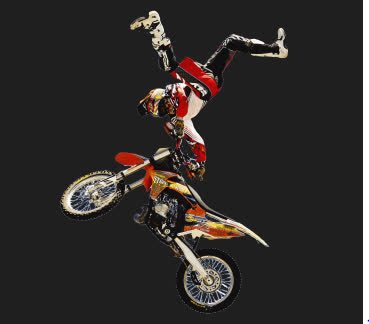
She took the lead in organizing the event.
彼女がイベントの企画で主導権を握った。

stunt

/stʌnt/

(noun) スタント, 離れ業, 妙技;

(verb) 成長を妨げる, 発育を阻害する, 発育不全にする

例:

The movie featured incredible car stunts.
その映画には信じられないような車のスタントが登場した。

climax

/ˈklaɪ.mæks/

(noun) クライマックス, 最高潮, 絶頂;

(verb) クライマックスを迎える, 最高潮に達する

例:

The movie reached its climax with the final battle scene.
映画は最後の戦闘シーンでクライマックスを迎えた。

twist

/twɪst/

(verb) ねじる, ひねる, 曲がりくねる;

(noun) ひねり, ねじれ, 意外な展開

例:

She twisted her hair into a bun.
彼女は髪をねじってお団子にした。

backstory

/ˈbækˌstɔːr.i/

(noun) 裏話, 背景

例:

The author developed a detailed backstory for each character in the novel.
著者は小説の各登場人物に詳細な裏話を作成した。

subtitle

/ˈsʌbˌtaɪ.t̬əl/

(noun) 副題, 字幕;

(verb) 字幕を付ける

例:

The book had an intriguing main title and a descriptive subtitle.
その本には魅力的な主タイトルと説明的な副題があった。

theme music

/θiːm ˈmjuː.zɪk/

(noun) テーマ曲, 主題歌

例:

I immediately recognized the theme music of the show.
その番組のテーマ曲をすぐに聞き分けた。

critic

/ˈkrɪt̬.ɪk/

(noun) 批評家, 批判者, 評論家

例:

The play received harsh reviews from the critics.
その劇は批評家から厳しい評価を受けた。

comedian

/kəˈmiː.di.ən/

(noun) コメディアン, お笑い芸人

例:

The comedian had the audience roaring with laughter.
そのコメディアンは観客を爆笑させた。
Lingolandでこの語彙セットを学習