Avatar of Vocabulary Set 説得と合意

TOEFL上級語彙 内 説得と合意 語彙セット:完全かつ詳細なリスト

「TOEFL上級語彙」内の「説得と合意」語彙セットは国際標準教材から厳選され、短期間で語彙をマスターできます。定義、例文、標準発音を網羅…

Lingolandでこの語彙セットを学習

今すぐ学習

accede

/əkˈsiːd/

(verb) 応じる, 同意する, 承諾する

例:

The government was forced to accede to the protesters' demands.
政府は抗議者の要求に応じることを余儀なくされた。

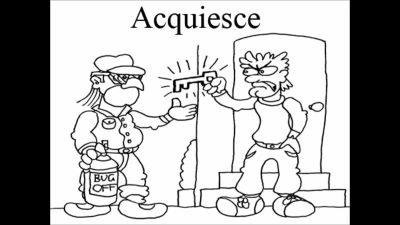
acquiesce

/ˌæk.wiˈes/

(verb) 黙認する, しぶしぶ同意する

例:

She will acquiesce to their demands.
彼女は彼らの要求に黙認するだろう。

advance

/ədˈvæns/

(noun) 前進, 進歩, 前払い;

(verb) 前進する, 進歩する, 前払いする;

(adjective) 事前の, 先行の

例:

The army made a rapid advance towards the enemy lines.
軍は敵陣に向かって急速な前進をした。

bespeak

/bɪˈspiːk/

(verb) 示す, 表す, 物語る

例:

His elegant manners bespeak a refined upbringing.
彼の優雅な態度は洗練された育ちを示している

countenance

/ˈkaʊn.t̬ən.əns/

(noun) 顔, 顔つき;

(verb) 容認する, 許す

例:

Her calm countenance reassured everyone in the room.
彼女の穏やかな顔つきは部屋の皆を安心させた。

demur

/dɪˈmɝː/

(verb) 異議を唱える, ためらう;

(noun) 異議, ためらい

例:
She demurred at the suggestion that she should pay.
彼女は支払うべきだという提案に異議を唱えた

entice

/ɪnˈtaɪs/

(verb) 誘惑する, 誘い込む, 引きつける

例:

The smell of freshly baked bread enticed him into the bakery.
焼きたてのパンの匂いが彼をパン屋に誘い込んだ

insinuate

/ɪnˈsɪn.ju.eɪt/

(verb) ほのめかす, 暗に言う, 巧みに得る

例:

Are you insinuating that I'm lying?
私が嘘をついているとほのめかしているのですか?

moot

/muːt/

(adjective) 議論の余地がある, 無意味な, 未解決の;

(verb) 議論する, 提案する;

(noun) 模擬裁判, 議論会

例:

Whether the new policy will be effective is a moot point.
新しい政策が効果的かどうかは議論の余地がある点だ。

prompt

/prɑːmpt/

(adjective) 迅速な, 即座の, 素早い;

(noun) きっかけ, 促し, プロンプト;

(verb) 促す, 引き起こす, 誘発する

例:
She was prompt in her response to the email.
彼女はメールへの返信が迅速だった。

nobble

/ˈnɑːb.əl/

(verb) 買収する, 不正に影響を与える, 妨害する

例:

The defense team was accused of trying to nobble the jury.
弁護団は陪審員を買収しようとしたとして告発された。

prevail on

/prɪˈveɪl ɑːn/

(phrasal verb) 説得する, 納得させる

例:

We finally prevailed on him to join our team.
私たちはついに彼を説得してチームに加わってもらった

rescind

/rɪˈsɪnd/

(verb) 撤回する, 取り消す, 廃止する

例:

The government decided to rescind the unpopular tax law.
政府は不人気な税法を撤回することを決定した。

rupture

/ˈrʌp.tʃɚ/

(noun) 破裂, 断裂, 断絶;

(verb) 破裂する, 断裂する

例:
The sudden pressure caused a rupture in the pipe.
突然の圧力でパイプに破裂が生じた。

bellicose

/ˈbel.ə.koʊs/

(adjective) 好戦的な, けんか好きな

例:

His bellicose attitude made negotiations difficult.
彼の好戦的な態度は交渉を困難にした。

coaxing

/ˈkoʊk.sɪŋ/

(noun) 説得, おだて, なだめ;

(verb) 説得する, おだてる, なだめる

例:
After much coaxing, she finally agreed to sing.
多くの説得の後、彼女はついに歌うことに同意した。

indicative

/ɪnˈdɪk.ə.t̬ɪv/

(adjective) 示唆する, 示す, 直説法;

(noun) 直説法

例:
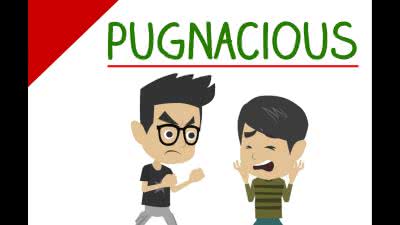
His poor performance is indicative of a lack of effort.
彼の成績不振は努力不足を示している

pugnacious

/pʌɡˈneɪ.ʃəs/

(adjective) 好戦的な, 喧嘩好きな, 攻撃的な

例:

His pugnacious attitude often led to arguments.
彼の好戦的な態度はしばしば議論を引き起こした。

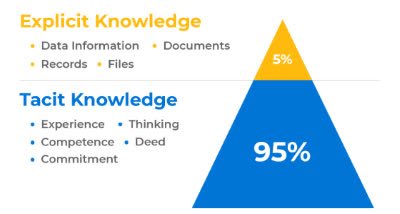
tacit

/ˈtæs.ɪt/

(adjective) 暗黙の, 無言の

例:

By not objecting, she gave her tacit consent.
異議を唱えないことで、彼女は暗黙の同意を与えた。

uncontentious

/ˌʌn.kənˈten.ʃəs/

(adjective) 異論のない, 争点のない

例:

The committee reached an uncontentious decision on the minor budget adjustment.
委員会は、少額の予算調整について異論のない決定を下した。

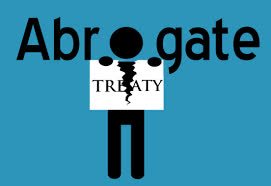
abrogation

/ˌæb.rəˈɡeɪ.ʃən/

(noun) 廃止, 撤廃

例:

The abrogation of the treaty led to international tensions.
条約の廃止は国際的な緊張を引き起こした。

connotation

/ˌkɑː.nəˈteɪ.ʃən/

(noun) 含意, 暗示

例:

The word 'home' has a warm connotation.
「家」という言葉には温かい含意がある。

blandishments

/ˈblæn.dɪʃ.mənts/

(plural noun) 甘言, お世辞, 誘惑

例:

He was immune to her blandishments and refused to change his mind.
彼は彼女の甘言には動じず、考えを変えることを拒否した。

complaisance

/kəmˈpleɪ.səns/

(noun) 愛想の良さ, 丁重さ, 従順さ

例:

Her natural complaisance made her a favorite among her colleagues.
彼女の生まれつきの愛想の良さは、同僚の間で彼女を人気者にした。

divergence

/dɪˈvɝː.dʒəns/

(noun) 相違, 分岐, 発散

例:

There is a clear divergence of opinion on this issue.
この問題については意見の明確な相違があります。

exhortation

/ˌeɡ.zɔːrˈteɪ.ʃən/

(noun) 奨励, 激励, 勧告

例:

His speech was a powerful exhortation to action.
彼のスピーチは行動への力強い奨励だった。

harangue

/həˈræŋ/

(noun) 長広舌, 演説, 説教;

(verb) 長々と説教する, 演説する, 叱責する

例:

The politician delivered a fiery harangue against his opponents.
政治家は対立候補に対して激しい演説を行った。

temptation

/tempˈteɪ.ʃən/

(noun) 誘惑, 魅力

例:

He resisted the temptation to eat the whole cake.
彼はケーキを全部食べるという誘惑に抵抗した。

ratification

/ˌræt̬.ə.fəˈkeɪ.ʃən/

(noun) 批准, 承認

例:

The treaty requires ratification by all member states.
その条約はすべての加盟国による批准を必要とする。

approbation

/ˌæp.rəˈbeɪ.ʃən/

(noun) 承認, 賛同, 称賛

例:

The play received the approbation of both critics and audience.
その劇は批評家と観客の両方から承認を得た。

unanimity

/ˌjuː.nəˈnɪm.ə.t̬i/

(noun) 満場一致, 全員一致

例:

The decision was made with complete unanimity.
その決定は完全な満場一致で行われた。

feuding

/ˈfjuːdɪŋ/

(noun) 争い, 確執, 不和;

(verb) 争う, 確執がある, 不和になる

例:

The two families had a long history of feuding over land.
その2つの家族は土地をめぐって長年争っていた。

fray

/freɪ/

(noun) 戦い, 争い, 乱闘;

(verb) ほつれる, すり切れる, 擦り切れる

例:

He jumped into the fray to defend his friend.
彼は友人を守るために戦いに飛び込んだ。

impasse

/ˈɪm.pæs/

(noun) 行き詰まり, 膠着状態

例:

The negotiations reached an impasse.
交渉は行き詰まりに達した。

schism

/ˈskɪz.əm/

(noun) 分裂, 分離

例:

The church experienced a major schism over doctrinal differences.
教会は教義上の違いをめぐって大きな分裂を経験した。

skirmish

/ˈskɝː.mɪʃ/

(noun) 小競り合い, 衝突, 口論;

(verb) 小競り合いをする, 口論する

例:

A small skirmish broke out between the two groups.
2つのグループの間で小さな小競り合いが勃発した。

vendetta

/venˈdet̬.ə/

(noun) 復讐, 血の復讐, 執拗な攻撃

例:

The two families were locked in a bitter vendetta for generations.
その二つの家族は何世代にもわたって激しい復讐に囚われていた。
Lingolandでこの語彙セットを学習