Avatar of Vocabulary Set 進捗

SAT試験に必須の語彙 内 進捗 語彙セット:完全かつ詳細なリスト

「SAT試験に必須の語彙」内の「進捗」語彙セットは国際標準教材から厳選され、短期間で語彙をマスターできます。定義、例文、標準発音を網羅…

Lingolandでこの語彙セットを学習

今すぐ学習


onset

/ˈɑːn.set/

(noun) 始まり, 発症

例:

The onset of winter brought cold weather.
冬の到来は寒い天候をもたらした。

awakening

/əˈweɪ.kən.ɪŋ/

(noun) 目覚め, 覚醒, 気づき

例:

Her awakening was sudden and disorienting.
彼女の目覚めは突然で混乱を招いた。

outset

/ˈaʊt.set/

(noun) 最初, 冒頭

例:

From the outset, it was clear that the project would be challenging.
最初から、そのプロジェクトが困難であることは明らかだった。

inception

/ɪnˈsep.ʃən/

(noun) 開始, 発端, 設立

例:

From its inception, the project faced numerous challenges.
その開始以来、プロジェクトは数多くの課題に直面した。

infancy

/ˈɪn.fən.si/

(noun) 乳幼児期, 幼少期, 初期段階

例:

During infancy, babies learn to recognize faces and voices.
乳幼児期には、赤ちゃんは顔や声を認識することを学びます。

halt

/hɑːlt/

(verb) 停止する, 止まる;

(noun) 停止, 休止;

(exclamation) 止まれ!

例:
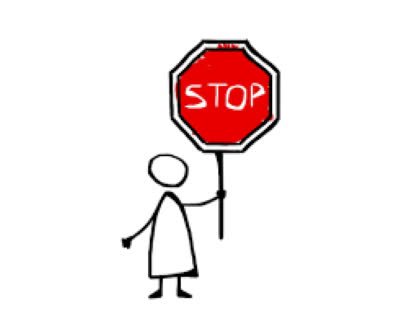
The car came to a sudden halt.
車は突然停止した。

cease

/siːs/

(verb) やめる, 終わる

例:

The rain ceased and the sun came out.
雨がやみ、太陽が出てきた。

truncate

/trʌŋˈkeɪt/

(verb) 短縮する, 切り詰める, 削除する

例:

The editor decided to truncate the article due to space limitations.
編集者はスペースの制約のため、記事を短縮することにした。

revert

/rɪˈvɝːt/

(verb) 戻る, 復帰する, 帰属する

例:

After the update, the system reverted to its original settings.
アップデート後、システムは元の設定に戻った

undergo

/ˌʌn.dɚˈɡoʊ/

(verb) 経験する, 受ける

例:

The country is undergoing rapid economic changes.
その国は急速な経済変化を経験している

unfold

/ʌnˈfoʊld/

(verb) 広げる, 開く, 明らかにする

例:

She carefully unfolded the map.
彼女は慎重に地図を広げた

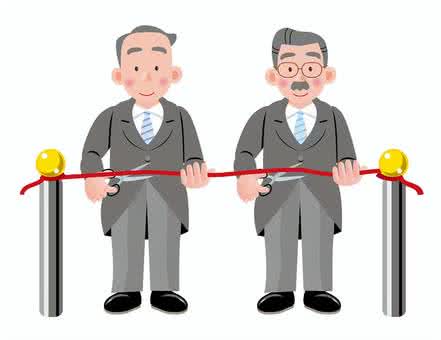
commence

/kəˈmens/

(verb) 開始する, 始める

例:

The ceremony will commence at 10 AM.
式典は午前10時に開始されます。

abort

/əˈbɔːrt/

(verb) 中絶する, 流産する, 中止する

例:

The doctor explained the procedure to abort the pregnancy.
医師は妊娠を中絶する手順を説明した。

reciprocate

/rɪˈsɪp.rə.keɪt/

(verb) 報いる, 返礼する, 互いにする

例:

I would like to reciprocate your hospitality by inviting you to dinner.
夕食にお招きして、あなたのおもてなしに報いたいと思います。

interactive

/ˌɪn.t̬ɚˈræk.tɪv/

(adjective) インタラクティブな, 対話型の, 相互作用的な

例:

The museum has many interactive exhibits.
その博物館には多くのインタラクティブな展示があります。

proactive

/ˌproʊˈæk.tɪv/

(adjective) 積極的な, 先を見越した

例:

The company is taking a proactive approach to environmental protection.
その会社は環境保護に対して積極的なアプローチを取っている。

nascent

/ˈneɪ.sənt/

(adjective) 発生期の, 初期の

例:

The nascent space tourism industry is still in its early stages.
初期の宇宙旅行産業はまだ初期段階にあります。

inaugural

/ɪˈnɑː.ɡjə.rəl/

(adjective) 就任の, 最初の

例:

The president delivered his inaugural address.
大統領は就任演説を行った。

seamless

/ˈsiːm.ləs/

(adjective) シームレスな, 継ぎ目のない, 滑らかな

例:

The transition between the two scenes was completely seamless.
2つのシーン間の移行は完全にシームレスでした。

long-standing

/ˌlɔŋˈstæn.dɪŋ/

(adjective) 長年の, 昔からの

例:

They have a long-standing friendship.
彼らには長年の友情がある。

interminable

/ɪnˈtɝː.mɪ.nə.bəl/

(adjective) 長たらしい, 延々と続く

例:

The meeting was interminable, lasting for over four hours.
会議は延々と続き、4時間以上もかかった。

recurrent

/rɪˈkɝː.ənt/

(adjective) 再発する, 繰り返し起こる

例:

Poverty is a recurrent theme in her novels.
貧困は彼女の小説の中で繰り返し現れるテーマです。

underway

/ˌʌn.dɚˈweɪ/

(adjective) 進行中, 実施中, 始まっている

例:

Preparations for the conference are already underway.
会議の準備はすでに進行中です。

inexorable

/ˌɪnˈek.sər.ə.bəl/

(adjective) 容赦ない, 避けられない

例:

The inexorable progress of science cannot be halted.
科学の容赦ない進歩を止めることはできない。

firsthand

/ˌfɝːstˈhænd/

(adjective) 直接の, 一次の;

(adverb) 直接, じかに

例:

She has firsthand experience with the challenges of starting a business.
彼女はビジネスを始める上での課題について直接的な経験を持っています。

formative

/ˈfɔːr.mə.t̬ɪv/

(adjective) 形成的な, 決定的な, 重要な

例:

His early experiences were formative in shaping his character.
彼の初期の経験は、彼の性格を形成する上で決定的だった。

concerted

/kənˈsɝː.t̬ɪd/

(adjective) 一致協力した, 協調した, 一斉の

例:

The team made a concerted effort to finish the project on time.
チームはプロジェクトを期限内に終わらせるために一致協力した努力をした。

mechanically

/məˈkæn.ɪ.kəl.i/

(adverb) 機械的に, 自動的に, 機械によって

例:

He nodded mechanically, not really listening to what she was saying.
彼は彼女の言うことを真剣に聞かず、機械的にうなずいた。

passively

/ˈpæs.ɪv.li/

(adverb) 受動的に, 消極的に

例:

He sat passively while the others made all the decisions.
他の人たちがすべての決定を下す間、彼は受動的に座っていた。

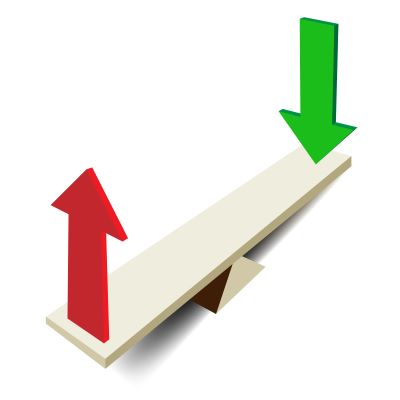
inversely

/ɪnˈvɝːs.li/

(adverb) 反比例して, 逆に

例:

The amount of energy used is inversely proportional to the efficiency of the machine.
使用されるエネルギー量は、機械の効率に反比例します。

progressively

/prəˈɡres.ɪv.li/

(adverb) 徐々に, 次第に

例:

The patient's condition is progressively worsening.
患者の状態は徐々に悪化している。

intermittently

/ˌɪn.t̬ɚˈmɪt.ənt.li/

(adverb) 断続的に, 間欠的に

例:

The rain fell intermittently throughout the day.
雨は一日中断続的に降った。

actively

/ˈæk.tɪv.li/

(adverb) 積極的に, 活発に

例:

She actively participates in community events.
彼女は地域イベントに積極的に参加しています。

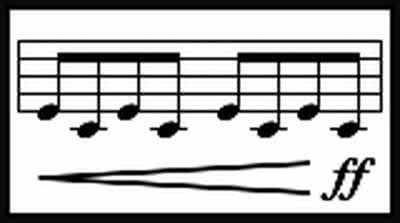
crescendo

/krəˈʃen.doʊ/

(noun) クレッシェンド, だんだん強く, 最高潮;

(verb) クレッシェンドする, だんだん強くなる

例:

The symphony built to a powerful crescendo.
交響曲は力強いクレッシェンドへと盛り上がった。

interruption

/ˌɪn.t̬əˈrʌp.ʃən/

(noun) 中断, 妨害

例:

We had a brief interruption in our power supply.
電力供給に一時的な中断がありました。

termination

/ˌtɝː.məˈneɪ.ʃən/

(noun) 終了, 終結, 解雇

例:

The termination of the contract was mutually agreed upon.
契約の終了は相互に合意された。

retention

/rɪˈten.ʃən/

(noun) 維持, 保持, 記憶

例:

The company focuses on customer retention.
その会社は顧客維持に注力している。

tactic

/ˈtæk.tɪk/

(noun) 戦術, 戦略, 方策

例:

The coach devised a new tactic for the upcoming game.
コーチは次の試合のために新しい戦術を考案した。

technique

/tekˈniːk/

(noun) 技術, 技法

例:

He has a unique painting technique.
彼はユニークな絵画技法を持っている。

by-product

/ˈbaɪˌprɑː.dʌkt/

(noun) 副産物, 結果

例:

The chemical process yields a useful by-product.
その化学プロセスは有用な副産物を生み出す。

exhaust

/ɪɡˈzɑːst/

(verb) 使い果たす, 消耗させる, 疲れさせる;

(noun) 排気, 排気ガス, 排気システム

例:

The long hike completely exhausted their water supply.
長いハイキングで彼らの水は完全に使い果たされた

glitch

/ɡlɪtʃ/

(noun) 不具合, 故障, グリッチ;

(verb) 不具合を起こす, 故障する

例:

There was a minor glitch in the system, causing a brief delay.
システムに小さな不具合があり、一時的な遅延が発生しました。

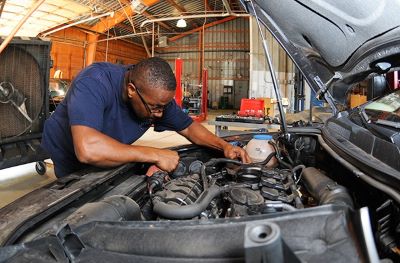
mechanism

/ˈmek.ə.nɪ.zəm/

(noun) メカニズム, 機構, 仕組み

例:

The clock's intricate mechanism ensures precise timekeeping.
時計の複雑なメカニズムは正確な時刻を保証します。

algorithm

/ˈæl.ɡə.rɪ.ðəm/

(noun) アルゴリズム

例:

The search engine uses a complex algorithm to rank websites.
検索エンジンはウェブサイトをランク付けするために複雑なアルゴリズムを使用します。

output

/ˈaʊt.pʊt/

(noun) 出力, 生産量, 成果物;

(verb) 出力する, 生産する

例:

The factory's daily output has increased significantly.
工場の1日の生産量が大幅に増加しました。

occurrence

/əˈkɝː.əns/

(noun) 発生, 出来事, 頻度

例:

The occurrence of natural disasters has increased.
自然災害の発生が増加しています。

corollary

/ˈkɔːr.ə.ler.i/

(noun) 必然的結果, 推論

例:

The increase in crime was a direct corollary of the economic downturn.
犯罪の増加は経済不況の直接的な必然的結果だった。

incidence

/ˈɪn.sɪ.dəns/

(noun) 発生率, 発生, 頻度

例:

The incidence of measles has decreased significantly due to vaccination.
予防接種により、はしかの発生率が大幅に減少しました。

perpetuation

/ˌpɚ.petʃ.uˈeɪ.ʃən/

(noun) 永続化, 継続, 不朽

例:

The perpetuation of myths can lead to misunderstandings.
神話の永続化は誤解を招く可能性があります。

pay off

/peɪ ˈɔf/

(phrasal verb) 報われる, 成功する, 完済する

例:

All her hard work finally paid off.
彼女の努力はついに報われた

remnant

/ˈrem.nənt/

(noun) 名残, 残骸, 残り

例:

The old building was a remnant of a bygone era.
その古い建物は過ぎ去った時代の名残だった。

vestige

/ˈves.tɪdʒ/

(noun) 名残, 形跡, 跡

例:

The last vestiges of the old colonial system are finally disappearing.
旧植民地制度の最後の名残がついに消えつつある。

remains

/rɪˈmeɪnz/

(plural noun) 残骸, 遺跡, 遺体;

(verb) 残る, とどまる, 残される

例:

The remains of the ancient city were discovered by archaeologists.
古代都市の遺跡は考古学者によって発見された。

ramification

/ˌræm.ə.fəˈkeɪ.ʃənz/

(noun) 影響, 結果, 波及効果

例:

The full ramifications of the new law are not yet known.
新しい法律の完全な影響はまだ分かっていない。

consequence

/ˈkɑːn.sə.kwəns/

(noun) 結果, 影響, 重要性

例:

The drought had serious consequences for farmers.
干ばつは農家にとって深刻な結果をもたらした。

interplay

/ˈɪn.t̬ɚ.pleɪ/

(noun) 相互作用, 相互関係;

(verb) 相互作用する, 影響し合う

例:
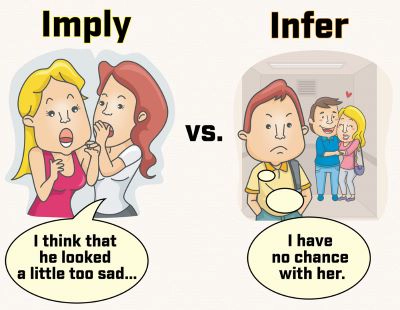
The novel explores the complex interplay between love and duty.
その小説は愛と義務の間の複雑な相互作用を探求している。

implication

/ˌɪm.pləˈkeɪ.ʃən/

(noun) 含意, 暗示, 示唆

例:

The implication of his words was that he didn't trust me.
彼の言葉の含意は、彼が私を信用していないということだった。

fare

/fer/

(noun) 運賃, 料金, 料理;

(verb) 進む, やる

例:

Bus fares have increased recently.
バスの運賃は最近値上がりしました。

culminate

/ˈkʌl.mə.neɪt/

(verb) 最高潮に達する, 頂点に達する

例:

The tensions between the two countries culminated in war.
両国間の緊張は戦争に発展した

reverse

/rɪˈvɝːs/

(verb) 逆にする, 後退する, 撤回する;

(noun) 裏, 逆, 反対;

(adjective) 逆の, 後退の

例:

He had to reverse the car out of the narrow driveway.
彼は狭い私道から車をバックさせる必要があった。

stall

/stɑːl/

(noun) 屋台, 露店, 馬房;

(verb) 停滞する, 時間を稼ぐ, エンストする

例:

She set up a fruit stall at the farmer's market.
彼女はファーマーズマーケットに果物の屋台を出した。

retard

/rɪˈtɑːrd/

(verb) 遅らせる, 妨げる

例:

Lack of funding will retard the project's completion.
資金不足はプロジェクトの完了を遅らせるだろう。

outbreak

/ˈaʊt.breɪk/

(noun) 発生, 勃発, 流行

例:

The sudden outbreak of the flu caught everyone by surprise.
突然のインフルエンザの発生は皆を驚かせた。

continuously

/kənˈtɪn.ju.əs.li/

(adverb) 継続的に, 絶え間なく

例:

The rain fell continuously for three days.
雨は3日間降り続いた
Lingolandでこの語彙セットを学習