Avatar of Vocabulary Set 진전

SAT 시험에 필요한 필수 어휘 내 진전 어휘 세트: 완전하고 상세한 목록

'SAT 시험에 필요한 필수 어휘' 내 '진전' 어휘 세트는 국제 표준 교재 출처에서 엄선되어 짧은 시간 안에 어휘를 마스터할 수 있도록 도와줍니다. 정의, 예문, 표준 발음을 완벽하게 수록...

Lingoland에서 이 어휘 세트 학습하기

지금 학습하기


onset

/ˈɑːn.set/

(noun) 시작, 발병

예시:

The onset of winter brought cold weather.
겨울의 시작은 추운 날씨를 가져왔다.

awakening

/əˈweɪ.kən.ɪŋ/

(noun) 잠에서 깨어남, 각성, 자각

예시:

Her awakening was sudden and disorienting.
그녀의 잠에서 깨어남은 갑작스럽고 혼란스러웠다.

outset

/ˈaʊt.set/

(noun) 시작, 초기

예시:

From the outset, it was clear that the project would be challenging.
처음부터, 그 프로젝트가 도전적일 것이라는 것은 분명했다.

inception

/ɪnˈsep.ʃən/

(noun) 시작, 개시, 설립

예시:

From its inception, the project faced numerous challenges.
그 프로젝트는 시작부터 수많은 난관에 부딪혔다.

infancy

/ˈɪn.fən.si/

(noun) 유아기, 젖먹이 시절, 초기 단계

예시:

During infancy, babies learn to recognize faces and voices.
유아기 동안 아기들은 얼굴과 목소리를 인식하는 법을 배운다.

halt

/hɑːlt/

(verb) 멈추다, 정지하다;

(noun) 정지, 중단;

(exclamation) 멈춰!

예시:
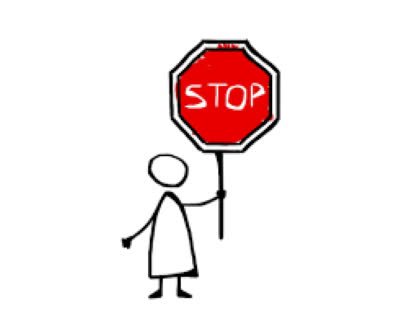
The car came to a sudden halt.
차가 갑자기 멈췄다.

cease

/siːs/

(verb) 중단하다, 그치다

예시:

The rain ceased and the sun came out.
비가 그치고 해가 나왔다.

truncate

/trʌŋˈkeɪt/

(verb) 잘라내다, 축소하다, 생략하다

예시:

The editor decided to truncate the article due to space limitations.
편집자는 공간 제약 때문에 기사를 잘라내기로 결정했다.

revert

/rɪˈvɝːt/

(verb) 되돌아가다, 복귀하다, 귀속되다

예시:

After the update, the system reverted to its original settings.
업데이트 후 시스템은 원래 설정으로 되돌아갔다.

undergo

/ˌʌn.dɚˈɡoʊ/

(verb) 겪다, 받다

예시:

The country is undergoing rapid economic changes.
그 나라는 급격한 경제 변화를 겪고 있다.

unfold

/ʌnˈfoʊld/

(verb) 펼치다, 펴다, 밝히다

예시:

She carefully unfolded the map.
그녀는 조심스럽게 지도를 펼쳤다.

commence

/kəˈmens/

(verb) 시작하다, 착수하다

예시:

The ceremony will commence at 10 AM.
행사는 오전 10시에 시작될 것입니다.

abort

/əˈbɔːrt/

(verb) 중단하다, 낙태하다, 취소하다

예시:

The doctor explained the procedure to abort the pregnancy.
의사는 임신을 중단시키는 절차를 설명했다.

reciprocate

/rɪˈsɪp.rə.keɪt/

(verb) 보답하다, 화답하다, 주고받다

예시:

I would like to reciprocate your hospitality by inviting you to dinner.
당신을 저녁 식사에 초대하여 그 환대에 보답하고 싶습니다.

interactive

/ˌɪn.t̬ɚˈræk.tɪv/

(adjective) 상호작용적인, 양방향의, 상호 영향을 미치는

예시:
The museum has many interactive exhibits.
그 박물관에는 많은 상호작용적인 전시물이 있다.

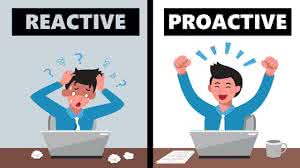
proactive

/ˌproʊˈæk.tɪv/

(adjective) 사전 예방적인, 적극적인

예시:

The company is taking a proactive approach to environmental protection.
그 회사는 환경 보호에 사전 예방적인 접근 방식을 취하고 있다.

nascent

/ˈneɪ.sənt/

(adjective) 발생기의, 초기의, 태동하는

예시:

The nascent space tourism industry is still in its early stages.
초기 단계의 우주 관광 산업은 아직 초기 단계에 머물러 있습니다.

inaugural

/ɪˈnɑː.ɡjə.rəl/

(adjective) 취임의, 첫

예시:

The president delivered his inaugural address.
대통령은 취임 연설을 했다.

seamless

/ˈsiːm.ləs/

(adjective) 매끄러운, 끊김 없는, 이음새 없는

예시:

The transition between the two scenes was completely seamless.
두 장면 사이의 전환은 완전히 매끄러웠다.

long-standing

/ˌlɔŋˈstæn.dɪŋ/

(adjective) 오랜, 오래된

예시:

They have a long-standing friendship.
그들은 오랜 우정을 가지고 있다.

interminable

/ɪnˈtɝː.mɪ.nə.bəl/

(adjective) 끝도 없는, 지루하게 계속되는

예시:

The meeting was interminable, lasting for over four hours.
회의는 4시간 넘게 계속되어 끝도 없이 지루했다.

recurrent

/rɪˈkɝː.ənt/

(adjective) 반복되는, 재발하는

예시:

Poverty is a recurrent theme in her novels.
가난은 그녀의 소설에서 반복되는 주제이다.

underway

/ˌʌn.dɚˈweɪ/

(adjective) 진행 중인, 진행되고 있는, 시작된

예시:

Preparations for the conference are already underway.
회의 준비는 이미 진행 중이다.

inexorable

/ˌɪnˈek.sər.ə.bəl/

(adjective) 거침없는, 냉혹한

예시:

The inexorable progress of science cannot be halted.
과학의 거침없는 진보는 멈출 수 없다.

firsthand

/ˌfɝːstˈhænd/

(adjective) 직접적인, 일차적인;

(adverb) 직접, 몸소

예시:

She has firsthand experience with the challenges of starting a business.
그녀는 사업을 시작하는 데 따르는 어려움에 대한 직접적인 경험이 있습니다.

formative

/ˈfɔːr.mə.t̬ɪv/

(adjective) 형성하는, 결정적인, 형성기의

예시:

His early experiences were formative in shaping his character.
그의 초기 경험은 그의 성격을 형성하는 데 결정적이었다.

concerted

/kənˈsɝː.t̬ɪd/

(adjective) 합심한, 결연한, 조직적인

예시:

The team made a concerted effort to finish the project on time.
팀은 프로젝트를 제시간에 끝내기 위해 합심한 노력을 기울였다.

mechanically

/məˈkæn.ɪ.kəl.i/

(adverb) 기계적으로, 자동적으로, 기계를 이용하여

예시:

He nodded mechanically, not really listening to what she was saying.
그는 그녀가 하는 말을 제대로 듣지 않고 기계적으로 고개를 끄덕였다.

passively

/ˈpæs.ɪv.li/

(adverb) 수동적으로, 소극적으로

예시:

He sat passively while the others made all the decisions.
다른 사람들이 모든 결정을 내리는 동안 그는 수동적으로 앉아 있었다.

inversely

/ɪnˈvɝːs.li/

(adverb) 반대로, 반비례하여

예시:

The amount of energy used is inversely proportional to the efficiency of the machine.
사용되는 에너지의 양은 기계의 효율에 반비례합니다.

progressively

/prəˈɡres.ɪv.li/

(adverb) 점진적으로, 점점 더

예시:

The patient's condition is progressively worsening.
환자의 상태가 점진적으로 악화되고 있다.

intermittently

/ˌɪn.t̬ɚˈmɪt.ənt.li/

(adverb) 간헐적으로, 띄엄띄엄

예시:

The rain fell intermittently throughout the day.
비가 하루 종일 간헐적으로 내렸다.

actively

/ˈæk.tɪv.li/

(adverb) 적극적으로, 활발하게

예시:

She actively participates in community events.
그녀는 지역 행사에 적극적으로 참여한다.

crescendo

/krəˈʃen.doʊ/

(noun) 크레셴도, 점점 크게, 절정;

(verb) 크레셴도하다, 점점 커지다

예시:

The symphony built to a powerful crescendo.
교향곡은 강력한 크레셴도로 고조되었다.

interruption

/ˌɪn.t̬əˈrʌp.ʃən/

(noun) 중단, 방해

예시:

We had a brief interruption in our power supply.
전력 공급에 잠시 중단이 있었다.

termination

/ˌtɝː.məˈneɪ.ʃən/

(noun) 종료, 끝, 해고

예시:

The termination of the contract was mutually agreed upon.
계약의 종료는 상호 합의되었다.

retention

/rɪˈten.ʃən/

(noun) 유지, 보유, 기억력

예시:

The company focuses on customer retention.
그 회사는 고객 유지에 중점을 둔다.

tactic

/ˈtæk.tɪk/

(noun) 전술, 전략, 방법

예시:

The coach devised a new tactic for the upcoming game.
코치는 다가오는 경기를 위해 새로운 전술을 고안했다.

technique

/tekˈniːk/

(noun) 기술, 기법

예시:

He has a unique painting technique.
그는 독특한 그림 기술을 가지고 있다.

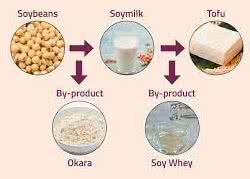
by-product

/ˈbaɪˌprɑː.dʌkt/

(noun) 부산물, 부수적 결과

예시:

The chemical process yields a useful by-product.
화학 공정은 유용한 부산물을 생성한다.

exhaust

/ɪɡˈzɑːst/

(verb) 고갈시키다, 소모하다, 지치게 하다;

(noun) 배기, 배기가스, 배기 시스템

예시:

The long hike completely exhausted their water supply.
긴 하이킹으로 그들의 물 공급이 완전히 고갈되었다.

glitch

/ɡlɪtʃ/

(noun) 결함, 오류, 문제;

(verb) 오류가 발생하다, 결함이 생기다

예시:

There was a minor glitch in the system, causing a brief delay.
시스템에 작은 결함이 있어 잠시 지연되었습니다.

mechanism

/ˈmek.ə.nɪ.zəm/

(noun) 메커니즘, 기계 장치, 방법

예시:

The clock's intricate mechanism ensures precise timekeeping.
시계의 복잡한 메커니즘은 정확한 시간 측정을 보장한다.

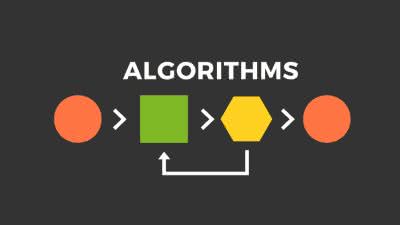
algorithm

/ˈæl.ɡə.rɪ.ðəm/

(noun) 알고리즘

예시:

The search engine uses a complex algorithm to rank websites.
검색 엔진은 웹사이트 순위를 매기기 위해 복잡한 알고리즘을 사용한다.

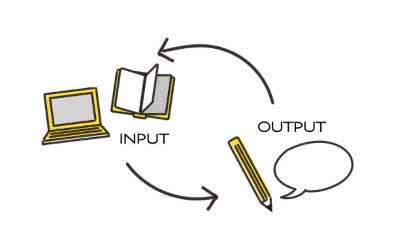
output

/ˈaʊt.pʊt/

(noun) 생산량, 산출, 결과물;

(verb) 출력하다, 생산하다

예시:

The factory's daily output has increased significantly.
공장의 일일 생산량이 크게 증가했습니다.

occurrence

/əˈkɝː.əns/

(noun) 발생, 빈도, 사건

예시:

The occurrence of natural disasters has increased.
자연재해의 발생이 증가했다.

corollary

/ˈkɔːr.ə.ler.i/

(noun) 필연적 결과, 추론

예시:

The increase in crime was a direct corollary of the economic downturn.
범죄 증가는 경제 침체의 직접적인 필연적 결과였다.

incidence

/ˈɪn.sɪ.dəns/

(noun) 발생률, 발생, 빈도

예시:

The incidence of measles has decreased significantly due to vaccination.
예방 접종으로 인해 홍역의 발생률이 크게 감소했습니다.

perpetuation

/ˌpɚ.petʃ.uˈeɪ.ʃən/

(noun) 영속화, 지속, 영구화

예시:

The perpetuation of myths can lead to misunderstandings.
신화의 영속화는 오해를 불러일으킬 수 있다.

pay off

/peɪ ˈɔf/

(phrasal verb) 성과를 내다, 성공하다, 갚다

예시:

All her hard work finally paid off.
그녀의 모든 노력이 마침내 결실을 맺었다.

remnant

/ˈrem.nənt/

(noun) 잔재, 남은 것, 흔적

예시:

The old building was a remnant of a bygone era.
그 오래된 건물은 지나간 시대의 잔재였다.

vestige

/ˈves.tɪdʒ/

(noun) 흔적, 자취, 남은 부분

예시:

The last vestiges of the old colonial system are finally disappearing.
구 식민지 체제의 마지막 흔적들이 마침내 사라지고 있다.

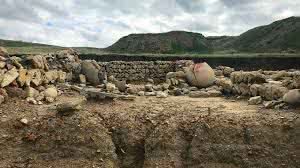
remains

/rɪˈmeɪnz/

(plural noun) 잔해, 유적, 유해;

(verb) 남다, 유지되다, 잔존하다

예시:

The remains of the ancient city were discovered by archaeologists.
고대 도시의 유적은 고고학자들에 의해 발견되었다.

ramification

/ˌræm.ə.fəˈkeɪ.ʃənz/

(noun) 파장, 영향, 결과

예시:

The full ramifications of the new law are not yet known.
새 법의 전체적인 파장은 아직 알려지지 않았다.

consequence

/ˈkɑːn.sə.kwəns/

(noun) 결과, 영향, 중요성

예시:

The drought had serious consequences for farmers.
가뭄은 농부들에게 심각한 결과를 초래했다.

interplay

/ˈɪn.t̬ɚ.pleɪ/

(noun) 상호작용, 상호영향;

(verb) 상호작용하다, 서로 영향을 미치다

예시:
The novel explores the complex interplay between love and duty.
그 소설은 사랑과 의무 사이의 복잡한 상호작용을 탐구한다.

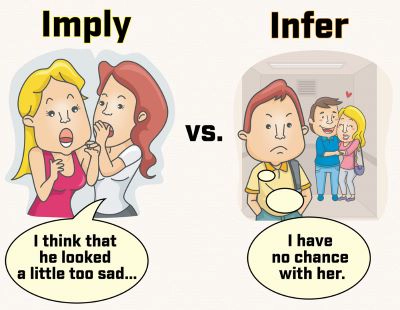
implication

/ˌɪm.pləˈkeɪ.ʃən/

(noun) 함의, 암시, 내포

예시:

The implication of his words was that he didn't trust me.
그의 말의 함의는 그가 나를 믿지 않는다는 것이었다.

fare

/fer/

(noun) 요금, 운임, 음식;

(verb) 해내다, 지내다

예시:

Bus fares have increased recently.
버스 요금이 최근에 올랐다.

culminate

/ˈkʌl.mə.neɪt/

(verb) 절정에 달하다, 최고조에 이르다

예시:

The tensions between the two countries culminated in war.
두 나라 간의 긴장은 전쟁으로 절정에 달했다.

reverse

/rɪˈvɝːs/

(verb) 후진하다, 뒤집다, 번복하다;

(noun) 뒷면, 반대, 역;

(adjective) 반대의, 역방향의

예시:

He had to reverse the car out of the narrow driveway.
그는 좁은 진입로에서 차를 후진시켜야 했다.

stall

/stɑːl/

(noun) 가판대, 좌판, 마구간;

(verb) 교착 상태에 빠지다, 시간을 벌다, 멈추다

예시:

She set up a fruit stall at the farmer's market.
그녀는 농산물 시장에 과일 가판대를 설치했다.

retard

/rɪˈtɑːrd/

(verb) 지연시키다, 방해하다

예시:

Lack of funding will retard the project's completion.
자금 부족은 프로젝트 완료를 지연시킬 것이다.

outbreak

/ˈaʊt.breɪk/

(noun) 발생, 발발, 유행

예시:

The sudden outbreak of the flu caught everyone by surprise.
갑작스러운 독감 발생은 모두를 놀라게 했다.

continuously

/kənˈtɪn.ju.əs.li/

(adverb) 계속해서, 끊임없이

예시:

The rain fell continuously for three days.
비가 사흘 동안 계속해서 내렸다.
Lingoland에서 이 어휘 세트 학습하기