
Basic Nutrients Vocabulary Set in Food Technology: Full and Detailed List
The 'Basic Nutrients' vocabulary set in 'Food Technology' is carefully selected from standard international textbook sources, helping you master vocabulary in a short time. Comprehensive compilation of definitions, illustrative examples, and standard pronunciation...
Learn this vocabulary set on Lingoland
Learn Now
/ˈkæl.ɚ.i/
Example:
A typical apple contains about 95 calories.
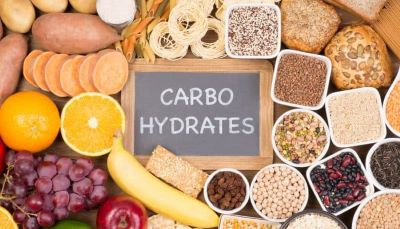
/ˌkɑːr.boʊˈhaɪ.dreɪt/
Example:
Pasta is a good source of carbohydrates.
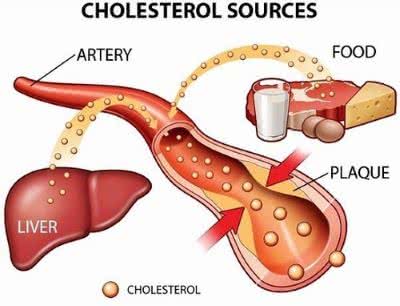
/kəˈles.tə.rɑːl/
Example:
Eating a healthy diet can help manage your cholesterol levels.

/ˈen.zaɪm/
Example:
Digestion relies on various enzymes to break down food.
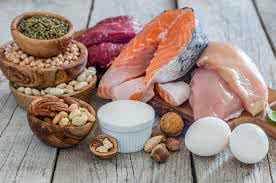
/ˈfæt.i ˌæs.ɪd/
Example:
Omega-3 fatty acids are essential for brain health.
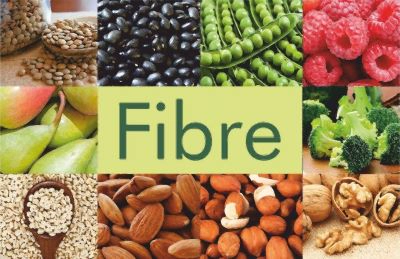
/ˈfaɪ.bɚ/
Example:
Cotton fibers are used to make fabric.
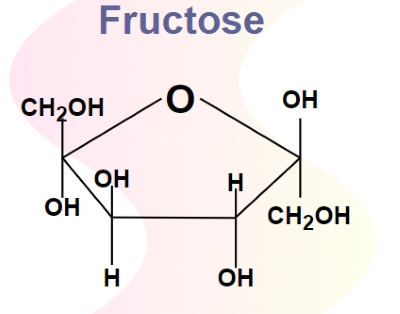
/ˈfrʊk.toʊs/
Example:
Many fruits are rich in fructose.
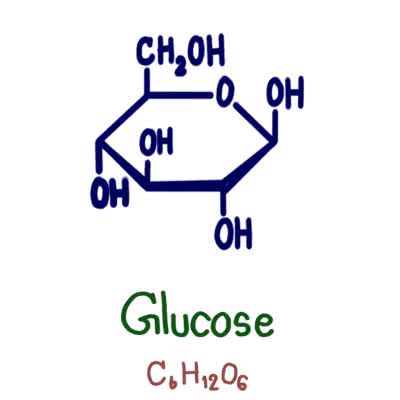
/ˈɡluː.koʊs/
Example:
The body converts carbohydrates into glucose for energy.
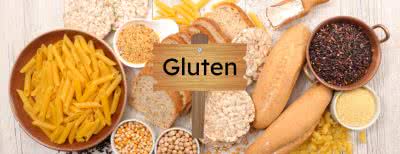
/ˈɡluː.t̬ən/
Example:
Many people are choosing to eat foods that are free of gluten.
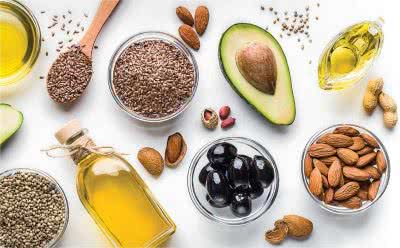
/ˈlɪp.ɪd/
Example:
The cell membrane is primarily composed of a bilayer of lipids.

/fæt/
Example:
The chef trimmed the excess fat from the meat.
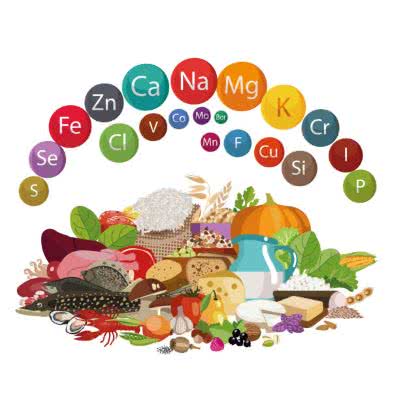
/ˈmɪn.ər.əl/
Example:
Quartz is a common mineral found in many rocks.
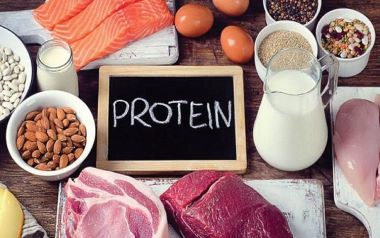
/ˈproʊ.tiːn/
Example:
Meat, eggs, and beans are good sources of protein.

/ˌsætʃ.ə.reɪ.t̬ɪd ˈfæt/
Example:
Foods high in saturated fat can increase cholesterol levels.
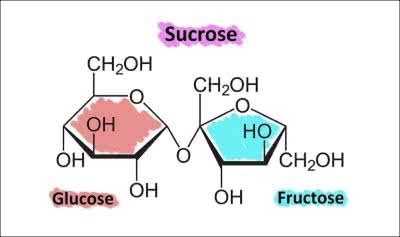
/ˈsuː.kroʊs/
Example:
Sucrose is a disaccharide composed of glucose and fructose.

/ˈtræns fæt/
Example:
Many fast foods contain high levels of trans fat.
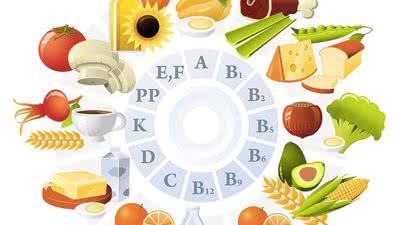
/ˈvaɪ.t̬ə-/
Example:
Citrus fruits are rich in vitamin C.