Avatar of Vocabulary Set ไวยากรณ์ 4

ชุดคำศัพท์ ไวยากรณ์ 4 ในชุด ภาษา: รายการเต็มรูปแบบและละเอียด

ชุดคำศัพท์ 'ไวยากรณ์ 4' ในชุด 'ภาษา' คัดเลือกอย่างพิถีพิถันจากแหล่งตำราสากลมาตรฐาน ช่วยให้คุณเชี่ยวชาญคำศัพท์ในเวลาอันสั้น รวมคำนิยาม ตัวอย่างประกอบ และการออกเสียงมาตรฐาน...

เรียนชุดคำศัพท์นี้ที่ Lingoland

เรียนเลย
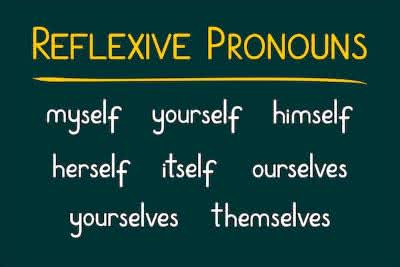
reflexive

/rɪˈflek.sɪv/

(adjective) สะท้อน, เป็นปฏิกิริยาตอบสนอง, โดยไม่รู้ตัว

ตัวอย่าง:

In 'She taught herself to play the piano,' 'herself' is a reflexive pronoun.
ในประโยค 'เธอสอนตัวเองให้เล่นเปียโน' คำว่า 'ตัวเอง' เป็นสรรพนามสะท้อน

regular

/ˈreɡ.jə.lɚ/

(adjective) ประจำ, ปกติ, สม่ำเสมอ;

(noun) ลูกค้าประจำ, ขาประจำ

ตัวอย่าง:

She makes regular visits to her grandmother.
เธอไปเยี่ยมคุณย่าเป็นประจำ

relative

/ˈrel.ə.t̬ɪv/

(adjective) สัมพันธ์กัน, เปรียบเทียบ, เกี่ยวข้อง;

(noun) ญาติ, สมาชิกในครอบครัว

ตัวอย่าง:

The cost is relative to the quality.
ค่าใช้จ่ายสัมพันธ์กับคุณภาพ

relative clause

/ˈrel.ə.tɪv ˌklɔːz/

(noun) อนุประโยคสัมพันธสรรพนาม, อนุประโยคคุณานุประโยค

ตัวอย่าง:
The man who lives next door is a doctor.
ผู้ชายที่อยู่บ้านข้างๆ เป็นหมอ

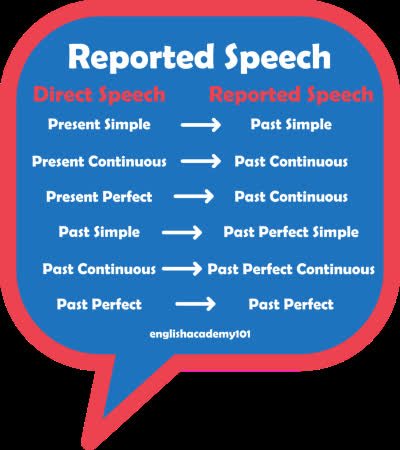
reported speech

/rɪˌpɔːrtɪd ˈspiːtʃ/

(noun) reported speech, คำพูดที่ถูกรายงาน

ตัวอย่าง:
When you use reported speech, you often change the tense of the verbs.
เมื่อคุณใช้ reported speech คุณมักจะเปลี่ยนกาลของคำกริยา

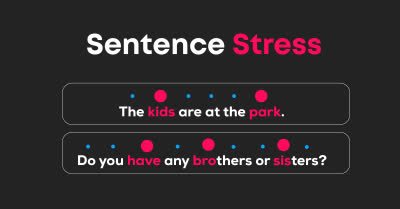
sentence

/ˈsen.təns/

(noun) ประโยค, โทษ, คำพิพากษา;

(verb) ตัดสินโทษ, พิพากษา

ตัวอย่าง:
Please write a complete sentence.
กรุณาเขียนประโยคที่สมบูรณ์

singular

/ˈsɪŋ.ɡjə.lɚ/

(adjective) เอกพจน์, เฉพาะ, ยอดเยี่ยม;

(noun) เอกพจน์

ตัวอย่าง:
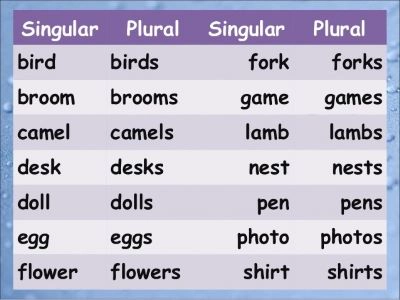
The word 'cat' is a singular noun.
คำว่า 'cat' เป็นคำนามเอกพจน์

spell

/spel/

(verb) สะกด, นำไปสู่, บ่งบอกถึง;

(noun) คาถา, มนต์สะกด, ช่วงเวลา

ตัวอย่าง:

Can you spell your name for me?
คุณช่วยสะกดชื่อของคุณให้ฉันได้ไหม

spelling

/ˈspel.ɪŋ/

(noun) การสะกดคำ, การเขียน, รูปแบบการเขียน

ตัวอย่าง:
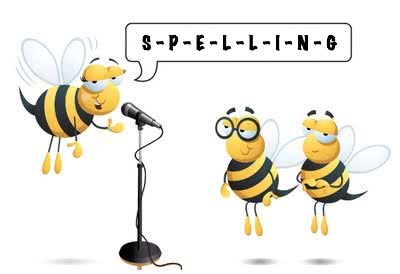
Her spelling is excellent.
การสะกดคำของเธอดีเยี่ยม

the first person

/ðə ˌfɝːst ˈpɝː.sən/

(noun) บุรุษที่หนึ่ง

ตัวอย่าง:

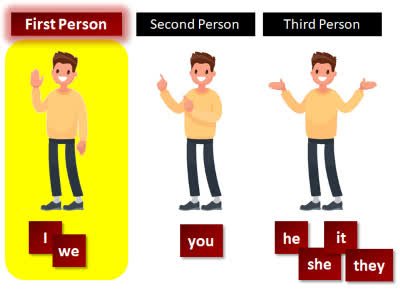
In the sentence 'I am happy,' 'I' is an example of the first person.
ในประโยค 'ฉันมีความสุข' 'ฉัน' เป็นตัวอย่างของบุรุษที่หนึ่ง

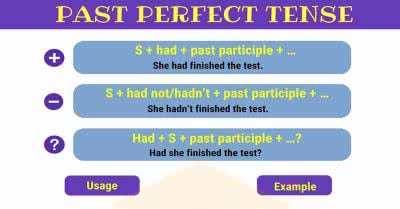
the past perfect

/ðə pæst ˈpɝː.fɪkt/

(noun) อดีตกาลสมบูรณ์

ตัวอย่าง:

By the time I arrived, they had already eaten.
เมื่อฉันมาถึง พวกเขากินไปแล้ว

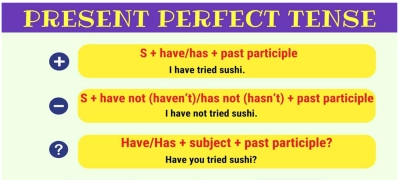
the present perfect

/ˈprez.ənt ˈpɜːr.fɪkt/

(noun) present perfect

ตัวอย่าง:

We use the present perfect to talk about experiences.
เราใช้ present perfect เพื่อพูดถึงประสบการณ์

subject

/ˈsʌb.dʒekt/

(noun) หัวข้อ, เรื่อง, วิชา;

(verb) ทำให้ต้อง, ทำให้เผชิญ;

(adjective) ขึ้นอยู่กับ, มีแนวโน้มที่จะ

ตัวอย่าง:
The main subject of the meeting was the new budget.
หัวข้อหลักของการประชุมคือ งบประมาณใหม่

subjunctive

/səbˈdʒʌŋk.tɪv/

(adjective) สมมติ, ปรารถนา;

(noun) กริยาในรูปสมมติ

ตัวอย่าง:
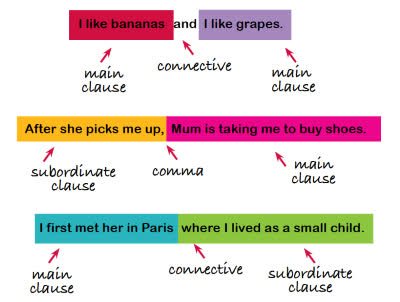
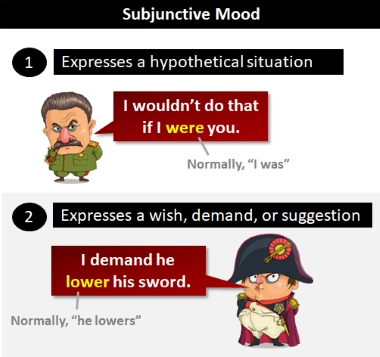
The sentence 'If I were a bird' uses the subjunctive mood.
ประโยค 'ถ้าฉันเป็นนก' ใช้กริยาในรูปสมมติ

subordinate clause

/səˌbɔːrdɪnət ˈklɔːz/

(noun) อนุประโยคย่อย, ประโยคย่อย

ตัวอย่าง:
In the sentence 'I will go to the park if it stops raining,' 'if it stops raining' is a subordinate clause.
ในประโยค 'ฉันจะไปสวนสาธารณะ ถ้าฝนหยุดตก' 'ถ้าฝนหยุดตก' คืออนุประโยคย่อย

suffix

/ˈsʌf.ɪks/

(suffix) คำต่อท้าย

ตัวอย่าง:

The suffix "-ing" is often used to form present participles.
คำต่อท้าย "-ing" มักใช้เพื่อสร้างคำกริยาที่แสดงการกระทำที่กำลังดำเนินอยู่

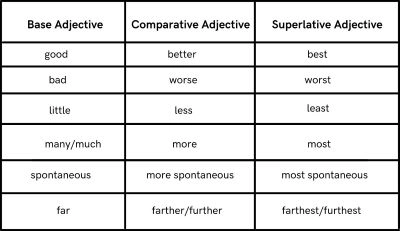
superlative

/səˈpɝː.lə.t̬ɪv/

(adjective) เลิศ, ยอดเยี่ยม;

(noun) ขั้นสูงสุด

ตัวอย่าง:

The chef prepared a superlative meal for the guests.
เชฟเตรียมอาหารเลิศรสสำหรับแขก

tag question

/ˈtæɡ ˌkwes.tʃən/

(noun) คำถามท้ายประโยค, tag question

ตัวอย่าง:

You're coming, aren't you?
คุณกำลังมาใช่ไหม ใช่ไหม?

tense

/tens/

(adjective) ตึง, เครียด, วิตกกังวล;

(noun) กาล, รูปกริยา;

(verb) เกร็ง, ตึง

ตัวอย่าง:
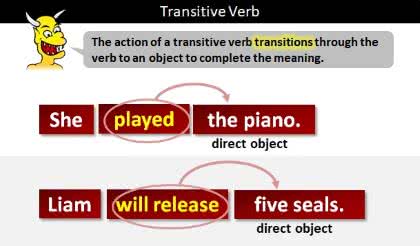
Her muscles were tense after the long workout.
กล้ามเนื้อของเธอตึงหลังจากการออกกำลังกายที่ยาวนาน

transitive

/ˈtræn.sə.t̬ɪv/

(adjective) สกรรม

ตัวอย่าง:

The verb 'eat' is transitive because you can 'eat an apple'.
คำกริยา 'กิน' เป็นคำกริยาสกรรม เพราะคุณสามารถ 'กินแอปเปิล' ได้

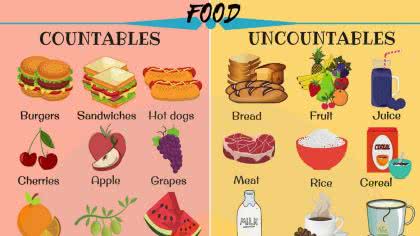
uncountable

/ʌnˈkaʊn.t̬ə.bəl/

(adjective) นับไม่ถ้วน, นับไม่ได้

ตัวอย่าง:
The stars in the sky are uncountable.
ดวงดาวบนท้องฟ้ามีนับไม่ถ้วน

ungrammatical

/ˌʌn.ɡrəˈmæt̬.ɪ.kəl/

(adjective) ไม่ถูกต้องตามหลักไวยากรณ์

ตัวอย่าง:

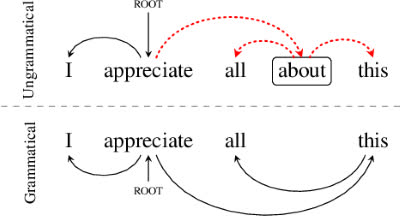
The sentence 'He don't like it' is ungrammatical.
ประโยค 'He don't like it' นั้นไม่ถูกต้องตามหลักไวยากรณ์

verb

/vɝːb/

(noun) คำกริยา

ตัวอย่าง:

In the sentence 'She sings beautifully,' 'sings' is the verb.
ในประโยค 'เธอร้องเพลงเพราะ' 'ร้องเพลง' คือคำกริยา

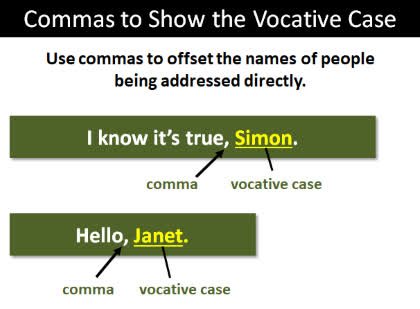
vocative

/ˈvɑː.kə.t̬ɪv/

(adjective) สัมโพธนะการก;

(noun) สัมโพธนะการก

ตัวอย่าง:

In Latin, 'Brute' in 'Et tu, Brute?' is in the vocative case.
ในภาษาละติน 'Brute' ใน 'Et tu, Brute?' อยู่ในรูปสัมโพธนะการก

voice

/vɔɪs/

(noun) เสียง, สิทธิ์ออกเสียง, ความคิดเห็น;

(verb) แสดงออก, เปล่งเสียง

ตัวอย่าง:

Her voice was clear and strong.
เสียงของเธอชัดเจนและทรงพลัง

word

/wɝːd/

(noun) คำ, คำพูด, ข่าว;

(verb) ใช้ถ้อยคำ, บรรยาย

ตัวอย่าง:

The teacher asked the students to spell a difficult word.
ครูขอให้นักเรียนสะกดคำที่ยาก
เรียนชุดคำศัพท์นี้ที่ Lingoland