
언어 내 문법 4 어휘 세트: 완전하고 상세한 목록
'언어' 내 '문법 4' 어휘 세트는 국제 표준 교재 출처에서 엄선되어 짧은 시간 안에 어휘를 마스터할 수 있도록 도와줍니다. 정의, 예문, 표준 발음을 완벽하게 수록...
Lingoland에서 이 어휘 세트 학습하기
지금 학습하기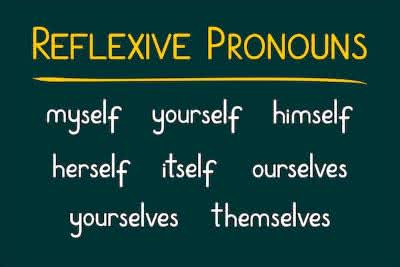
/rɪˈflek.sɪv/
(adjective) 재귀적인, 반사적인, 무의식적인
예시:
In 'She taught herself to play the piano,' 'herself' is a reflexive pronoun.
'그녀는 스스로 피아노를 배웠다'에서 '스스로'는 재귀대명사이다.

/ˈreɡ.jə.lɚ/
(adjective) 정기적인, 보통의, 규칙적인;
(noun) 단골, 정기 고객
예시:
She makes regular visits to her grandmother.
그녀는 할머니를 정기적으로 방문한다.

/ˈrel.ə.t̬ɪv/
(adjective) 상대적인, 비례하는, 관련된;
(noun) 친척, 가족
예시:
The cost is relative to the quality.
비용은 품질에 상대적이다.

/ˈrel.ə.tɪv ˌklɔːz/
(noun) 관계절
예시:
The man who lives next door is a doctor.
옆집에 사는 남자는 의사이다.
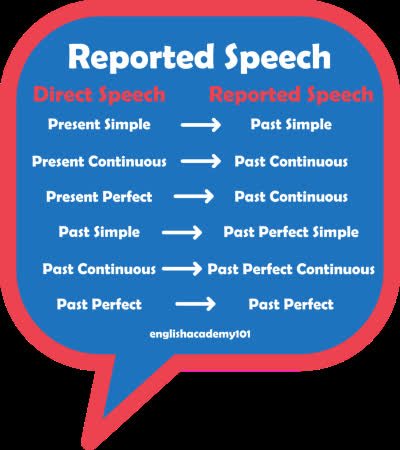
/rɪˌpɔːrtɪd ˈspiːtʃ/
(noun) 간접 화법, 보고 화법
예시:
When you use reported speech, you often change the tense of the verbs.
간접 화법을 사용할 때, 동사의 시제를 자주 바꿉니다.
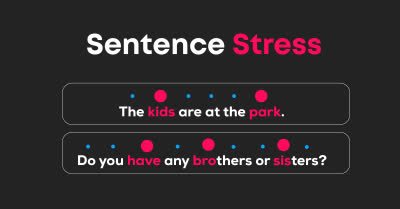
/ˈsen.təns/
(noun) 문장, 선고, 형벌;
(verb) 선고하다, 형을 내리다
예시:
Please write a complete sentence.
완전한 문장을 써주세요.
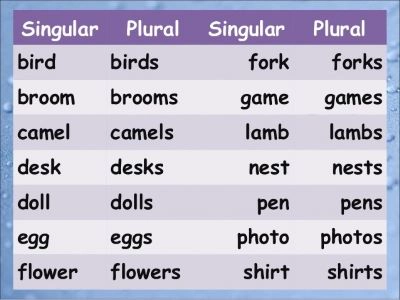
/ˈsɪŋ.ɡjə.lɚ/
(adjective) 단수, 독특한, 뛰어난;
(noun) 단수형
예시:
The word 'cat' is a singular noun.
'고양이'라는 단어는 단수 명사입니다.
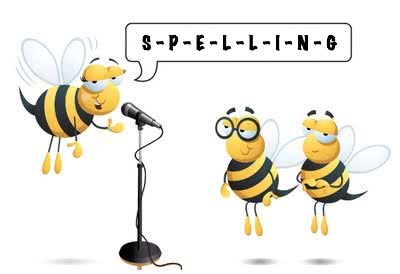
/spel/
(verb) 철자하다, 초래하다, 의미하다;
(noun) 마법, 주문, 기간
예시:
Can you spell your name for me?
이름을 철자해 줄 수 있나요?
/ðə ˌfɝːst ˈpɝː.sən/
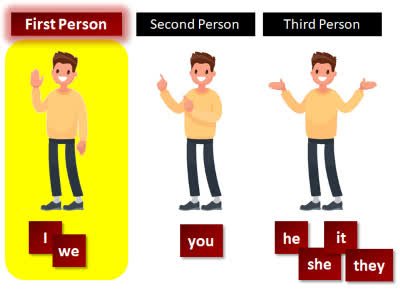
(noun) 1인칭
예시:
In the sentence 'I am happy,' 'I' is an example of the first person.
'나는 행복하다'라는 문장에서 '나'는 1인칭의 예시이다.
/ðə pæst ˈpɝː.fɪkt/
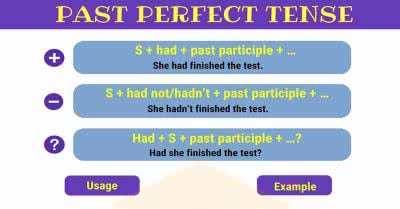
(noun) 과거 완료
예시:
By the time I arrived, they had already eaten.
내가 도착했을 때, 그들은 이미 먹었었다.
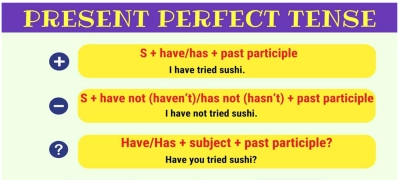
/ˈprez.ənt ˈpɜːr.fɪkt/
(noun) 현재완료
예시:
We use the present perfect to talk about experiences.
우리는 경험에 대해 이야기할 때 현재완료를 사용합니다.

/ˈsʌb.dʒekt/
(noun) 주제;
(verb) 주제;
(adjective) 주제
예시:
The main subject of the meeting was the new budget.
회의의 주요 안건은 새 예산이었다.
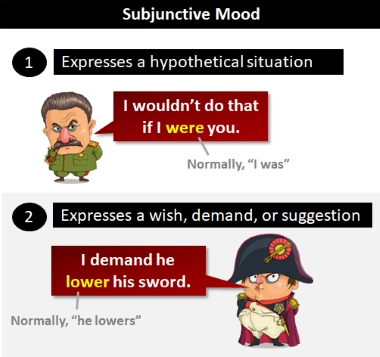
/səbˈdʒʌŋk.tɪv/
(adjective) 가정법;
(noun) 가정법
예시:
The sentence 'If I were a bird' uses the subjunctive mood.
'내가 새라면'이라는 문장은 가정법을 사용한다.
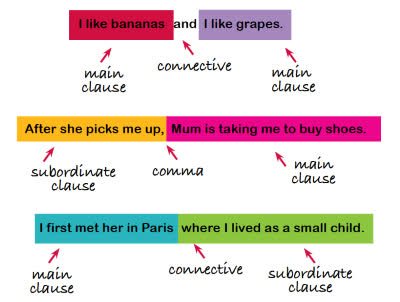
/səˌbɔːrdɪnət ˈklɔːz/
(noun) 종속절
예시:
In the sentence 'I will go to the park if it stops raining,' 'if it stops raining' is a subordinate clause.
'비가 그치면 공원에 갈 것이다'라는 문장에서 '비가 그치면'은 종속절이다.
/ˈsʌf.ɪks/
(suffix) 접미사
예시:
The suffix "-ing" is often used to form present participles.
접미사 "-ing"는 현재분사를 만드는 데 자주 사용됩니다.
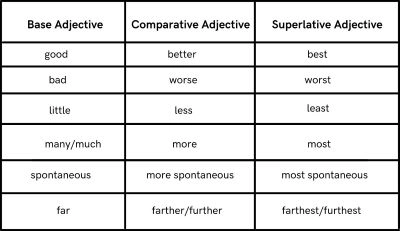
/səˈpɝː.lə.t̬ɪv/
(adjective) 최고의, 최상급의;
(noun) 최상급
예시:
The chef prepared a superlative meal for the guests.
요리사는 손님들을 위해 최고의 식사를 준비했다.
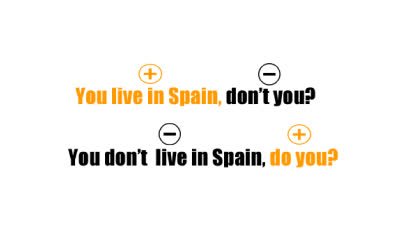

/tens/
(adjective) 팽팽한, 긴장한, 불안한;
(noun) 시제, 동사 시제;
(verb) 긴장시키다, 팽팽해지다
예시:
Her muscles were tense after the long workout.
긴 운동 후에 그녀의 근육은 긴장했다.
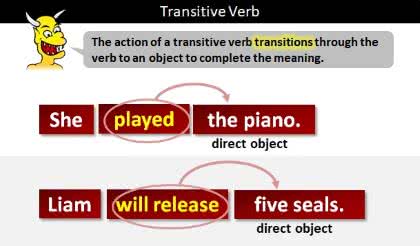
/ˈtræn.sə.t̬ɪv/
(adjective) 타동사의
예시:
The verb 'eat' is transitive because you can 'eat an apple'.
동사 '먹다'는 '사과를 먹다'처럼 목적어를 취하므로 타동사입니다.
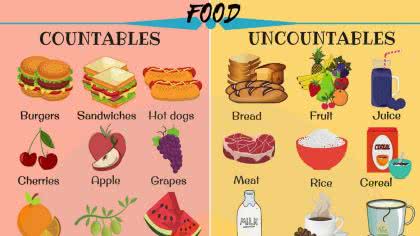
/ʌnˈkaʊn.t̬ə.bəl/
(adjective) 셀 수 없는
예시:
The stars in the sky are uncountable.
하늘의 별은 셀 수 없을 정도로 많다.
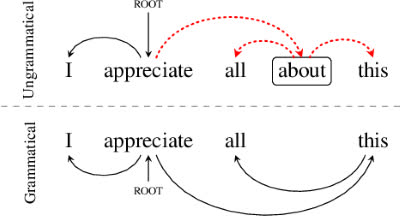
/ˌʌn.ɡrəˈmæt̬.ɪ.kəl/
(adjective) 비문법적인
예시:
The sentence 'He don't like it' is ungrammatical.
'He don't like it'이라는 문장은 비문법적이다.

/vɝːb/
(noun) 동사
예시:
In the sentence 'She sings beautifully,' 'sings' is the verb.
'그녀는 아름답게 노래한다'에서 '노래한다'는 동사이다.
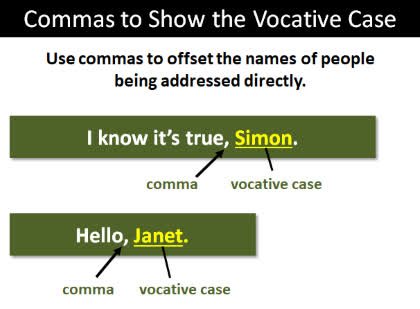
/ˈvɑː.kə.t̬ɪv/
(adjective) 호격의;
(noun) 호격
예시:
In Latin, 'Brute' in 'Et tu, Brute?' is in the vocative case.
라틴어에서 'Et tu, Brute?'의 'Brute'는 호격이다.


/wɝːd/
(noun) 단어, 말, 전갈;
(verb) 표현하다, 말하다
예시:
The teacher asked the students to spell a difficult word.
선생님은 학생들에게 어려운 단어를 철자하도록 요청했다.