Avatar of Vocabulary Set Gramática 4

Conjunto de vocabulário Gramática 4 em Idioma: Lista completa e detalhada

O conjunto de vocabulário 'Gramática 4' em 'Idioma' é cuidadosamente selecionado de fontes de manuais padrão internacionais, ajudando-o a dominar o vocabulário em pouco tempo. Compilação completa de definições, exemplos ilustrativos e pronúncia padrão...

Aprender este conjunto de vocabulário no Lingoland

Aprender agora
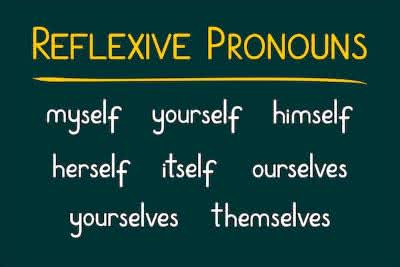
reflexive

/rɪˈflek.sɪv/

(adjective) reflexivo, involuntário

Exemplo:

In 'She taught herself to play the piano,' 'herself' is a reflexive pronoun.
Em 'Ela ensinou a si mesma a tocar piano', 'a si mesma' é um pronome reflexivo.

regular

/ˈreɡ.jə.lɚ/

(adjective) regular, usual, uniforme;

(noun) cliente regular, frequentador assíduo

Exemplo:

She makes regular visits to her grandmother.
Ela faz visitas regulares à sua avó.

relative

/ˈrel.ə.t̬ɪv/

(adjective) relativo, proporcional, pertinente;

(noun) parente, familiar

Exemplo:

The cost is relative to the quality.
O custo é relativo à qualidade.

relative clause

/ˈrel.ə.tɪv ˌklɔːz/

(noun) oração subordinada adjetiva, oração relativa

Exemplo:
The man who lives next door is a doctor.
O homem que mora ao lado é médico.

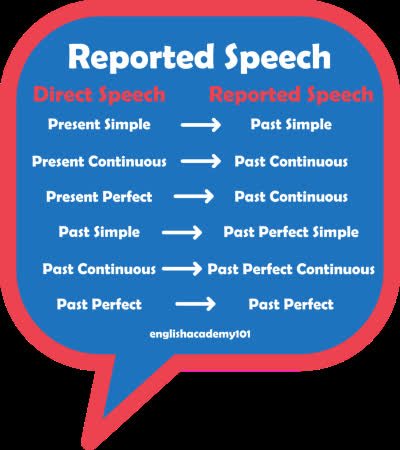
reported speech

/rɪˌpɔːrtɪd ˈspiːtʃ/

(noun) discurso indireto, fala relatada

Exemplo:
When you use reported speech, you often change the tense of the verbs.
Ao usar o discurso indireto, você frequentemente muda o tempo dos verbos.

sentence

/ˈsen.təns/

(noun) frase, oração, sentença;

(verb) sentenciar, condenar

Exemplo:
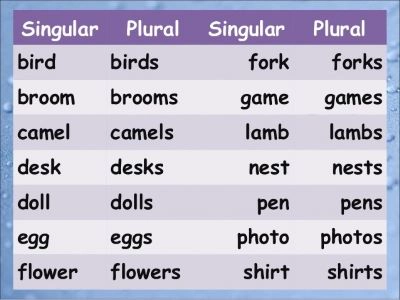
Please write a complete sentence.
Por favor, escreva uma frase completa.

singular

/ˈsɪŋ.ɡjə.lɚ/

(adjective) singular, único, excepcional;

(noun) o singular

Exemplo:
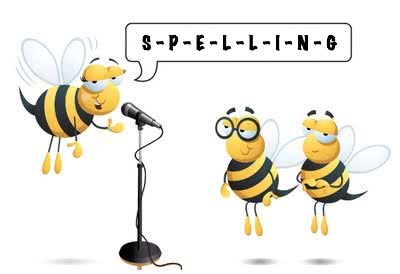
The word 'cat' is a singular noun.
A palavra 'gato' é um substantivo singular.

spell

/spel/

(verb) soletrar, significar, indicar;

(noun) feitiço, encanto, período

Exemplo:
Can you spell your name for me?
Você pode soletrar seu nome para mim?

spelling

/ˈspel.ɪŋ/

(noun) ortografia, grafia, forma de escrever

Exemplo:
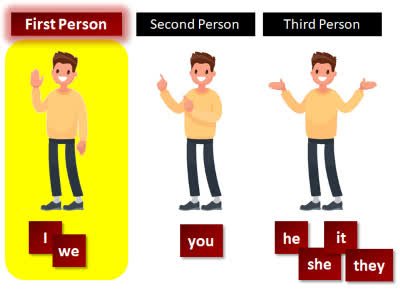
Her spelling is excellent.
A ortografia dela é excelente.

the first person

/ðə ˌfɝːst ˈpɝː.sən/

(noun) primeira pessoa

Exemplo:

In the sentence 'I am happy,' 'I' is an example of the first person.
Na frase 'Eu sou feliz', 'Eu' é um exemplo da primeira pessoa.

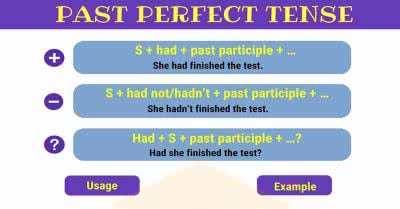
the past perfect

/ðə pæst ˈpɝː.fɪkt/

(noun) pretérito mais-que-perfeito

Exemplo:
By the time I arrived, they had already eaten.
Quando cheguei, eles já tinham comido.

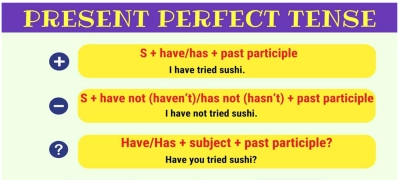
the present perfect

/ˈprez.ənt ˈpɜːr.fɪkt/

(noun) presente perfeito

Exemplo:

We use the present perfect to talk about experiences.
Usamos o presente perfeito para falar sobre experiências.

subject

/ˈsʌb.dʒekt/

(noun) assunto, tema, disciplina;

(verb) sujeitar, expor;

(adjective) sujeito a, propenso a

Exemplo:
The main subject of the meeting was the new budget.
O principal assunto da reunião era o novo orçamento.

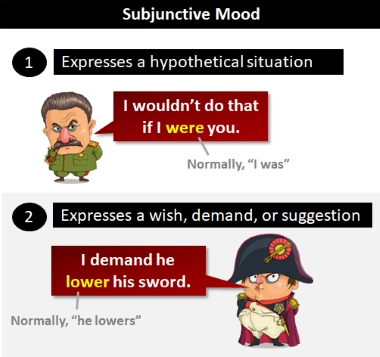
subjunctive

/səbˈdʒʌŋk.tɪv/

(adjective) subjuntivo;

(noun) subjuntivo

Exemplo:
The sentence 'If I were a bird' uses the subjunctive mood.
A frase 'Se eu fosse um pássaro' usa o modo subjuntivo.

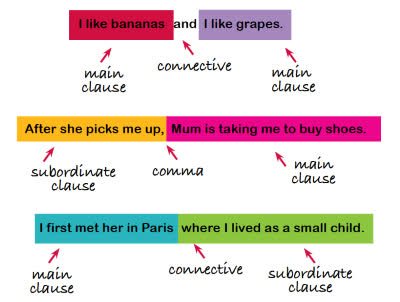
subordinate clause

/səˌbɔːrdɪnət ˈklɔːz/

(noun) oração subordinada

Exemplo:

In the sentence 'I will go to the park if it stops raining,' 'if it stops raining' is a subordinate clause.
Na frase 'Eu irei ao parque se parar de chover', 'se parar de chover' é uma oração subordinada.

suffix

/ˈsʌf.ɪks/

(suffix) sufixo

Exemplo:

The suffix "-ing" is often used to form present participles.
O sufixo "-ing" é frequentemente usado para formar particípios presentes.

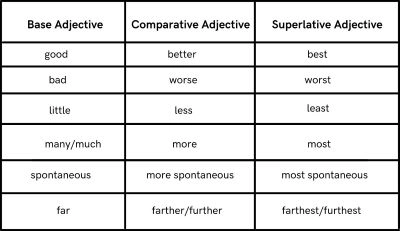
superlative

/səˈpɝː.lə.t̬ɪv/

(adjective) superlativo, excelente;

(noun) superlativo

Exemplo:

The chef prepared a superlative meal for the guests.
O chef preparou uma refeição superlativa para os convidados.

tag question

/ˈtæɡ ˌkwes.tʃən/

(noun) tag question, pergunta de confirmação

Exemplo:

You're coming, aren't you?
Você vem, não vem?

tense

/tens/

(adjective) tenso, rígido, nervoso;

(noun) tempo verbal, flexão verbal;

(verb) tensionar, enrijecer

Exemplo:
Her muscles were tense after the long workout.
Os músculos dela estavam tensos depois do longo treino.

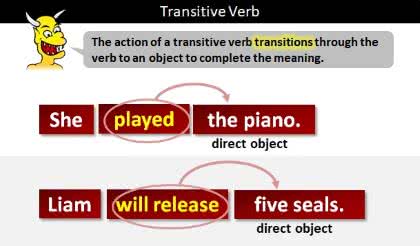
transitive

/ˈtræn.sə.t̬ɪv/

(adjective) transitivo

Exemplo:

The verb 'eat' is transitive because you can 'eat an apple'.
O verbo 'comer' é transitivo porque você pode 'comer uma maçã'.

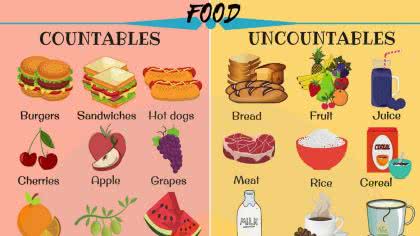
uncountable

/ʌnˈkaʊn.t̬ə.bəl/

(adjective) incontável

Exemplo:

The stars in the sky are uncountable.
As estrelas no céu são incontáveis.

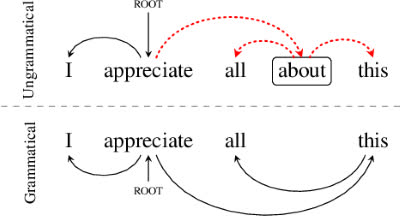
ungrammatical

/ˌʌn.ɡrəˈmæt̬.ɪ.kəl/

(adjective) agramatical

Exemplo:

The sentence 'He don't like it' is ungrammatical.
A frase 'He don't like it' é agramatical.

verb

/vɝːb/

(noun) verbo

Exemplo:

In the sentence 'She sings beautifully,' 'sings' is the verb.
Na frase 'Ela canta lindamente', 'canta' é o verbo.

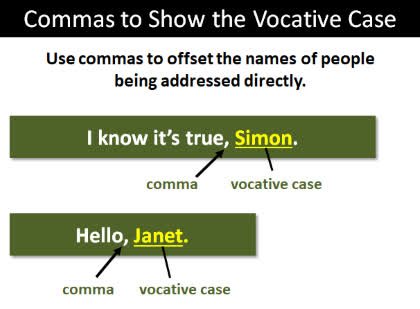
vocative

/ˈvɑː.kə.t̬ɪv/

(adjective) vocativo;

(noun) o vocativo

Exemplo:

In Latin, 'Brute' in 'Et tu, Brute?' is in the vocative case.
Em latim, 'Brute' em 'Et tu, Brute?' está no caso vocativo.

voice

/vɔɪs/

(noun) voz, direito de expressar opinião;

(verb) expressar, manifestar

Exemplo:

Her voice was clear and strong.
A voz dela era clara e forte.

word

/wɝːd/

(noun) palavra, mensagem, sinal;

(verb) expressar, formular

Exemplo:

The teacher asked the students to spell a difficult word.
O professor pediu aos alunos para soletrar uma palavra difícil.
Aprender este conjunto de vocabulário no Lingoland