Avatar of Vocabulary Set Grammatica 4

Insieme di vocabolario Grammatica 4 in Lingua: Lista completa e dettagliata

L'insieme di vocabolario 'Grammatica 4' in 'Lingua' è selezionato con cura da fonti di testi standard internazionali, aiutandoti a padroneggiare il vocabolario in breve tempo. Compilazione completa di definizioni, esempi illustrativi e pronuncia standard...

Impara questo insieme di vocabolario su Lingoland

Impara ora
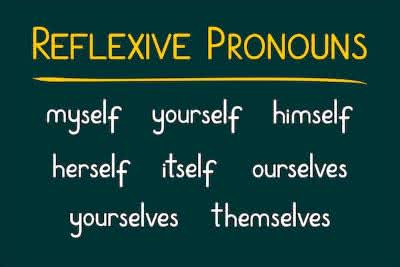
reflexive

/rɪˈflek.sɪv/

(adjective) riflessivo, involontario

Esempio:

In 'She taught herself to play the piano,' 'herself' is a reflexive pronoun.
In 'Si è insegnata a suonare il piano', 'si' è un pronome riflessivo.

regular

/ˈreɡ.jə.lɚ/

(adjective) regolare, abituale, uniforme;

(noun) cliente abituale, habitué

Esempio:
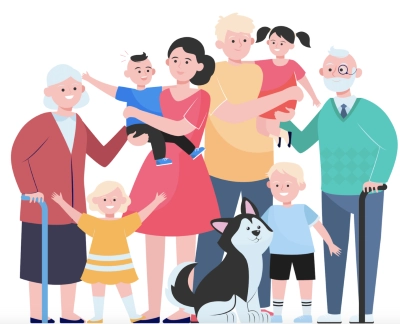
She makes regular visits to her grandmother.
Fa visite regolari a sua nonna.

relative

/ˈrel.ə.t̬ɪv/

(adjective) relativo, proporzionale, pertinente;

(noun) parente, familiare

Esempio:

The cost is relative to the quality.
Il costo è relativo alla qualità.

relative clause

/ˈrel.ə.tɪv ˌklɔːz/

(noun) proposizione relativa

Esempio:
The man who lives next door is a doctor.
L'uomo che vive accanto è un medico.

reported speech

/rɪˌpɔːrtɪd ˈspiːtʃ/

(noun) discorso indiretto, discorso riportato

Esempio:
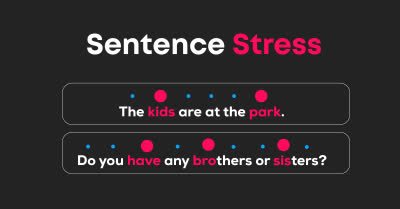
When you use reported speech, you often change the tense of the verbs.
Quando usi il discorso indiretto, spesso cambi il tempo dei verbi.

sentence

/ˈsen.təns/

(noun) frase, sentenza, condanna;

(verb) condannare, sentenziare

Esempio:
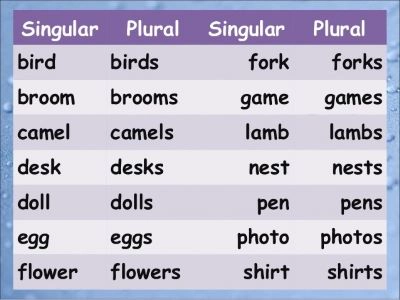
Please write a complete sentence.
Per favore, scrivi una frase completa.

singular

/ˈsɪŋ.ɡjə.lɚ/

(adjective) singolare, unico, eccezionale;

(noun) il singolare

Esempio:
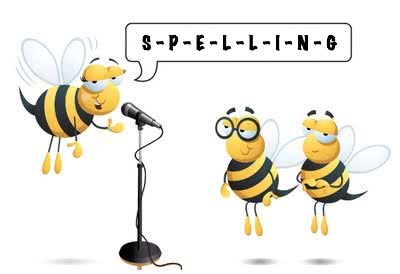
The word 'cat' is a singular noun.
La parola 'gatto' è un nome singolare.

spell

/spel/

(verb) fare lo spelling, scrivere, significare;

(noun) incantesimo, sortilegio, periodo

Esempio:
Can you spell your name for me?
Puoi fare lo spelling del tuo nome per me?

spelling

/ˈspel.ɪŋ/

(noun) ortografia, spelling, modo di scrivere

Esempio:
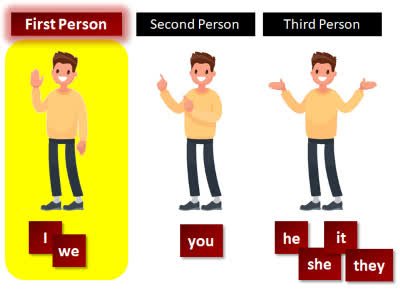
Her spelling is excellent.
La sua ortografia è eccellente.

the first person

/ðə ˌfɝːst ˈpɝː.sən/

(noun) prima persona

Esempio:

In the sentence 'I am happy,' 'I' is an example of the first person.
Nella frase 'Sono felice', 'io' è un esempio di prima persona.

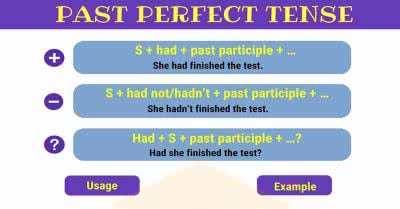
the past perfect

/ðə pæst ˈpɝː.fɪkt/

(noun) trapassato prossimo

Esempio:

By the time I arrived, they had already eaten.
Quando sono arrivato, avevano già mangiato.

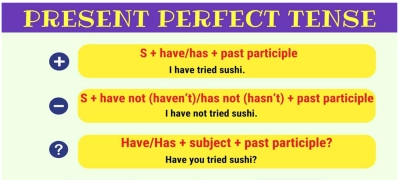
the present perfect

/ˈprez.ənt ˈpɜːr.fɪkt/

(noun) present perfect

Esempio:

We use the present perfect to talk about experiences.
Usiamo il present perfect per parlare di esperienze.

subject

/ˈsʌb.dʒekt/

(noun) soggetto, argomento, materia;

(verb) sottoporre, esporre;

(adjective) soggetto a, suscettibile di

Esempio:
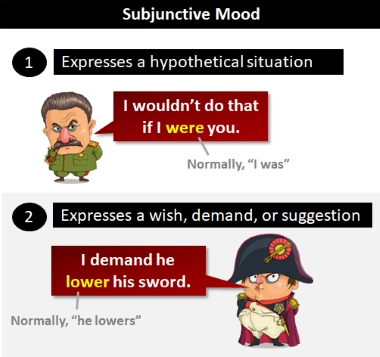
The main subject of the meeting was the new budget.
L'argomento principale della riunione era il nuovo bilancio.

subjunctive

/səbˈdʒʌŋk.tɪv/

(adjective) congiuntivo;

(noun) congiuntivo

Esempio:
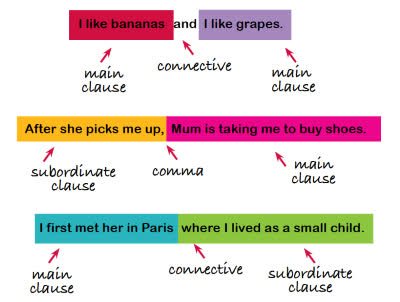
The sentence 'If I were a bird' uses the subjunctive mood.
La frase 'Se io fossi un uccello' usa il modo congiuntivo.

subordinate clause

/səˌbɔːrdɪnət ˈklɔːz/

(noun) proposizione subordinata, subordinata

Esempio:
In the sentence 'I will go to the park if it stops raining,' 'if it stops raining' is a subordinate clause.
Nella frase 'Andrò al parco se smette di piovere', 'se smette di piovere' è una proposizione subordinata.

suffix

/ˈsʌf.ɪks/

(suffix) suffisso

Esempio:

The suffix "-ing" is often used to form present participles.
Il suffisso "-ing" è spesso usato per formare i participi presenti.

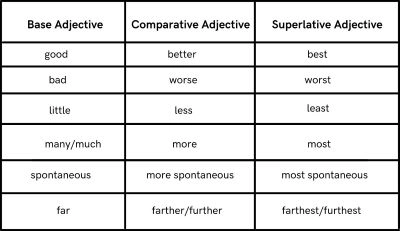
superlative

/səˈpɝː.lə.t̬ɪv/

(adjective) superlativo, eccellente;

(noun) superlativo

Esempio:
The chef prepared a superlative meal for the guests.
Lo chef ha preparato un pasto superlativo per gli ospiti.

tag question

/ˈtæɡ ˌkwes.tʃən/

(noun) question tag, domanda a coda

Esempio:

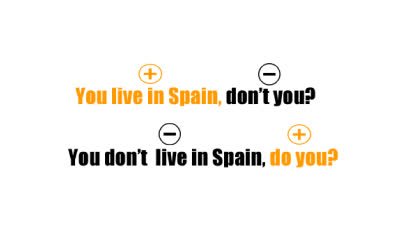
You're coming, aren't you?
Stai venendo, non è vero?

tense

/tens/

(adjective) teso, rigido, nervoso;

(noun) tempo, modo verbale;

(verb) tendere, irrigidirsi

Esempio:
Her muscles were tense after the long workout.
I suoi muscoli erano tesi dopo il lungo allenamento.

transitive

/ˈtræn.sə.t̬ɪv/

(adjective) transitivo

Esempio:

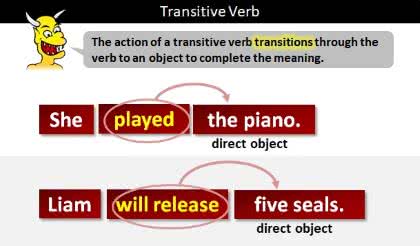
The verb 'eat' is transitive because you can 'eat an apple'.
Il verbo 'mangiare' è transitivo perché si può 'mangiare una mela'.

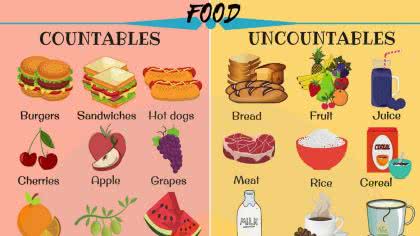
uncountable

/ʌnˈkaʊn.t̬ə.bəl/

(adjective) innumerevole

Esempio:

The stars in the sky are uncountable.
Le stelle nel cielo sono innumerevoli.

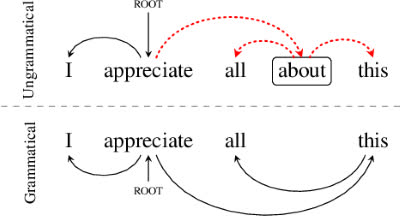
ungrammatical

/ˌʌn.ɡrəˈmæt̬.ɪ.kəl/

(adjective) agrammaticale

Esempio:

The sentence 'He don't like it' is ungrammatical.
La frase 'He don't like it' è agrammaticale.

verb

/vɝːb/

(noun) verbo

Esempio:

In the sentence 'She sings beautifully,' 'sings' is the verb.
Nella frase 'Lei canta magnificamente', 'canta' è il verbo.

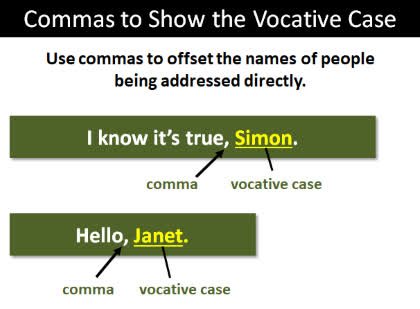
vocative

/ˈvɑː.kə.t̬ɪv/

(adjective) vocativo;

(noun) il vocativo

Esempio:

In Latin, 'Brute' in 'Et tu, Brute?' is in the vocative case.
In latino, 'Brute' in 'Et tu, Brute?' è al caso vocativo.

voice

/vɔɪs/

(noun) voce, diritto di parola;

(verb) esprimere, manifestare

Esempio:

Her voice was clear and strong.
La sua voce era chiara e forte.

word

/wɝːd/

(noun) parola, messaggio, segnale;

(verb) formulare, esprimere

Esempio:

The teacher asked the students to spell a difficult word.
L'insegnante ha chiesto agli studenti di sillabare una parola difficile.
Impara questo insieme di vocabolario su Lingoland