
言語 内 文法4 語彙セット:完全かつ詳細なリスト
「言語」内の「文法4」語彙セットは国際標準教材から厳選され、短期間で語彙をマスターできます。定義、例文、標準発音を網羅…
Lingolandでこの語彙セットを学習
今すぐ学習
/rɪˈflek.sɪv/
(adjective) 再帰的な, 反射的な, 無意識の
例:
In 'She taught herself to play the piano,' 'herself' is a reflexive pronoun.
「彼女は自分自身でピアノを弾くことを学んだ」という文では、「自分自身で」は再帰代名詞です。

/ˈreɡ.jə.lɚ/
(adjective) 定期的な, 通常の, 規則的な;
(noun) 常連客, 常連
例:
She makes regular visits to her grandmother.
彼女は祖母を定期的に訪ねる。

/ˈrel.ə.t̬ɪv/
(adjective) 相対的な, 比較的な, 関連する;
(noun) 親戚, 身内
例:
The cost is relative to the quality.
費用は品質に比例する。

/ˈrel.ə.tɪv ˌklɔːz/
(noun) 関係代名詞節, 関係節
例:
The man who lives next door is a doctor.
隣に住んでいる男性は医者です。

/rɪˌpɔːrtɪd ˈspiːtʃ/
(noun) 間接話法, 報告話法
例:
When you use reported speech, you often change the tense of the verbs.
間接話法を使うとき、動詞の時制をよく変えます。
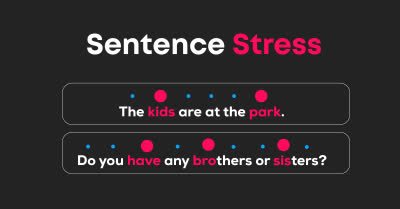
/ˈsen.təns/
(noun) 文, 判決, 刑;
(verb) 判決を下す, 刑を宣告する
例:
Please write a complete sentence.
完全な文を書いてください。
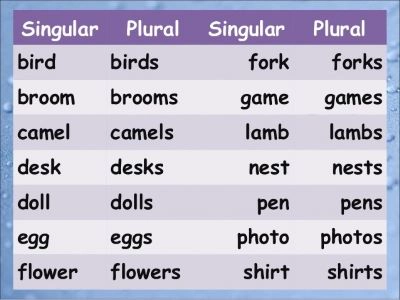
/ˈsɪŋ.ɡjə.lɚ/
(adjective) 単数, 唯一の, 並外れた;
(noun) 単数形
例:
The word 'cat' is a singular noun.
「猫」という単語は単数形の名詞です。
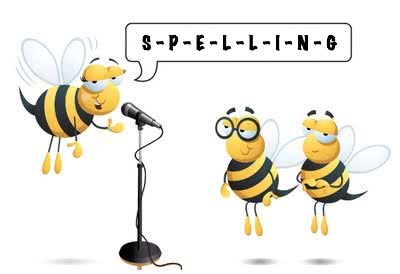
/spel/
(verb) スペルする, 綴る, 招く;
(noun) 呪文, 魔法, 期間
例:
Can you spell your name for me?
あなたの名前をスペルできますか?

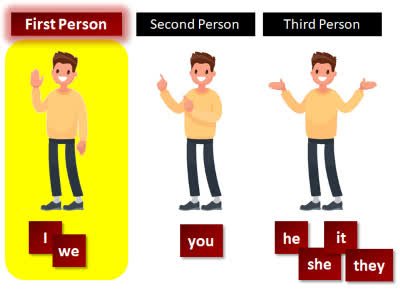
/ðə ˌfɝːst ˈpɝː.sən/
(noun) 一人称
例:
In the sentence 'I am happy,' 'I' is an example of the first person.
「私は幸せです」という文では、「私」は一人称の例です。
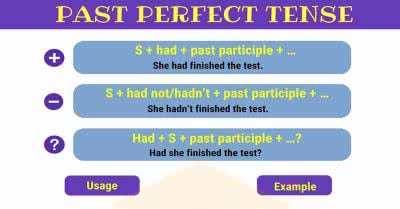
/ðə pæst ˈpɝː.fɪkt/
(noun) 過去完了形
例:
By the time I arrived, they had already eaten.
私が到着した時には、彼らはすでに食べていた。
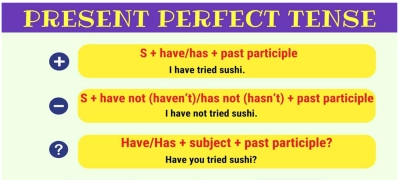
/ˈprez.ənt ˈpɜːr.fɪkt/
(noun) 現在完了形
例:
We use the present perfect to talk about experiences.
経験について話すとき、現在完了形を使います。

/ˈsʌb.dʒekt/
(noun) 主題, 話題, 科目;
(verb) 従わせる, さらす;
(adjective) 〜の対象となる, 〜を受けやすい
例:
The main subject of the meeting was the new budget.
会議の主な議題は新しい予算でした。
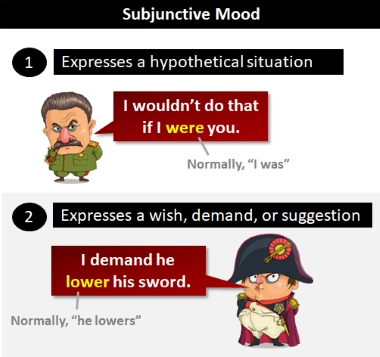
/səbˈdʒʌŋk.tɪv/
(adjective) 仮定法;
(noun) 仮定法
例:
The sentence 'If I were a bird' uses the subjunctive mood.
「もし私が鳥だったら」という文は仮定法を使っています。
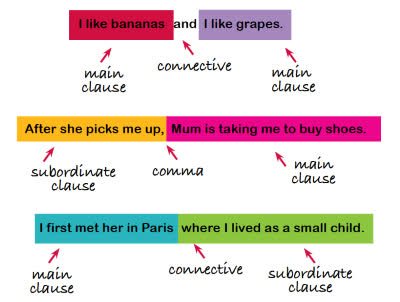
/səˌbɔːrdɪnət ˈklɔːz/
(noun) 従属節
例:
In the sentence 'I will go to the park if it stops raining,' 'if it stops raining' is a subordinate clause.
「雨が止んだら公園に行く」という文では、「雨が止んだら」が従属節です。
/ˈsʌf.ɪks/
(suffix) 接尾辞
例:
The suffix "-ing" is often used to form present participles.
接尾辞「-ing」は現在分詞を形成するためによく使われます。
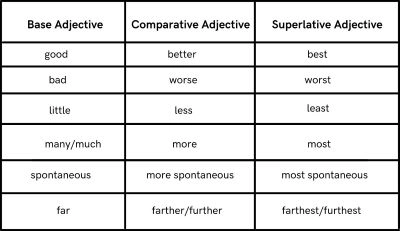
/səˈpɝː.lə.t̬ɪv/
(adjective) 最高の, 最上級の;
(noun) 最上級
例:
The chef prepared a superlative meal for the guests.
シェフは客のために最高の食事を用意した。


/tens/
(adjective) ぴんと張った, 緊張した, 不安な;
(noun) 時制, 動詞の形;
(verb) 緊張させる, こわばる
例:
Her muscles were tense after the long workout.
長い運動の後、彼女の筋肉は緊張していた。
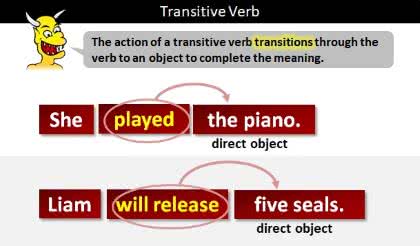
/ˈtræn.sə.t̬ɪv/
(adjective) 他動詞の
例:
The verb 'eat' is transitive because you can 'eat an apple'.
動詞「食べる」は「リンゴを食べる」と言えるので他動詞です。
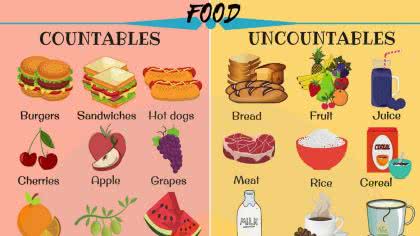
/ʌnˈkaʊn.t̬ə.bəl/
(adjective) 数えきれない, 不可算
例:
The stars in the sky are uncountable.
空の星は数えきれない。
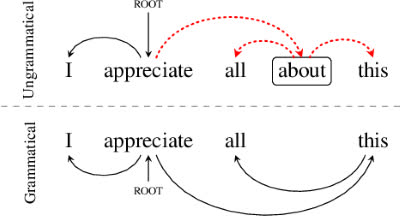
/ˌʌn.ɡrəˈmæt̬.ɪ.kəl/
(adjective) 文法的に誤った, 非文法的な
例:
The sentence 'He don't like it' is ungrammatical.
「He don't like it」という文は文法的に誤っている。

/vɝːb/
(noun) 動詞
例:
In the sentence 'She sings beautifully,' 'sings' is the verb.
「彼女は美しく歌う」という文では、「歌う」が動詞です。
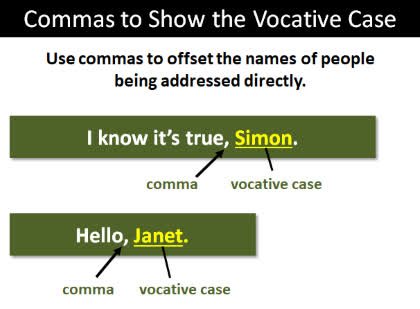
/ˈvɑː.kə.t̬ɪv/
(adjective) 呼格の;
(noun) 呼格
例:
In Latin, 'Brute' in 'Et tu, Brute?' is in the vocative case.
ラテン語では、「Et tu, Brute?」の「Brute」は呼格です。

/vɔɪs/
(noun) 声, 発言権, 意見;
(verb) 表明する, 述べる
例:
Her voice was clear and strong.
彼女の声は澄んでいて力強かった。

/wɝːd/
(noun) 単語, 言葉, 伝言;
(verb) 言葉にする, 表現する
例:
The teacher asked the students to spell a difficult word.
先生は生徒たちに難しい単語を綴るように頼んだ。