
词汇集 语法 4(属于 语言):完整且详细的清单
词汇集「语法 4」(属于「语言」)从国际标准教材来源精心挑选,帮助您在短时间内掌握词汇。全面汇整定义、例句及标准发音…
在 Lingoland 学习此词汇集
立即学习
/rɪˈflek.sɪv/
(adjective) 反身的, 反射性的, 无意识的
示例:
In 'She taught herself to play the piano,' 'herself' is a reflexive pronoun.
在“她教自己弹钢琴”中,“自己”是反身代词。

/ˈreɡ.jə.lɚ/
(adjective) 定期的, 普通的, 规则的;
(noun) 常客, 老主顾
示例:
She makes regular visits to her grandmother.
她定期去看望她的祖母。

/ˈrel.ə.t̬ɪv/
(adjective) 相对的, 相关的, 有关的;
(noun) 亲戚, 家属
示例:
The cost is relative to the quality.
成本与质量相关。

/ˈrel.ə.tɪv ˌklɔːz/
(noun) 关系从句
示例:
The man who lives next door is a doctor.
住在隔壁的男人是医生。
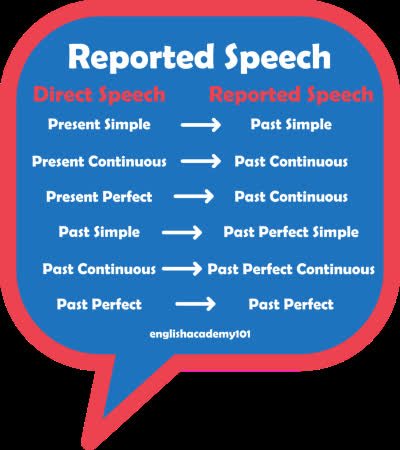
/rɪˌpɔːrtɪd ˈspiːtʃ/
(noun) 间接引语, 转述句
示例:
When you use reported speech, you often change the tense of the verbs.
当你使用间接引语时,你经常改变动词的时态。
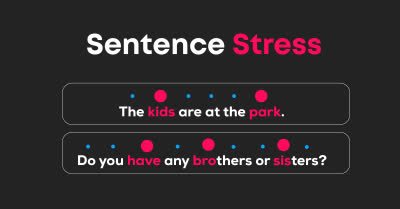
/ˈsen.təns/
(noun) 句子, 判决, 刑罚;
(verb) 判决, 宣判
示例:
Please write a complete sentence.
请写一个完整的句子。
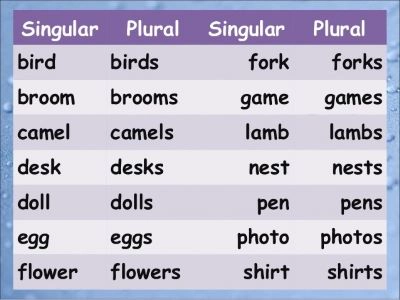
/ˈsɪŋ.ɡjə.lɚ/
(adjective) 单数, 独特的, 非凡的;
(noun) 单数
示例:
The word 'cat' is a singular noun.
“猫”这个词是单数名词。
/spel/
(verb) 拼写, 意味着, 预示着;
(noun) 咒语, 魔力, 一段时间
示例:
Can you spell your name for me?
你能为我拼写你的名字吗?

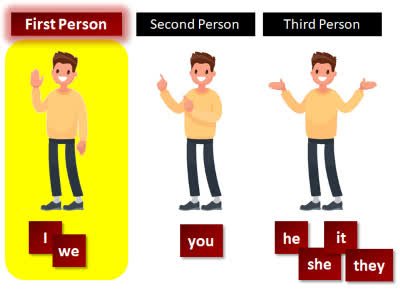
/ðə ˌfɝːst ˈpɝː.sən/
(noun) 第一人称
示例:
In the sentence 'I am happy,' 'I' is an example of the first person.
在句子“我很高兴”中,“我”是第一人称的例子。
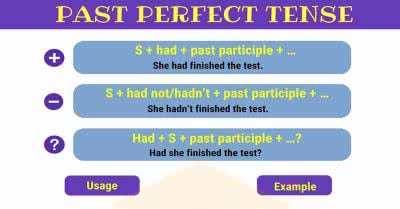
/ðə pæst ˈpɝː.fɪkt/
(noun) 过去完成时
示例:
By the time I arrived, they had already eaten.
我到的时候,他们已经吃过饭了。
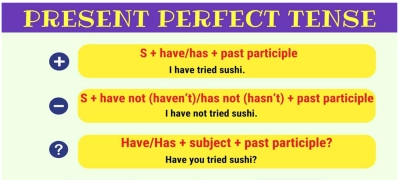
/ˈprez.ənt ˈpɜːr.fɪkt/
(noun) 现在完成时
示例:
We use the present perfect to talk about experiences.
我们用现在完成时来谈论经历。

/ˈsʌb.dʒekt/
(noun) 主题, 话题, 科目;
(verb) 使服从, 使遭受;
(adjective) 易受...影响的, 取决于
示例:
The main subject of the meeting was the new budget.
会议的主要议题是新预算。
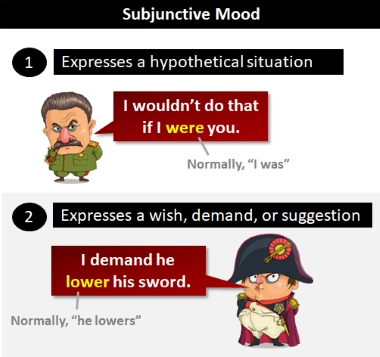
/səbˈdʒʌŋk.tɪv/
(adjective) 虚拟语气;
(noun) 虚拟语气
示例:
The sentence 'If I were a bird' uses the subjunctive mood.
句子“如果我是一只鸟”使用了虚拟语气。
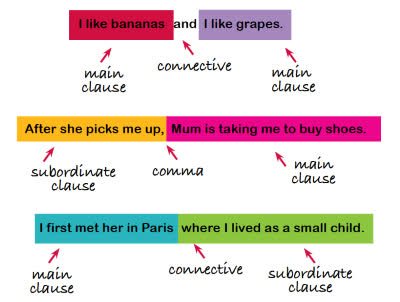
/səˌbɔːrdɪnət ˈklɔːz/
(noun) 从句, 从属子句
示例:
In the sentence 'I will go to the park if it stops raining,' 'if it stops raining' is a subordinate clause.
在句子“如果雨停了,我就去公园”中,“如果雨停了”是一个从句。
/ˈsʌf.ɪks/
(suffix) 后缀
示例:
The suffix "-ing" is often used to form present participles.
后缀“-ing”常用于构成现在分词。
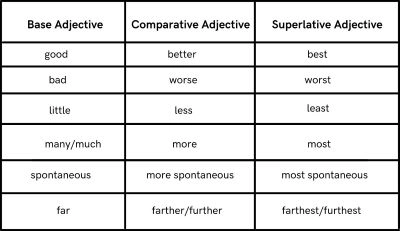
/səˈpɝː.lə.t̬ɪv/
(adjective) 极好的, 超群的;
(noun) 最高级
示例:
The chef prepared a superlative meal for the guests.
厨师为客人们准备了一顿极好的饭菜。


/tens/
(adjective) 紧张的, 绷紧的, 焦虑的;
(noun) 时态, 动词时态;
(verb) 绷紧, 拉紧
示例:
Her muscles were tense after the long workout.
长时间锻炼后,她的肌肉很紧张。
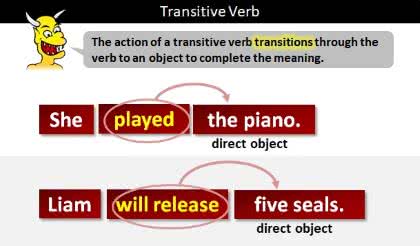
/ˈtræn.sə.t̬ɪv/
(adjective) 及物的
示例:
The verb 'eat' is transitive because you can 'eat an apple'.
动词“吃”是及物动词,因为你可以说“吃一个苹果”。
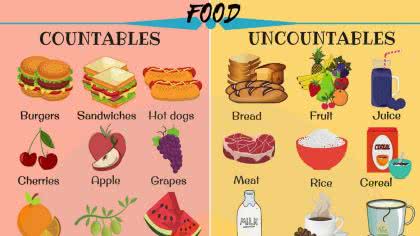
/ʌnˈkaʊn.t̬ə.bəl/
(adjective) 数不清的, 不可数的
示例:
The stars in the sky are uncountable.
天上的星星数不清。
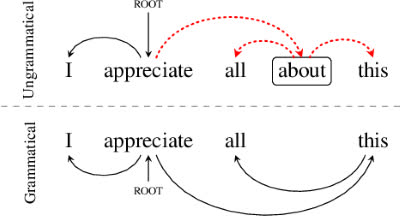
/ˌʌn.ɡrəˈmæt̬.ɪ.kəl/
(adjective) 不合语法的
示例:
The sentence 'He don't like it' is ungrammatical.
“He don't like it”这个句子是不合语法的。

/vɝːb/
(noun) 动词
示例:
In the sentence 'She sings beautifully,' 'sings' is the verb.
在句子“她唱得很美”中,“唱”是动词。
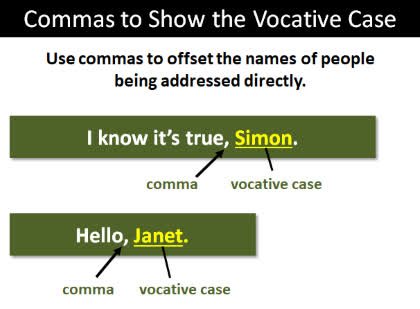
/ˈvɑː.kə.t̬ɪv/
(adjective) 呼格的;
(noun) 呼格
示例:
In Latin, 'Brute' in 'Et tu, Brute?' is in the vocative case.
在拉丁语中,'Et tu, Brute?' 中的 'Brute' 处于呼格。


/wɝːd/
(noun) 单词, 词, 消息;
(verb) 措辞, 表达
示例:
The teacher asked the students to spell a difficult word.
老师要求学生拼写一个难的单词。