
Avatar of Vocabulary Set กริยาผสมมีทั้งความหมายที่เป็นรูปธรรมและเชิงกายภาพ

ชุดคำศัพท์ กริยาผสมมีทั้งความหมายที่เป็นรูปธรรมและเชิงกายภาพ ในชุด คำศัพท์ SAT ที่จำเป็นสำหรับการสอบ: รายการเต็มรูปแบบและละเอียด

ชุดคำศัพท์ 'กริยาผสมมีทั้งความหมายที่เป็นรูปธรรมและเชิงกายภาพ' ในชุด 'คำศัพท์ SAT ที่จำเป็นสำหรับการสอบ' คัดเลือกอย่างพิถีพิถันจากแหล่งตำราสากลมาตรฐาน ช่วยให้คุณเชี่ยวชาญคำศัพท์ในเวลาอันสั้น รวมคำนิยาม ตัวอย่างประกอบ และการออกเสียงมาตรฐาน...

เรียนชุดคำศัพท์นี้ที่ Lingoland

เรียนเลย

call out

/kɔːl aʊt/

(phrasal verb) เรียก, ตะโกน, ตำหนิ

ตัวอย่าง:

She had to call out his name several times before he heard her.
เธอต้องเรียกชื่อเขาหลายครั้งกว่าเขาจะได้ยิน

bring on

/brɪŋ ɑːn/

(phrasal verb) ทำให้เกิด, นำมาซึ่ง, เข้ามาเลย

ตัวอย่าง:

The stress of the job brought on a severe headache.
ความเครียดจากงานทำให้เกิดอาการปวดหัวอย่างรุนแรง

die out

/daɪ aʊt/

(phrasal verb) สูญพันธุ์, เลือนหายไป

ตัวอย่าง:
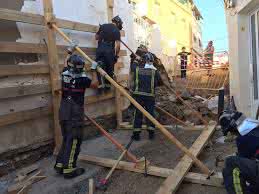
Many species of animals are dying out due to habitat loss.
สัตว์หลายชนิดกำลังสูญพันธุ์เนื่องจากการสูญเสียถิ่นที่อยู่

shore up

/ʃɔːr ʌp/

(phrasal verb) ค้ำจุน, เสริมกำลัง, สนับสนุน

ตัวอย่าง:

The government introduced new policies to shore up the struggling economy.
รัฐบาลได้นำนโยบายใหม่มาใช้เพื่อค้ำจุนเศรษฐกิจที่กำลังประสบปัญหา

break out

/breɪk aʊt/

(phrasal verb) แหกคุก, หลบหนี, ปะทุ

ตัวอย่าง:

Three prisoners broke out of the maximum-security prison last night.
นักโทษสามคนแหกคุกจากเรือนจำความมั่นคงสูงสุดเมื่อคืนนี้

pass down

/pæs daʊn/

(phrasal verb) ส่งต่อ, สืบทอด, ถ่ายทอด

ตัวอย่าง:

The family traditions have been passed down through generations.
ประเพณีของครอบครัวได้ถูกส่งต่อกันมาหลายชั่วอายุคน

breakthrough

/ˈbreɪk.θruː/

(noun) ความก้าวหน้า, การค้นพบที่สำคัญ

ตัวอย่าง:

Scientists announced a major breakthrough in cancer research.
นักวิทยาศาสตร์ประกาศความก้าวหน้าครั้งสำคัญในการวิจัยโรคมะเร็ง

set up

/set ʌp/

(phrasal verb) จัดตั้ง, ติดตั้ง, เตรียม

ตัวอย่าง:

They plan to set up a new business next year.
พวกเขาวางแผนที่จะจัดตั้งธุรกิจใหม่ในปีหน้า

set out

/set aʊt/

(phrasal verb) ออกเดินทาง, เริ่มเดินทาง, จัดแสดง

ตัวอย่าง:

They set out early in the morning to avoid traffic.
พวกเขาออกเดินทางแต่เช้าเพื่อหลีกเลี่ยงการจราจรติดขัด

latch on

/lætʃ ɑːn/

(phrasal verb) เข้าใจ, รับรู้, เกาะติด

ตัวอย่าง:

It took him a while to latch on to the new concept.
เขาใช้เวลาสักพักกว่าจะเข้าใจแนวคิดใหม่

act on

/ækt ɑːn/

(phrasal verb) ดำเนินการตาม, ปฏิบัติตาม, ออกฤทธิ์ต่อ

ตัวอย่าง:

The police decided to act on the tip they received.
ตำรวจตัดสินใจดำเนินการตามข้อมูลที่ได้รับ

branch out

/bræntʃ aʊt/

(phrasal verb) ขยายสาขา, แตกแขนง

ตัวอย่าง:

The company decided to branch out into new markets.
บริษัทตัดสินใจขยายสาขาไปยังตลาดใหม่

pass on

/pæs ɑːn/

(phrasal verb) ส่งต่อ, ส่งผ่าน, เสียชีวิต

ตัวอย่าง:

Please pass on this message to your colleagues.
โปรดส่งต่อข้อความนี้ให้เพื่อนร่วมงานของคุณ

sell out

/sel aʊt/

(phrasal verb) ขายหมด, จำหน่ายหมด, ทรยศ

ตัวอย่าง:

The concert tickets sold out in minutes.
ตั๋วคอนเสิร์ตขายหมดภายในไม่กี่นาที

run out

/rʌn aʊt/

(phrasal verb) หมด, ใช้หมด, หมดอายุ

ตัวอย่าง:

We've run out of milk, so I need to go to the store.
นมเราหมดแล้ว ฉันต้องไปร้านค้า

churn out

/tʃɝːn aʊt/

(phrasal verb) ผลิตออกมาเป็นจำนวนมาก, ทำออกมาอย่างรวดเร็ว

ตัวอย่าง:

The factory continues to churn out thousands of units every day.
โรงงานยังคงผลิตหน่วยสินค้าออกมาเป็นจำนวนมากในทุกๆ วัน

go without

/ɡoʊ wɪðˈaʊt/

(phrasal verb) อด, ไม่มี

ตัวอย่าง:

Some people go without food for days.
บางคนอดอาหารเป็นวันๆ

crank up

/kræŋk ʌp/

(phrasal verb) เพิ่ม, เร่ง

ตัวอย่าง:

Can you crank up the radio? I love this song.
ช่วยเปิดวิทยุให้ดังขึ้นหน่อยได้ไหม ฉันชอบเพลงนี้มาก

bob up

/bɑːb ʌp/

(phrasal verb) โผล่ขึ้นมา, ปรากฏขึ้นอย่างกะทันหัน

ตัวอย่าง:

The cork bobbed up to the surface of the water.
จุกไม้ก๊อกโผล่ขึ้นมาบนผิวน้ำ

reel in

/riːl ɪn/

(phrasal verb) ดึงเข้ามา, ม้วนเข้ามา, ควบคุม

ตัวอย่าง:

He spent an hour trying to reel in the giant tuna.
เขาใช้เวลาหนึ่งชั่วโมงพยายามดึงปลาทูน่ายักษ์เข้ามา

break off

/breɪk ɔf/

(phrasal verb) หักออก, แยกออก, หยุด

ตัวอย่าง:

He managed to break off a piece of the chocolate bar.
เขาจัดการหักช็อกโกแลตบาร์ออกมาได้ชิ้นหนึ่ง

drawback

/ˈdrɑː.bæk/

(noun) ข้อเสีย, ข้อด้อย

ตัวอย่าง:

The main drawback of the plan is its high cost.
ข้อเสียหลักของแผนคือค่าใช้จ่ายสูง

kill off

/kɪl ɔf/

(phrasal verb) กำจัด, ทำให้ตาย, ทำให้ล้มหายตายจาก

ตัวอย่าง:

The new pesticide was designed to kill off all the insects in the garden.
ยาฆ่าแมลงชนิดใหม่ถูกออกแบบมาเพื่อกำจัดแมลงทั้งหมดในสวน

rinse out

/ˌrɪns ˈaʊt/

(phrasal verb) ล้าง, ชะล้าง

ตัวอย่าง:

Please rinse out the shampoo from your hair thoroughly.
กรุณาล้างแชมพูออกจากผมให้สะอาด

strip away

/strɪp əˈweɪ/

(phrasal verb) ลอกออก, ขจัดออก, กำจัด

ตัวอย่าง:

The strong winds stripped away the topsoil.
ลมแรงพัดพาสิ่งปกคลุมออกไปจากหน้าดิน

whip up

/wɪp ʌp/

(phrasal verb) ทำอย่างรวดเร็ว, เตรียมอย่างรวดเร็ว, ปลุกระดม

ตัวอย่าง:

She can whip up a delicious dinner in no time.
เธอสามารถทำอาหารเย็นอร่อยๆ ได้อย่างรวดเร็ว

crowd out

/kraʊd aʊt/

(phrasal verb) เบียดขับ, เบียดบัง

ตัวอย่าง:

Small local shops are being crowded out by large supermarkets.
ร้านค้าท้องถิ่นขนาดเล็กกำลังถูกเบียดขับโดยซูเปอร์มาร์เก็ตขนาดใหญ่

taper off

/ˈteɪ.pɚ ɔːf/

(phrasal verb) ค่อยๆ ลดลง, ซาลง

ตัวอย่าง:

The rain began to taper off in the late afternoon.
ฝนเริ่มซาลงในช่วงบ่ายแก่ๆ

plump up

/plʌmp ʌp/

(phrasal verb) จัดให้ฟูขึ้น, ทำให้พองขึ้น

ตัวอย่าง:

She plumped up the cushions on the sofa.
เธอจัดให้ฟูขึ้นหมอนอิงบนโซฟา

parcel out

/ˈpɑːr.səl aʊt/

(phrasal verb) แบ่งสรรปันส่วน, แบ่งเป็นส่วนๆ

ตัวอย่าง:

The land was parceled out to the local farmers.
ที่ดินถูกแบ่งสรรปันส่วนให้แก่เกษตรกรในท้องถิ่น

look on

/lʊk ɑːn/

(phrasal verb) เฝ้าดู, มองดู, มองว่า

ตัวอย่าง:

Many people just looked on as the accident happened.
หลายคนเพียงแค่เฝ้าดูขณะที่อุบัติเหตุเกิดขึ้น

ward off

/wɔːrd ˈɔːf/

(phrasal verb) ปัดเป่า, ป้องกัน, ขับไล่

ตัวอย่าง:

She carried an umbrella to ward off the sun.
เธอพกร่มเพื่อปัดเป่าแสงแดด

haul off

/hɔːl ɔːf/

(phrasal verb) ง้างมือ, เตรียมชก, ขนออกไป

ตัวอย่าง:

He hauled off and punched the man in the face.
เขาง้างมือแล้วต่อยเข้าที่ใบหน้าของชายคนนั้น

do away with

/duː əˈweɪ wɪð/

(phrasal verb) ยกเลิก, กำจัด, ฆ่า

ตัวอย่าง:

The government plans to do away with the old tax system.
รัฐบาลวางแผนที่จะยกเลิกระบบภาษีเก่า

embark on

/ɪmˈbɑːrk ɑːn/

(phrasal verb) เริ่มต้น, เริ่มดำเนินการ

ตัวอย่าง:

She decided to embark on a new career path.
เธอตัดสินใจเริ่มต้นเส้นทางอาชีพใหม่

prop up

/prɑːp ʌp/

(phrasal verb) ค้ำยัน, หนุน, ค้ำจุน

ตัวอย่าง:

He used a stick to prop up the leaning fence.
เขาใช้ไม้ค้ำยันรั้วที่เอียงอยู่

drop by

/drɑp baɪ/

(phrasal verb) แวะเยี่ยม, แวะมา

ตัวอย่าง:

Feel free to drop by anytime you're in the neighborhood.
แวะมาเยี่ยมได้เลยเมื่อคุณอยู่ในละแวกนี้

pass out

/pæs aʊt/

(phrasal verb) หมดสติ, เป็นลม, แจกจ่าย

ตัวอย่าง:

She felt dizzy and thought she was going to pass out.
เธอรู้สึกเวียนหัวและคิดว่าจะหมดสติ

filter out

/ˈfɪl.tər aʊt/

(phrasal verb) กรองออก, คัดออก

ตัวอย่าง:

The software is designed to filter out spam emails.
ซอฟต์แวร์นี้ถูกออกแบบมาเพื่อกรองอีเมลขยะออก

blurt out

/blɜːrt aʊt/

(phrasal verb) หลุดปาก, พูดโพล่ง

ตัวอย่าง:

She didn't mean to blurt out the secret, it just slipped out.
เธอไม่ได้ตั้งใจจะหลุดปากบอกความลับ มันแค่หลุดออกมาเอง

line-up

/ˈlaɪn.ʌp/

(noun) รายชื่อ, การจัดแถว, การจัดทีม

ตัวอย่าง:

The festival's line-up includes several famous bands.
รายชื่อศิลปินในเทศกาลประกอบด้วยวงดนตรีชื่อดังหลายวง

hang out

/hæŋ aʊt/

(phrasal verb) ไปเที่ยว, สังสรรค์, ตาก

ตัวอย่าง:

We often hang out at the coffee shop on weekends.
เรามักจะไปเที่ยวที่ร้านกาแฟในวันหยุดสุดสัปดาห์

shut off

/ʃʌt ɔːf/

(phrasal verb) ปิด, ตัด, ดับ

ตัวอย่าง:

Don't forget to shut off the water before you leave.
อย่าลืมปิดน้ำก่อนที่คุณจะออกไป

set off

/set ˈɔːf/

(phrasal verb) ออกเดินทาง, เริ่มเดินทาง, ทำให้เกิด

ตัวอย่าง:
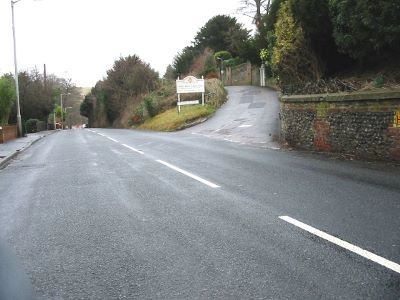
We decided to set off early to avoid traffic.
เราตัดสินใจออกเดินทางแต่เช้าเพื่อหลีกเลี่ยงการจราจรติดขัด

branch off

/bræntʃ ɔːf/

(phrasal verb) แยกออก, แตกแขนง

ตัวอย่าง:

The road branches off to the left after the bridge.
ถนนแยกออกไปทางซ้ายหลังจากข้ามสะพาน

fall apart

/fɔːl əˈpɑːrt/

(phrasal verb) แตกเป็นชิ้นๆ, พัง, พังทลาย

ตัวอย่าง:

The old book started to fall apart as I turned the pages.
หนังสือเก่าเริ่มแตกเป็นชิ้นๆ เมื่อฉันพลิกหน้ากระดาษ
เรียนชุดคำศัพท์นี้ที่ Lingoland