Avatar of Vocabulary Set 文法2

言語 内 文法2 語彙セット:完全かつ詳細なリスト

「言語」内の「文法2」語彙セットは国際標準教材から厳選され、短期間で語彙をマスターできます。定義、例文、標準発音を網羅…

Lingolandでこの語彙セットを学習

今すぐ学習


ending

/ˈen.dɪŋ/

(noun) 結末, 終わり, 語尾

例:

The movie had a surprising ending.
その映画は驚くべき結末だった。

etymological

/ˌet̬.ɪ.məˈlɑː.dʒɪ.kəl/

(adjective) 語源の, 語源学的な

例:

The dictionary includes extensive etymological notes for each word.
その辞書には、各単語の広範な語源の注釈が含まれています。

etymology

/ˌet̬.ɪˈmɑː.lə.dʒi/

(noun) 語源, 語源学

例:

The etymology of the word 'hello' is quite interesting.
「ハロー」という言葉の語源はかなり興味深い。

exclamation

/ˌek.skləˈmeɪ.ʃən/

(noun) 叫び声, 感嘆詞

例:

“Oh no!” was her only exclamation as the vase fell.
「ああ、だめだ!」が花瓶が落ちたときの彼女の唯一の叫び声だった。

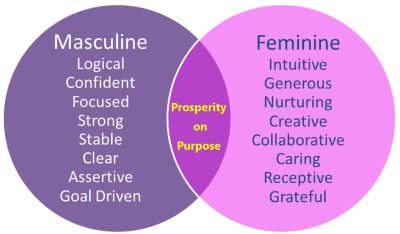
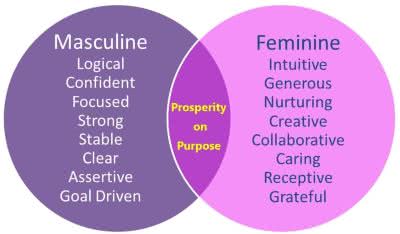
feminine

/ˈfem.ə.nɪn/

(adjective) 女性らしい, 女性の, 婦人向けの

例:

She has a very gentle and feminine voice.
彼女はとても優しくて女性らしい声をしている。

form

/fɔːrm/

(noun) 形, 形態, 用紙;

(verb) 形作る, 形成する, できる

例:
Water can exist in solid, liquid, or gaseous form.
水は固体、液体、気体ので存在できる。

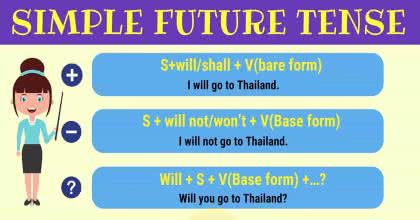
future tense

/ˈfjuː.tʃər ˌtens/

(noun) 未来形

例:

In English, the future tense is often formed with 'will' or 'shall'.
英語では、未来形はしばしば「will」または「shall」で形成されます。

gender

/ˈdʒen.dɚ/

(noun) ジェンダー, 性別, 性;

(verb) 性別化する, 性別を割り当てる

例:

The company is committed to promoting gender equality in the workplace.
その会社は職場でのジェンダー平等を推進することに尽力している。

gender-neutral

/ˈdʒen.dərˌnuː.trəl/

(adjective) 性別にとらわれない, ジェンダーニュートラルな

例:
The company adopted a gender-neutral dress code.
その会社は性別にとらわれない服装規定を採用した。

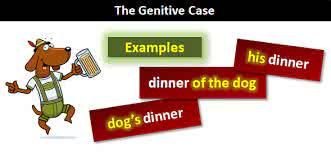
genitive

/ˈdʒen.ə.t̬ɪv/

(adjective) 属格, 所有格;

(noun) 属格

例:

In English, the apostrophe 's' is often used to form the genitive case, as in 'John's book'.
英語では、アポストロフィの「s」は「John's book」のように属格を形成するためによく使われます。

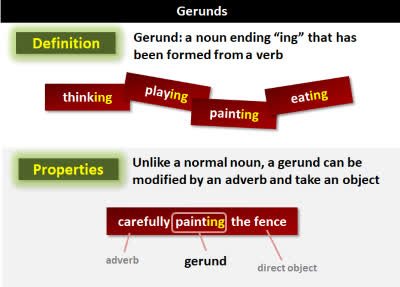
gerund

/ˈdʒer.ənd/

(noun) 動名詞

例:

The word 'swimming' is a gerund in the sentence 'Swimming is good exercise.'
「swimming」という単語は、「Swimming is good exercise.」という文では動名詞です。

grammar

/ˈɡræm.ɚ/

(noun) 文法, 文法書

例:

She has an excellent grasp of English grammar.
彼女は英語の文法をよく理解している。

grammatical

/ɡrəˈmæt̬.ɪ.kəl/

(adjective) 文法的な, 文法に関する

例:

The sentence you wrote is perfectly grammatical.
あなたが書いた文は完全に文法的です。

idiomatic

/ˌɪd.i.əˈmæt̬.ɪk/

(adjective) 慣用的な, 口語的な, 特定の言語に固有の

例:

Her English is very fluent and idiomatic.
彼女の英語は非常に流暢で慣用的な表現が多い。

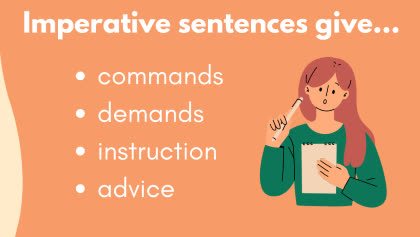
imperative

/ɪmˈper.ə.t̬ɪv/

(adjective) 不可欠な, 緊急の, 必須の;

(noun) 必須事項, 緊急課題, 命令形

例:
It is imperative that we act now.
今すぐ行動することが不可欠です。

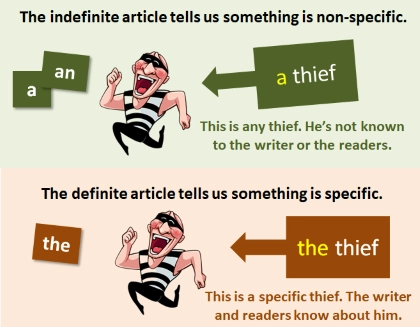
indefinite article

/ɪnˈdɛfɪnɪt ˈɑːrtɪkl/

(noun) 不定冠詞

例:

In the sentence 'I saw a dog,' 'a' is an indefinite article.
「私は犬を見た」という文では、「a」は不定冠詞です。

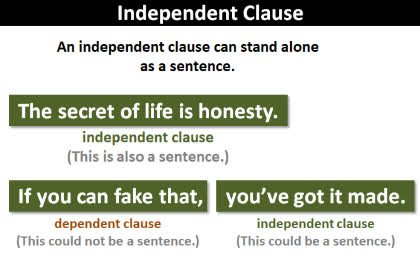
independent clause

/ˌɪndɪˈpendənt klɔːz/

(noun) 独立節, 主節

例:

An independent clause expresses a complete thought.
独立節は完全な思考を表現します。

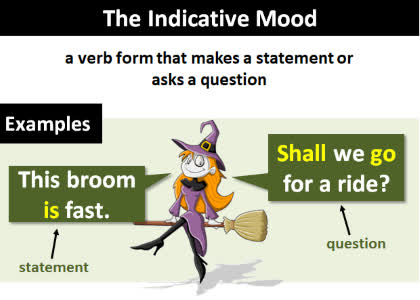
indicative

/ɪnˈdɪk.ə.t̬ɪv/

(adjective) 示唆する, 示す, 直説法;

(noun) 直説法

例:
His poor performance is indicative of a lack of effort.
彼の成績不振は努力不足を示している

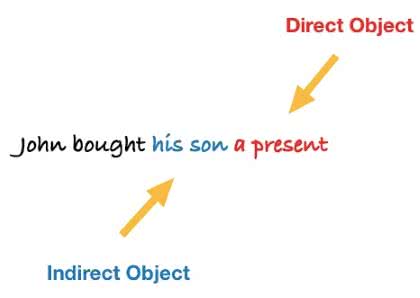
indirect object

/ɪnˌdaɪ.rekt ˈɑːb.dʒekt/

(noun) 間接目的語

例:

In the sentence 'She gave him a book,' 'him' is the indirect object.
「彼女は彼に本をあげた」という文では、「彼に」が間接目的語です。

indirect speech

/ɪnˌdaɪ.rekt ˈspiːtʃ/

(noun) 間接話法

例:

When reporting a conversation, you often use indirect speech.
会話を報告する際には、しばしば間接話法を使います。

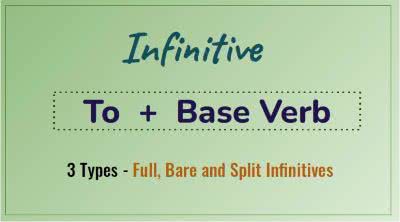
infinitive

/ɪnˈfɪn.ə.t̬ɪv/

(noun) 不定詞

例:

In the sentence 'I want to go home,' 'to go' is an infinitive.
「家に帰りたい」という文では、「帰る」が不定詞です。

inflection

/ɪnˈflek.ʃən/

(noun) 活用, 屈折, 抑揚

例:

The word 'run' has different inflections like 'runs', 'ran', and 'running'.
「run」という単語には、「runs」、「ran」、「running」のような異なる活用形があります。

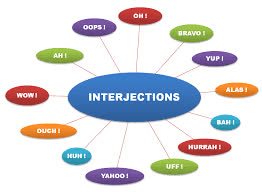
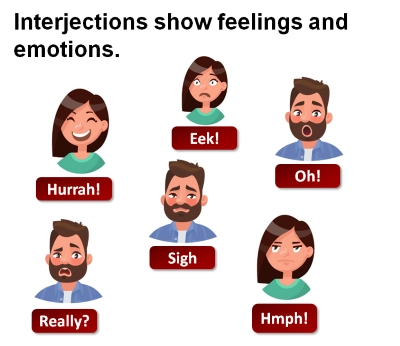
interjection

/ˌɪn.t̬ɚˈdʒek.ʃən/

(noun) 間投詞, 感嘆詞

例:

Ouch!” he cried, after hitting his thumb with a hammer.
痛っ!」彼はハンマーで親指を叩いた後、叫んだ。

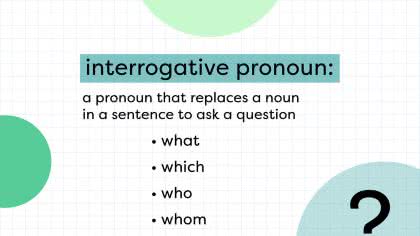
interrogative

/ˌɪn.t̬əˈrɑː.ɡə.t̬ɪv/

(adjective) 疑問の, 質問の;

(noun) 疑問詞, 疑問代名詞

例:
An interrogative sentence usually ends with a question mark.
疑問文は通常、疑問符で終わります。

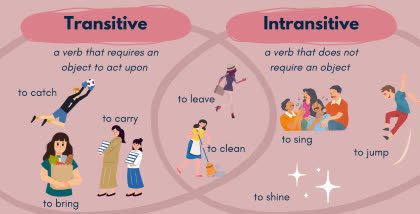
intransitive

/ɪnˈtræn.sə.t̬ɪv/

(adjective) 自動詞の

例:

The verb 'sleep' is intransitive.
動詞「sleep」は自動詞です。

irregular

/ɪˈreɡ.jə.lɚ/

(adjective) 不規則な, 不揃いの, 異常な

例:

The coastline is very irregular, with many coves and inlets.
海岸線は多くの入り江や入り口があり、非常に不規則です。

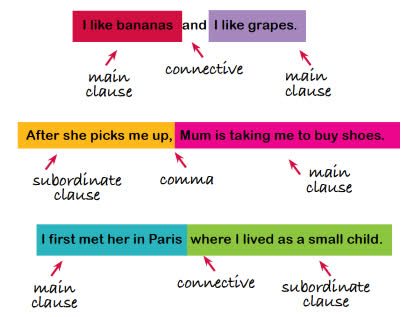
main clause

/meɪn klɔːz/

(noun) 主節

例:

In the sentence 'Although it was raining, we went for a walk,' 'we went for a walk' is the main clause.
「雨が降っていたけれど、私たちは散歩に行った」という文では、「私たちは散歩に行った」が主節です。

masculine

/ˈmæs.kjə.lɪn/

(adjective) 男らしい, 男性的な, 男性形

例:

He has a very masculine voice.
彼はとても男らしい声をしている。

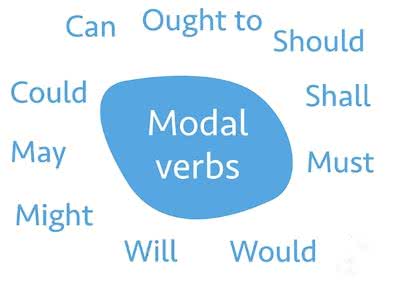
modal

/ˈmoʊ.dəl/

(adjective) 様相の, 形式の, 助動詞の;

(noun) 助動詞

例:
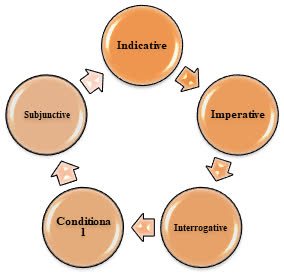
The architect focused on the modal aspects of the building's design.
建築家は建物のデザインの様相的な側面に焦点を当てた。

mood

/muːd/

(noun) 気分, 機嫌, 雰囲気

例:

She's been in a bad mood all day.
彼女は一日中気分が悪かった。

negative

/ˈneɡ.ə.t̬ɪv/

(adjective) 否定的な, 拒否の, 悪影響の;

(noun) 否定, 拒否, ネガ

例:

She gave a negative answer to the proposal.
彼女はその提案に否定的な返事をした。

neuter

/ˈnuː.t̬ɚ/

(adjective) 中性, 去勢された, 避妊された;

(verb) 去勢する, 避妊する;

(noun) 去勢された動物, 避妊された動物

例:
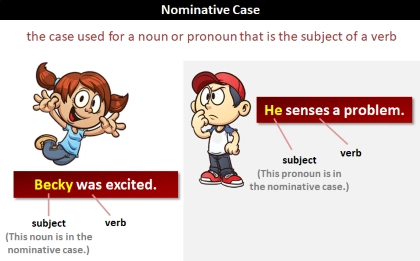
In some languages, inanimate objects are assigned a neuter gender.
一部の言語では、無生物に中性が割り当てられます。

nominative

/ˈnɑː.mə.nə.t̬ɪv/

(adjective) 主格;

(noun) 主格

例:

In Latin, 'puer' is the nominative singular of 'boy'.
ラテン語では、「puer」は「少年」の主格単数形です。

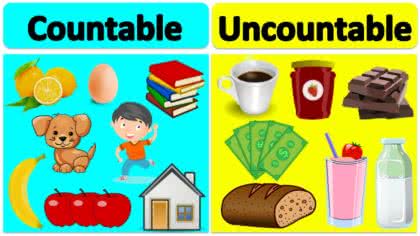
non-count

/ˈnɑːnˌkaʊnt/

(noun) 不可算, 不可算名詞;

(adjective) 不可算の

例:
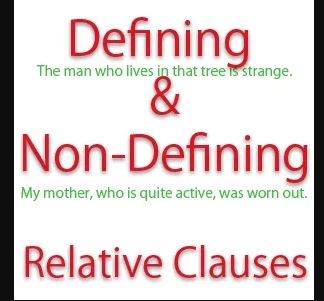
The word 'information' is a non-count noun.
「information」という単語は不可算名詞です。

non-defining

/ˌnɑːn dɪˈfaɪnɪŋ/

(adjective) 非限定的な

例:

My brother, who lives in London, is a doctor.
ロンドンに住んでいる私の兄は医者です。

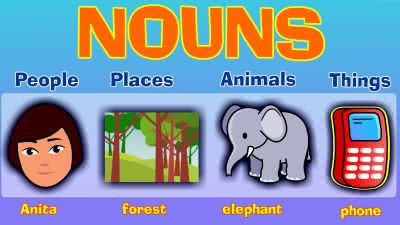
noun

/naʊn/

(noun) 名詞

例:

In the sentence 'The cat sat on the mat,' 'cat' and 'mat' are nouns.
「猫がマットに座った」という文では、「猫」と「マット」は名詞です。

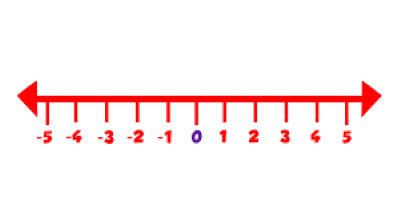
number

/ˈnʌm.bɚ/

(noun) 数, 数字, 番号;

(verb) 数に達する, 総計する, 番号を付ける

例:

Write down your phone number.
電話番号を書いてください。
Lingolandでこの語彙セットを学習