Avatar of Vocabulary Set Grammaire 2

Ensemble de vocabulaire Grammaire 2 dans Langue : Liste complète et détaillée

L'ensemble de vocabulaire 'Grammaire 2' dans 'Langue' est soigneusement sélectionné à partir de sources de manuels internationaux standard, vous aidant à maîtriser le vocabulaire en peu de temps. Compilation complète de définitions, exemples illustratifs et prononciation standard...

Apprendre cet ensemble de vocabulaire sur Lingoland

Apprendre maintenant

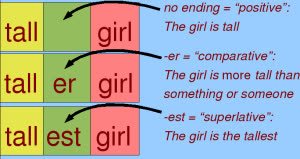
ending

/ˈen.dɪŋ/

(noun) fin, épilogue, terminaison

Exemple:

The movie had a surprising ending.
Le film avait une fin surprenante.

etymological

/ˌet̬.ɪ.məˈlɑː.dʒɪ.kəl/

(adjective) étymologique

Exemple:

The dictionary includes extensive etymological notes for each word.
Le dictionnaire comprend de vastes notes étymologiques pour chaque mot.

etymology

/ˌet̬.ɪˈmɑː.lə.dʒi/

(noun) étymologie

Exemple:

The etymology of the word 'hello' is quite interesting.
L'étymologie du mot 'bonjour' est assez intéressante.

exclamation

/ˌek.skləˈmeɪ.ʃən/

(noun) exclamation, interjection

Exemple:
“Oh no!” was her only exclamation as the vase fell.
« Oh non ! » fut sa seule exclamation lorsque le vase tomba.

feminine

/ˈfem.ə.nɪn/

(adjective) féminin

Exemple:

She has a very gentle and feminine voice.
Elle a une voix très douce et féminine.

form

/fɔːrm/

(noun) forme, type, formulaire;

(verb) former, façonner, se former

Exemple:
Water can exist in solid, liquid, or gaseous form.
L'eau peut exister sous forme solide, liquide ou gazeuse.

future tense

/ˈfjuː.tʃər ˌtens/

(noun) futur

Exemple:

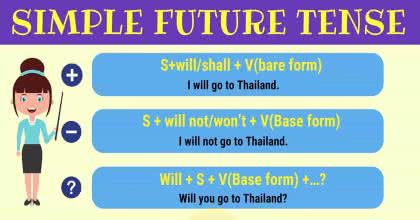
In English, the future tense is often formed with 'will' or 'shall'.
En anglais, le futur est souvent formé avec 'will' ou 'shall'.

gender

/ˈdʒen.dɚ/

(noun) genre, sexe;

(verb) genrer, assigner un genre

Exemple:
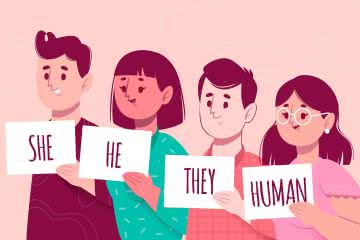
The company is committed to promoting gender equality in the workplace.
L'entreprise s'engage à promouvoir l'égalité des genres sur le lieu de travail.

gender-neutral

/ˈdʒen.dərˌnuː.trəl/

(adjective) non genré, neutre en genre

Exemple:
The company adopted a gender-neutral dress code.
L'entreprise a adopté un code vestimentaire non genré.

genitive

/ˈdʒen.ə.t̬ɪv/

(adjective) génitif, cas possessif;

(noun) génitif

Exemple:
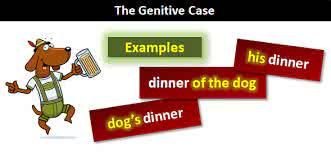
In English, the apostrophe 's' is often used to form the genitive case, as in 'John's book'.
En anglais, l'apostrophe 's' est souvent utilisée pour former le cas génitif, comme dans 'le livre de John'.

gerund

/ˈdʒer.ənd/

(noun) gérondif

Exemple:

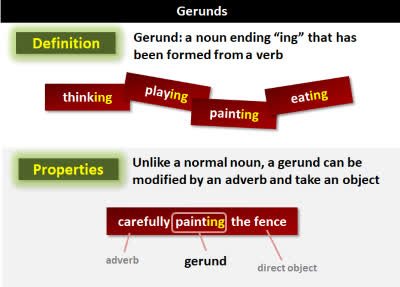
The word 'swimming' is a gerund in the sentence 'Swimming is good exercise.'
Le mot 'swimming' est un gérondif dans la phrase 'Swimming is good exercise.'

grammar

/ˈɡræm.ɚ/

(noun) grammaire, manuel de grammaire

Exemple:
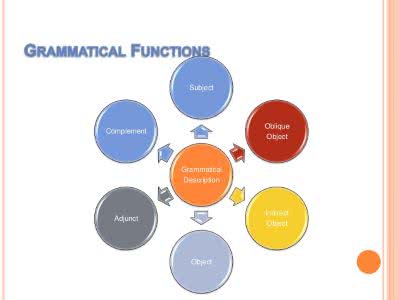
She has an excellent grasp of English grammar.
Elle a une excellente maîtrise de la grammaire anglaise.

grammatical

/ɡrəˈmæt̬.ɪ.kəl/

(adjective) grammatical

Exemple:

The sentence you wrote is perfectly grammatical.
La phrase que vous avez écrite est parfaitement grammaticale.

idiomatic

/ˌɪd.i.əˈmæt̬.ɪk/

(adjective) idiomatique, propre à une langue

Exemple:
Her English is very fluent and idiomatic.
Son anglais est très fluide et idiomatique.

imperative

/ɪmˈper.ə.t̬ɪv/

(adjective) impératif, essentiel, crucial;

(noun) impératif, nécessité, mode impératif

Exemple:
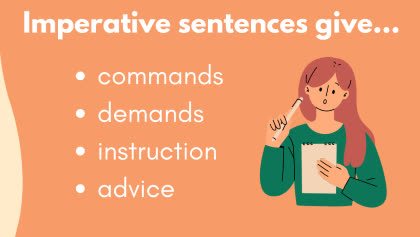
It is imperative that we act now.
Il est impératif que nous agissions maintenant.

indefinite article

/ɪnˈdɛfɪnɪt ˈɑːrtɪkl/

(noun) article indéfini

Exemple:

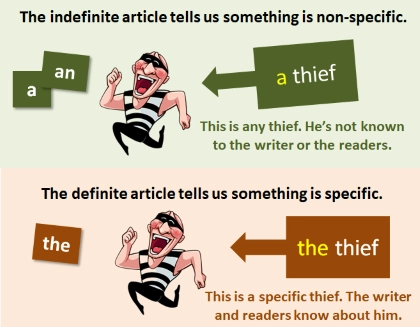
In the sentence 'I saw a dog,' 'a' is an indefinite article.
Dans la phrase 'J'ai vu un chien', 'un' est un article indéfini.

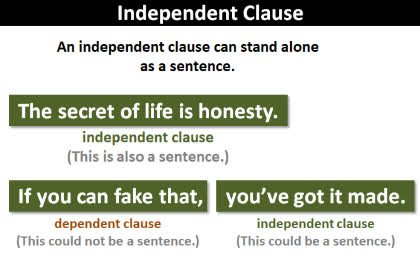
independent clause

/ˌɪndɪˈpendənt klɔːz/

(noun) proposition indépendante, clause indépendante

Exemple:
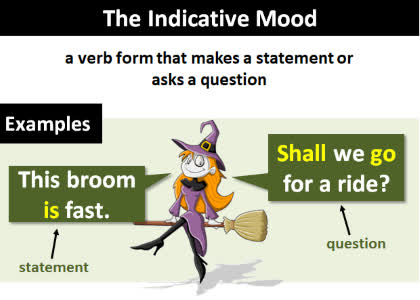
An independent clause expresses a complete thought.
Une proposition indépendante exprime une pensée complète.

indicative

/ɪnˈdɪk.ə.t̬ɪv/

(adjective) indicatif, révélateur;

(noun) indicatif

Exemple:
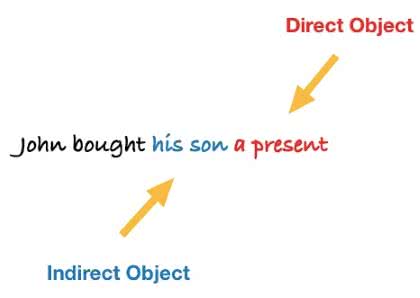
His poor performance is indicative of a lack of effort.
Sa mauvaise performance est indicative d'un manque d'effort.

indirect object

/ɪnˌdaɪ.rekt ˈɑːb.dʒekt/

(noun) complément d'objet indirect

Exemple:
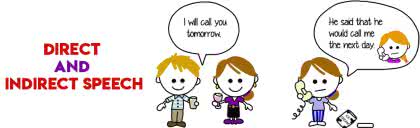
In the sentence 'She gave him a book,' 'him' is the indirect object.
Dans la phrase 'Elle lui a donné un livre', 'lui' est le complément d'objet indirect.

indirect speech

/ɪnˌdaɪ.rekt ˈspiːtʃ/

(noun) discours indirect, style indirect

Exemple:
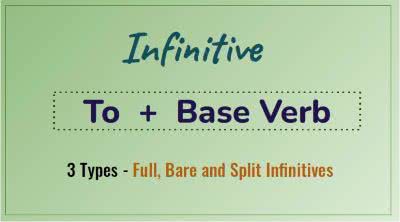
When reporting a conversation, you often use indirect speech.
Lorsque vous rapportez une conversation, vous utilisez souvent le discours indirect.

infinitive

/ɪnˈfɪn.ə.t̬ɪv/

(noun) infinitif

Exemple:

In the sentence 'I want to go home,' 'to go' is an infinitive.
Dans la phrase 'Je veux aller à la maison', 'aller' est un infinitif.

inflection

/ɪnˈflek.ʃən/

(noun) inflexion, flexion, intonation

Exemple:
The word 'run' has different inflections like 'runs', 'ran', and 'running'.
Le mot 'run' a différentes inflexions comme 'runs', 'ran' et 'running'.

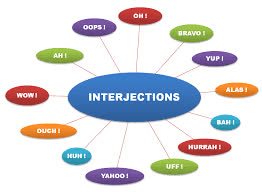
interjection

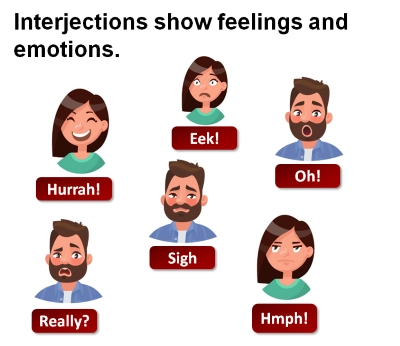
/ˌɪn.t̬ɚˈdʒek.ʃən/

(noun) interjection, exclamation

Exemple:
Ouch!” he cried, after hitting his thumb with a hammer.
« Aïe ! » cria-t-il, après s'être frappé le pouce avec un marteau.

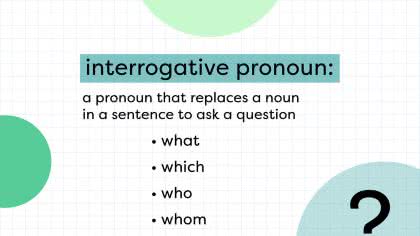
interrogative

/ˌɪn.t̬əˈrɑː.ɡə.t̬ɪv/

(adjective) interrogatif;

(noun) interrogatif, mot interrogatif

Exemple:
An interrogative sentence usually ends with a question mark.
Une phrase interrogative se termine généralement par un point d'interrogation.

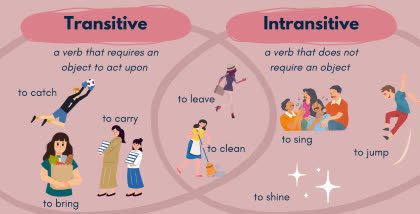
intransitive

/ɪnˈtræn.sə.t̬ɪv/

(adjective) intransitif

Exemple:

The verb 'sleep' is intransitive.
Le verbe 'dormir' est intransitif.

irregular

/ɪˈreɡ.jə.lɚ/

(adjective) irrégulier, inégal, anormal

Exemple:
The coastline is very irregular, with many coves and inlets.
Le littoral est très irrégulier, avec de nombreuses criques et anses.

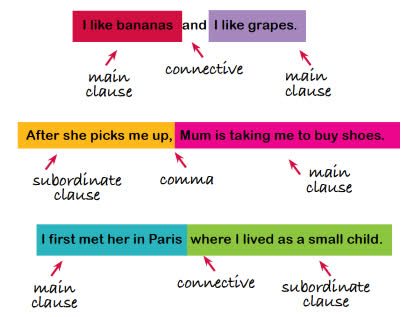
main clause

/meɪn klɔːz/

(noun) proposition principale

Exemple:
In the sentence 'Although it was raining, we went for a walk,' 'we went for a walk' is the main clause.
Dans la phrase 'Bien qu'il pleuvait, nous sommes allés nous promener', 'nous sommes allés nous promener' est la proposition principale.

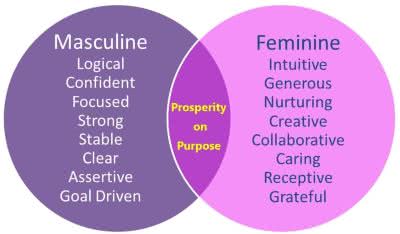
masculine

/ˈmæs.kjə.lɪn/

(adjective) masculin

Exemple:

He has a very masculine voice.
Il a une voix très masculine.

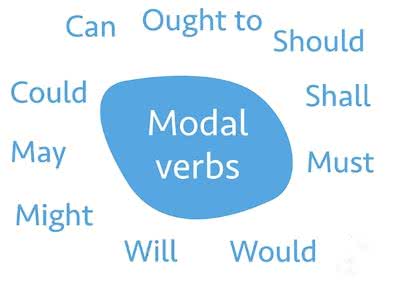
modal

/ˈmoʊ.dəl/

(adjective) modal, de mode;

(noun) modal

Exemple:
The architect focused on the modal aspects of the building's design.
L'architecte s'est concentré sur les aspects modaux de la conception du bâtiment.

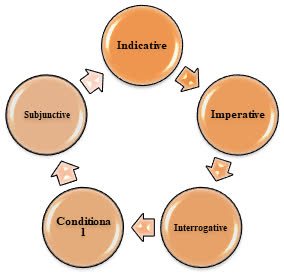
mood

/muːd/

(noun) humeur, état d'esprit, ambiance

Exemple:
She's been in a bad mood all day.
Elle est de mauvaise humeur toute la journée.

negative

/ˈneɡ.ə.t̬ɪv/

(adjective) négatif, de refus, mauvais;

(noun) négatif, refus

Exemple:

She gave a negative answer to the proposal.
Elle a donné une réponse négative à la proposition.

neuter

/ˈnuː.t̬ɚ/

(adjective) neutre, stérilisé, castré;

(verb) stériliser, castrer;

(noun) animal stérilisé, animal castré

Exemple:
In some languages, inanimate objects are assigned a neuter gender.
Dans certaines langues, les objets inanimés se voient attribuer un genre neutre.

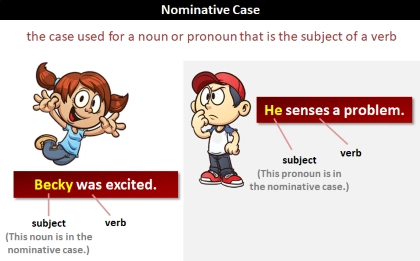
nominative

/ˈnɑː.mə.nə.t̬ɪv/

(adjective) nominatif;

(noun) nominatif

Exemple:
In Latin, 'puer' is the nominative singular of 'boy'.
En latin, 'puer' est le nominatif singulier de 'garçon'.

non-count

/ˈnɑːnˌkaʊnt/

(noun) indénombrable, nom indénombrable;

(adjective) indénombrable

Exemple:
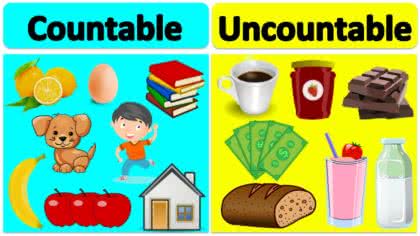
The word 'information' is a non-count noun.
Le mot 'information' est un nom indénombrable.

non-defining

/ˌnɑːn dɪˈfaɪnɪŋ/

(adjective) non-défini, non-restrictif

Exemple:
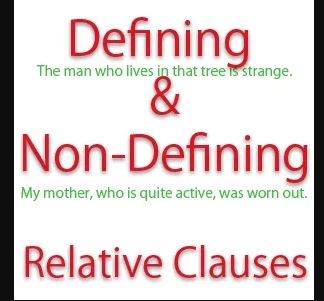
My brother, who lives in London, is a doctor.
Mon frère, qui habite à Londres, est médecin.

noun

/naʊn/

(noun) nom

Exemple:

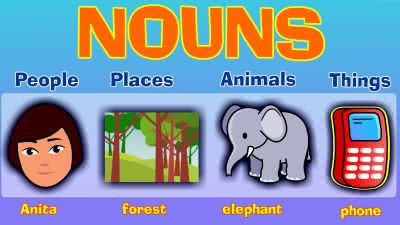
In the sentence 'The cat sat on the mat,' 'cat' and 'mat' are nouns.
Dans la phrase 'Le chat était assis sur le tapis', 'chat' et 'tapis' sont des noms.

number

/ˈnʌm.bɚ/

(noun) nombre, numéro, édition;

(verb) chiffrer, s'élever à, numéroter

Exemple:

Write down your phone number.
Notez votre numéro de téléphone.
Apprendre cet ensemble de vocabulaire sur Lingoland