Avatar of Vocabulary Set 문법 2

언어 내 문법 2 어휘 세트: 완전하고 상세한 목록

'언어' 내 '문법 2' 어휘 세트는 국제 표준 교재 출처에서 엄선되어 짧은 시간 안에 어휘를 마스터할 수 있도록 도와줍니다. 정의, 예문, 표준 발음을 완벽하게 수록...

Lingoland에서 이 어휘 세트 학습하기

지금 학습하기


ending

/ˈen.dɪŋ/

(noun) 결말, 끝, 어미

예시:

The movie had a surprising ending.
그 영화는 놀라운 결말을 가지고 있었다.

etymological

/ˌet̬.ɪ.məˈlɑː.dʒɪ.kəl/

(adjective) 어원학적인

예시:

The dictionary includes extensive etymological notes for each word.
그 사전은 각 단어에 대한 광범위한 어원학적 주석을 포함하고 있다.

etymology

/ˌet̬.ɪˈmɑː.lə.dʒi/

(noun) 어원, 어원학

예시:

The etymology of the word 'hello' is quite interesting.
'hello'라는 단어의 어원은 꽤 흥미롭다.

exclamation

/ˌek.skləˈmeɪ.ʃən/

(noun) 외침, 감탄사

예시:

“Oh no!” was her only exclamation as the vase fell.
“오 이런!”은 꽃병이 떨어질 때 그녀의 유일한 외침이었다.

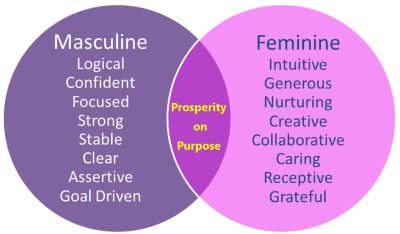
feminine

/ˈfem.ə.nɪn/

(adjective) 여성스러운, 여자의, 여성의

예시:

She has a very gentle and feminine voice.
그녀는 매우 부드럽고 여성스러운 목소리를 가지고 있다.

form

/fɔːrm/

(noun) 형태, 종류, 양식;

(verb) 형성하다, 만들다, 생기다

예시:
Water can exist in solid, liquid, or gaseous form.
물은 고체, 액체, 기체 형태로 존재할 수 있다.

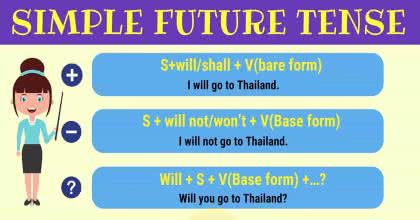
future tense

/ˈfjuː.tʃər ˌtens/

(noun) 미래 시제

예시:

In English, the future tense is often formed with 'will' or 'shall'.
영어에서 미래 시제는 종종 'will' 또는 'shall'로 형성됩니다.

gender

/ˈdʒen.dɚ/

(noun) 성, 성별;

(verb) 성별화하다, 성별을 부여하다

예시:

The company is committed to promoting gender equality in the workplace.
그 회사는 직장에서의 평등을 증진하는 데 전념하고 있다.

gender-neutral

/ˈdʒen.dərˌnuː.trəl/

(adjective) 성 중립적인, 젠더 중립적인

예시:

The company adopted a gender-neutral dress code.
그 회사는 성 중립적인 복장 규정을 채택했다.

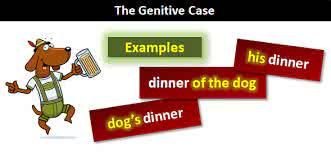
genitive

/ˈdʒen.ə.t̬ɪv/

(adjective) 소유격, 속격;

(noun) 소유격

예시:

In English, the apostrophe 's' is often used to form the genitive case, as in 'John's book'.
영어에서 아포스트로피 's'는 'John's book'처럼 소유격을 형성하는 데 자주 사용됩니다.

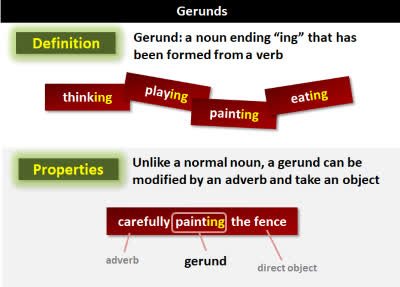
gerund

/ˈdʒer.ənd/

(noun) 동명사

예시:

The word 'swimming' is a gerund in the sentence 'Swimming is good exercise.'
'swimming'이라는 단어는 'Swimming is good exercise.' 문장에서 동명사입니다.

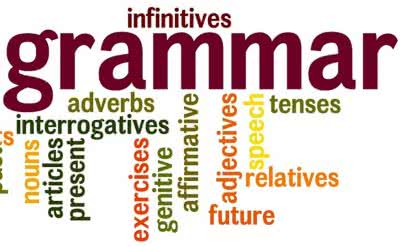
grammar

/ˈɡræm.ɚ/

(noun) 문법, 문법책

예시:

She has an excellent grasp of English grammar.
그녀는 영어 문법을 아주 잘 이해하고 있다.

grammatical

/ɡrəˈmæt̬.ɪ.kəl/

(adjective) 문법적인, 문법의

예시:

The sentence you wrote is perfectly grammatical.
당신이 쓴 문장은 완벽하게 문법적이다.

idiomatic

/ˌɪd.i.əˈmæt̬.ɪk/

(adjective) 관용적인, 특정 언어에 특유한

예시:

Her English is very fluent and idiomatic.
그녀의 영어는 매우 유창하고 관용적이다.

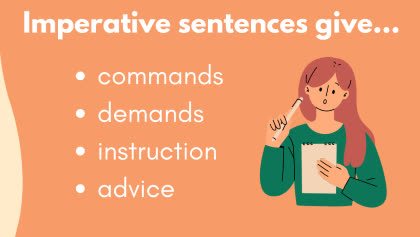
imperative

/ɪmˈper.ə.t̬ɪv/

(adjective) 필수적인, 긴급한, 중요한;

(noun) 필수 사항, 의무, 명령형

예시:
It is imperative that we act now.
지금 행동하는 것이 필수적이다.

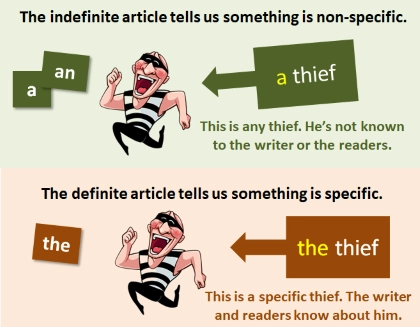
indefinite article

/ɪnˈdɛfɪnɪt ˈɑːrtɪkl/

(noun) 부정관사

예시:

In the sentence 'I saw a dog,' 'a' is an indefinite article.
'나는 개 한 마리를 보았다'라는 문장에서 '한 마리'는 부정관사이다.

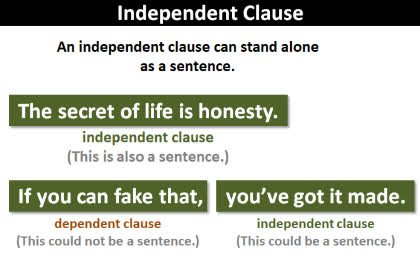
independent clause

/ˌɪndɪˈpendənt klɔːz/

(noun) 독립절, 주절

예시:

An independent clause expresses a complete thought.
독립절은 완전한 생각을 표현한다.

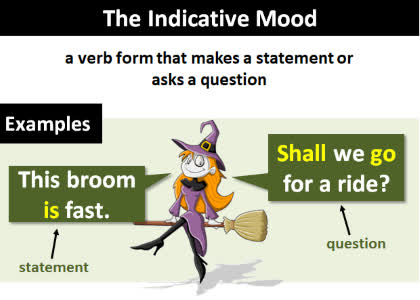
indicative

/ɪnˈdɪk.ə.t̬ɪv/

(adjective) 나타내는, 지표가 되는, 직설법;

(noun) 직설법

예시:
His poor performance is indicative of a lack of effort.
그의 저조한 성과는 노력 부족을 나타낸다.

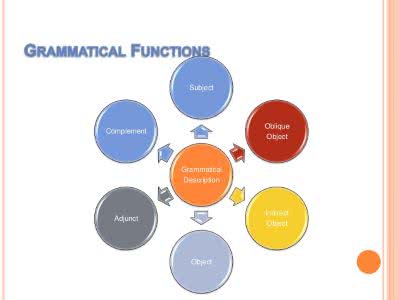
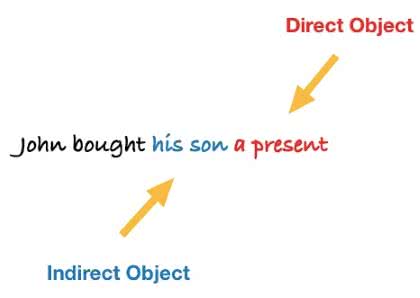
indirect object

/ɪnˌdaɪ.rekt ˈɑːb.dʒekt/

(noun) 간접 목적어

예시:

In the sentence 'She gave him a book,' 'him' is the indirect object.
'그녀는 그에게 책을 주었다'에서 '그에게'는 간접 목적어입니다.

indirect speech

/ɪnˌdaɪ.rekt ˈspiːtʃ/

(noun) 간접 화법

예시:

When reporting a conversation, you often use indirect speech.
대화를 보고할 때, 종종 간접 화법을 사용합니다.

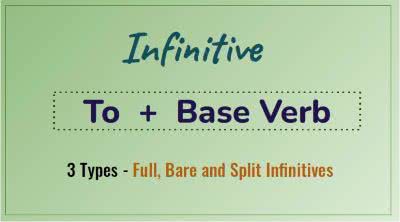
infinitive

/ɪnˈfɪn.ə.t̬ɪv/

(noun) 부정사

예시:

In the sentence 'I want to go home,' 'to go' is an infinitive.
'집에 가고 싶다'는 문장에서 '가다'는 부정사이다.

inflection

/ɪnˈflek.ʃən/

(noun) 굴절, 어미 변화, 억양

예시:

The word 'run' has different inflections like 'runs', 'ran', and 'running'.
'run'이라는 단어는 'runs', 'ran', 'running'과 같은 다양한 굴절을 가지고 있습니다.

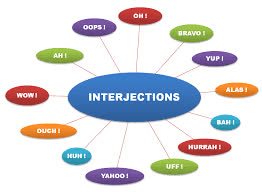
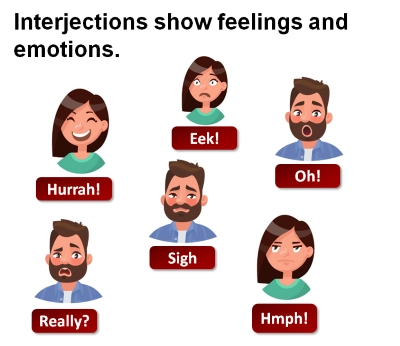
interjection

/ˌɪn.t̬ɚˈdʒek.ʃən/

(noun) 감탄사, 간투사

예시:

Ouch!” he cried, after hitting his thumb with a hammer.
아야!” 그는 망치로 엄지손가락을 때린 후 소리쳤다.

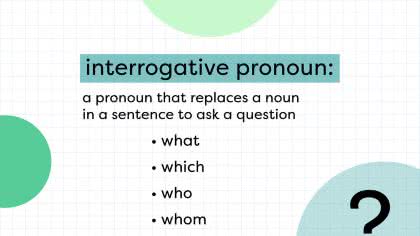
interrogative

/ˌɪn.t̬əˈrɑː.ɡə.t̬ɪv/

(adjective) 의문의, 질문의;

(noun) 의문사, 의문대명사

예시:
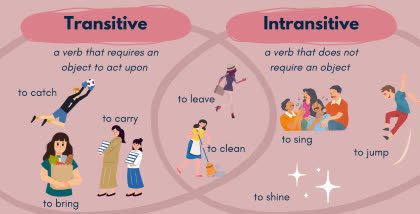
An interrogative sentence usually ends with a question mark.
의문문은 보통 물음표로 끝난다.

intransitive

/ɪnˈtræn.sə.t̬ɪv/

(adjective) 자동사의

예시:

The verb 'sleep' is intransitive.
동사 'sleep'은 자동사이다.

irregular

/ɪˈreɡ.jə.lɚ/

(adjective) 불규칙한, 고르지 않은, 비정상적인

예시:

The coastline is very irregular, with many coves and inlets.
해안선은 많은 작은 만과 입구로 인해 매우 불규칙적이다.

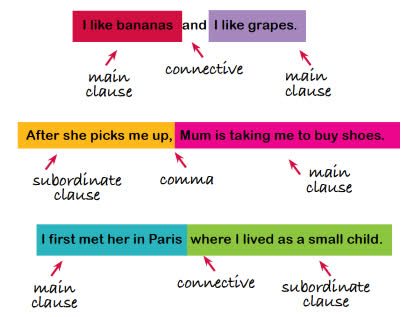
main clause

/meɪn klɔːz/

(noun) 주절

예시:

In the sentence 'Although it was raining, we went for a walk,' 'we went for a walk' is the main clause.
'비가 왔지만, 우리는 산책을 갔다'라는 문장에서 '우리는 산책을 갔다'가 주절이다.

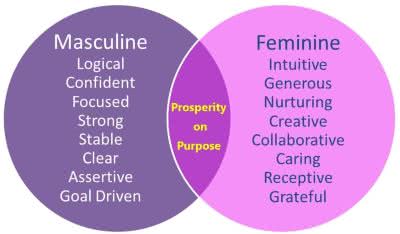
masculine

/ˈmæs.kjə.lɪn/

(adjective) 남성적인, 남자다운, 남성형의

예시:

He has a very masculine voice.
그는 매우 남성적인 목소리를 가지고 있다.

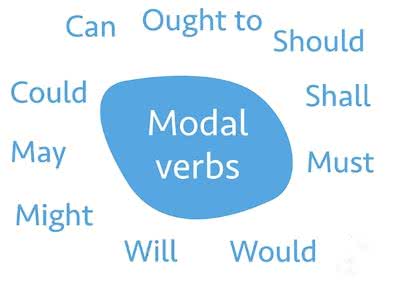
modal

/ˈmoʊ.dəl/

(adjective) 양상의, 형식의, 조동사의;

(noun) 조동사

예시:
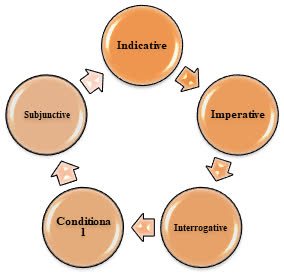
The architect focused on the modal aspects of the building's design.
건축가는 건물 디자인의 양상적 측면에 초점을 맞췄다.

mood

/muːd/

(noun) 기분, 심기, 분위기

예시:

She's been in a bad mood all day.
그녀는 하루 종일 기분이 안 좋았어.

negative

/ˈneɡ.ə.t̬ɪv/

(adjective) 부정적인, 거부하는, 해로운;

(noun) 부정, 거부, 네거티브

예시:

She gave a negative answer to the proposal.
그녀는 그 제안에 부정적인 답변을 했다.

neuter

/ˈnuː.t̬ɚ/

(adjective) 중성, 중성화된;

(verb) 중성화하다;

(noun) 중성화된 동물

예시:
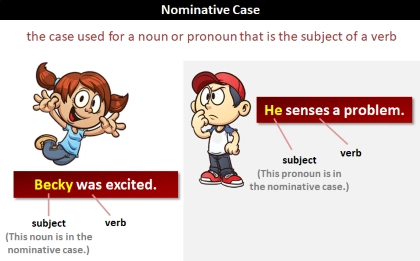
In some languages, inanimate objects are assigned a neuter gender.
일부 언어에서는 무생물에 중성이 부여됩니다.

nominative

/ˈnɑː.mə.nə.t̬ɪv/

(adjective) 주격;

(noun) 주격

예시:

In Latin, 'puer' is the nominative singular of 'boy'.
라틴어에서 'puer'는 '소년'의 주격 단수형이다.

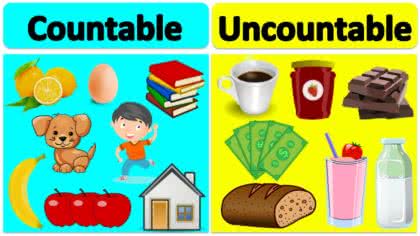
non-count

/ˈnɑːnˌkaʊnt/

(noun) 셀 수 없는, 불가산 명사;

(adjective) 셀 수 없는

예시:
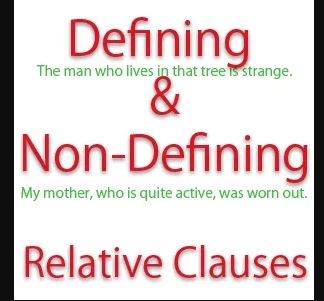
The word 'information' is a non-count noun.
'information'이라는 단어는 셀 수 없는 명사입니다.

non-defining

/ˌnɑːn dɪˈfaɪnɪŋ/

(adjective) 비제한적인

예시:

My brother, who lives in London, is a doctor.
런던에 사는 우리 형은 의사다.

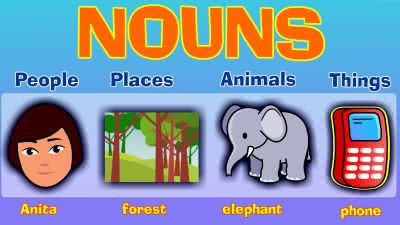
noun

/naʊn/

(noun) 명사

예시:

In the sentence 'The cat sat on the mat,' 'cat' and 'mat' are nouns.
'고양이가 매트 위에 앉았다'라는 문장에서 '고양이'와 '매트'는 명사이다.

number

/ˈnʌm.bɚ/

(noun) 수, 숫자, 번호;

(verb) 수에 달하다, 총계하다, 번호를 매기다

예시:

Write down your phone number.
전화번호를 적어주세요.
Lingoland에서 이 어휘 세트 학습하기