Avatar of Vocabulary Set 語法2

詞彙集 語法2(屬於 語言):完整且詳細的清單

詞彙集「語法2」(屬於「語言」)從國際標準教材來源精心挑選,幫助您在短時間內掌握詞彙。全面彙整定義、例句及標準發音…

在 Lingoland 學習此詞彙集

立即學習


ending

/ˈen.dɪŋ/

(noun) 結局, 結尾, 詞尾

範例:

The movie had a surprising ending.
這部電影有一個令人驚訝的結局

etymological

/ˌet̬.ɪ.məˈlɑː.dʒɪ.kəl/

(adjective) 詞源的, 語源的

範例:

The dictionary includes extensive etymological notes for each word.
這本詞典包含每個單詞的詳細詞源註釋。

etymology

/ˌet̬.ɪˈmɑː.lə.dʒi/

(noun) 詞源學, 詞源

範例:

The etymology of the word 'hello' is quite interesting.
“你好”這個詞的詞源很有趣。

exclamation

/ˌek.skləˈmeɪ.ʃən/

(noun) 感嘆詞, 驚呼

範例:

“Oh no!” was her only exclamation as the vase fell.
“哦不!”是花瓶掉落時她唯一的驚呼

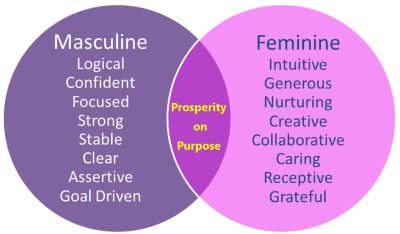
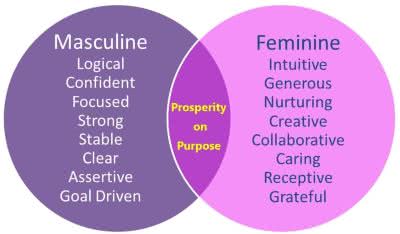
feminine

/ˈfem.ə.nɪn/

(adjective) 女性的, 女性化的, 婦女的

範例:

She has a very gentle and feminine voice.
她有一個非常溫柔和女性化的聲音。

form

/fɔːrm/

(noun) 形式, 種類, 表格;

(verb) 形成, 塑造, 發展

範例:
Water can exist in solid, liquid, or gaseous form.
水可以以固體、液體或氣體形式存在。

future tense

/ˈfjuː.tʃər ˌtens/

(noun) 將來時

範例:

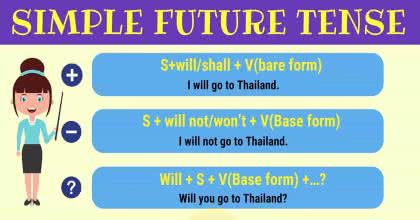
In English, the future tense is often formed with 'will' or 'shall'.
在英語中,將來時通常用“will”或“shall”構成。

gender

/ˈdʒen.dɚ/

(noun) 性別, 社會性別;

(verb) 性別化, 賦予性別

範例:

The company is committed to promoting gender equality in the workplace.
公司致力於促進工作場所的性別平等。

gender-neutral

/ˈdʒen.dərˌnuː.trəl/

(adjective) 性別中立的, 無性別區分的

範例:

The company adopted a gender-neutral dress code.
該公司採用了性別中立的著裝規範。

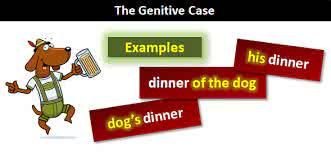
genitive

/ˈdʒen.ə.t̬ɪv/

(adjective) 屬格, 所有格;

(noun) 屬格

範例:

In English, the apostrophe 's' is often used to form the genitive case, as in 'John's book'.
在英語中,撇號“s”常用於構成屬格,如“John's book”。

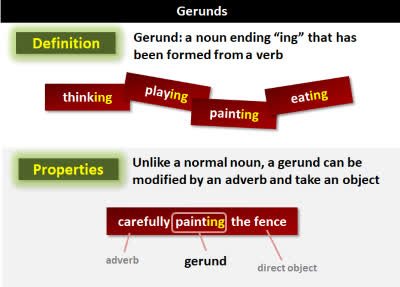
gerund

/ˈdʒer.ənd/

(noun) 動名詞

範例:

The word 'swimming' is a gerund in the sentence 'Swimming is good exercise.'
單詞“swimming”在句子“Swimming is good exercise.”中是一個動名詞

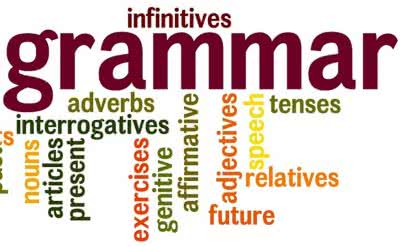
grammar

/ˈɡræm.ɚ/

(noun) 語法, 語法書

範例:

She has an excellent grasp of English grammar.
她對英語語法有很好的掌握。

grammatical

/ɡrəˈmæt̬.ɪ.kəl/

(adjective) 語法的, 符合語法的

範例:

The sentence you wrote is perfectly grammatical.
你寫的句子完全符合語法

idiomatic

/ˌɪd.i.əˈmæt̬.ɪk/

(adjective) 地道的, 慣用的, 特定語言的

範例:

Her English is very fluent and idiomatic.
她的英語非常流利且地道

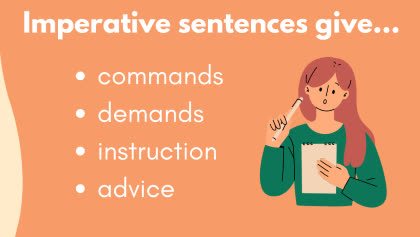
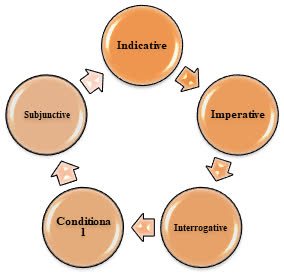
imperative

/ɪmˈper.ə.t̬ɪv/

(adjective) 緊急的, 迫切的, 勢在必行的;

(noun) 當務之急, 必要條件, 祈使語氣

範例:
It is imperative that we act now.
我們現在行動是當務之急

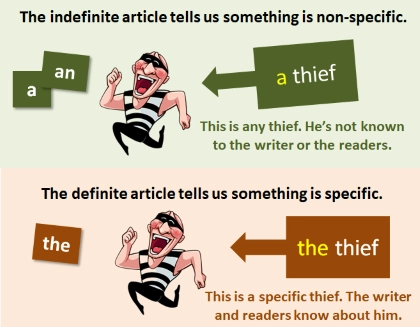
indefinite article

/ɪnˈdɛfɪnɪt ˈɑːrtɪkl/

(noun) 不定冠詞

範例:

In the sentence 'I saw a dog,' 'a' is an indefinite article.
在句子「我看到一隻狗」中,「一隻」是不定冠詞

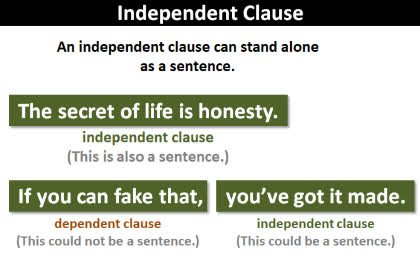
independent clause

/ˌɪndɪˈpendənt klɔːz/

(noun) 獨立子句, 主句

範例:

An independent clause expresses a complete thought.
獨立子句表達一個完整的意思。

indicative

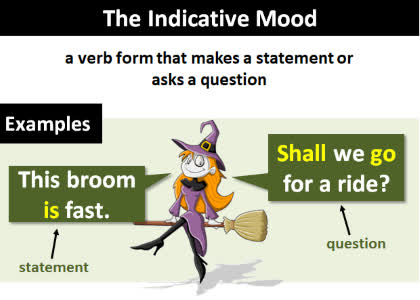
/ɪnˈdɪk.ə.t̬ɪv/

(adjective) 指示的, 象徵的, 陳述語氣;

(noun) 陳述語氣

範例:
His poor performance is indicative of a lack of effort.
他糟糕的表現表明缺乏努力。

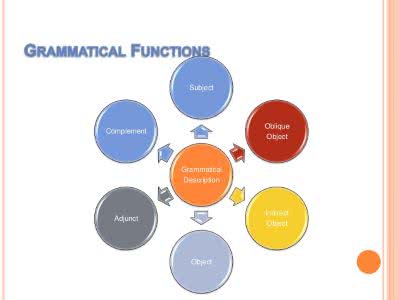
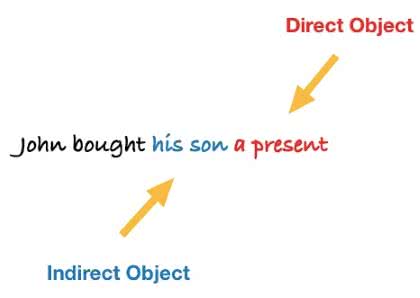
indirect object

/ɪnˌdaɪ.rekt ˈɑːb.dʒekt/

(noun) 間接賓語

範例:

In the sentence 'She gave him a book,' 'him' is the indirect object.
在句子「她給了一本書」中,「他」是間接賓語

indirect speech

/ɪnˌdaɪ.rekt ˈspiːtʃ/

(noun) 間接引語, 轉述

範例:

When reporting a conversation, you often use indirect speech.
在轉述對話時,你經常使用間接引語

infinitive

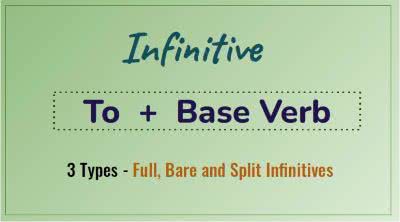
/ɪnˈfɪn.ə.t̬ɪv/

(noun) 不定式

範例:

In the sentence 'I want to go home,' 'to go' is an infinitive.
在句子「我想回家」中,「回家」是不定式

inflection

/ɪnˈflek.ʃən/

(noun) 屈折變化, 詞形變化, 語調

範例:

The word 'run' has different inflections like 'runs', 'ran', and 'running'.
單詞“run”有不同的屈折變化,如“runs”、“ran”和“running”。

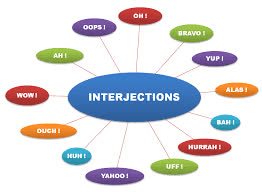
interjection

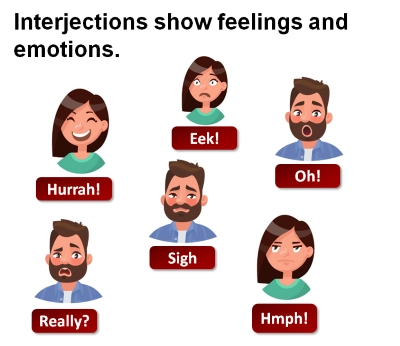
/ˌɪn.t̬ɚˈdʒek.ʃən/

(noun) 感嘆詞, 嘆詞

範例:

Ouch!” he cried, after hitting his thumb with a hammer.
哎喲!」他用錘子砸到拇指後叫道。

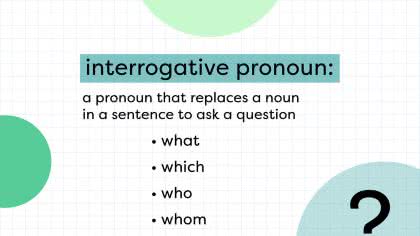
interrogative

/ˌɪn.t̬əˈrɑː.ɡə.t̬ɪv/

(adjective) 疑問的, 質疑的;

(noun) 疑問詞, 疑問代詞

範例:
An interrogative sentence usually ends with a question mark.
疑問句通常以問號結尾。

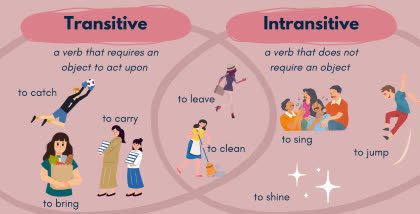
intransitive

/ɪnˈtræn.sə.t̬ɪv/

(adjective) 不及物的

範例:

The verb 'sleep' is intransitive.
動詞“sleep”是不及物動詞

irregular

/ɪˈreɡ.jə.lɚ/

(adjective) 不規則的, 不平坦的, 異常的

範例:

The coastline is very irregular, with many coves and inlets.
海岸線非常不規則,有許多海灣和入口。

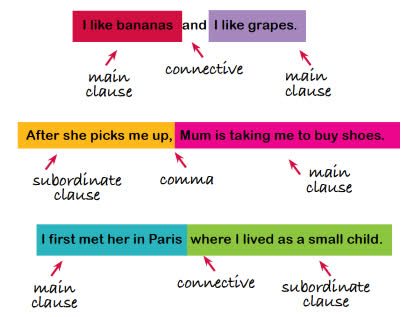
main clause

/meɪn klɔːz/

(noun) 主句

範例:

In the sentence 'Although it was raining, we went for a walk,' 'we went for a walk' is the main clause.
在句子「雖然下雨了,我們還是去散步了」中,「我們還是去散步了」是主句

masculine

/ˈmæs.kjə.lɪn/

(adjective) 男性化的, 有男子氣概的, 陽性的

範例:

He has a very masculine voice.
他有一個非常男性化的聲音。

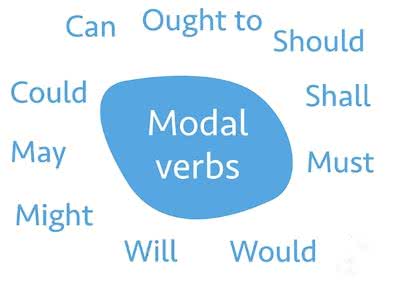
modal

/ˈmoʊ.dəl/

(adjective) 模態的, 形式的, 情態的;

(noun) 情態動詞

範例:
The architect focused on the modal aspects of the building's design.
建築師專注於建築設計的模態方面。

mood

/muːd/

(noun) 心情, 情緒, 氛圍

範例:

She's been in a bad mood all day.
她一整天都心情不好。

negative

/ˈneɡ.ə.t̬ɪv/

(adjective) 否定的, 消極的, 負面的;

(noun) 否定, 拒絕, 底片

範例:

She gave a negative answer to the proposal.
她對這個提議給出了否定的答覆。

neuter

/ˈnuː.t̬ɚ/

(adjective) 中性, 絕育的, 閹割的;

(verb) 絕育, 閹割;

(noun) 絕育動物, 閹割動物

範例:
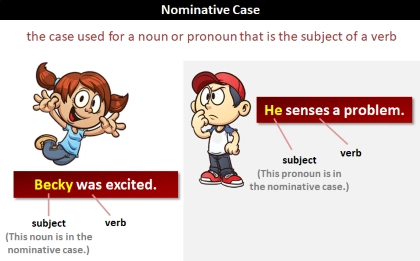
In some languages, inanimate objects are assigned a neuter gender.
在某些語言中,無生命物體被賦予中性

nominative

/ˈnɑː.mə.nə.t̬ɪv/

(adjective) 主格;

(noun) 主格

範例:

In Latin, 'puer' is the nominative singular of 'boy'.
在拉丁語中,'puer'是'男孩'的主格單數形式。

non-count

/ˈnɑːnˌkaʊnt/

(noun) 不可數, 不可數名詞;

(adjective) 不可數

範例:
The word 'information' is a non-count noun.
“information”這個詞是不可數名詞。

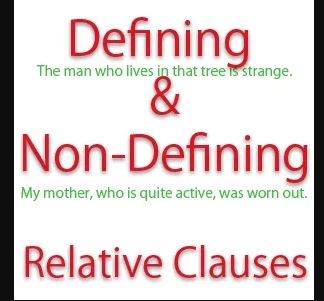
non-defining

/ˌnɑːn dɪˈfaɪnɪŋ/

(adjective) 非限定性的

範例:

My brother, who lives in London, is a doctor.
我哥哥,住在倫敦的那個,是一名醫生。

noun

/naʊn/

(noun) 名詞

範例:

In the sentence 'The cat sat on the mat,' 'cat' and 'mat' are nouns.
在句子「貓坐在墊子上」中,「貓」和「墊子」是名詞

number

/ˈnʌm.bɚ/

(noun) 數字, 號碼, 數量;

(verb) 達到, 總計, 編號

範例:

Write down your phone number.
寫下你的電話號碼。
在 Lingoland 學習此詞彙集