Avatar of Vocabulary Set Gramática 2

Conjunto de vocabulário Gramática 2 em Idioma: Lista completa e detalhada

O conjunto de vocabulário 'Gramática 2' em 'Idioma' é cuidadosamente selecionado de fontes de manuais padrão internacionais, ajudando-o a dominar o vocabulário em pouco tempo. Compilação completa de definições, exemplos ilustrativos e pronúncia padrão...

Aprender este conjunto de vocabulário no Lingoland

Aprender agora

ending

/ˈen.dɪŋ/

(noun) final, desfecho, sufixo

Exemplo:

The movie had a surprising ending.
O filme teve um final surpreendente.

etymological

/ˌet̬.ɪ.məˈlɑː.dʒɪ.kəl/

(adjective) etimológico

Exemplo:

The dictionary includes extensive etymological notes for each word.
O dicionário inclui extensas notas etimológicas para cada palavra.

etymology

/ˌet̬.ɪˈmɑː.lə.dʒi/

(noun) etimologia, origem das palavras

Exemplo:
The etymology of the word 'hello' is quite interesting.
A etimologia da palavra 'olá' é bastante interessante.

exclamation

/ˌek.skləˈmeɪ.ʃən/

(noun) exclamação, interjeição

Exemplo:

“Oh no!” was her only exclamation as the vase fell.
“Oh não!” foi sua única exclamação quando o vaso caiu.

feminine

/ˈfem.ə.nɪn/

(adjective) feminino

Exemplo:

She has a very gentle and feminine voice.
Ela tem uma voz muito suave e feminina.

form

/fɔːrm/

(noun) forma, tipo, formulário;

(verb) formar, moldar, formar-se

Exemplo:
Water can exist in solid, liquid, or gaseous form.
A água pode existir na forma sólida, líquida ou gasosa.

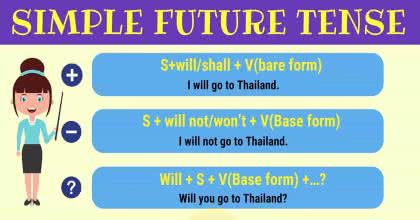
future tense

/ˈfjuː.tʃər ˌtens/

(noun) tempo futuro

Exemplo:

In English, the future tense is often formed with 'will' or 'shall'.
Em inglês, o tempo futuro é frequentemente formado com 'will' ou 'shall'.

gender

/ˈdʒen.dɚ/

(noun) gênero, sexo;

(verb) generificar, atribuir gênero

Exemplo:
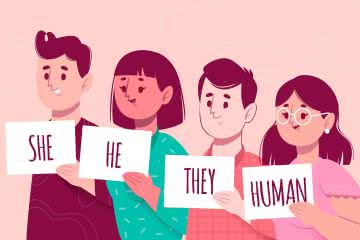
The company is committed to promoting gender equality in the workplace.
A empresa está comprometida em promover a igualdade de gênero no local de trabalho.

gender-neutral

/ˈdʒen.dərˌnuː.trəl/

(adjective) neutro em termos de gênero, gênero neutro

Exemplo:
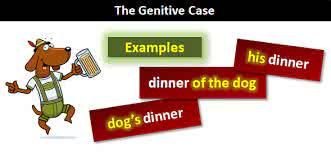
The company adopted a gender-neutral dress code.
A empresa adotou um código de vestimenta neutro em termos de gênero.

genitive

/ˈdʒen.ə.t̬ɪv/

(adjective) genitivo, caso genitivo;

(noun) genitivo

Exemplo:
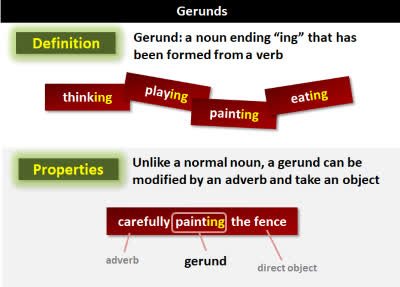
In English, the apostrophe 's' is often used to form the genitive case, as in 'John's book'.
Em inglês, o apóstrofo 's' é frequentemente usado para formar o caso genitivo, como em 'o livro de John'.

gerund

/ˈdʒer.ənd/

(noun) gerúndio

Exemplo:

The word 'swimming' is a gerund in the sentence 'Swimming is good exercise.'
A palavra 'swimming' é um gerúndio na frase 'Swimming is good exercise.'

grammar

/ˈɡræm.ɚ/

(noun) gramática, livro de gramática

Exemplo:
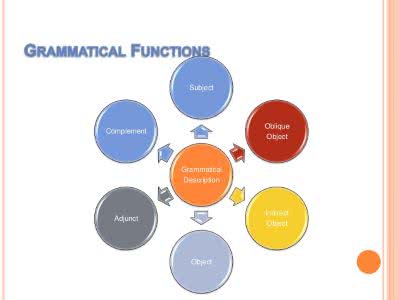
She has an excellent grasp of English grammar.
Ela tem um excelente domínio da gramática inglesa.

grammatical

/ɡrəˈmæt̬.ɪ.kəl/

(adjective) gramatical

Exemplo:

The sentence you wrote is perfectly grammatical.
A frase que você escreveu é perfeitamente gramatical.

idiomatic

/ˌɪd.i.əˈmæt̬.ɪk/

(adjective) idiomático, próprio de uma língua

Exemplo:
Her English is very fluent and idiomatic.
O inglês dela é muito fluente e idiomático.

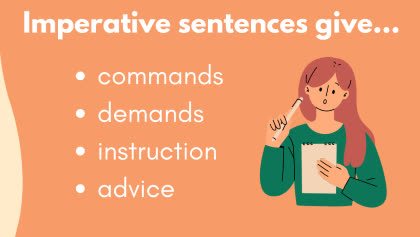
imperative

/ɪmˈper.ə.t̬ɪv/

(adjective) imperativo, essencial, crucial;

(noun) imperativo, necessidade, modo imperativo

Exemplo:
It is imperative that we act now.
É imperativo que ajamos agora.

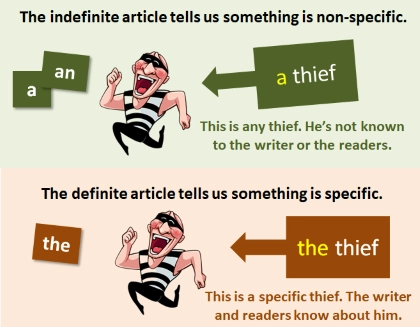
indefinite article

/ɪnˈdɛfɪnɪt ˈɑːrtɪkl/

(noun) artigo indefinido

Exemplo:

In the sentence 'I saw a dog,' 'a' is an indefinite article.
Na frase 'Eu vi um cachorro', 'um' é um artigo indefinido.

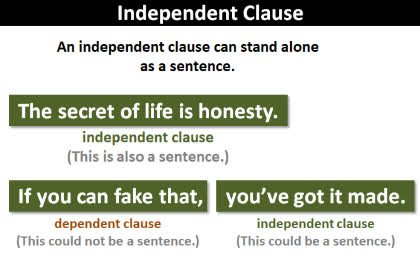
independent clause

/ˌɪndɪˈpendənt klɔːz/

(noun) oração independente, cláusula principal

Exemplo:
An independent clause expresses a complete thought.
Uma oração independente expressa um pensamento completo.

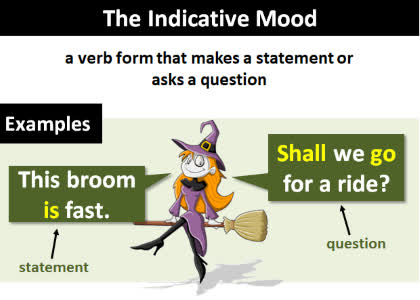
indicative

/ɪnˈdɪk.ə.t̬ɪv/

(adjective) indicativo, revelador;

(noun) indicativo

Exemplo:
His poor performance is indicative of a lack of effort.
Seu baixo desempenho é indicativo de falta de esforço.

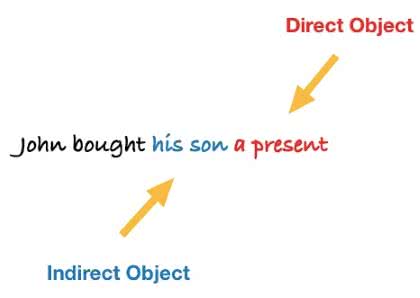
indirect object

/ɪnˌdaɪ.rekt ˈɑːb.dʒekt/

(noun) objeto indireto

Exemplo:

In the sentence 'She gave him a book,' 'him' is the indirect object.
Na frase 'Ela deu a ele um livro', 'a ele' é o objeto indireto.

indirect speech

/ɪnˌdaɪ.rekt ˈspiːtʃ/

(noun) discurso indireto

Exemplo:

When reporting a conversation, you often use indirect speech.
Ao relatar uma conversa, você frequentemente usa o discurso indireto.

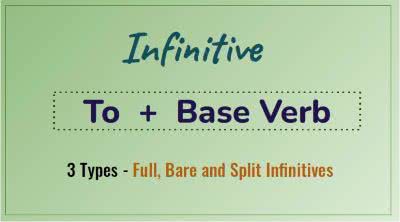
infinitive

/ɪnˈfɪn.ə.t̬ɪv/

(noun) infinitivo

Exemplo:

In the sentence 'I want to go home,' 'to go' is an infinitive.
Na frase 'Eu quero ir para casa', 'ir' é um infinitivo.

inflection

/ɪnˈflek.ʃən/

(noun) flexão, inflexão, modulação da voz

Exemplo:
The word 'run' has different inflections like 'runs', 'ran', and 'running'.
A palavra 'run' tem diferentes flexões como 'runs', 'ran' e 'running'.

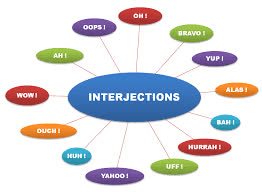
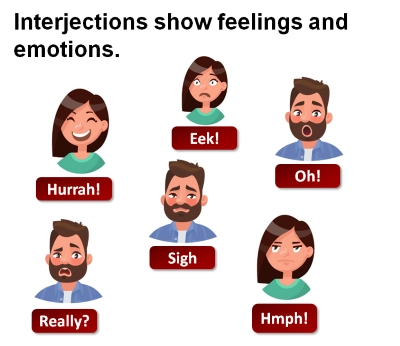
interjection

/ˌɪn.t̬ɚˈdʒek.ʃən/

(noun) interjeição, exclamação

Exemplo:
Ouch!” he cried, after hitting his thumb with a hammer.
Ai!” ele gritou, depois de bater o polegar com um martelo.

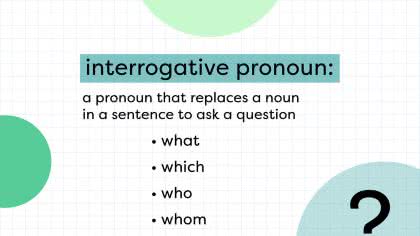
interrogative

/ˌɪn.t̬əˈrɑː.ɡə.t̬ɪv/

(adjective) interrogativo;

(noun) interrogativo, pronome interrogativo

Exemplo:
An interrogative sentence usually ends with a question mark.
Uma frase interrogativa geralmente termina com um ponto de interrogação.

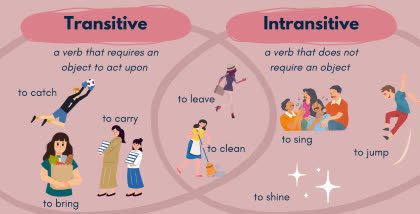
intransitive

/ɪnˈtræn.sə.t̬ɪv/

(adjective) intransitivo

Exemplo:

The verb 'sleep' is intransitive.
O verbo 'dormir' é intransitivo.

irregular

/ɪˈreɡ.jə.lɚ/

(adjective) irregular, desigual, anormal

Exemplo:
The coastline is very irregular, with many coves and inlets.
A costa é muito irregular, com muitas enseadas e entradas.

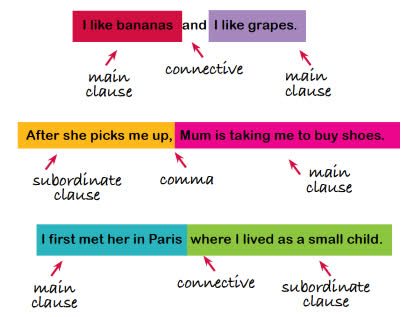
main clause

/meɪn klɔːz/

(noun) oração principal

Exemplo:

In the sentence 'Although it was raining, we went for a walk,' 'we went for a walk' is the main clause.
Na frase 'Embora estivesse chovendo, fomos dar um passeio', 'fomos dar um passeio' é a oração principal.

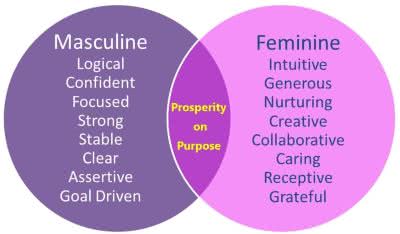
masculine

/ˈmæs.kjə.lɪn/

(adjective) masculino

Exemplo:

He has a very masculine voice.
Ele tem uma voz muito masculina.

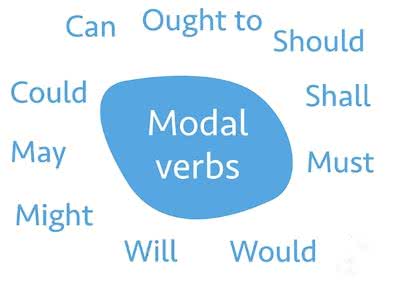
modal

/ˈmoʊ.dəl/

(adjective) modal, formal;

(noun) modal

Exemplo:
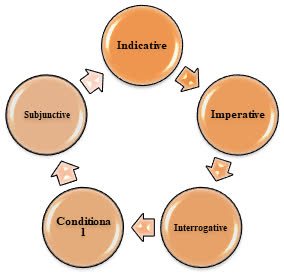
The architect focused on the modal aspects of the building's design.
O arquiteto focou nos aspectos modais do design do edifício.

mood

/muːd/

(noun) humor, estado de espírito, clima

Exemplo:
She's been in a bad mood all day.
Ela esteve de mau humor o dia todo.

negative

/ˈneɡ.ə.t̬ɪv/

(adjective) negativo, de negação, prejudicial;

(noun) negativo, negação

Exemplo:

She gave a negative answer to the proposal.
Ela deu uma resposta negativa à proposta.

neuter

/ˈnuː.t̬ɚ/

(adjective) neutro, castrado, esterilizado;

(verb) castrar, esterilizar;

(noun) animal castrado, animal esterilizado

Exemplo:
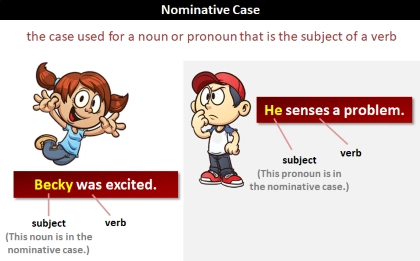
In some languages, inanimate objects are assigned a neuter gender.
Em algumas línguas, objetos inanimados são atribuídos a um gênero neutro.

nominative

/ˈnɑː.mə.nə.t̬ɪv/

(adjective) nominativo;

(noun) nominativo

Exemplo:
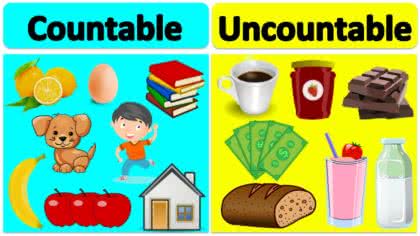
In Latin, 'puer' is the nominative singular of 'boy'.
Em latim, 'puer' é o nominativo singular de 'menino'.

non-count

/ˈnɑːnˌkaʊnt/

(noun) não contável, substantivo não contável;

(adjective) não contável

Exemplo:
The word 'information' is a non-count noun.
A palavra 'information' é um substantivo não contável.

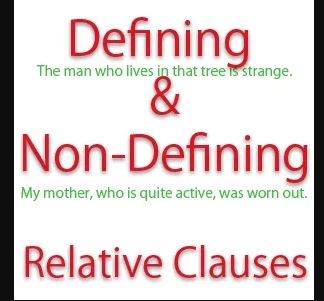
non-defining

/ˌnɑːn dɪˈfaɪnɪŋ/

(adjective) não-restritivo

Exemplo:

My brother, who lives in London, is a doctor.
Meu irmão, que mora em Londres, é médico.

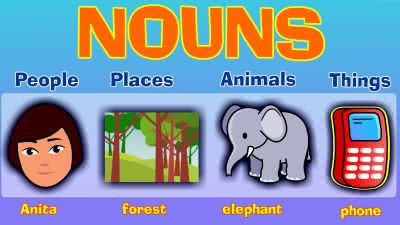
noun

/naʊn/

(noun) substantivo

Exemplo:

In the sentence 'The cat sat on the mat,' 'cat' and 'mat' are nouns.
Na frase 'O gato sentou no tapete', 'gato' e 'tapete' são substantivos.

number

/ˈnʌm.bɚ/

(noun) número, algarismo, edição;

(verb) somar, totalizar, numerar

Exemplo:

Write down your phone number.
Anote seu número de telefone.
Aprender este conjunto de vocabulário no Lingoland