Avatar of Vocabulary Set 文学とライティング

TOEFL上級語彙 内 文学とライティング 語彙セット:完全かつ詳細なリスト

「TOEFL上級語彙」内の「文学とライティング」語彙セットは国際標準教材から厳選され、短期間で語彙をマスターできます。定義、例文、標準発音を網羅…

Lingolandでこの語彙セットを学習

今すぐ学習

abridged

/əˈbrɪdʒd/

(adjective) 要約された, 短縮された;

(verb) 要約した, 制限した

例:

I read the abridged version of the novel.
私はその小説の要約版を読んだ。

allegorical

/ˌæl.əˈɡɔːr.ə.kəl/

(adjective) 寓意的な, 比喩的な

例:

The painting is an allegorical representation of Liberty.
その絵画は自由を寓意的に表現したものです。

lurid

/ˈlʊr.ɪd/

(adjective) 衝撃的な, どぎつい, 露骨な

例:

The paper published lurid details of the murder.
その新聞は殺人の衝撃的な詳細を掲載した。

turgid

/ˈtɝː.dʒɪd/

(adjective) 大げさな, 誇張された, 膨らんだ

例:

The critic dismissed the novel for its turgid prose.
批評家はその小説の大げさな散文を退けた。

acrostic

/əˈkrɑː.stɪk/

(noun) アクロスティック, 折句;

(adjective) アクロスティックの, 折句の

例:
She wrote an acrostic poem where the first letter of each line spelled out her friend's name.
彼女は各行の最初の文字が友人の名前を綴るアクロスティック詩を書いた。

burlesque

/bɝːˈlesk/

(noun) バーレスク, 滑稽な模倣, パロディ;

(verb) バーレスクする, 滑稽に模倣する, パロディ化する;

(adjective) バーレスクの, 滑稽な, 風刺的な

例:
The play was a burlesque of Shakespearean tragedy.
その劇はシェイクスピア悲劇のバーレスクだった。

doggerel

/ˈdɑː.ɡɚ.əl/

(noun) 下手な詩, 狂歌;

(adjective) 下手な, 狂歌風の

例:

The greeting card was filled with sentimental doggerel.
そのグリーティングカードは、感傷的で下手な詩でいっぱいだった。

elegy

/ˈel.ə.dʒi/

(noun) 哀歌, 悲歌

例:

He wrote an elegy for his deceased friend.
彼は亡くなった友人のために哀歌を書いた。

epic

/ˈep.ɪk/

(noun) 叙事詩, 壮大な物語;

(adjective) 壮大な, 英雄的な, 素晴らしい

例:
Homer's 'The Odyssey' is a classic epic poem.
ホメロスの『オデュッセイア』は古典的な叙事詩です。

haiku

/ˈhaɪ.kuː/

(noun) 俳句

例:

She wrote a beautiful haiku about the cherry blossoms.
彼女は桜について美しい俳句を書いた。

lament

/ləˈment/

(noun) 嘆き, 悲歌;

(verb) 嘆く, 悲しむ

例:

Her lament for her lost child was heartbreaking.
亡くした子供への彼女の嘆きは胸が張り裂けるようだった。

lampoon

/læmˈpuːn/

(verb) 風刺する, 皮肉る;

(noun) 風刺, 風刺文学

例:

The magazine is famous for lampooning political figures.
その雑誌は政治家を風刺することで有名だ。

ode

/oʊd/

(noun) 頌歌, 叙情詩

例:

Keats's 'Ode to a Nightingale' is a classic example.
キーツの「ナイチンゲールへの頌歌」は古典的な例です。

parody

/ˈper.ə.di/

(noun) パロディ, 滑稽な模倣;

(verb) パロディ化する, 滑稽に模倣する

例:

The film was a brilliant parody of classic horror movies.
その映画は古典的なホラー映画の素晴らしいパロディだった。

psalm

/sɑːm/

(noun) 賛美歌, 詩篇

例:

The choir sang a beautiful psalm during the service.
聖歌隊は礼拝中に美しい賛美歌を歌いました。

sonnet

/ˈsɑː.nɪt/

(noun) ソネット

例:

Shakespeare wrote many famous sonnets.
シェイクスピアは多くの有名なソネットを書いた。

bard

/bɑːrd/

(noun) 吟遊詩人, 詩人

例:

Shakespeare is often referred to as 'The Bard of Avon'.
シェイクスピアはしばしば「エイヴォンの詩人」と呼ばれます。

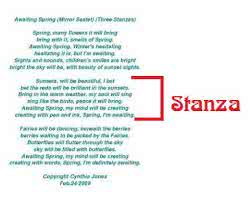
stanza

/ˈstæn.zə/

(noun) スタンザ, 連

例:

The poem consists of four stanzas, each with a distinct rhyme scheme.
その詩は4つのスタンザで構成されており、それぞれが異なる韻律を持っている。

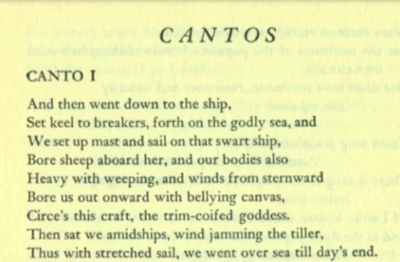
canto

/ˈkæn.toʊ/

(noun) カント, 詩の章

例:

Dante's Divine Comedy is divided into one hundred cantos.
ダンテの神曲は百のカントに分かれている。

conceit

/kənˈsiːt/

(noun) うぬぼれ, 自惚れ, 奇想

例:

His conceit made him unpopular among his colleagues.
彼のうぬぼれは同僚の間で不人気だった。

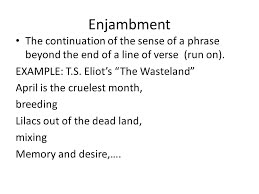
enjambement

/ɛnˈdʒæmbmənt/

(noun) アンジャムマン, 行またぎ

例:

The poet used enjambment to create a sense of continuous flow in the verse.
詩人は詩に連続的な流れの感覚を生み出すためにアンジャムマンを使用した。

rhetoric

/ˈret̬.ɚ.ɪk/

(noun) レトリック, 修辞学

例:

His powerful rhetoric swayed the crowd.
彼の力強いレトリックは群衆を動かした。

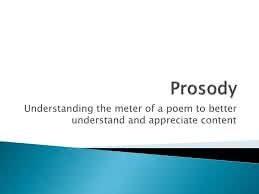
prosody

/ˈprɑː.sə.di/

(noun) 韻律, 詩学, プロソディー

例:

The poet carefully crafted the prosody of his verses.
詩人は詩の韻律を注意深く作り上げた。

addendum

/əˈden.dəm/

(noun) 補遺, 追加

例:

The publisher included an addendum with corrections to the first edition.
出版社は初版の訂正を含む補遺を付け加えた。

antagonist

/ænˈtæɡ.ən.ɪst/

(noun) 敵対者, 対抗者, 敵役

例:

The hero faced his main antagonist in the final battle.
主人公は最終決戦で主要な敵対者と対峙した。

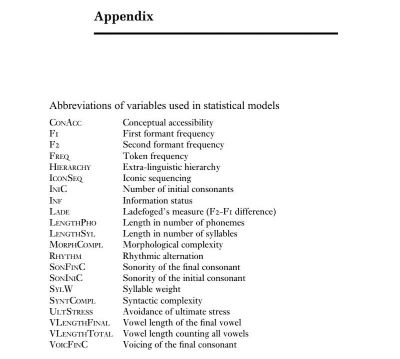
appendix

/əˈpen.dɪks/

(noun) 虫垂, 付録, 補遺

例:

The surgeon removed his inflamed appendix.
外科医は彼の炎症を起こした虫垂を切除した。

blurb

/blɝːb/

(noun) 紹介文, 宣伝文句, あらすじ;

(verb) 紹介文を書く, 宣伝する

例:
The blurb on the back of the book made me want to read it.
本の裏表紙の紹介文を読んで、読みたくなった。

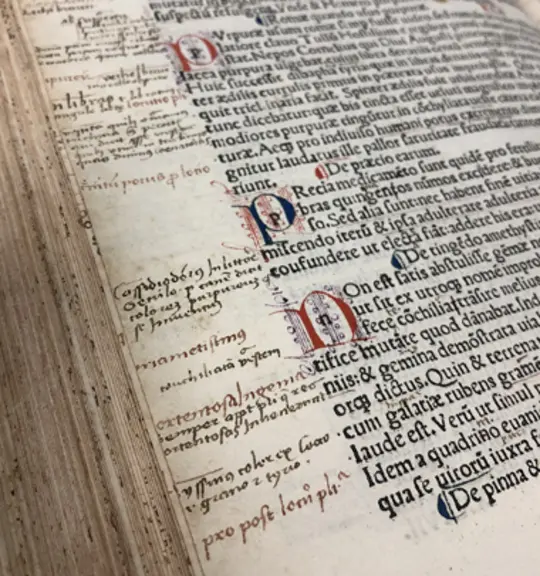
marginalia

/ˌmɑːr.dʒɪˈneɪ.li.ə/

(plural noun) 欄外注, 書き込み

例:

The scholar spent years studying the marginalia in the medieval manuscript.
学者は中世の写本にある欄外注の研究に何年も費やした。

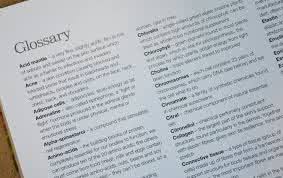
glossary

/ˈɡlɑː.sɚ.i/

(noun) 用語集, 語彙集

例:

The book includes a glossary of technical terms at the end.
その本には巻末に専門用語の用語集が含まれています。

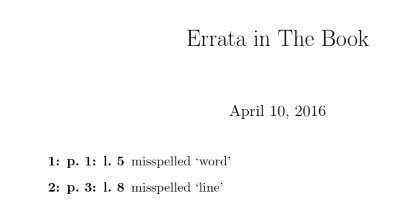
erratum

/erˈɑː.t̬əm/

(noun) 正誤表, 誤植

例:

The publisher issued an erratum for the typo on page 5.
出版社は5ページの誤植について正誤表を発行した。

canon

/ˈkæn.ən/

(noun) 規範, 原則, 基準

例:

The decision was made according to the established canon of the organization.
その決定は、組織の確立された規範に従って行われた。

motif

/moʊˈtiːf/

(noun) モチーフ, 主題, 模様

例:

The motif of betrayal runs through the entire novel.
裏切りのモチーフが小説全体に流れている。

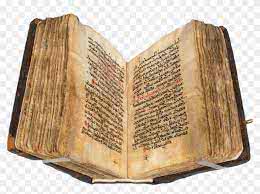
codex

/ˈkoʊ.deks/

(noun) 写本, 絵文書, 法典

例:

The ancient codex contained rare biblical texts.
その古代の写本には珍しい聖書テキストが含まれていた。

magnum opus

/ˌmæɡ.nəm ˈoʊ.pəs/

(noun) 代表作, 傑作

例:

His latest novel is considered his magnum opus.
彼の最新の小説は彼の代表作と見なされている。

novella

/noʊˈvel.ə/

(noun) 中編小説, ノベラ

例:

Ernest Hemingway's 'The Old Man and the Sea' is a famous novella.
アーネスト・ヘミングウェイの『老人と海』は有名な中編小説です。

plot hole

/ˈplɑːt hoʊl/

(noun) プロットホール, 設定の矛盾

例:

Fans pointed out a major plot hole in the movie's ending.
ファンは映画の結末に大きなプロットホールを指摘した。

prolixity

/prəˈlɪk.sə.t̬i/

(noun) 冗長性, 回りくどさ, くどさ

例:

The editor advised the writer to reduce the prolixity in his manuscript.
編集者は著者に原稿の冗長性を減らすよう助言した。

satirize

/ˈsæt̬.ə.raɪz/

(verb) 風刺する, 皮肉る

例:

The movie satirizes the modern obsession with social media.
その映画は現代のソーシャルメディアへの執着を風刺している

epilogue

/ˈep.ə.lɑːɡ/

(noun) エピローグ, 結び

例:

The novel concluded with a poignant epilogue.
小説は感動的なエピローグで締めくくられた。
Lingolandでこの語彙セットを学習