Avatar of Vocabulary Set 문학과 글쓰기

TOEFL 고급 어휘 내 문학과 글쓰기 어휘 세트: 완전하고 상세한 목록

'TOEFL 고급 어휘' 내 '문학과 글쓰기' 어휘 세트는 국제 표준 교재 출처에서 엄선되어 짧은 시간 안에 어휘를 마스터할 수 있도록 도와줍니다. 정의, 예문, 표준 발음을 완벽하게 수록...

Lingoland에서 이 어휘 세트 학습하기

지금 학습하기

abridged

/əˈbrɪdʒd/

(adjective) 요약된, 축약된;

(verb) 축약했다, 제한했다

예시:
I read the abridged version of the novel.
나는 그 소설의 요약본을 읽었다.

allegorical

/ˌæl.əˈɡɔːr.ə.kəl/

(adjective) 우화적인, 비유적인

예시:

The painting is an allegorical representation of Liberty.
그 그림은 자유를 우화적으로 표현한 것이다.

lurid

/ˈlʊr.ɪd/

(adjective) 선정적인, 충격적인, 노골적인

예시:

The paper published lurid details of the murder.
그 신문은 살인 사건의 선정적인 세부 사항을 보도했다.

turgid

/ˈtɝː.dʒɪd/

(adjective) 과장된, 허풍 떠는, 불어난

예시:

The critic dismissed the novel for its turgid prose.
비평가는 그 소설의 과장된 산문을 이유로 거절했다.

acrostic

/əˈkrɑː.stɪk/

(noun) 아크로스틱, 두문자시;

(adjective) 아크로스틱의

예시:
She wrote an acrostic poem where the first letter of each line spelled out her friend's name.
그녀는 각 행의 첫 글자가 친구의 이름을 나타내는 아크로스틱 시를 썼다.

burlesque

/bɝːˈlesk/

(noun) 버레스크, 풍자극, 익살극;

(verb) 풍자하다, 익살스럽게 흉내 내다;

(adjective) 버레스크의, 풍자적인, 익살스러운

예시:
The play was a burlesque of Shakespearean tragedy.
그 연극은 셰익스피어 비극의 풍자극이었다.

doggerel

/ˈdɑː.ɡɚ.əl/

(noun) 엉터리 시, 익살 시;

(adjective) 엉터리 시의, 익살스러운

예시:

The greeting card was filled with sentimental doggerel.
그 축하 카드는 감상적인 엉터리 시로 가득 차 있었다.

elegy

/ˈel.ə.dʒi/

(noun) 애가, 비가

예시:

He wrote an elegy for his deceased friend.
그는 돌아가신 친구를 위해 애가를 썼다.

epic

/ˈep.ɪk/

(noun) 서사시, 대서사시;

(adjective) 장대한, 영웅적인, 웅장한

예시:
Homer's 'The Odyssey' is a classic epic poem.
호머의 '오디세이'는 고전적인 서사시이다.

haiku

/ˈhaɪ.kuː/

(noun) 하이쿠

예시:

She wrote a beautiful haiku about the cherry blossoms.
그녀는 벚꽃에 대한 아름다운 하이쿠를 썼다.

lament

/ləˈment/

(noun) 애도, 비탄;

(verb) 애도하다, 한탄하다

예시:

Her lament for her lost child was heartbreaking.
잃어버린 아이에 대한 그녀의 애도는 가슴 아팠다.

lampoon

/læmˈpuːn/

(verb) 풍자하다, 비꼬다;

(noun) 풍자, 풍자문

예시:

The magazine is famous for lampooning political figures.
그 잡지는 정치인들을 풍자하는 것으로 유명하다.

ode

/oʊd/

(noun) 송가, 찬가

예시:

Keats's 'Ode to a Nightingale' is a classic example.
키츠의 '나이팅게일에게 바치는 송가'는 고전적인 예이다.

parody

/ˈper.ə.di/

(noun) 패러디, 풍자;

(verb) 패러디하다, 풍자하다

예시:

The film was a brilliant parody of classic horror movies.
그 영화는 고전 공포 영화의 훌륭한 패러디였다.

psalm

/sɑːm/

(noun) 시편, 찬송가

예시:

The choir sang a beautiful psalm during the service.
성가대는 예배 중에 아름다운 시편을 노래했습니다.

sonnet

/ˈsɑː.nɪt/

(noun) 소네트

예시:

Shakespeare wrote many famous sonnets.
셰익스피어는 많은 유명한 소네트를 썼다.

bard

/bɑːrd/

(noun) 음유시인, 시인

예시:

Shakespeare is often referred to as 'The Bard of Avon'.
셰익스피어는 종종 '에이번의 음유시인'으로 불린다.

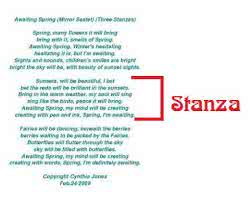
stanza

/ˈstæn.zə/

(noun) 연, 절

예시:

The poem consists of four stanzas, each with a distinct rhyme scheme.
그 시는 각각 독특한 운율을 가진 네 개의 으로 구성되어 있다.

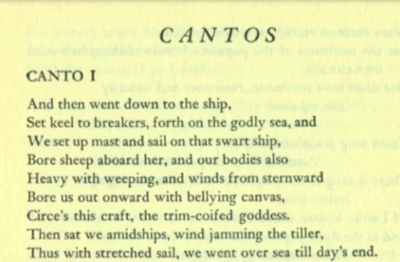
canto

/ˈkæn.toʊ/

(noun) 칸토, 장

예시:

Dante's Divine Comedy is divided into one hundred cantos.
단테의 신곡은 백 개의 칸토로 나뉘어 있다.

conceit

/kənˈsiːt/

(noun) 자만심, 오만, 기발한 생각

예시:

His conceit made him unpopular among his colleagues.
그의 자만심은 동료들 사이에서 그를 인기 없게 만들었다.

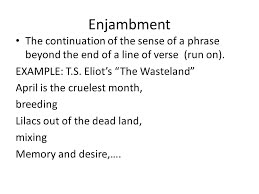
enjambement

/ɛnˈdʒæmbmənt/

(noun) 행간 걸침, 행 넘김

예시:

The poet used enjambment to create a sense of continuous flow in the verse.
시인은 시에 연속적인 흐름의 느낌을 주기 위해 행간 걸침을 사용했다.

rhetoric

/ˈret̬.ɚ.ɪk/

(noun) 수사학, 웅변술

예시:

His powerful rhetoric swayed the crowd.
그의 강력한 수사학은 군중을 흔들었다.

prosody

/ˈprɑː.sə.di/

(noun) 운율, 시학, 억양

예시:

The poet carefully crafted the prosody of his verses.
시인은 자신의 시구의 운율을 신중하게 만들었다.

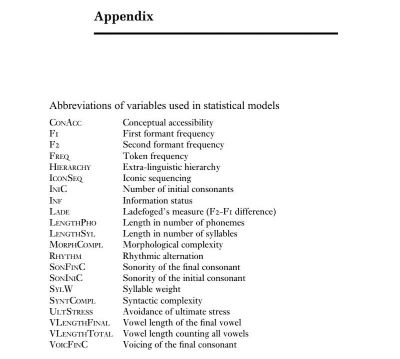
addendum

/əˈden.dəm/

(noun) 추록, 부록

예시:

The publisher included an addendum with corrections to the first edition.
출판사는 초판에 대한 수정 사항이 담긴 추록을 포함했다.

antagonist

/ænˈtæɡ.ən.ɪst/

(noun) 적대자, 반대자, 적수

예시:

The hero faced his main antagonist in the final battle.
영웅은 마지막 전투에서 그의 주요 적대자와 맞섰다.

appendix

/əˈpen.dɪks/

(noun) 맹장, 충수, 부록

예시:

The surgeon removed his inflamed appendix.
외과 의사는 그의 염증이 생긴 맹장을 제거했다.

blurb

/blɝːb/

(noun) 광고 문구, 책 소개, 영화 소개;

(verb) 광고 문구를 쓰다, 소개하다

예시:
The blurb on the back of the book made me want to read it.
책 뒤표지의 광고 문구가 나를 읽고 싶게 만들었다.

marginalia

/ˌmɑːr.dʒɪˈneɪ.li.ə/

(plural noun) 여백 주석, 가장자리 메모

예시:

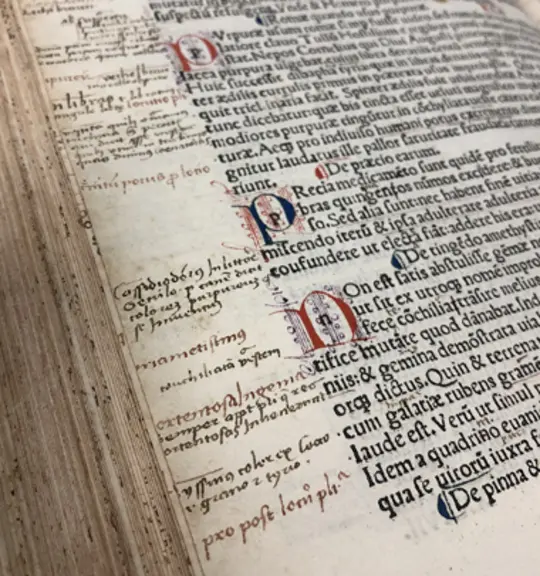
The scholar spent years studying the marginalia in the medieval manuscript.
학자는 중세 필사본의 여백 주석을 연구하는 데 수년을 보냈다.

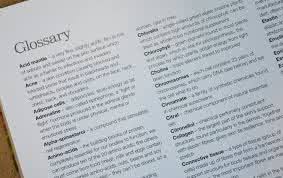
glossary

/ˈɡlɑː.sɚ.i/

(noun) 용어집, 어휘집

예시:

The book includes a glossary of technical terms at the end.
그 책은 끝에 기술 용어 용어집을 포함하고 있다.

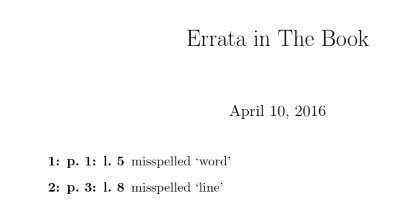
erratum

/erˈɑː.t̬əm/

(noun) 정오표, 오류

예시:

The publisher issued an erratum for the typo on page 5.
출판사는 5페이지의 오타에 대한 정오표를 발행했다.

canon

/ˈkæn.ən/

(noun) 규범, 원칙, 기준

예시:

The decision was made according to the established canon of the organization.
그 결정은 조직의 확립된 규범에 따라 이루어졌다.

motif

/moʊˈtiːf/

(noun) 모티프, 주제, 무늬

예시:

The motif of betrayal runs through the entire novel.
배신의 모티프가 소설 전체에 흐른다.

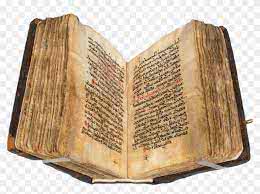
codex

/ˈkoʊ.deks/

(noun) 코덱스, 고문서, 법전

예시:

The ancient codex contained rare biblical texts.
고대 코덱스에는 희귀한 성경 텍스트가 담겨 있었다.

magnum opus

/ˌmæɡ.nəm ˈoʊ.pəs/

(noun) 최고 걸작, 대표작

예시:

His latest novel is considered his magnum opus.
그의 최신 소설은 그의 최고 걸작으로 여겨진다.

novella

/noʊˈvel.ə/

(noun) 중편 소설, 노벨라

예시:

Ernest Hemingway's 'The Old Man and the Sea' is a famous novella.
어니스트 헤밍웨이의 '노인과 바다'는 유명한 중편 소설이다.

plot hole

/ˈplɑːt hoʊl/

(noun) 설정 오류, 플롯 구멍

예시:

Fans pointed out a major plot hole in the movie's ending.
팬들은 영화의 결말에 큰 설정 오류를 지적했다.

prolixity

/prəˈlɪk.sə.t̬i/

(noun) 장황함, 다변, 번거로움

예시:

The editor advised the writer to reduce the prolixity in his manuscript.
편집자는 작가에게 원고의 장황함을 줄이라고 조언했다.

satirize

/ˈsæt̬.ə.raɪz/

(verb) 풍자하다, 비꼬다

예시:

The movie satirizes the modern obsession with social media.
그 영화는 소셜 미디어에 대한 현대인의 집착을 풍자한다.

epilogue

/ˈep.ə.lɑːɡ/

(noun) 에필로그, 결말

예시:

The novel concluded with a poignant epilogue.
소설은 가슴 아픈 에필로그로 끝났다.
Lingoland에서 이 어휘 세트 학습하기