Avatar of Vocabulary Set 文学与写作

词汇集 文学与写作(属于 托福高级词汇):完整且详细的清单

词汇集「文学与写作」(属于「托福高级词汇」)从国际标准教材来源精心挑选,帮助您在短时间内掌握词汇。全面汇整定义、例句及标准发音…

在 Lingoland 学习此词汇集

立即学习

abridged

/əˈbrɪdʒd/

(adjective) 节略的, 删节的;

(verb) 节略, 剥夺

示例:
I read the abridged version of the novel.
我读了这部小说的节略本。

allegorical

/ˌæl.əˈɡɔːr.ə.kəl/

(adjective) 寓言的, 寓意的

示例:

The painting is an allegorical representation of Liberty.
这幅画是自由的寓言式表现。

lurid

/ˈlʊr.ɪd/

(adjective) 耸人听闻的, 火爆的, 低俗的

示例:

The paper published lurid details of the murder.
报纸刊登了谋杀案的耸人听闻的细节。

turgid

/ˈtɝː.dʒɪd/

(adjective) 晦涩冗长的, 夸张的, 肿胀的

示例:

The critic dismissed the novel for its turgid prose.
批评家因其晦涩冗长的散文而否定了这部小说。

acrostic

/əˈkrɑː.stɪk/

(noun) 藏头诗, 离合诗;

(adjective) 藏头的, 离合的

示例:
She wrote an acrostic poem where the first letter of each line spelled out her friend's name.
她写了一首藏头诗,每行首字母拼出了她朋友的名字。

burlesque

/bɝːˈlesk/

(noun) 滑稽模仿, 滑稽剧, 讽刺作品;

(verb) 滑稽模仿, 嘲弄;

(adjective) 滑稽的, 讽刺的

示例:

The play was a burlesque of Shakespearean tragedy.
这部剧是莎士比亚悲剧的滑稽模仿

doggerel

/ˈdɑː.ɡɚ.əl/

(noun) 打油诗;

(adjective) 打油诗般的

示例:

The greeting card was filled with sentimental doggerel.
贺卡上写满了感伤的打油诗

elegy

/ˈel.ə.dʒi/

(noun) 挽歌, 哀歌

示例:

He wrote an elegy for his deceased friend.
他为他已故的朋友写了一首挽歌

epic

/ˈep.ɪk/

(noun) 史诗, 叙事诗;

(adjective) 史诗般的, 宏大的, 英雄的

示例:
Homer's 'The Odyssey' is a classic epic poem.
荷马的《奥德赛》是一部经典的史诗

haiku

/ˈhaɪ.kuː/

(noun) 俳句

示例:

She wrote a beautiful haiku about the cherry blossoms.
她写了一首关于樱花的优美俳句

lament

/ləˈment/

(noun) 哀悼, 悲叹;

(verb) 哀悼, 悲叹

示例:

Her lament for her lost child was heartbreaking.
她对失去孩子的哀悼令人心碎。

lampoon

/læmˈpuːn/

(verb) 讽刺, 嘲弄;

(noun) 讽刺文章, 讽刺作品

示例:

The magazine is famous for lampooning political figures.
该杂志以讽刺政治人物而闻名。

ode

/oʊd/

(noun) 颂歌, 赋

示例:

Keats's 'Ode to a Nightingale' is a classic example.
济慈的《夜莺颂》是一个经典例子。

parody

/ˈper.ə.di/

(noun) 模仿, 滑稽模仿;

(verb) 模仿, 滑稽模仿

示例:

The film was a brilliant parody of classic horror movies.
这部电影是对经典恐怖片的精彩模仿

psalm

/sɑːm/

(noun) 赞美诗, 圣歌, 诗篇

示例:

The choir sang a beautiful psalm during the service.
唱诗班在礼拜中唱了一首优美的赞美诗

sonnet

/ˈsɑː.nɪt/

(noun) 十四行诗

示例:

Shakespeare wrote many famous sonnets.
莎士比亚写了许多著名的十四行诗

bard

/bɑːrd/

(noun) 吟游诗人, 诗人

示例:

Shakespeare is often referred to as 'The Bard of Avon'.
莎士比亚常被称为“埃文河畔的吟游诗人”。

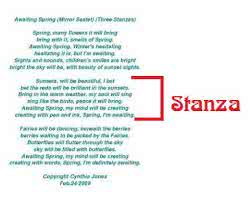
stanza

/ˈstæn.zə/

(noun) 诗节, 诗段

示例:

The poem consists of four stanzas, each with a distinct rhyme scheme.
这首诗由四节诗节组成,每节都有独特的韵律。

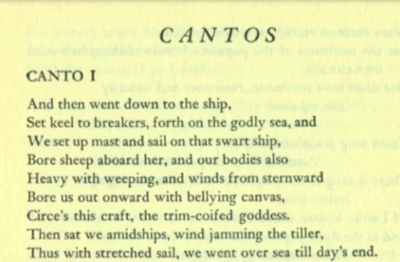
canto

/ˈkæn.toʊ/

(noun) 篇章, 诗章

示例:

Dante's Divine Comedy is divided into one hundred cantos.
但丁的《神曲》分为一百个篇章

conceit

/kənˈsiːt/

(noun) 自负, 自大, 奇想

示例:

His conceit made him unpopular among his colleagues.
他的自负使他在同事中不受欢迎。

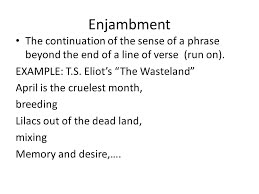
enjambement

/ɛnˈdʒæmbmənt/

(noun) 飞白, 跨行

示例:

The poet used enjambment to create a sense of continuous flow in the verse.
诗人使用飞白来在诗句中创造一种连续流动的感覺。

rhetoric

/ˈret̬.ɚ.ɪk/

(noun) 修辞, 花言巧语

示例:

His powerful rhetoric swayed the crowd.
他强有力的修辞影响了人群。

prosody

/ˈprɑː.sə.di/

(noun) 韵律, 格律, 语调

示例:

The poet carefully crafted the prosody of his verses.
诗人精心构思了他诗歌的韵律

addendum

/əˈden.dəm/

(noun) 附录, 补遗

示例:

The publisher included an addendum with corrections to the first edition.
出版商在第一版中加入了包含更正的附录

antagonist

/ænˈtæɡ.ən.ɪst/

(noun) 对手, 反派, 敌手

示例:

The hero faced his main antagonist in the final battle.
英雄在最终战役中面对了他的主要对手

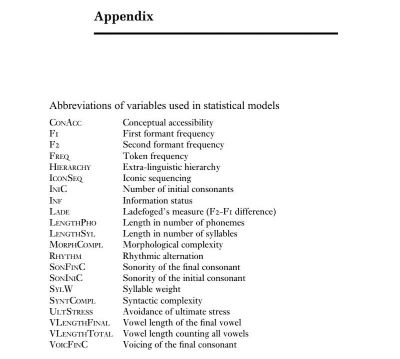
appendix

/əˈpen.dɪks/

(noun) 阑尾, 附录, 附件

示例:

The surgeon removed his inflamed appendix.
外科医生切除了他发炎的阑尾

blurb

/blɝːb/

(noun) 简介, 广告词, 宣传语;

(verb) 写简介, 宣传

示例:
The blurb on the back of the book made me want to read it.
书背上的简介让我很想读它。

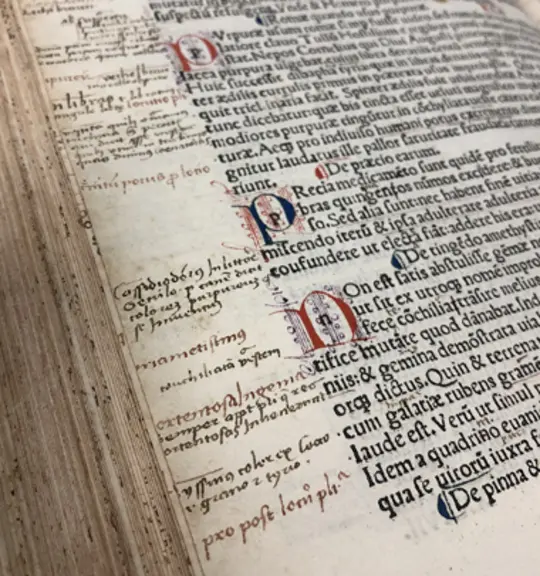
marginalia

/ˌmɑːr.dʒɪˈneɪ.li.ə/

(plural noun) 边注, 旁注

示例:

The scholar spent years studying the marginalia in the medieval manuscript.
学者花了多年时间研究中世纪手稿中的边注

glossary

/ˈɡlɑː.sɚ.i/

(noun) 词汇表, 术语表

示例:

The book includes a glossary of technical terms at the end.
这本书的末尾附有技术术语词汇表

erratum

/erˈɑː.t̬əm/

(noun) 勘误, 印刷错误

示例:

The publisher issued an erratum for the typo on page 5.
出版商为第5页的印刷错误发布了勘误表

canon

/ˈkæn.ən/

(noun) 准则, 规范, 原则

示例:

The decision was made according to the established canon of the organization.
该决定是根据组织既定的准则做出的。

motif

/moʊˈtiːf/

(noun) 主题, 主旨, 图案

示例:

The motif of betrayal runs through the entire novel.
背叛的主题贯穿整部小说。

codex

/ˈkoʊ.deks/

(noun) 手抄本, 古籍, 法典

示例:

The ancient codex contained rare biblical texts.
这本古老的手抄本包含稀有的圣经文本。

magnum opus

/ˌmæɡ.nəm ˈoʊ.pəs/

(noun) 代表作, 巨著

示例:

His latest novel is considered his magnum opus.
他的最新小说被认为是他的代表作

novella

/noʊˈvel.ə/

(noun) 中篇小说, 短篇小说

示例:

Ernest Hemingway's 'The Old Man and the Sea' is a famous novella.
海明威的《老人与海》是一部著名的中篇小说

plot hole

/ˈplɑːt hoʊl/

(noun) 情节漏洞, 剧情漏洞

示例:

Fans pointed out a major plot hole in the movie's ending.
影迷们指出了电影结局中的一个主要情节漏洞

prolixity

/prəˈlɪk.sə.t̬i/

(noun) 冗长, 啰嗦, 冗赘

示例:

The editor advised the writer to reduce the prolixity in his manuscript.
编辑建议作者减少手稿中的冗长

satirize

/ˈsæt̬.ə.raɪz/

(verb) 讽刺, 讥刺

示例:

The movie satirizes the modern obsession with social media.
这部电影讽刺了现代人对社交媒体的痴迷。

epilogue

/ˈep.ə.lɑːɡ/

(noun) 结语, 后记

示例:

The novel concluded with a poignant epilogue.
小说以一段感人的结语结束。
在 Lingoland 学习此词汇集