Avatar of Vocabulary Set 比喩的な

SAT試験に必須の語彙 内 比喩的な 語彙セット:完全かつ詳細なリスト

「SAT試験に必須の語彙」内の「比喩的な」語彙セットは国際標準教材から厳選され、短期間で語彙をマスターできます。定義、例文、標準発音を網羅…

Lingolandでこの語彙セットを学習

今すぐ学習

strip

/strɪp/

(verb) 剥がす, 取り除く, 服を脱ぐ;

(noun) 帯, 細長い一片, ストリップ

例:
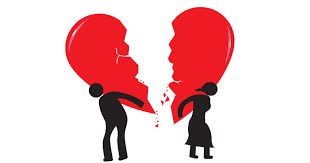
He began to strip the old paint from the door.
彼はドアから古いペンキを剥がし始めた。

sever

/ˈsev.ɚ/

(verb) 切断する, 切り離す, 断つ

例:

The knife was sharp enough to sever the rope in one stroke.
そのナイフは一振りでロープを切断するのに十分な鋭さだった。

wire

/waɪr/

(noun) ワイヤー, 針金, 盗聴器;

(verb) 送金する, 電報を打つ, 配線する

例:

The fence was made of barbed wire.
フェンスは有刺鉄線でできていた。

insulate

/ˈɪn.sə.leɪt/

(verb) 断熱する, 絶縁する, 防音する

例:

You can insulate the attic to keep the house warm in winter.
冬に家を暖かく保つために、屋根裏を断熱することができます。

exhibit

/ɪɡˈzɪb.ɪt/

(verb) 展示する, 出品する, 示す;

(noun) 展示品, 出品物

例:

The museum will exhibit ancient artifacts next month.
博物館は来月、古代の遺物を展示します。

unleash

/ʌnˈliːʃ/

(verb) 解き放つ, 振るう, 放す

例:

The storm is expected to unleash its full fury tonight.
嵐は今夜、その猛威を振るうと予想されている。

shadow

/ˈʃæd.oʊ/

(noun) 影, 面影;

(verb) 尾行する, つきまとう

例:

The tree cast a long shadow on the grass.
木は芝生に長いを落とした。

devour

/dɪˈvaʊ.ɚ/

(verb) むさぼり食う, 平らげる, 焼き尽くす

例:

He devoured the entire pizza in minutes.
彼は数分でピザを丸ごと平らげた

plant

/plænt/

(noun) 植物, 草木, 工場;

(verb) 植える, 蒔く, 仕掛ける

例:

She watered the plant every morning.
彼女は毎朝植物に水をやった。

skip

/skɪp/

(verb) スキップする, 跳ねる, 飛ばす;

(noun) スキップ, 跳躍, 省略

例:
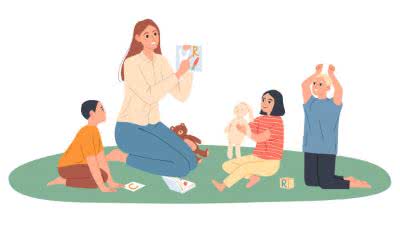
The children were skipping happily down the street.
子供たちは楽しそうに通りをスキップしていた。

simmer

/ˈsɪm.ɚ/

(verb) 煮込む, とろ火で煮る, くすぶる;

(noun) とろ火, くすぶり

例:

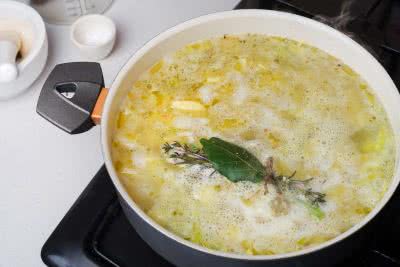
Let the sauce simmer for 20 minutes.
ソースを20分間煮込む

brighten

/ˈbraɪ.t̬ən/

(verb) 明るくする, 輝かせる, 元気づける

例:

The morning sun began to brighten the room.
朝日は部屋を明るくし始めた。

cost

/kɑːst/

(noun) 費用, コスト, 代償;

(verb) 費用がかかる, コストがかかる, 失わせる

例:

The total cost of the trip was over $1000.
旅行の総費用は1000ドルを超えました。

spark

/spɑːrk/

(noun) 火花, きらめき, ひらめき;

(verb) 火花を散らす, 引き起こす, 刺激する

例:

A single spark ignited the dry leaves.
一本の火花が乾いた葉に火をつけた。

surrender

/səˈren.dɚ/

(verb) 降伏する, 引き渡す, 屈する;

(noun) 降伏, 引き渡し

例:

The enemy was forced to surrender their weapons.
敵は武器を降伏させられた。

consult

/kənˈsʌlt/

(verb) 相談する, 意見を求める, 協議する

例:

You should consult a doctor about your symptoms.
症状について医師に相談すべきです。

render

/ˈren.dɚ/

(verb) 提供する, 与える, 下す

例:

The artist will render a beautiful painting for the exhibition.
アーティストは展覧会のために美しい絵画を制作します

witness

/ˈwɪt.nəs/

(noun) 目撃者, 証人, 証拠;

(verb) 目撃する, 証言する, 証明する

例:

The police are looking for a witness to the robbery.
警察は強盗の目撃者を探している。

reign

/reɪn/

(noun) 治世, 統治期間, 王位;

(verb) 統治する, 君臨する, 支配する

例:

Queen Victoria's reign lasted for 63 years.
ヴィクトリア女王の治世は63年間続いた。

frame

/freɪm/

(noun) 額縁, 枠, フレーム;

(verb) 額縁に入れる, 枠にはめる, 組み立てる

例:
The old photograph was in a beautiful wooden frame.
古い写真は美しい木製の額縁に入っていた。

portray

/pɔːrˈtreɪ/

(verb) 描く, 描写する, 表現する

例:

The artist chose to portray the queen in a regal pose.
その芸術家は女王を威厳あるポーズで描くことを選んだ。

drive

/draɪv/

(verb) 運転する, 駆り立てる, 追いやる;

(noun) ドライブ, 車での移動, 意欲

例:

She learned to drive when she was sixteen.
彼女は16歳の時に運転を覚えた。

lace

/leɪs/

(noun) レース, ひも, 靴ひも;

(verb) ひもで締める, 通す, 混ぜる

例:

The wedding dress was adorned with intricate lace.
ウェディングドレスは複雑なレースで飾られていた。

appreciate

/əˈpriː.ʃi.eɪt/

(verb) 感謝する, 高く評価する, 理解する

例:

I really appreciate your help.
あなたの助けに本当に感謝します

hold

/hoʊld/

(verb) 持つ, 抱く, 拘留する;

(noun) 握り, 保持, 保留

例:

Can you hold this for a moment?
これを少し持っていてくれますか?

boast

/boʊst/

(verb) 自慢する, 鼻にかける, 誇る;

(noun) 自慢, 誇り

例:

He likes to boast about his new car.
彼は新しい車について自慢するのが好きだ。

decorate

/ˈdek.ər.eɪt/

(verb) 飾る, 装飾する, 改装する

例:

We decided to decorate the living room with new paintings.
私たちは新しい絵画でリビングルームを飾ることにしました。

accommodate

/əˈkɑː.mə.deɪt/

(verb) 収容する, 宿泊させる, 適応させる

例:

The hotel can accommodate up to 200 guests.
そのホテルは200人までの宿泊客を収容できます

relieve

/rɪˈliːv/

(verb) 和らげる, 軽減する, 交代する

例:

The medication helped to relieve her headache.
その薬は彼女の頭痛を和らげるのに役立った。

descend

/dɪˈsend/

(verb) 降りる, 下る, 由来する

例:

The aircraft began to descend.
航空機は降下し始めた。

crack

/kræk/

(noun) ひび, 割れ目, 音;

(verb) ひびを入れる, 割る, きしむ;

(adjective) 優秀な, 一流の, 腕のいい

例:

There's a small crack in the window.
窓に小さなひびが入っている。

stir

/stɝː/

(verb) かき混ぜる, 混ぜる, 動かす;

(noun) 動き, 騒動

例:

She stirred her coffee with a spoon.
彼女はスプーンでコーヒーをかき混ぜた

capture

/ˈkæp.tʃɚ/

(verb) 捕らえる, 捕獲する, 占領する;

(noun) 捕獲, 捕らえること, 占領

例:

The police managed to capture the suspect after a long chase.
警察は長い追跡の末、容疑者を捕らえることに成功した。

run

/rʌn/

(verb) 走る, 動く, 作動する;

(noun) ランニング, 走ること, 期間

例:

She decided to run a marathon next year.
彼女は来年マラソンを走ることに決めた。

twist

/twɪst/

(verb) ねじる, ひねる, 曲がりくねる;

(noun) ひねり, ねじれ, 意外な展開

例:

She twisted her hair into a bun.
彼女は髪をねじってお団子にした。

ill

/ɪl/

(adjective) 病気の, 具合の悪い, 悪い;

(adverb) 悪く, 不適切に, ほとんど〜ない;

(noun) 悪, 不幸, 災難

例:

She felt ill after eating the spoiled food.
腐った食べ物を食べた後、彼女は気分が悪くなった。

driver

/ˈdraɪ.vɚ/

(noun) 運転手, ドライバー, 1番ウッド

例:

The bus driver announced the next stop.
バスの運転手が次の停留所を発表した。

departure

/dɪˈpɑːr.tʃɚ/

(noun) 出発, 発車, 逸脱

例:

Our departure was delayed due to bad weather.
悪天候のため、私たちの出発が遅れました。

turn

/tɝːn/

(verb) 回る, 回転する, 曲がる;

(noun) 曲がり角, 番

例:

The Earth turns on its axis.
地球は自転する

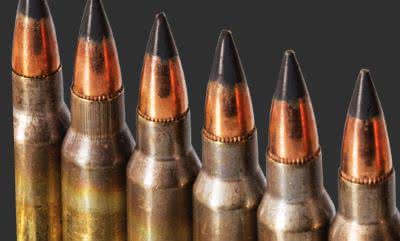
ammunition

/ˌæm.jəˈnɪʃ.ən/

(noun) 弾薬, 材料, 論拠

例:

The soldiers ran out of ammunition during the battle.
兵士たちは戦闘中に弾薬が尽きた。

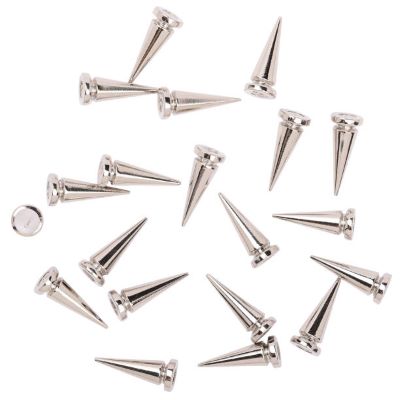
spike

/spaɪk/

(noun) 釘, とげ, 急上昇;

(verb) 釘で留める, とがらせる, 急増する

例:
He hammered a spike into the wall to hang the picture.
彼は絵を掛けるために壁にを打ち込んだ。

distillation

/ˌdɪs.təˈleɪ.ʃən/

(noun) 蒸留, 要約, 本質

例:

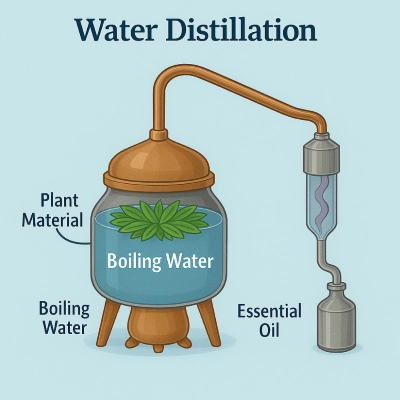
The distillation of crude oil separates it into different products like gasoline and diesel.
原油の蒸留は、ガソリンやディーゼルなどの異なる製品に分離します。

snap

/snæp/

(verb) 折れる, 切れる, パチンと閉まる;

(noun) パチンという音, カチッという音, 写真;

(adjective) 即断の, 簡単な;

(adverb) 即座に, 突然に;

(exclamation) パチン, カチッ

例:
The twig snapped under his foot.
小枝が彼の足元で折れた

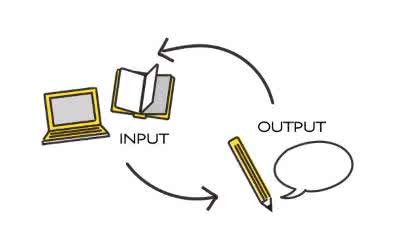
input

/ˈɪn.pʊt/

(noun) 入力, 意見, 情報;

(verb) 入力する, 投入する

例:

The computer requires user input to start the program.
コンピューターはプログラムを開始するためにユーザーの入力を必要とします。

reception

/rɪˈsep.ʃən/

(noun) 受け入れ, 歓迎, レセプション

例:

The reception of the new policy was mixed.
新しい政策の受け入れはまちまちだった。

reflexion

/rɪˈflek.ʃən/

(noun) 反射, 映像, 熟考

例:

She looked at her reflexion in the lake.
彼女は湖に映る自分の姿を見た。

sway

/sweɪ/

(verb) 揺れる, 揺らす, 左右する;

(noun) 揺れ, 揺らぎ, 支配力

例:
The trees were swaying in the wind.
木々は風に揺れていた

miscarriage

/ˈmɪsˌker.ɪdʒ/

(noun) 流産, 失敗, 誤り

例:

She suffered a miscarriage in her first trimester.
彼女は妊娠初期に流産した。

retreat

/rɪˈtriːt/

(verb) 撤退する, 退く;

(noun) 撤退, 隠れ家

例:

The army was forced to retreat after heavy losses.
軍は大きな損失の後、撤退を余儀なくされた。

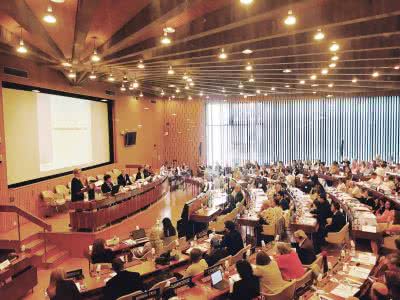
assembly

/əˈsem.bli/

(noun) 集会, 議会, 会合

例:

The school held a special assembly for the graduating students.
学校は卒業生のために特別な集会を開いた。

record

/rɪˈkɔːrd/

(noun) レコード, 盤, 記録;

(verb) 記録する, 録音する, 録画する

例:
She put on an old jazz record.
彼女は古いジャズのレコードをかけた。

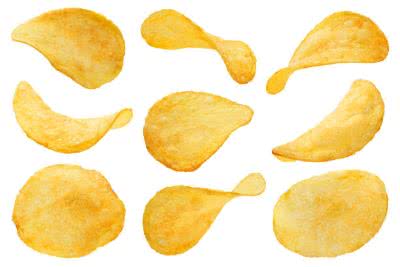
crisp

/krɪsp/

(adjective) パリパリした, シャキシャキした, ひんやりとした;

(noun) ポテトチップス;

(verb) パリッとさせる, シャキッとさせる

例:

The autumn leaves were crisp underfoot.
秋の葉は足元でパリパリと音を立てた。

accessible

/əkˈses.ə.bəl/

(adjective) アクセス可能, 利用可能, 分かりやすい

例:

The building is wheelchair accessible.
その建物は車椅子で利用可能です。

meteoric

/ˌmiː.t̬iˈɔːr.ɪk/

(adjective) 流星のような, 急激な, 流星の

例:

The young actress enjoyed a meteoric rise to fame.
その若い女優は流星のような速さでスターダムにのし上がった。

oceanic

/ˌoʊ.ʃiˈæn.ɪk/

(adjective) 海洋の, 大洋の, 大海のような

例:

The expedition studied the deep oceanic trenches.
探検隊は深海の海洋海溝を調査した。

infectious

/ɪnˈfek.ʃəs/

(adjective) 感染性の, 伝染性の, 影響力のある

例:

The common cold is an infectious disease.
風邪は感染性の病気です。

bare

/ber/

(adjective) 裸の, むき出しの, 最低限の;

(verb) むき出す, さらす

例:
He walked around with his bare feet on the cold floor.
彼は冷たい床を裸足で歩いた。

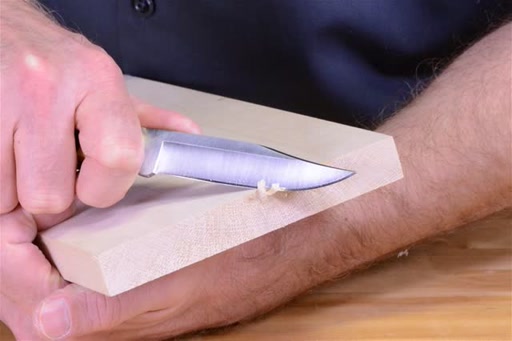
sharp

/ʃɑːrp/

(adjective) 鋭い, 尖った, 強い;

(adverb) きっかり, 急に;

(noun) シャープ, 半音高い

例:

Be careful, that knife is very sharp.
気をつけて、そのナイフはとても鋭い

harsh

/hɑːrʃ/

(adjective) 厳しい, 耳障りな, 粗い

例:

The desert sun can be incredibly harsh.
砂漠の太陽は信じられないほど厳しいことがある。

sacred

/ˈseɪ.krɪd/

(adjective) 神聖な, 聖なる, 不可侵の

例:

The temple is a sacred place for worship.
その寺院は礼拝のための神聖な場所です。

sensitive

/ˈsen.sə.t̬ɪv/

(adjective) 敏感な, 傷つきやすい, 反応しやすい

例:

He's very sensitive about his weight.
彼は体重について非常に敏感だ。
Lingolandでこの語彙セットを学習