Avatar of Vocabulary Set Oxford 5000 - C1 - 文字 D

Oxford 5000 - C1 内 Oxford 5000 - C1 - 文字 D 語彙セット:完全かつ詳細なリスト

「Oxford 5000 - C1」内の「Oxford 5000 - C1 - 文字 D」語彙セットは国際標準教材から厳選され、短期間で語彙をマスターできます。定義、例文、標準発音を網羅…

Lingolandでこの語彙セットを学習

今すぐ学習

dam

/dæm/

(noun) ダム, 堰;

(verb) せき止める, ダムを築く

例:

The Hoover Dam is a famous landmark.
フーバーダムは有名なランドマークです。

damaging

/ˈdæm.ɪ.dʒɪŋ/

(adjective) 損害を与える, 有害な

例:

The storm caused damaging floods in the region.
嵐は地域に被害をもたらす洪水を引き起こした。

dawn

/dɑːn/

(noun) 夜明け, 明け方, 始まり;

(verb) 夜が明ける, 明るくなる, 気づく

例:
We woke up at dawn to go hiking.
ハイキングに行くために夜明けに起きた。

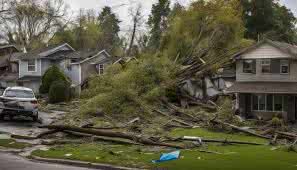
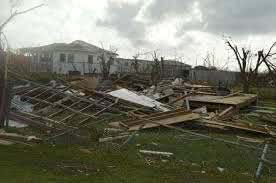
debris

/dəˈbriː/

(noun) がれき, 破片, 残骸

例:

After the storm, there was a lot of debris scattered across the road.
嵐の後、道路にはたくさんのがれきが散らばっていた。

debut

/deɪˈbju/

(noun) デビュー, 初登場;

(verb) デビューする, 初登場する

例:

Her debut as a singer was a great success.
歌手としての彼女のデビューは大成功でした。

decision-making

/dɪˈsɪʒ.ənˌmeɪ.kɪŋ/

(noun) 意思決定

例:

Effective decision-making is crucial for business success.
効果的な意思決定はビジネスの成功に不可欠です。

decisive

/dɪˈsaɪ.sɪv/

(adjective) 決断力のある, 断固とした, 決定的な

例:

A decisive leader is essential in times of crisis.
危機時には決断力のあるリーダーが不可欠です。

declaration

/ˌdek.ləˈreɪ.ʃən/

(noun) 宣言, 声明, 宣言書

例:

The government issued a declaration of emergency.
政府は緊急事態の宣言を発表した。

dedicated

/ˈded.ə.keɪ.t̬ɪd/

(adjective) 献身的な, 熱心な, 専用の

例:

She is a dedicated teacher who always puts her students first.
彼女は生徒を第一に考える献身的な教師です。

dedication

/ˌded.əˈkeɪ.ʃən/

(noun) 献身, 専念, 熱心

例:

Her dedication to her studies paid off with excellent grades.
彼女の学業への献身は、優れた成績という形で報われた。

deed

/diːd/

(noun) 行い, 行為, 証書

例:

A good deed is never forgotten.
良い行いは決して忘れられない。

deem

/diːm/

(verb) 見なす, 考える

例:

The area has been deemed safe.
その地域は安全だと見なされた

default

/dɪˈfɑːlt/

(noun) デフォルト, 初期設定, 滞納;

(verb) 滞納する, 不履行する

例:

The printer settings are set to default.
プリンターの設定はデフォルトに設定されています。

defect

/ˈdiː.fekt/

(noun) 欠陥, 不完全さ, 不足;

(verb) 亡命する, 脱走する

例:

The car was recalled due to a manufacturing defect.
製造上の欠陥のため、その車はリコールされた。

defensive

/dɪˈfen.sɪv/

(adjective) 防御的な, 守備的な, 自己防衛的な

例:

The team played a strong defensive game.
チームは強力な守備的な試合をした。

deficiency

/dɪˈfɪʃ.ən.si/

(noun) 欠乏, 不足, 欠陥

例:

The patient was diagnosed with a vitamin D deficiency.
患者はビタミンD欠乏症と診断された。

deficit

/ˈdef.ə.sɪt/

(noun) 赤字, 不足, 障害

例:

The company reported a budget deficit of $5 million.
その会社は500万ドルの予算赤字を報告した。

defy

/dɪˈfaɪ/

(verb) 反抗する, 逆らう, 不可能にする

例:

A child who defies his parents.
両親に反抗する子供。

delegate

/ˈdel.ə.ɡət/

(noun) 代表, 使節;

(verb) 委任する, 任せる, 派遣する

例:

Each country sent a delegate to the international conference.
各国は国際会議に代表者を送った。

delegation

/ˌdel.əˈɡeɪ.ʃən/

(noun) 代表団, 使節団, 委任

例:

The official delegation arrived at the conference.
公式代表団が会議に到着した。

delicate

/ˈdel.ə.kət/

(adjective) 繊細な, 壊れやすい, か弱い

例:

The antique vase is very delicate.
そのアンティークの花瓶はとても繊細です。

demon

/ˈdiː.mən/

(noun) 悪魔, 鬼, 残忍な人

例:

Ancient legends speak of powerful demons lurking in the shadows.
古代の伝説は、影に潜む強力な悪魔について語っています。

denial

/dɪˈnaɪ.əl/

(noun) 否定, 否認, 拒否

例:

He issued a strong denial of the accusations.
彼はその告発を強く否定した。

denounce

/dɪˈnaʊns/

(verb) 非難する, 糾弾する, 密告する

例:

The government was quick to denounce the terrorist attack.
政府はテロ攻撃を迅速に非難した

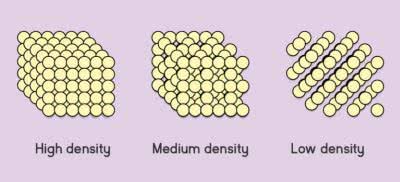
dense

/dens/

(adjective) 密な, 濃い, 鈍い

例:

The forest was so dense that sunlight barely reached the ground.
森は非常に密集していて、日光がほとんど地面に届かなかった。

density

/ˈden.sə.t̬i/

(noun) 密度, 質量密度

例:

The population density in the city center is very high.
都心部の人口密度は非常に高い。

dependence

/dɪˈpen.dəns/

(noun) 依存, 依存性, 依存症

例:

The country's dependence on oil exports makes its economy vulnerable.
その国の石油輸出への依存は、経済を脆弱にしている。

depict

/dɪˈpɪkt/

(verb) 描く, 描写する, 表現する

例:

The artist chose to depict the city at dawn.
その芸術家は夜明けの街を描くことを選んだ。

deploy

/dɪˈplɔɪ/

(verb) 展開する, 配置する, 活用する

例:

The troops were deployed to the conflict zone.
部隊は紛争地域に展開された。

deployment

/dɪˈplɔɪ.mənt/

(noun) 展開, 配置, 導入

例:

The rapid deployment of emergency services saved many lives.
緊急サービスの迅速な展開が多くの命を救った。

deposit

/dɪˈpɑː.zɪt/

(noun) 預金, 預託金, 手付金;

(verb) 預ける, 置く, 堆積させる

例:

I made a large deposit into my savings account.
貯蓄口座に多額の預金をしました。

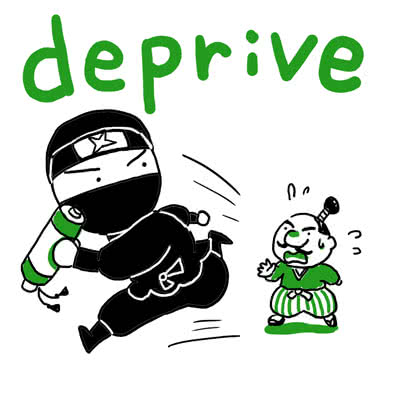
deprive

/dɪˈpraɪv/

(verb) 奪う, 剥奪する

例:

The new law will deprive many people of their right to vote.
新しい法律は多くの人々から投票権を奪うだろう。

deputy

/ˈdep.jə.t̬i/

(noun) 代理, 副

例:

The sheriff's deputy arrived at the scene.
保安官の代理が現場に到着した。

descend

/dɪˈsend/

(verb) 降りる, 下る, 由来する

例:

The aircraft began to descend.
航空機は降下し始めた。

descent

/dɪˈsent/

(noun) 降下, 下り, 家系

例:

The plane began its gradual descent into the airport.
飛行機は空港への緩やかな降下を開始した。

designate

/ˈdez.ɪɡ.neɪt/

(verb) 指名する, 任命する, 指定する

例:

The committee will designate a new chairperson next month.
委員会は来月、新しい議長を指名する

desirable

/dɪˈzaɪr.ə.bəl/

(adjective) 望ましい, 魅力的な, 性的に魅力的な

例:

A good work ethic is a highly desirable trait in an employee.
優れた労働倫理は、従業員にとって非常に望ましい特性です。

desktop

/ˈdesk.tɑːp/

(noun) 机の表面, デスクトップコンピュータ, デスクトップ

例:

He cleared his desktop before starting work.
彼は仕事に取り掛かる前に机の表面を片付けた。

destructive

/dɪˈstrʌk.tɪv/

(adjective) 破壊的な, 有害な

例:

The hurricane was incredibly destructive, leaving a trail of ruin.
ハリケーンは信じられないほど破壊的で、廃墟の跡を残した。

detain

/dɪˈteɪn/

(verb) 拘留する, 留置する, 引き止める

例:

Police have the right to detain suspects for a limited period.
警察は容疑者を限られた期間拘留する権利がある。

detection

/dɪˈtek.ʃən/

(noun) 検出, 発見, 探知

例:

Early detection of the disease can save lives.
病気の早期発見は命を救うことができる。

detention

/dɪˈten.ʃən/

(noun) 拘留, 留置, 居残り

例:

The suspect was held in police detention for questioning.
容疑者は尋問のため警察に拘留された。

deteriorate

/dɪˈtɪr.i.ə.reɪt/

(verb) 悪化する, 劣化する

例:

The weather conditions began to deteriorate rapidly.
気象条件は急速に悪化し始めた。

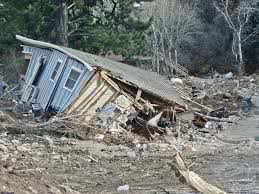
devastate

/ˈdev.ə.steɪt/

(verb) 壊滅させる, 荒廃させる, 打ちのめす

例:

The hurricane devastated the coastal town.
ハリケーンは沿岸の町を壊滅させた。

devil

/ˈdev.əl/

(noun) 悪魔, 鬼, いたずら者;

(verb) 辛くする, 細かく刻む

例:

He believed he was possessed by a devil.
彼は悪魔に取り憑かれていると信じていた。

devise

/dɪˈvaɪz/

(verb) 考案する, 工夫する, 計画する

例:

Scientists are trying to devise a new way to combat climate change.
科学者たちは気候変動と戦う新しい方法を考案しようとしている。

diagnose

/ˌdaɪ.əɡˈnoʊs/

(verb) 診断する

例:

The doctor was able to diagnose her illness quickly.
医師は彼女の病気を迅速に診断することができた。

diagnosis

/ˌdaɪ.əɡˈnoʊ.sɪs/

(noun) 診断, 診断結果

例:

The doctor made a quick diagnosis of the flu.
医師はインフルエンザの迅速な診断を下した。

dictate

/ˈdɪk.teɪt/

(verb) 口述する, 書き取らせる, 指示する

例:

She will dictate the letter to her assistant.
彼女は秘書に手紙を口述するだろう。

dictator

/ˈdɪk.teɪ.t̬ɚ/

(noun) 独裁者

例:

The country was ruled by a ruthless dictator for decades.
その国は何十年もの間、冷酷な独裁者によって支配されていた。

differentiate

/ˌdɪf.əˈren.ʃi.eɪt/

(verb) 区別する, 差別化する, 分化する

例:

It's hard to differentiate between the two identical twins.
一卵性双生児の二人を区別するのは難しい。

dignity

/ˈdɪɡ.ə.t̬i/

(noun) 尊厳, 威厳, 風格

例:

She faced the difficult situation with courage and dignity.
彼女は困難な状況に勇気と尊厳をもって立ち向かった。

dilemma

/daɪˈlem.ə/

(noun) ジレンマ, 板挟み

例:

She was faced with the dilemma of whether to stay in her current job or take a new one with more responsibility.
彼女は現在の仕事を続けるか、より責任のある新しい仕事に就くかというジレンマに直面した。

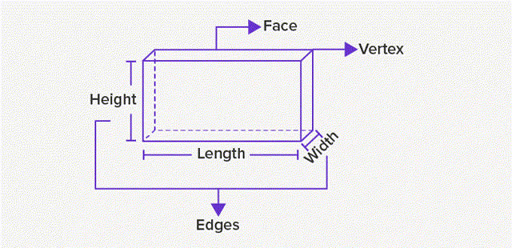
dimension

/ˌdaɪˈmen.ʃən/

(noun) 寸法, 次元, 側面

例:

The box has three dimensions: length, width, and height.
その箱には長さ、幅、高さの3つの寸法があります。

diminish

/dɪˈmɪn.ɪʃ/

(verb) 減らす, 減少する, 小さくする

例:

The pain will diminish over time.
痛みは時間とともに減少するでしょう。

dip

/dɪp/

(verb) 浸す, つける, 下がる;

(noun) 下落, くぼみ, ディップ

例:

She dipped her toe in the cold water.
彼女は冷たい水に足の指を浸した

diplomat

/ˈdɪp.lə.mæt/

(noun) 外交官, 如才ない人, 交渉上手

例:

The diplomat presented his credentials to the foreign minister.
その外交官は外務大臣に信任状を提出した。

diplomatic

/ˌdɪp.ləˈmæt̬.ɪk/

(adjective) 外交の, 如才ない, 機転の利く

例:

The ambassador handled the crisis with great diplomatic skill.
大使は素晴らしい外交手腕で危機を処理した。

directory

/dɪˈrek.tɚ.i/

(noun) 名簿, 電話帳, 案内

例:

I looked up her number in the phone directory.
電話で彼女の番号を調べた。

disastrous

/dɪˈzæs.trəs/

(adjective) 壊滅的な, 悲惨な

例:

The earthquake had a disastrous effect on the city.
地震は都市に壊滅的な影響を与えた。

discard

/dɪˈskɑːrd/

(verb) 捨てる, 廃棄する;

(noun) 廃棄物, 捨てられたもの

例:

Please discard all empty containers in the recycling bin.
空の容器はすべてリサイクル箱に捨ててください。

discharge

/dɪsˈtʃɑːrdʒ/

(verb) 退院させる, 除隊させる, 排出する;

(noun) 退院, 除隊, 排出

例:

The patient was discharged from the hospital yesterday.
患者は昨日病院を退院した。

disclose

/dɪˈskloʊz/

(verb) 開示する, 明らかにする, 暴露する

例:

The company refused to disclose the financial details of the merger.
会社は合併の財務詳細を開示することを拒否した。

disclosure

/dɪˈskloʊ.ʒɚ/

(noun) 開示, 暴露, 公表

例:

The company made a full disclosure of its financial records.
その会社は財務記録を完全に開示した。

discourse

/ˈdɪs.kɔːrs/

(noun) 談話, 議論, 対話;

(verb) 論じる, 話す, 議論する

例:

The political discourse has become increasingly polarized.
政治的な談話はますます二極化している。

discretion

/dɪˈskreʃ.ən/

(noun) 慎重さ, 思慮分別, 裁量

例:

She handled the sensitive matter with great discretion.
彼女はデリケートな問題を非常に慎重に扱った。

discrimination

/dɪˌskrɪm.əˈneɪ.ʃən/

(noun) 差別, 識別, 識別力

例:

Racial discrimination is a serious issue in many societies.
人種差別は多くの社会で深刻な問題です。

dismissal

/dɪˈsmɪs.əl/

(noun) 解散, 退去, 解雇

例:

The teacher's dismissal of the class was met with cheers.
先生のクラスの解散は歓声で迎えられた。

displace

/dɪˈspleɪs/

(verb) 置き換える, 取って代わる, 避難させる

例:

New technology often displaces older methods.
新しい技術はしばしば古い方法を置き換える

disposal

/dɪˈspoʊ.zəl/

(noun) 処分, 廃棄, 利用

例:

The proper disposal of hazardous waste is crucial.
有害廃棄物の適切な処分は非常に重要です。

dispose

/dɪˈspoʊz/

(verb) 処分する, 捨てる, ~させる

例:

The company needs to dispose of its old equipment.
会社は古い機器を処分する必要がある。

dispute

/dɪˈspjuːt/

(noun) 紛争, 論争, 議論;

(verb) 議論する, 論争する, 異議を唱える

例:

The border dispute between the two countries escalated.
両国間の国境紛争が激化した。

disrupt

/dɪsˈrʌpt/

(verb) 混乱させる, 中断させる, 破壊する

例:

Heavy snow disrupted travel across the region.
大雪が地域全体の交通を混乱させた

disruption

/dɪsˈrʌp.ʃən/

(noun) 混乱, 中断, 破壊的イノベーション

例:

The heavy snow caused widespread disruption to travel.
大雪は旅行に広範囲な混乱を引き起こした。

dissolve

/dɪˈzɑːlv/

(verb) 溶かす, 溶ける, 解散する

例:

Sugar dissolves in water.
砂糖は水に溶ける

distinction

/dɪˈstɪŋk.ʃən/

(noun) 区別, 相違, 名声

例:

There is a clear distinction between right and wrong.
善悪には明確な区別がある。

distinctive

/dɪˈstɪŋk.tɪv/

(adjective) 独特の, 特徴的な, 個性的な

例:

The artist has a very distinctive style.
そのアーティストは非常に独特なスタイルを持っている。

distort

/dɪˈstɔːrt/

(verb) 歪める, ねじる, 歪曲する

例:

The funhouse mirror distorted her reflection.
お化け屋敷の鏡は彼女の姿を歪ませた

distress

/dɪˈstres/

(noun) 苦痛, 苦悩, 悲嘆;

(verb) 苦しめる, 悩ませる, 悲しませる

例:

She was in great distress after losing her job.
彼女は仕事を失ってひどく苦しんでいた。

disturbing

/dɪˈstɝː.bɪŋ/

(adjective) 不穏な, disturbing

例:

The news of the accident was very disturbing.
その事故のニュースは非常に不穏なものだった。

divert

/dɪˈvɝːt/

(verb) 迂回させる, そらす, 気を散らす

例:

The police diverted traffic away from the accident site.
警察は事故現場から交通を迂回させた

divine

/dɪˈvaɪn/

(adjective) 神の, 神聖な, 素晴らしい;

(verb) 見抜く, 解読する

例:

Many ancient cultures worshipped a multitude of divine beings.
多くの古代文化は多数の神聖な存在を崇拝していました。

doctrine

/ˈdɑːk.trɪn/

(noun) 教義, 主義

例:

The church adheres to a strict doctrine.
教会は厳格な教義を遵守している。

documentation

/ˌdɑː.kjə.menˈteɪ.ʃən/

(noun) 文書, 書類, 文書化

例:

Please provide all necessary documentation for your visa application.
ビザ申請に必要なすべての書類を提出してください。

domain

/doʊˈmeɪn/

(noun) 領土, 領域, 分野

例:

The king's domain extended across several kingdoms.
王の領土はいくつかの王国にまたがっていた。

dominance

/ˈdɑː.mə.nəns/

(noun) 優位性, 支配

例:

The company achieved market dominance with its innovative products.
その会社は革新的な製品で市場での優位性を確立した。

donor

/ˈdoʊ.nɚ/

(noun) 寄付者, 贈与者, 提供者

例:

The hospital relies heavily on the generosity of private donors.
病院は個人の寄付者の寛大さに大きく依存している。

dose

/doʊs/

(noun) 用量, 服用量, 量;

(verb) 投与する, 服用させる

例:

Take one dose of this medicine every eight hours.
この薬を8時間ごとに1回分服用してください。

drain

/dreɪn/

(verb) 排水する, 水を抜く, 空にする;

(noun) 排水溝, 下水管, 排水口

例:

She drained the pasta in a colander.
彼女はパスタをざるで水切りした

drift

/drɪft/

(verb) 漂流する, 吹きだまる, 漂う;

(noun) 漂流, 傾向, 吹きだまり

例:

The boat began to drift out to sea.
ボートは海へ漂流し始めた。

driving

/ˈdraɪ.vɪŋ/

(noun) 運転, 操縦;

(adjective) 原動力となる, 激しい

例:

He enjoys long-distance driving.
彼は長距離運転を楽しんでいる。

drown

/draʊn/

(verb) 溺れる, 溺死する, 水浸しにする

例:

He almost drowned when his boat capsized.
ボートが転覆したとき、彼はほとんど溺れ死にそうになった。

dual

/ˈduː.əl/

(adjective) 二重の, 二つの

例:

The car has a dual exhaust system.
その車は二重排気システムを備えている。

dub

/dʌb/

(verb) 名付ける, 呼ぶ, 吹き替える;

(noun) ダブ (音楽ジャンル)

例:

They decided to dub him 'The Rocket' because of his speed.
彼らは彼のスピードから彼を「ロケット」と名付けることにした。

dumb

/dʌm/

(adjective) 口がきけない, 話せない, ばかな;

(verb) 簡略化する, ばかにする

例:

He was born deaf and dumb.
彼は生まれつき耳が聞こえず口がきけない

duo

/ˈduː.oʊ/

(noun) デュオ, 二人組

例:

The musical duo performed a beautiful ballad.
その音楽デュオは美しいバラードを演奏した。

dynamic

/daɪˈnæm.ɪk/

(adjective) ダイナミックな, 活動的な, 動的な;

(noun) ダイナミクス, 原動力

例:

The business environment is highly dynamic.
ビジネス環境は非常にダイナミックです。
Lingolandでこの語彙セットを学習