
Avatar of Vocabulary Set Desacuerdo y Oposición 3

Conjunto de vocabulario Desacuerdo y Oposición 3 en Acuerdo: Lista completa y detallada

El conjunto de vocabulario 'Desacuerdo y Oposición 3' en 'Acuerdo' está seleccionado cuidadosamente de fuentes de libros de texto estándar internacionales, ayudándote a dominar el vocabulario en poco tiempo. Incluye definiciones completas, ejemplos ilustrativos y pronunciación estándar...

Aprende este conjunto de vocabulario en Lingoland

Aprender ahora

downvote

/ˈdaʊn.voʊt/

(verb) votar negativamente, dar un voto negativo;

(noun) voto negativo, desaprobación

Ejemplo:
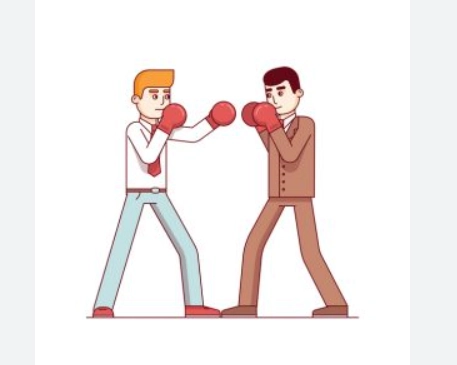
Many users decided to downvote the controversial comment.
Muchos usuarios decidieron votar negativamente el comentario controvertido.

duke it out

/duːk ɪt aʊt/

(idiom) enfrentarse, pelear

Ejemplo:

The two rivals decided to duke it out in the final round.
Los dos rivales decidieron enfrentarse en la ronda final.

dust-up

/ˈdʌst.ʌp/

(noun) pelea, disputa

Ejemplo:

There was a bit of a dust-up between the two players during the game.
Hubo una pequeña pelea entre los dos jugadores durante el partido.

embroil

/ɪmˈbrɔɪl/

(verb) envolver, implicar

Ejemplo:

He became embroiled in a dispute between his two sisters.
Se vio envuelto en una disputa entre sus dos hermanas.

exchange

/ɪksˈtʃeɪndʒ/

(noun) intercambio, cambio, bolsa;

(verb) intercambiar, cambiar

Ejemplo:

We made an exchange of gifts.
Hicimos un intercambio de regalos.

excuse me

/ɪkˈskjuːz miː/

(exclamation) disculpe, perdón

Ejemplo:

Excuse me, could I just say something?
Disculpe, ¿podría decir algo?

expostulate

/ɪkˈspɑːs.tʃə.leɪt/

(verb) expostular, protestar

Ejemplo:

He expostulated with the referee about the unfair decision.
Él protestó al árbitro por la decisión injusta.

expostulation

/ɪkˌspɑː.stjəˈleɪ.ʃən/

(noun) expostulación, reproche

Ejemplo:

His expostulation about the unfair rules was ignored by the committee.
Su expostulación sobre las reglas injustas fue ignorada por el comité.

face-off

/ˈfeɪs.ɔːf/

(noun) enfrentamiento, confrontación, saque inicial (hockey sobre hielo)

Ejemplo:

The two political rivals are set for a televised face-off.
Los dos rivales políticos están listos para un enfrentamiento televisado.

faction

/ˈfæk.ʃən/

(noun) facción, camarilla

Ejemplo:

The ruling party was split by faction.
El partido gobernante se dividió por una facción.

falling-out

/ˈfɔːlɪŋ aʊt/

(noun) desencuentro, disputa, pelea

Ejemplo:

They had a serious falling-out over money.
Tuvieron un serio desencuentro por dinero.

fall out

/fɔːl aʊt/

(phrasal verb) pelearse, discutir, resultar

Ejemplo:

They fell out over a trivial matter and haven't spoken since.
Se pelearon por un asunto trivial y no se han hablado desde entonces.

far be it from me to

/fɑːr biː ɪt frʌm miː tuː/

(phrase) lejos de mí, no me corresponde

Ejemplo:

Far be it from me to tell you what to do, but I think you should reconsider.
Lejos de mí decirte qué hacer, pero creo que deberías reconsiderarlo.

feud

/fjuːd/

(noun) disputa, enemistad, contienda;

(verb) disputar, enemistarse, contender

Ejemplo:
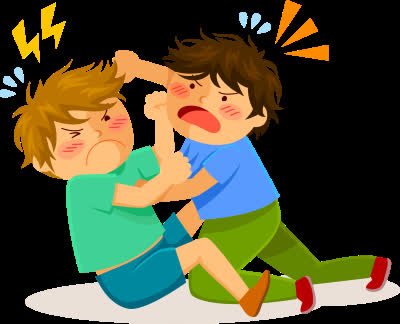
The two families had a long-standing feud over land.
Las dos familias tenían una larga disputa por la tierra.

fight

/faɪt/

(noun) pelea, lucha, combate;

(verb) pelear, luchar, combatir

Ejemplo:
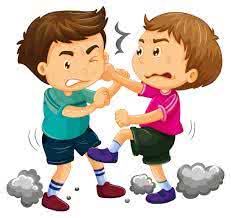
The two boxers were ready for a big fight.
Los dos boxeadores estaban listos para una gran pelea.

fighting

/ˈfaɪ.t̬ɪŋ/

(noun) lucha, combate;

(verb) luchando, combatiendo;

(adjective) combativo, agresivo

Ejemplo:

The soldiers were engaged in heavy fighting.
Los soldados estaban inmersos en intensos combates.

flap

/flæp/

(noun) solapa, aleta, agitación;

(verb) aletea, ondear, agitarse

Ejemplo:
He lifted the tent flap and peered inside.
Levantó la solapa de la tienda y miró dentro.

fracas

/ˈfreɪ.kəs/

(noun) reyerta, refriega, pelea

Ejemplo:

A minor fracas broke out in the bar.
Se desató una pequeña reyerta en el bar.

fray

/freɪ/

(noun) contienda, pelea, lucha;

(verb) deshilacharse, gastarse, desgastarse

Ejemplo:

He jumped into the fray to defend his friend.
Saltó a la contienda para defender a su amigo.

free-for-all

/ˈfriː.fɔːr.ɔːl/

(noun) todos contra todos, caos

Ejemplo:

The debate quickly turned into a free-for-all with everyone shouting.
El debate rápidamente se convirtió en un todos contra todos con todos gritando.

friction

/ˈfrɪk.ʃən/

(noun) fricción, rozamiento, conflicto

Ejemplo:

The car tires need good friction to grip the road.
Los neumáticos del coche necesitan buena fricción para agarrarse a la carretera.

gap

/ɡæp/

(noun) hueco, brecha, diferencia;

(verb) abrir un hueco, separar

Ejemplo:

There's a small gap in the fence.
Hay un pequeño hueco en la valla.

go-around

/ˈɡoʊ.ə.raʊnd/

(noun) motor y al aire, ida al aire

Ejemplo:

The pilot initiated a go-around due to unexpected wind shear.
El piloto inició un motor y al aire debido a una cizalladura del viento inesperada.

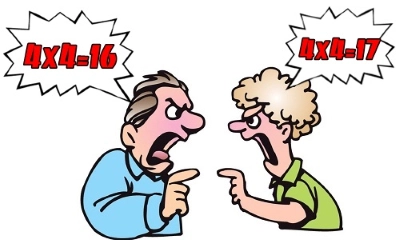
be/go at it hammer and tongs

/biːt əˈraʊnd ðə bʊʃ/

(idiom) discutir acaloradamente, enfrentarse con uñas y dientes

Ejemplo:
They were at it hammer and tongs over who should pay the bill.
Estaban discutiendo acaloradamente sobre quién debía pagar la cuenta.

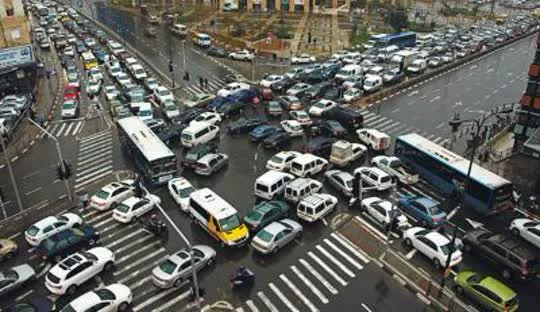
gridlock

/ˈɡrɪd.lɑːk/

(noun) atasco, parálisis del tráfico, estancamiento;

(verb) atascar, paralizar el tráfico

Ejemplo:
The accident caused complete gridlock on the highway.
El accidente causó un atasco total en la autopista.

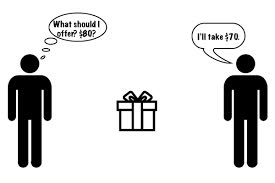
haggle

/ˈhæɡ.əl/

(verb) regatear, discutir;

(noun) regateo, discusión

Ejemplo:

She spent an hour haggling over the price of a rug.
Pasó una hora regateando el precio de una alfombra.

happen

/ˈhæp.ən/

(verb) pasar, ocurrir, suceder

Ejemplo:
The accident happened yesterday.
El accidente ocurrió ayer.

harrumph

/həˈrʊmf/

(verb) harrumph, carraspear;

(noun) harrumph, carraspeo

Ejemplo:
He gave a loud harrumph before speaking.
Dio un fuerte harrumph antes de hablar.

hassle

/ˈhæs.əl/

(noun) molestia, problema, engorro;

(verb) molestar, fastidiar, acosar

Ejemplo:
It was a real hassle getting the visa.
Fue un verdadero engorro conseguir el visado.

have

/hæv/

(verb) tener, poseer, experimentar;

(auxiliary verb) verbo auxiliar

Ejemplo:

I have a new car.
Yo tengo un coche nuevo.

have it out with

/hæv ɪt aʊt wɪð/

(idiom) aclarar las cosas con, tener una confrontación con

Ejemplo:

I need to have it out with my brother about his constant borrowing.
Necesito aclarar las cosas con mi hermano sobre sus constantes préstamos.

egg

/eɡ/

(noun) huevo;

(verb) incitar, animar

Ejemplo:

The bird laid an egg in the nest.
El pájaro puso un huevo en el nido.
Aprende este conjunto de vocabulario en Lingoland