Avatar of Vocabulary Set 不一致と反対 3

合意 内 不一致と反対 3 語彙セット:完全かつ詳細なリスト

「合意」内の「不一致と反対 3」語彙セットは国際標準教材から厳選され、短期間で語彙をマスターできます。定義、例文、標準発音を網羅…

Lingolandでこの語彙セットを学習

今すぐ学習

downvote

/ˈdaʊn.voʊt/

(verb) 低評価する, ダウンボートする;

(noun) 低評価, ダウンボート

例:

Many users decided to downvote the controversial comment.
多くのユーザーがその物議を醸すコメントに低評価を付けた。

duke it out

/duːk ɪt aʊt/

(idiom) 決着をつける, 戦う

例:

The two rivals decided to duke it out in the final round.
2人のライバルは最終ラウンドで決着をつけることにした。

dust-up

/ˈdʌst.ʌp/

(noun) いざこざ, 口論

例:

There was a bit of a dust-up between the two players during the game.
試合中、2人の選手の間でちょっとしたいざこざがあった。

embroil

/ɪmˈbrɔɪl/

(verb) 巻き込む, 巻き添えにする

例:

He became embroiled in a dispute between his two sisters.
彼は二人の姉妹間の争いに巻き込まれた

exchange

/ɪksˈtʃeɪndʒ/

(noun) 交換, 為替, 取引所;

(verb) 交換する, やり取りする

例:

We made an exchange of gifts.
私たちは贈り物の交換をしました。

excuse me

/ɪkˈskjuːz miː/

(exclamation) すみません, 失礼します, 失礼ですが

例:

Excuse me, could I just say something?
すみません、ちょっと言ってもいいですか?

expostulate

/ɪkˈspɑːs.tʃə.leɪt/

(verb) 抗議する, 異議を唱える

例:

He expostulated with the referee about the unfair decision.
彼は不公平な判定について審判に抗議した

expostulation

/ɪkˌspɑː.stjəˈleɪ.ʃən/

(noun) 抗議, 忠告

例:

His expostulation about the unfair rules was ignored by the committee.
不公平な規則に対する彼の抗議は委員会に無視された。

face-off

/ˈfeɪs.ɔːf/

(noun) 対決, 衝突, フェイスオフ (アイスホッケー)

例:

The two political rivals are set for a televised face-off.
2人の政治的ライバルはテレビでの対決に臨む。

faction

/ˈfæk.ʃən/

(noun) 派閥, 党派

例:

The ruling party was split by faction.
与党は派閥によって分裂した。

falling-out

/ˈfɔːlɪŋ aʊt/

(noun) 仲たがい, 不和, 喧嘩

例:

They had a serious falling-out over money.
彼らは金銭をめぐって深刻な仲たがいをした。

fall out

/fɔːl aʊt/

(phrasal verb) 仲たがいする, けんかする, 展開する

例:

They fell out over a trivial matter and haven't spoken since.
彼らは些細なことで仲たがいし、それ以来話していない。

far be it from me to

/fɑːr biː ɪt frʌm miː tuː/

(phrase) 私が〜するのはおこがましいですが, 〜するつもりはありませんが

例:

Far be it from me to tell you what to do, but I think you should reconsider.
私があなたに何をすべきか言うのはおこがましいですが、再考すべきだと思います。

feud

/fjuːd/

(noun) 確執, 不和, 争い;

(verb) 争う, 確執する, 不和になる

例:

The two families had a long-standing feud over land.
その2つの家族は土地をめぐって長年の確執があった。

fight

/faɪt/

(noun) 戦い, 喧嘩, 口論;

(verb) 戦う, 喧嘩する, 奮闘する

例:
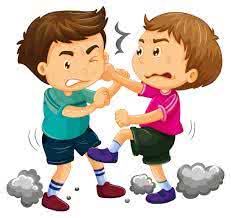
The two boxers were ready for a big fight.
2人のボクサーは大きな戦いの準備ができていた。

fighting

/ˈfaɪ.t̬ɪŋ/

(noun) 戦闘, 争い;

(verb) 戦っている, 争っている;

(adjective) 好戦的な, 攻撃的な

例:

The soldiers were engaged in heavy fighting.
兵士たちは激しい戦闘に従事していた。

flap

/flæp/

(noun) ひらひら, 垂れ, 動揺;

(verb) はばたく, はためく, バタバタと動く

例:
He lifted the tent flap and peered inside.
彼はテントのひらひらを持ち上げて中を覗いた。

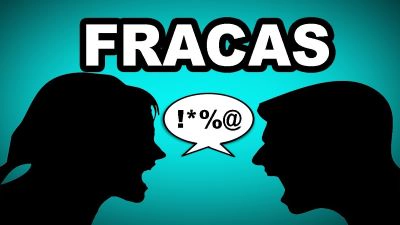
fracas

/ˈfreɪ.kəs/

(noun) 騒ぎ, 乱闘, 喧嘩

例:

A minor fracas broke out in the bar.
バーでちょっとした騒ぎが起こった。

fray

/freɪ/

(noun) 戦い, 争い, 乱闘;

(verb) ほつれる, すり切れる, 擦り切れる

例:

He jumped into the fray to defend his friend.
彼は友人を守るために戦いに飛び込んだ。

free-for-all

/ˈfriː.fɔːr.ɔːl/

(noun) 乱戦, 無秩序な状況

例:

The debate quickly turned into a free-for-all with everyone shouting.
討論はすぐに、誰もが叫び声を上げる乱戦と化した。

friction

/ˈfrɪk.ʃən/

(noun) 摩擦, 不和

例:

The car tires need good friction to grip the road.
車のタイヤは路面をグリップするために良い摩擦が必要です。

gap

/ɡæp/

(noun) 隙間, 穴, 格差;

(verb) 隙間を作る, 間隔を空ける

例:

There's a small gap in the fence.
フェンスに小さな隙間がある。

go-around

/ˈɡoʊ.ə.raʊnd/

(noun) ゴーアラウンド, 着陸やり直し

例:

The pilot initiated a go-around due to unexpected wind shear.
パイロットは予期せぬウィンドシアのため、ゴーアラウンドを開始した。

be/go at it hammer and tongs

/biːt əˈraʊnd ðə bʊʃ/

(idiom) 激しく議論する, 激しく戦う

例:

They were at it hammer and tongs over who should pay the bill.
彼らは誰が請求書を払うべきかで激しく議論していた

gridlock

/ˈɡrɪd.lɑːk/

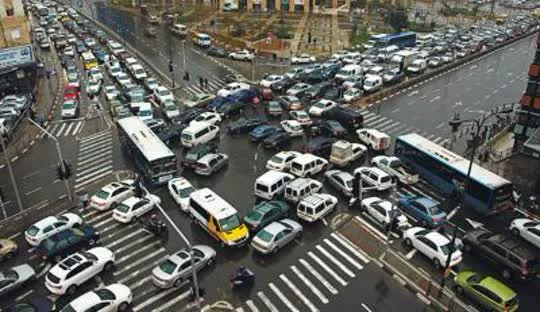
(noun) 交通麻痺, 渋滞, 膠着状態;

(verb) 交通麻痺させる, 渋滞させる

例:
The accident caused complete gridlock on the highway.
その事故により高速道路は完全に交通麻痺に陥った。

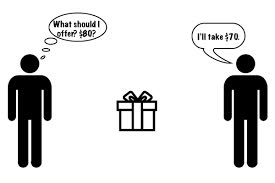
haggle

/ˈhæɡ.əl/

(verb) 値切る, 交渉する;

(noun) 交渉, 値切り

例:

She spent an hour haggling over the price of a rug.
彼女は絨毯の値段を値切るのに1時間費やした。

happen

/ˈhæp.ən/

(verb) 起こる, 発生する, たまたま見つける

例:

The accident happened yesterday.
事故は昨日起こった

harrumph

/həˈrʊmf/

(verb) フンと鼻を鳴らす, 不満げに咳払いをする;

(noun) フンという音, 不満げな咳払い

例:
He gave a loud harrumph before speaking.
彼は話す前に大きなフンという音を立てた。

hassle

/ˈhæs.əl/

(noun) 面倒, 手間, 厄介;

(verb) 困らせる, 悩ませる, うるさくする

例:

It was a real hassle getting the visa.
ビザを取るのは本当に面倒だった。

have

/hæv/

(verb) 持っている, ある, 経験する;

(auxiliary verb) 助動詞

例:

I have a new car.
私は新しい車を持っています

have it out with

/hæv ɪt aʊt wɪð/

(idiom) 徹底的に話し合う, 決着をつける

例:

I need to have it out with my brother about his constant borrowing.
兄と彼の絶え間ない借金について話し合う必要がある。

egg

/eɡ/

(noun) 卵;

(verb) けしかける, 扇動する

例:

The bird laid an egg in the nest.
鳥は巣にを産んだ。
Lingolandでこの語彙セットを学習