Avatar of Vocabulary Set ไวยากรณ์ 1

ชุดคำศัพท์ ไวยากรณ์ 1 ในชุด ภาษา: รายการเต็มรูปแบบและละเอียด

ชุดคำศัพท์ 'ไวยากรณ์ 1' ในชุด 'ภาษา' คัดเลือกอย่างพิถีพิถันจากแหล่งตำราสากลมาตรฐาน ช่วยให้คุณเชี่ยวชาญคำศัพท์ในเวลาอันสั้น รวมคำนิยาม ตัวอย่างประกอบ และการออกเสียงมาตรฐาน...

เรียนชุดคำศัพท์นี้ที่ Lingoland

เรียนเลย
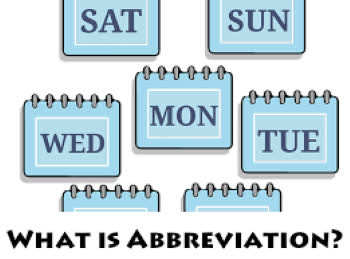
abbreviation

/əˌbriː.viˈeɪ.ʃən/

(noun) คำย่อ

ตัวอย่าง:

''Dr.'' is the abbreviation for ''Doctor''.
''Dr.'' เป็นคำย่อของ ''Doctor''

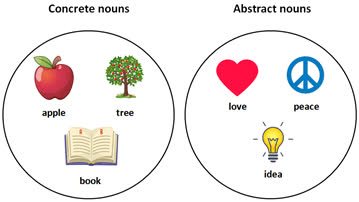
abstract noun

/ˈæbstrækt naʊn/

(noun) คำนามนามธรรม

ตัวอย่าง:

Happiness is an abstract noun.
ความสุขเป็นคำนามนามธรรม

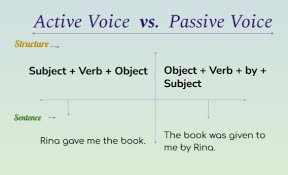
active voice

/ˌæk.tɪv ˈvɔɪs/

(noun) ประธานเป็นผู้กระทำ, แอคทีฟวอยซ์

ตัวอย่าง:

In the sentence 'The student wrote the essay,' the verb is in the active voice.
ในประโยค 'นักเรียนเขียนเรียงความ' กริยาอยู่ในรูปประธานเป็นผู้กระทำ

active

/ˈæk.tɪv/

(adjective) กระตือรือร้น, คล่องแคล่ว, คุกรุ่น

ตัวอย่าง:

He leads a very active lifestyle, always hiking and cycling.
เขาใช้ชีวิตที่กระตือรือร้นมาก มักจะเดินป่าและปั่นจักรยานเสมอ

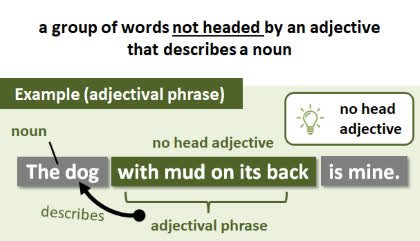
adjectival

/ˌædʒ.ekˈtaɪ.vəl/

(adjective) เกี่ยวกับคำคุณศัพท์, ทำหน้าที่เป็นคำคุณศัพท์

ตัวอย่าง:
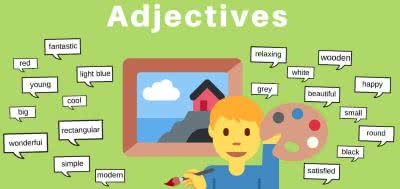
The word 'beautiful' is an adjectival form.
คำว่า 'beautiful' เป็นรูปคำคุณศัพท์

adjective

/ˈædʒ.ek.tɪv/

(noun) คำคุณศัพท์

ตัวอย่าง:

In the sentence 'The big dog barked loudly,' 'big' is an adjective.
ในประโยค 'สุนัขตัวใหญ่เห่าเสียงดัง' 'ใหญ่' เป็นคำคุณศัพท์

adverb

/ˈæd.vɝːb/

(noun) คำวิเศษณ์

ตัวอย่าง:

In the sentence 'She sings beautifully,' 'beautifully' is an adverb.
ในประโยค 'เธอร้องเพลงเพราะ' คำว่า 'เพราะ' เป็นคำวิเศษณ์

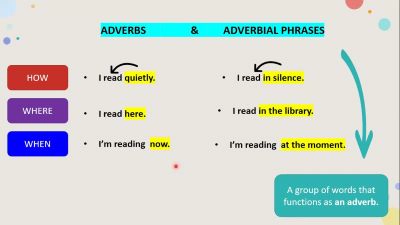
adverbial

/ədˈvɝː.bi.əl/

(adjective) วิเศษณ์, เกี่ยวกับกริยาวิเศษณ์;

(noun) คำวิเศษณ์, วลีวิเศษณ์

ตัวอย่าง:

The phrase 'very quickly' is an adverbial phrase.
วลี 'very quickly' เป็นวลีวิเศษณ์

affirmative

/əˈfɝː.mə.t̬ɪv/

(adjective) เห็นด้วย, ยืนยัน, เชิงรุก;

(noun) การยืนยัน, ใช่

ตัวอย่าง:
Her answer was an affirmative nod.
คำตอบของเธอคือการพยักหน้าเห็นด้วย

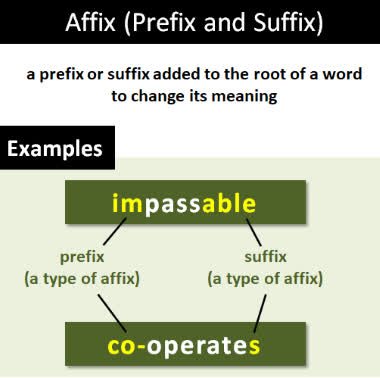
affix

/əˈfɪks/

(verb) ติด, แนบ, ประทับ;

(noun) หน่วยคำเติม, อุปสรรค, ปัจจัย

ตัวอย่าง:

The label was affixed to the package.
ฉลากถูกติดไว้ที่หีบห่อ

agree

/əˈɡriː/

(verb) เห็นด้วย, ตกลง, ตรงกัน

ตัวอย่าง:

I agree with your assessment.
ฉันเห็นด้วยกับการประเมินของคุณ

agreement

/əˈɡriː.mənt/

(noun) ข้อตกลง, ความเห็นพ้อง, การยินยอม

ตัวอย่าง:

We reached an agreement on the terms of the contract.
เราบรรลุข้อตกลงเกี่ยวกับเงื่อนไขของสัญญา

article

/ˈɑːr.t̬ɪ.kəl/

(noun) บทความ, ข้อเขียน, สิ่งของ;

(article) คำนำหน้านาม

ตัวอย่าง:
She wrote an interesting article about climate change.
เธอเขียนบทความที่น่าสนใจเกี่ยวกับการเปลี่ยนแปลงสภาพภูมิอากาศ

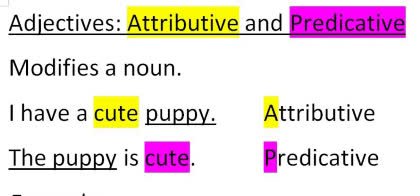
attributive

/əˈtrɪb.jə.t̬ɪv/

(adjective) คุณานุประโยค

ตัวอย่าง:

In the phrase 'a red car', 'red' is an attributive adjective.
ในวลี 'รถสีแดง' คำว่า 'แดง' เป็นคำคุณศัพท์คุณานุประโยค

auxiliary

/ɑːɡˈzɪl.i.er.i/

(adjective) สำรอง, เสริม;

(noun) ผู้ช่วย, ผู้สนับสนุน;

(auxiliary verb) กริยาช่วย

ตัวอย่าง:

The hospital has an auxiliary power generator.
โรงพยาบาลมีเครื่องกำเนิดไฟฟ้าสำรอง

cardinal

/ˈkɑːr.dɪ.nəl/

(noun) นกคาร์ดินัล, นกคาร์ดินัลแดง, พระคาร์ดินัล;

(adjective) สำคัญ, หลัก, พื้นฐาน

ตัวอย่าง:
A bright red cardinal landed on the bird feeder.
นกคาร์ดินัลสีแดงสดใสลงจอดบนที่ให้อาหารนก

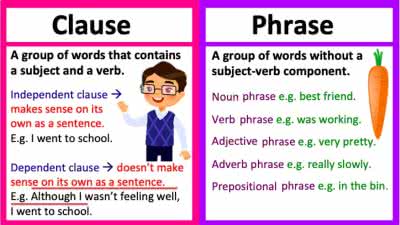
clause

/klɑːz/

(noun) อนุประโยค, ข้อกำหนด, เงื่อนไข

ตัวอย่าง:
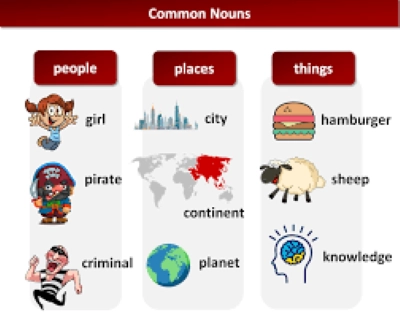
The sentence 'I went home because I was tired' contains two clauses.
ประโยค 'ฉันกลับบ้านเพราะฉันเหนื่อย' มีสองอนุประโยค

common noun

/ˈkɑː.mən naʊn/

(noun) คำนามทั่วไป

ตัวอย่าง:

In the sentence 'The dog barked loudly,' 'dog' is a common noun.
ในประโยค 'สุนัขเห่าเสียงดัง' คำว่า 'สุนัข' เป็นคำนามทั่วไป

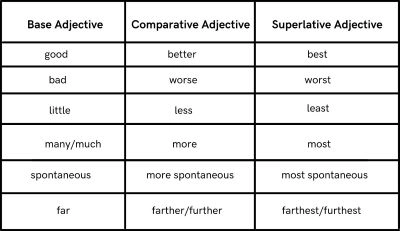
comparative

/kəmˈper.ə.t̬ɪv/

(adjective) เปรียบเทียบ, เชิงเปรียบเทียบ, ขั้นกว่า;

(noun) ขั้นกว่า

ตัวอย่าง:

The study involved a comparative analysis of different teaching methods.
การศึกษาเกี่ยวข้องกับการวิเคราะห์เปรียบเทียบวิธีการสอนที่แตกต่างกัน

complement

/ˈkɑːm.plə.ment/

(noun) ส่วนเติมเต็ม, สิ่งที่ทำให้สมบูรณ์, จำนวนที่ครบถ้วน;

(verb) เสริม, ทำให้สมบูรณ์

ตัวอย่าง:
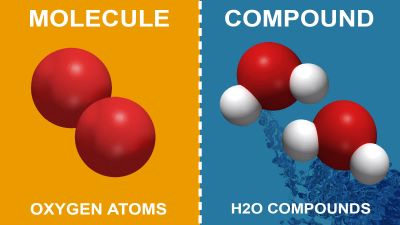
The wine was a perfect complement to the meal.
ไวน์เป็นส่วนเติมเต็มที่สมบูรณ์แบบสำหรับมื้ออาหาร

compound

/ˈkɑːm.paʊnd/

(noun) สารประกอบ, ส่วนผสม, อาคารประกอบ;

(verb) ทำให้แย่ลง, เพิ่มความรุนแรง, ทบต้น;

(adjective) ซับซ้อน, ประสม

ตัวอย่าง:
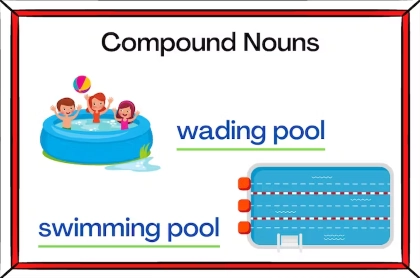
Water is a chemical compound of hydrogen and oxygen.
น้ำเป็นสารประกอบทางเคมีของไฮโดรเจนและออกซิเจน

compound noun

/ˈkɑːmpaʊnd naʊn/

(noun) คำนามประสม

ตัวอย่าง:

The word 'sunflower' is a compound noun.
คำว่า 'sunflower' เป็นคำนามประสม

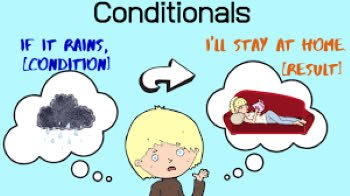
conditional

/kənˈdɪʃ.ən.əl/

(adjective) มีเงื่อนไข, ตามเงื่อนไข, เงื่อนไข;

(noun) คำเชื่อมเงื่อนไข, ประโยคเงื่อนไข

ตัวอย่าง:
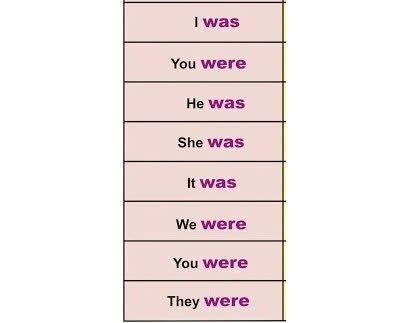
The offer is conditional on a satisfactory inspection.
ข้อเสนอเป็นไปตามเงื่อนไขของการตรวจสอบที่น่าพอใจ

conjugate

/ˈkɑːn.dʒə.ɡeɪt/

(verb) ผัน, กระจาย, รวมกัน;

(adjective) คู่กัน, ผัน;

(noun) คู่กรด

ตัวอย่าง:
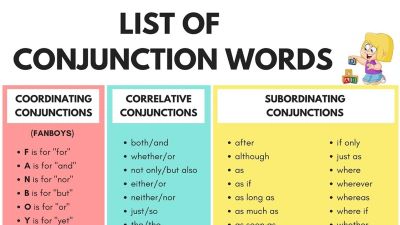
Students learn to conjugate verbs in different tenses.
นักเรียนเรียนรู้การผันคำกริยาในกาลต่างๆ

conjunction

/kənˈdʒʌŋk.ʃən/

(noun) คำสันธาน, การรวมกัน, การเกิดขึ้นพร้อมกัน

ตัวอย่าง:

The word 'and' is a common conjunction.
คำว่า 'and' เป็นคำสันธานที่พบบ่อย

continuous

/kənˈtɪn.ju.əs/

(adjective) ต่อเนื่อง, ไม่หยุดหย่อน

ตัวอย่าง:
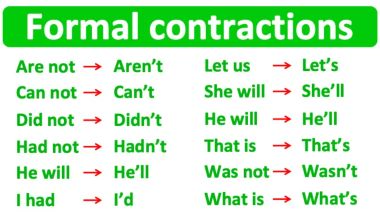
The rain was continuous for three days.
ฝนตกต่อเนื่องเป็นเวลาสามวัน

contraction

/kənˈtræk.ʃən/

(noun) การหดตัว, การหดสั้นลง, คำย่อ

ตัวอย่าง:
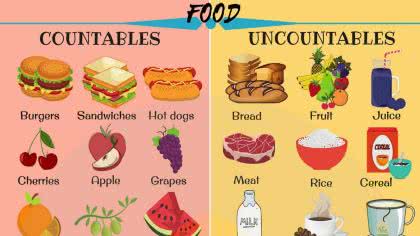
The contraction of the muscles caused the arm to bend.
การหดตัวของกล้ามเนื้อทำให้แขนงอ

countable

/ˈkaʊn.t̬ə.bəl/

(adjective) นับได้

ตัวอย่าง:

The number of students in the class is countable.
จำนวนนักเรียนในชั้นเรียนสามารถนับได้

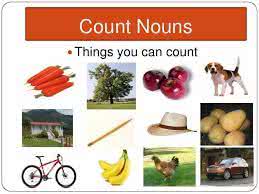
count noun

/ˈkaʊnt naʊn/

(noun) คำนามนับได้

ตัวอย่าง:

The word 'cat' is a count noun because you can have one cat or many cats.
คำว่า 'cat' เป็น คำนามนับได้ เพราะคุณสามารถมีแมวหนึ่งตัวหรือหลายตัวก็ได้

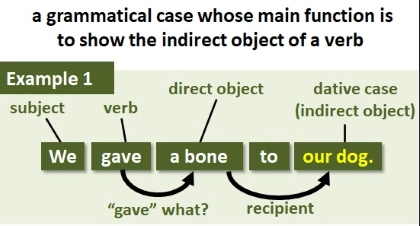
dative

/ˈdeɪ.t̬ɪv/

(noun) กรรมรอง;

(adjective) เกี่ยวกับกรรมรอง

ตัวอย่าง:

In German, the word 'mir' is in the dative case, meaning 'to me' or 'for me'.
ในภาษาเยอรมัน คำว่า 'mir' อยู่ในรูป กรรมรอง ซึ่งหมายถึง 'ให้ฉัน' หรือ 'เพื่อฉัน'

decline

/dɪˈklaɪn/

(verb) ปฏิเสธ, ไม่ยอมรับ, ลดลง;

(noun) การลดลง, การเสื่อมถอย, ความทรุดโทรม

ตัวอย่าง:

She had to decline the invitation to the party due to a prior engagement.
เธอต้องปฏิเสธคำเชิญไปงานปาร์ตี้เนื่องจากมีนัดหมายก่อนหน้า

defining

/dɪˈfaɪ.nɪŋ/

(adjective) ที่กำหนด, ที่บ่งชี้

ตัวอย่าง:

His honesty is a defining characteristic.
ความซื่อสัตย์ของเขาเป็นลักษณะที่กำหนด

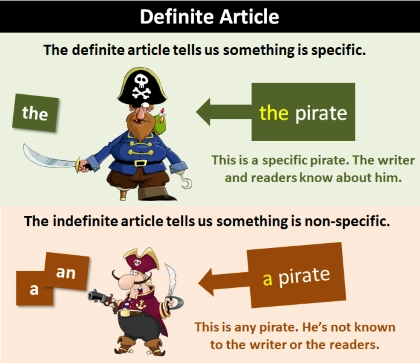
definite article

/ˈdef.ɪ.nɪt ˈɑːr.tɪ.kl̩/

(noun) คำนำหน้านามชี้เฉพาะ

ตัวอย่าง:

In the sentence 'The dog barked,' 'the' is a definite article.
ในประโยค 'สุนัขเห่า' คำว่า 'the' เป็น คำนำหน้านามชี้เฉพาะ

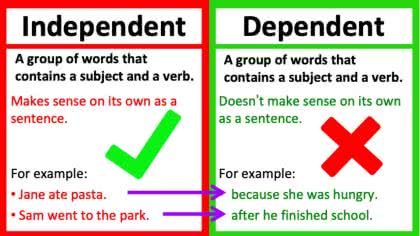
dependent clause

/dɪˌpen.dənt ˈklɑːz/

(noun) อนุประโยคไม่สมบูรณ์, อนุประโยคย่อย

ตัวอย่าง:
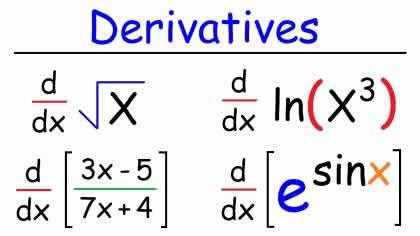
In the sentence 'Although it was raining, we went for a walk,' 'Although it was raining' is a dependent clause.
ในประโยค 'แม้ว่าฝนจะตก เราก็ไปเดินเล่น' 'แม้ว่าฝนจะตก' คือ อนุประโยคไม่สมบูรณ์

derivative

/dɪˈrɪv.ə.t̬ɪv/

(noun) ผลงานที่ได้มาจาก, สิ่งที่ได้มาจาก, ตราสารอนุพันธ์;

(adjective) ที่ได้มาจาก, ที่ลอกเลียนแบบ

ตัวอย่าง:
His new song is a derivative of an old folk tune.
เพลงใหม่ของเขาเป็นผลงานที่ได้มาจากเพลงพื้นบ้านเก่า

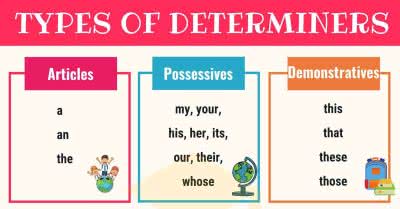
determiner

/dɪˈtɝː.mə.nɚ/

(noun) คำนำหน้านาม

ตัวอย่าง:

In the sentence 'The cat sat on the mat,' 'the' is a determiner.
ในประโยค 'The cat sat on the mat' คำว่า 'the' เป็น คำนำหน้านาม

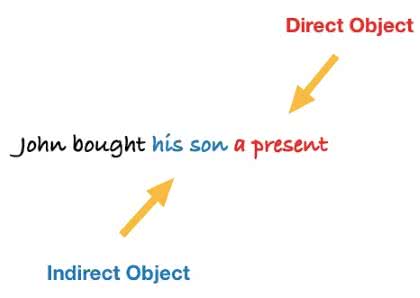
direct object

/ˌdɪ.rekt ˈɑːb.dʒekt/

(noun) กรรมตรง

ตัวอย่าง:

In the sentence 'She ate an apple,' 'an apple' is the direct object.
ในประโยค 'เธอกินแอปเปิล' 'แอปเปิล' คือ กรรมตรง

direct speech

/ˌdɪ.rekt ˈspiːtʃ/

(noun) คำพูดโดยตรง, การพูดโดยตรง

ตัวอย่าง:
In the sentence, 'He said, "I am tired,"' the part "I am tired" is direct speech.
ในประโยค 'เขาพูดว่า "ฉันเหนื่อย"' ส่วน "ฉันเหนื่อย" คือ คำพูดโดยตรง

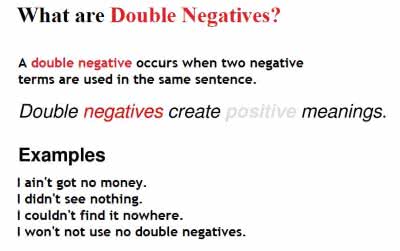
double negative

/ˌdʌbl ˈneɡətɪv/

(noun) ปฏิเสธซ้อน

ตัวอย่าง:

The sentence "I don't know nothing" is an example of a double negative.
ประโยค "ฉันไม่รู้อะไรเลย" เป็นตัวอย่างของ ปฏิเสธซ้อน
เรียนชุดคำศัพท์นี้ที่ Lingoland