Avatar of Vocabulary Set 문법 1

언어 내 문법 1 어휘 세트: 완전하고 상세한 목록

'언어' 내 '문법 1' 어휘 세트는 국제 표준 교재 출처에서 엄선되어 짧은 시간 안에 어휘를 마스터할 수 있도록 도와줍니다. 정의, 예문, 표준 발음을 완벽하게 수록...

Lingoland에서 이 어휘 세트 학습하기

지금 학습하기
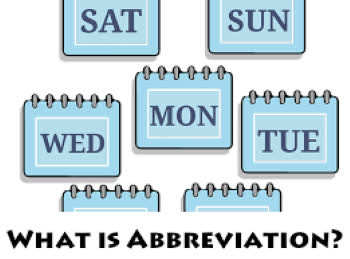
abbreviation

/əˌbriː.viˈeɪ.ʃən/

(noun) 약어

예시:

''Dr.'' is the abbreviation for ''Doctor''.
''Dr.''는 ''Doctor''의 약어입니다.

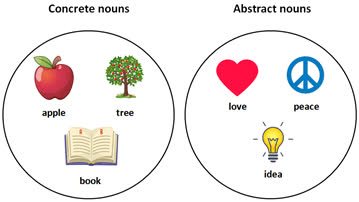
abstract noun

/ˈæbstrækt naʊn/

(noun) 추상 명사

예시:

Happiness is an abstract noun.
행복은 추상 명사이다.

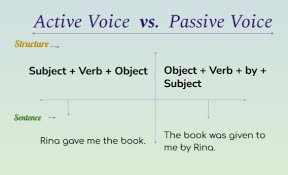
active voice

/ˌæk.tɪv ˈvɔɪs/

(noun) 능동태

예시:

In the sentence 'The student wrote the essay,' the verb is in the active voice.
'학생이 에세이를 썼다'는 문장에서 동사는 능동태이다.

active

/ˈæk.tɪv/

(adjective) 활동적인, 적극적인, 활동 중인

예시:

He leads a very active lifestyle, always hiking and cycling.
그는 항상 하이킹과 자전거를 타며 매우 활동적인 생활 방식을 유지합니다.

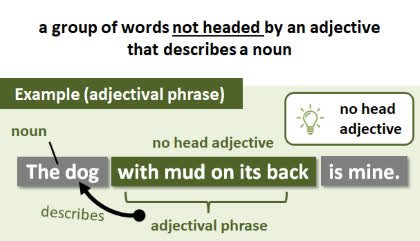
adjectival

/ˌædʒ.ekˈtaɪ.vəl/

(adjective) 형용사의, 형용사적인

예시:

The word 'beautiful' is an adjectival form.
'아름다운'이라는 단어는 형용사적인 형태이다.

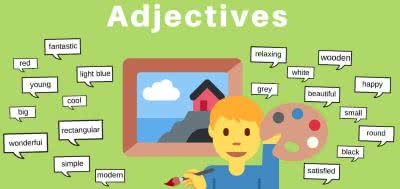
adjective

/ˈædʒ.ek.tɪv/

(noun) 형용사

예시:

In the sentence 'The big dog barked loudly,' 'big' is an adjective.
'큰 개가 크게 짖었다'라는 문장에서 '큰'은 형용사이다.

adverb

/ˈæd.vɝːb/

(noun) 부사

예시:

In the sentence 'She sings beautifully,' 'beautifully' is an adverb.
'그녀는 아름답게 노래한다'에서 '아름답게'는 부사이다.

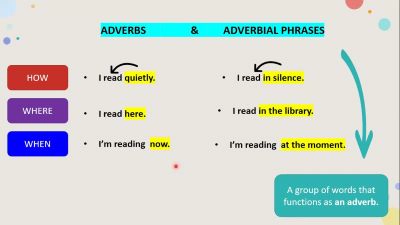
adverbial

/ədˈvɝː.bi.əl/

(adjective) 부사의, 부사적인;

(noun) 부사어, 부사

예시:

The phrase 'very quickly' is an adverbial phrase.
'매우 빠르게'라는 구는 부사구이다.

affirmative

/əˈfɝː.mə.t̬ɪv/

(adjective) 긍정적인, 찬성하는, 확실한;

(noun) 긍정, 예

예시:
Her answer was an affirmative nod.
그녀의 대답은 긍정적인 고개 끄덕임이었다.

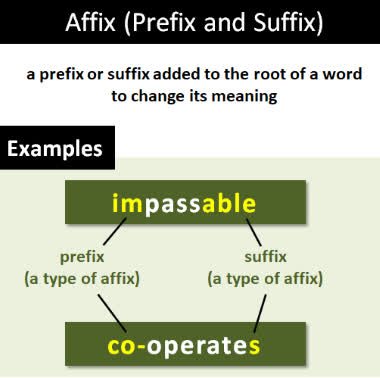
affix

/əˈfɪks/

(verb) 붙이다, 첨부하다, 고정시키다;

(noun) 접사, 접두사, 접미사

예시:

The label was affixed to the package.
라벨이 소포에 부착되었다.

agree

/əˈɡriː/

(verb) 동의하다, 찬성하다, 일치하다

예시:

I agree with your assessment.
나는 당신의 평가에 동의합니다.

agreement

/əˈɡriː.mənt/

(noun) 합의, 동의, 협정

예시:

We reached an agreement on the terms of the contract.
우리는 계약 조건에 대한 합의에 도달했다.

article

/ˈɑːr.t̬ɪ.kəl/

(noun) 기사, 논문, 물품;

(article) 관사

예시:

She wrote an interesting article about climate change.
그녀는 기후 변화에 대한 흥미로운 기사를 썼다.

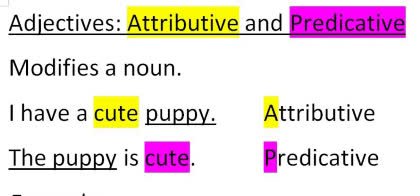
attributive

/əˈtrɪb.jə.t̬ɪv/

(adjective) 한정적

예시:

In the phrase 'a red car', 'red' is an attributive adjective.
'빨간 차'라는 구문에서 '빨간'은 한정적 형용사이다.

auxiliary

/ɑːɡˈzɪl.i.er.i/

(adjective) 보조의, 추가의;

(noun) 보조원, 조수;

(auxiliary verb) 조동사

예시:

The hospital has an auxiliary power generator.
병원은 보조 발전기를 가지고 있다.

cardinal

/ˈkɑːr.dɪ.nəl/

(noun) 홍관조, 카디널, 추기경;

(adjective) 가장 중요한, 기본적인, 주요한

예시:
A bright red cardinal landed on the bird feeder.
밝은 빨간색 홍관조가 새 모이통에 앉았다.

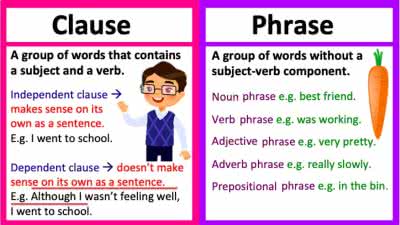
clause

/klɑːz/

(noun) 절, 조항, 규정

예시:

The sentence 'I went home because I was tired' contains two clauses.
'피곤해서 집에 갔다'는 문장은 두 개의 을 포함한다.

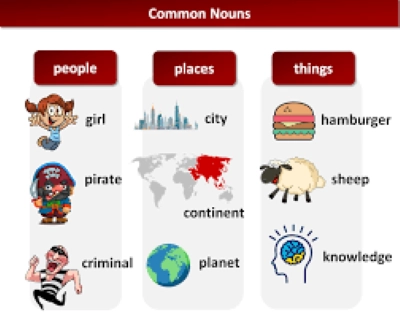
common noun

/ˈkɑː.mən naʊn/

(noun) 보통 명사

예시:

In the sentence 'The dog barked loudly,' 'dog' is a common noun.
문장 '그 가 크게 짖었다'에서 '개'는 보통 명사이다.

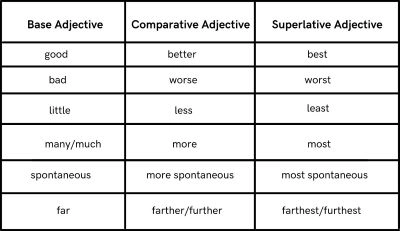
comparative

/kəmˈper.ə.t̬ɪv/

(adjective) 비교의, 상대적인, 비교급;

(noun) 비교급

예시:

The study involved a comparative analysis of different teaching methods.
그 연구는 다양한 교수법에 대한 비교 분석을 포함했다.

complement

/ˈkɑːm.plə.ment/

(noun) 보완물, 보충, 완전한 수;

(verb) 보완하다, 완성하다

예시:
The wine was a perfect complement to the meal.
그 와인은 식사에 완벽한 보완이었다.

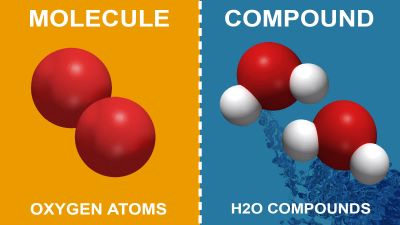
compound

/ˈkɑːm.paʊnd/

(noun) 화합물, 혼합물, 구내;

(verb) 악화시키다, 가중시키다, 복리로 계산하다;

(adjective) 복합의, 합성의

예시:
Water is a chemical compound of hydrogen and oxygen.
물은 수소와 산소의 화학 화합물이다.

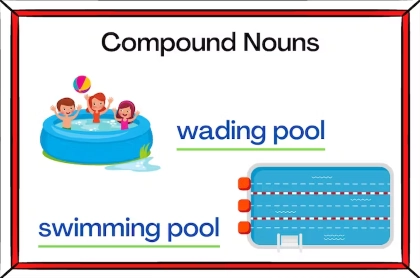
compound noun

/ˈkɑːmpaʊnd naʊn/

(noun) 복합 명사

예시:

The word 'sunflower' is a compound noun.
'sunflower'는 복합 명사입니다.

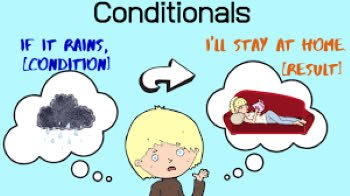
conditional

/kənˈdɪʃ.ən.əl/

(adjective) 조건부의, 조건의;

(noun) 조건절, 조건 접속사

예시:
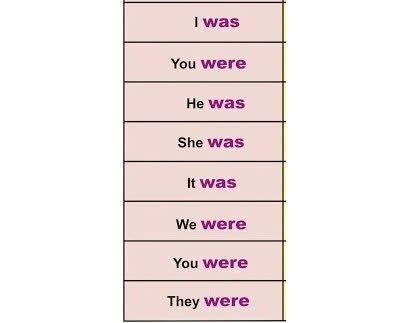
The offer is conditional on a satisfactory inspection.
그 제안은 만족스러운 검사에 조건부이다.

conjugate

/ˈkɑːn.dʒə.ɡeɪt/

(verb) 활용하다, 결합하다, 연결하다;

(adjective) 접합된;

(noun)

예시:

Students learn to conjugate verbs in different tenses.
학생들은 다양한 시제로 동사를 활용하는 법을 배운다.

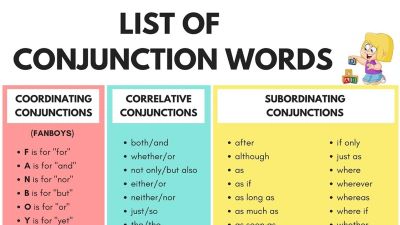
conjunction

/kənˈdʒʌŋk.ʃən/

(noun) 접속사, 합, 결합

예시:

The word 'and' is a common conjunction.
'and'는 흔한 접속사이다.

continuous

/kənˈtɪn.ju.əs/

(adjective) 연속적인, 끊임없는

예시:

The rain was continuous for three days.
비가 사흘 내내 계속 내렸다.

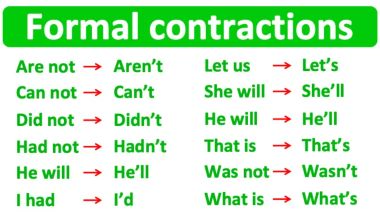
contraction

/kənˈtræk.ʃən/

(noun) 수축, 축소, 축약형

예시:

The contraction of the muscles caused the arm to bend.
근육의 수축으로 팔이 구부러졌다.

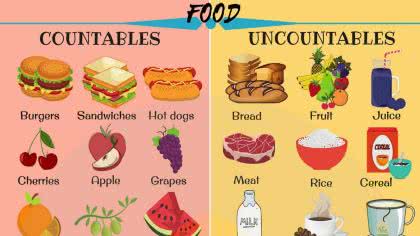
countable

/ˈkaʊn.t̬ə.bəl/

(adjective) 셀 수 있는, 가산의

예시:

The number of students in the class is countable.
수업의 학생 수는 셀 수 있다.

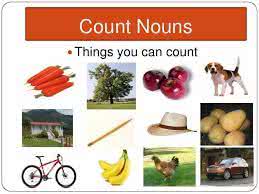
count noun

/ˈkaʊnt naʊn/

(noun) 가산 명사

예시:

The word 'cat' is a count noun because you can have one cat or many cats.
'고양이'라는 단어는 한 마리의 고양이 또는 여러 마리의 고양이를 가질 수 있으므로 가산 명사입니다.

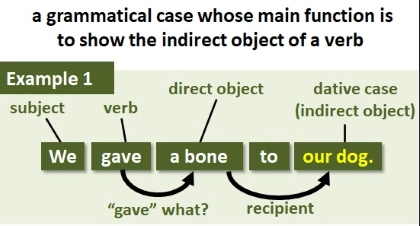
dative

/ˈdeɪ.t̬ɪv/

(noun) 여격;

(adjective) 여격의

예시:

In German, the word 'mir' is in the dative case, meaning 'to me' or 'for me'.
독일어에서 'mir'는 여격으로, '나에게' 또는 '나를 위해'를 의미합니다.

decline

/dɪˈklaɪn/

(verb) 거절하다, 사양하다, 감소하다;

(noun) 감소, 하락, 쇠퇴

예시:
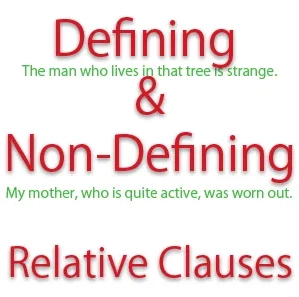
She had to decline the invitation to the party due to a prior engagement.
그녀는 선약 때문에 파티 초대를 거절해야 했다.

defining

/dɪˈfaɪ.nɪŋ/

(adjective) 결정적인, 정의하는

예시:

His honesty is a defining characteristic.
그의 정직함은 결정적인 특징이다.

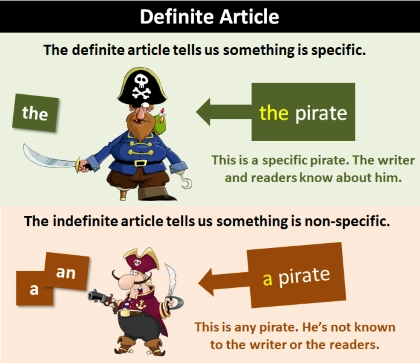
definite article

/ˈdef.ɪ.nɪt ˈɑːr.tɪ.kl̩/

(noun) 정관사

예시:

In the sentence 'The dog barked,' 'the' is a definite article.
'그 개가 짖었다'라는 문장에서 '그'는 정관사이다.

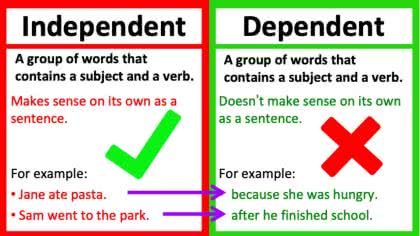
dependent clause

/dɪˌpen.dənt ˈklɑːz/

(noun) 종속절, 부속절

예시:

In the sentence 'Although it was raining, we went for a walk,' 'Although it was raining' is a dependent clause.
'비가 왔지만, 우리는 산책을 갔다'라는 문장에서 '비가 왔지만'은 종속절이다.

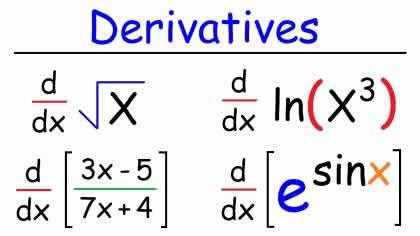
derivative

/dɪˈrɪv.ə.t̬ɪv/

(noun) 파생물, 파생어, 파생상품;

(adjective) 파생된, 모방적인

예시:
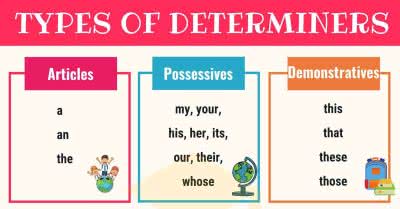
His new song is a derivative of an old folk tune.
그의 새 노래는 오래된 민요의 파생물이다.

determiner

/dɪˈtɝː.mə.nɚ/

(noun) 한정사

예시:

In the sentence 'The cat sat on the mat,' 'the' is a determiner.
'고양이가 매트 위에 앉았다'라는 문장에서 'the'는 한정사이다.

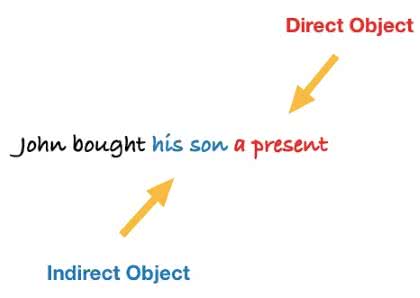
direct object

/ˌdɪ.rekt ˈɑːb.dʒekt/

(noun) 직접 목적어

예시:

In the sentence 'She ate an apple,' 'an apple' is the direct object.
'그녀는 사과를 먹었다'라는 문장에서 '사과'는 직접 목적어이다.

direct speech

/ˌdɪ.rekt ˈspiːtʃ/

(noun) 직접 화법, 직접 인용

예시:

In the sentence, 'He said, "I am tired,"' the part "I am tired" is direct speech.
문장에서 '그는 "피곤해"라고 말했다'에서 "피곤해"는 직접 화법이다.

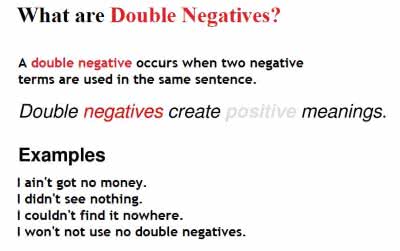
double negative

/ˌdʌbl ˈneɡətɪv/

(noun) 이중 부정

예시:

The sentence "I don't know nothing" is an example of a double negative.
“나는 아무것도 모른다”는 문장은 이중 부정의 예시이다.
Lingoland에서 이 어휘 세트 학습하기