Avatar of Vocabulary Set Grammaire 1

Ensemble de vocabulaire Grammaire 1 dans Langue : Liste complète et détaillée

L'ensemble de vocabulaire 'Grammaire 1' dans 'Langue' est soigneusement sélectionné à partir de sources de manuels internationaux standard, vous aidant à maîtriser le vocabulaire en peu de temps. Compilation complète de définitions, exemples illustratifs et prononciation standard...

Apprendre cet ensemble de vocabulaire sur Lingoland

Apprendre maintenant
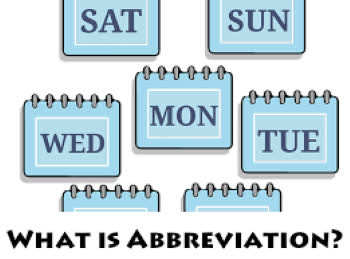
abbreviation

/əˌbriː.viˈeɪ.ʃən/

(noun) abréviation

Exemple:

''Dr.'' is the abbreviation for ''Doctor''.
« Dr » est l'abréviation de « Docteur ».

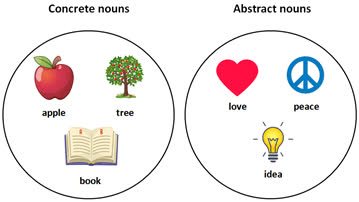
abstract noun

/ˈæbstrækt naʊn/

(noun) nom abstrait

Exemple:

Happiness is an abstract noun.
Le bonheur est un nom abstrait.

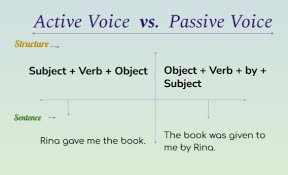
active voice

/ˌæk.tɪv ˈvɔɪs/

(noun) voix active

Exemple:

In the sentence 'The student wrote the essay,' the verb is in the active voice.
Dans la phrase 'L'étudiant a écrit l'essai', le verbe est à la voix active.

active

/ˈæk.tɪv/

(adjective) actif, dynamique, en vigueur

Exemple:

He leads a very active lifestyle, always hiking and cycling.
Il mène une vie très active, toujours en randonnée et à vélo.

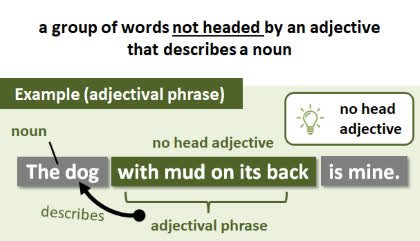
adjectival

/ˌædʒ.ekˈtaɪ.vəl/

(adjective) adjectival, qualificatif

Exemple:
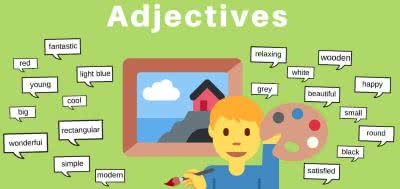
The word 'beautiful' is an adjectival form.
Le mot 'beau' est une forme adjectivale.

adjective

/ˈædʒ.ek.tɪv/

(noun) adjectif

Exemple:

In the sentence 'The big dog barked loudly,' 'big' is an adjective.
Dans la phrase 'Le grand chien aboyait fort', 'grand' est un adjectif.

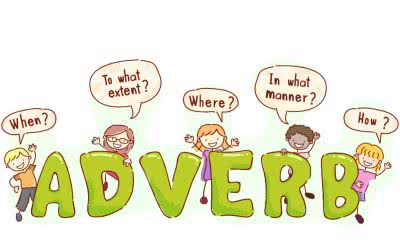
adverb

/ˈæd.vɝːb/

(noun) adverbe

Exemple:

In the sentence 'She sings beautifully,' 'beautifully' is an adverb.
Dans la phrase 'Elle chante magnifiquement', 'magnifiquement' est un adverbe.

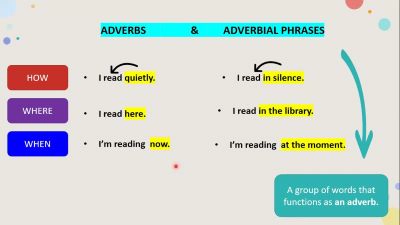
adverbial

/ədˈvɝː.bi.əl/

(adjective) adverbial;

(noun) adverbial, adverbe

Exemple:

The phrase 'very quickly' is an adverbial phrase.
L'expression 'très rapidement' est une expression adverbiale.

affirmative

/əˈfɝː.mə.t̬ɪv/

(adjective) affirmatif, positif, certain;

(noun) oui, affirmation

Exemple:
Her answer was an affirmative nod.
Sa réponse fut un signe de tête affirmatif.

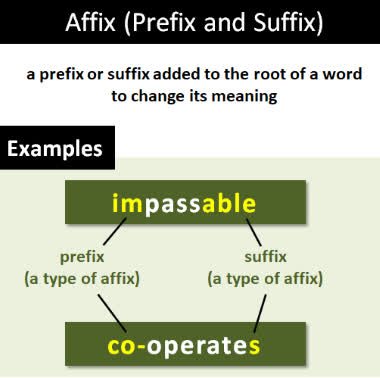
affix

/əˈfɪks/

(verb) apposer, fixer, attacher;

(noun) affixe, préfixe, suffixe

Exemple:

The label was affixed to the package.
L'étiquette a été apposée sur le colis.

agree

/əˈɡriː/

(verb) être d'accord, convenir, correspondre

Exemple:

I agree with your assessment.
Je suis d'accord avec votre évaluation.

agreement

/əˈɡriː.mənt/

(noun) accord, entente, consentement

Exemple:

We reached an agreement on the terms of the contract.
Nous sommes parvenus à un accord sur les termes du contrat.

article

/ˈɑːr.t̬ɪ.kəl/

(noun) article, objet;

(article) article

Exemple:
She wrote an interesting article about climate change.
Elle a écrit un article intéressant sur le changement climatique.

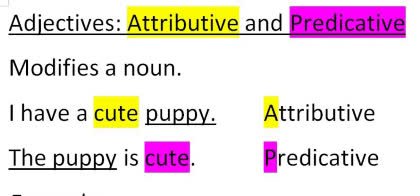
attributive

/əˈtrɪb.jə.t̬ɪv/

(adjective) attributif

Exemple:

In the phrase 'a red car', 'red' is an attributive adjective.
Dans l'expression 'une voiture rouge', 'rouge' est un adjectif attributif.

auxiliary

/ɑːɡˈzɪl.i.er.i/

(adjective) auxiliaire, supplémentaire;

(noun) auxiliaire, assistant;

(auxiliary verb) verbe auxiliaire

Exemple:

The hospital has an auxiliary power generator.
L'hôpital dispose d'un générateur d'énergie auxiliaire.

cardinal

/ˈkɑːr.dɪ.nəl/

(noun) cardinal, cardinal rouge;

(adjective) cardinal, essentiel, fondamental

Exemple:
A bright red cardinal landed on the bird feeder.
Un cardinal rouge vif s'est posé sur la mangeoire à oiseaux.

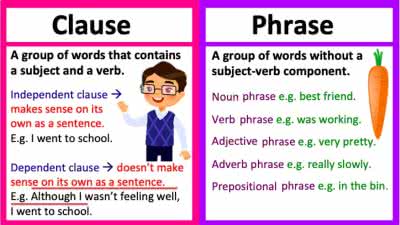
clause

/klɑːz/

(noun) proposition, clause, disposition

Exemple:
The sentence 'I went home because I was tired' contains two clauses.
La phrase 'Je suis rentré parce que j'étais fatigué' contient deux propositions.

common noun

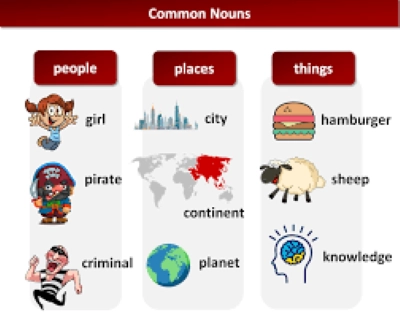
/ˈkɑː.mən naʊn/

(noun) nom commun

Exemple:

In the sentence 'The dog barked loudly,' 'dog' is a common noun.
Dans la phrase 'Le chien aboyait fort', 'chien' est un nom commun.

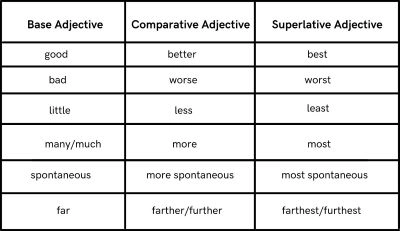
comparative

/kəmˈper.ə.t̬ɪv/

(adjective) comparatif, relatif;

(noun) comparatif

Exemple:

The study involved a comparative analysis of different teaching methods.
L'étude a impliqué une analyse comparative de différentes méthodes d'enseignement.

complement

/ˈkɑːm.plə.ment/

(noun) complément, effectif;

(verb) compléter

Exemple:
The wine was a perfect complement to the meal.
Le vin était un parfait complément au repas.

compound

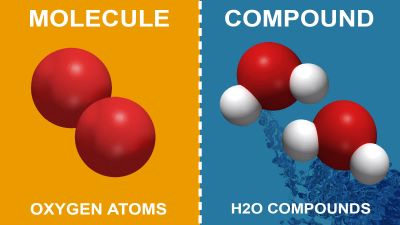
/ˈkɑːm.paʊnd/

(noun) composé, mélange, complexe;

(verb) aggraver, intensifier, composer;

(adjective) composé

Exemple:
Water is a chemical compound of hydrogen and oxygen.
L'eau est un composé chimique d'hydrogène et d'oxygène.

compound noun

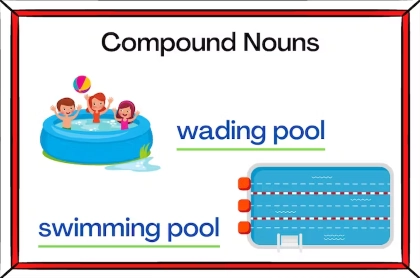
/ˈkɑːmpaʊnd naʊn/

(noun) nom composé

Exemple:

The word 'sunflower' is a compound noun.
Le mot 'tournesol' est un nom composé.

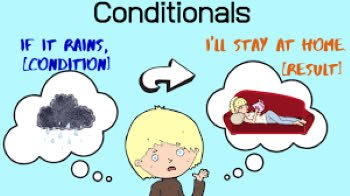
conditional

/kənˈdɪʃ.ən.əl/

(adjective) conditionnel;

(noun) conditionnel, conjonction conditionnelle

Exemple:
The offer is conditional on a satisfactory inspection.
L'offre est conditionnelle à une inspection satisfaisante.

conjugate

/ˈkɑːn.dʒə.ɡeɪt/

(verb) conjuguer, joindre, unir;

(adjective) conjugué;

(noun) conjugué

Exemple:
Students learn to conjugate verbs in different tenses.
Les étudiants apprennent à conjuguer les verbes à différents temps.

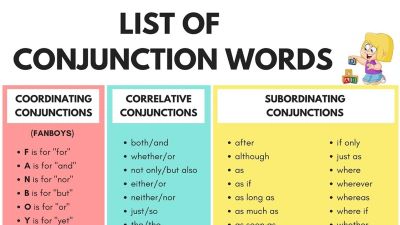
conjunction

/kənˈdʒʌŋk.ʃən/

(noun) conjonction, coïncidence, union

Exemple:

The word 'and' is a common conjunction.
Le mot 'et' est une conjonction courante.

continuous

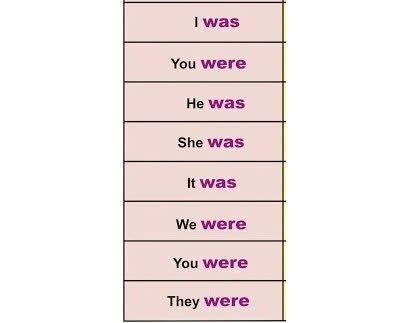
/kənˈtɪn.ju.əs/

(adjective) continu, ininterrompu

Exemple:
The rain was continuous for three days.
La pluie a été continue pendant trois jours.

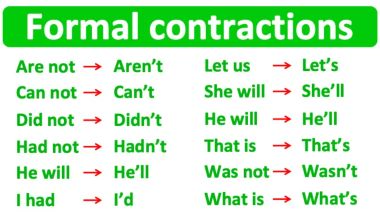
contraction

/kənˈtræk.ʃən/

(noun) contraction, réduction, forme abrégée

Exemple:
The contraction of the muscles caused the arm to bend.
La contraction des muscles a fait plier le bras.

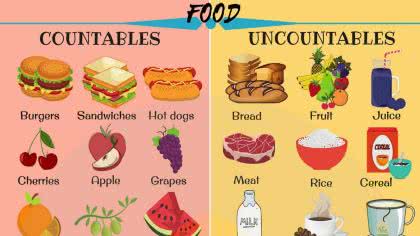
countable

/ˈkaʊn.t̬ə.bəl/

(adjective) dénombrable

Exemple:

The number of students in the class is countable.
Le nombre d'étudiants dans la classe est dénombrable.

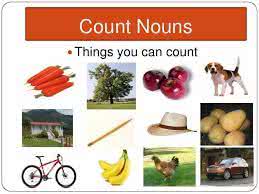
count noun

/ˈkaʊnt naʊn/

(noun) nom dénombrable

Exemple:

The word 'cat' is a count noun because you can have one cat or many cats.
Le mot 'chat' est un nom dénombrable car vous pouvez avoir un chat ou plusieurs chats.

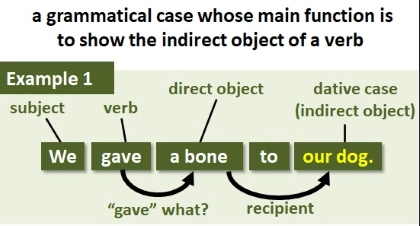
dative

/ˈdeɪ.t̬ɪv/

(noun) datif;

(adjective) datif

Exemple:

In German, the word 'mir' is in the dative case, meaning 'to me' or 'for me'.
En allemand, le mot 'mir' est au cas datif, signifiant 'à moi' ou 'pour moi'.

decline

/dɪˈklaɪn/

(verb) décliner, refuser, diminuer;

(noun) déclin, baisse, diminution

Exemple:
She had to decline the invitation to the party due to a prior engagement.
Elle a dû décliner l'invitation à la fête en raison d'un engagement antérieur.

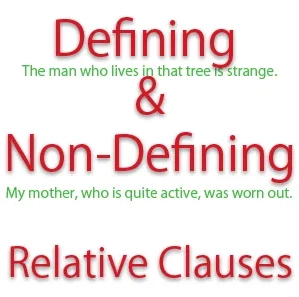
defining

/dɪˈfaɪ.nɪŋ/

(adjective) définissant, déterminant

Exemple:
His honesty is a defining characteristic.
Son honnêteté est une caractéristique définissante.

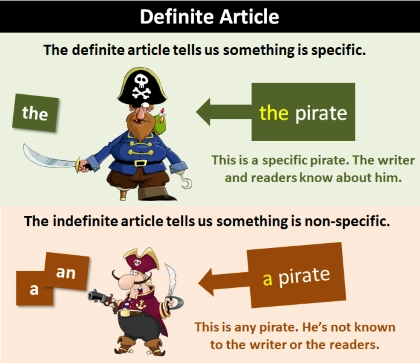
definite article

/ˈdef.ɪ.nɪt ˈɑːr.tɪ.kl̩/

(noun) article défini

Exemple:

In the sentence 'The dog barked,' 'the' is a definite article.
Dans la phrase 'Le chien a aboyé', 'le' est un article défini.

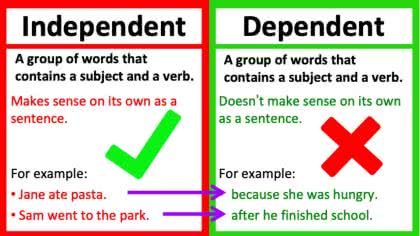
dependent clause

/dɪˌpen.dənt ˈklɑːz/

(noun) proposition subordonnée, clause dépendante

Exemple:
In the sentence 'Although it was raining, we went for a walk,' 'Although it was raining' is a dependent clause.
Dans la phrase 'Bien qu'il pleuvait, nous sommes allés nous promener', 'Bien qu'il pleuvait' est une proposition subordonnée.

derivative

/dɪˈrɪv.ə.t̬ɪv/

(noun) dérivé, produit dérivé, produits dérivés;

(adjective) dérivé, issu

Exemple:
His new song is a derivative of an old folk tune.
Sa nouvelle chanson est un dérivé d'une vieille mélodie folklorique.

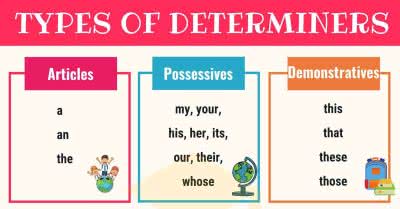
determiner

/dɪˈtɝː.mə.nɚ/

(noun) déterminant

Exemple:

In the sentence 'The cat sat on the mat,' 'the' is a determiner.
Dans la phrase 'Le chat était assis sur le tapis', 'le' est un déterminant.

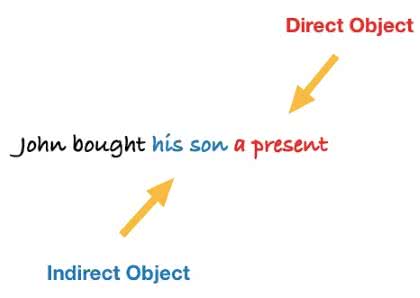
direct object

/ˌdɪ.rekt ˈɑːb.dʒekt/

(noun) complément d'objet direct

Exemple:
In the sentence 'She ate an apple,' 'an apple' is the direct object.
Dans la phrase 'Elle a mangé une pomme', 'une pomme' est le complément d'objet direct.

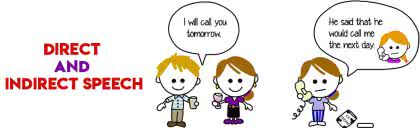
direct speech

/ˌdɪ.rekt ˈspiːtʃ/

(noun) discours direct, parole directe

Exemple:
In the sentence, 'He said, "I am tired,"' the part "I am tired" is direct speech.
Dans la phrase, « Il a dit : « Je suis fatigué » », la partie « Je suis fatigué » est un discours direct.

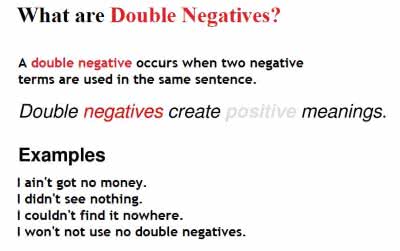
double negative

/ˌdʌbl ˈneɡətɪv/

(noun) double négation

Exemple:

The sentence "I don't know nothing" is an example of a double negative.
La phrase « Je ne sais rien » est un exemple de double négation.
Apprendre cet ensemble de vocabulaire sur Lingoland