Avatar of Vocabulary Set Grammatica 1

Insieme di vocabolario Grammatica 1 in Lingua: Lista completa e dettagliata

L'insieme di vocabolario 'Grammatica 1' in 'Lingua' è selezionato con cura da fonti di testi standard internazionali, aiutandoti a padroneggiare il vocabolario in breve tempo. Compilazione completa di definizioni, esempi illustrativi e pronuncia standard...

Impara questo insieme di vocabolario su Lingoland

Impara ora
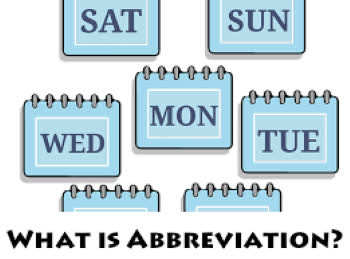
abbreviation

/əˌbriː.viˈeɪ.ʃən/

(noun) abbreviazione

Esempio:

''Dr.'' is the abbreviation for ''Doctor''.
''Dr.'' è l'abbreviazione di ''Doctor''.

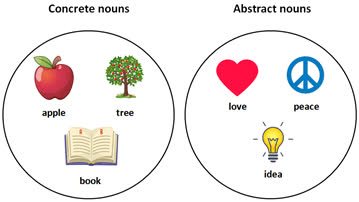
abstract noun

/ˈæbstrækt naʊn/

(noun) nome astratto

Esempio:

Happiness is an abstract noun.
La felicità è un nome astratto.

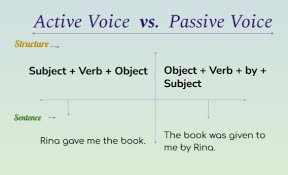
active voice

/ˌæk.tɪv ˈvɔɪs/

(noun) forma attiva, voce attiva

Esempio:

In the sentence 'The student wrote the essay,' the verb is in the active voice.
Nella frase 'Lo studente ha scritto il saggio', il verbo è in forma attiva.

active

/ˈæk.tɪv/

(adjective) attivo, energico, in vigore

Esempio:

He leads a very active lifestyle, always hiking and cycling.
Conduce uno stile di vita molto attivo, sempre a fare escursioni e in bicicletta.

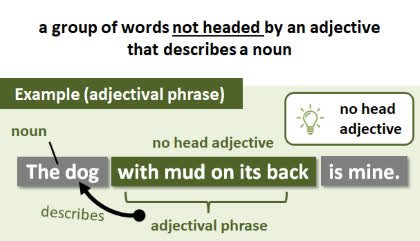
adjectival

/ˌædʒ.ekˈtaɪ.vəl/

(adjective) aggettivale

Esempio:

The word 'beautiful' is an adjectival form.
La parola 'bello' è una forma aggettivale.

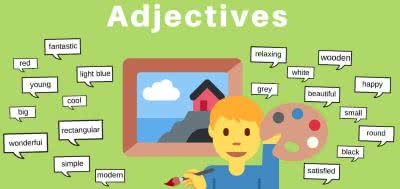
adjective

/ˈædʒ.ek.tɪv/

(noun) aggettivo

Esempio:

In the sentence 'The big dog barked loudly,' 'big' is an adjective.
Nella frase 'Il grande cane abbaiò forte', 'grande' è un aggettivo.

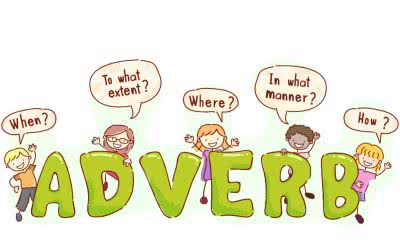
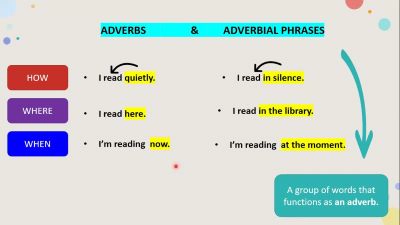
adverb

/ˈæd.vɝːb/

(noun) avverbio

Esempio:

In the sentence 'She sings beautifully,' 'beautifully' is an adverb.
Nella frase 'Lei canta magnificamente', 'magnificamente' è un avverbio.

adverbial

/ədˈvɝː.bi.əl/

(adjective) avverbiale;

(noun) avverbiale, avverbio

Esempio:

The phrase 'very quickly' is an adverbial phrase.
La frase 'molto velocemente' è una frase avverbiale.

affirmative

/əˈfɝː.mə.t̬ɪv/

(adjective) affermativo, positivo;

(noun) sì, affermazione

Esempio:
Her answer was an affirmative nod.
La sua risposta fu un cenno affermativo.

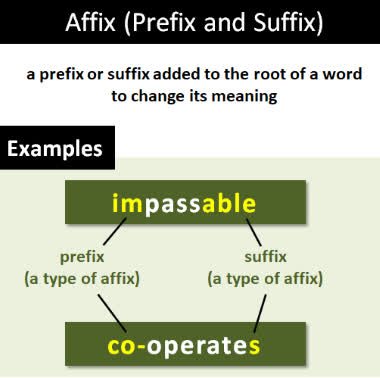
affix

/əˈfɪks/

(verb) apporre, fissare, allegare;

(noun) affisso, prefisso, suffisso

Esempio:

The label was affixed to the package.
L'etichetta è stata apposta sul pacco.

agree

/əˈɡriː/

(verb) essere d'accordo, concordare, corrispondere

Esempio:

I agree with your assessment.
Sono d'accordo con la tua valutazione.

agreement

/əˈɡriː.mənt/

(noun) accordo, concordia, intesa

Esempio:

We reached an agreement on the terms of the contract.
Abbiamo raggiunto un accordo sui termini del contratto.

article

/ˈɑːr.t̬ɪ.kəl/

(noun) articolo, oggetto;

(article) articolo

Esempio:
She wrote an interesting article about climate change.
Ha scritto un interessante articolo sul cambiamento climatico.

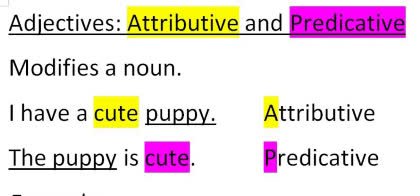
attributive

/əˈtrɪb.jə.t̬ɪv/

(adjective) attributivo

Esempio:

In the phrase 'a red car', 'red' is an attributive adjective.
Nella frase 'una macchina rossa', 'rossa' è un aggettivo attributivo.

auxiliary

/ɑːɡˈzɪl.i.er.i/

(adjective) ausiliario, supplementare;

(noun) ausiliario, assistente;

(auxiliary verb) verbo ausiliare

Esempio:

The hospital has an auxiliary power generator.
L'ospedale ha un generatore di corrente ausiliario.

cardinal

/ˈkɑːr.dɪ.nəl/

(noun) cardinale, uccello cardinale;

(adjective) cardinale, fondamentale, principale

Esempio:
A bright red cardinal landed on the bird feeder.
Un cardinale rosso brillante è atterrato sulla mangiatoia per uccelli.

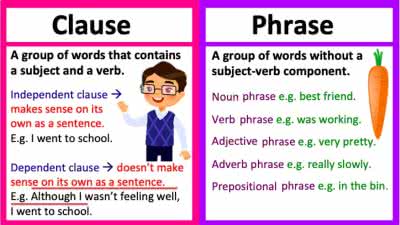
clause

/klɑːz/

(noun) clausola, disposizione

Esempio:
The sentence 'I went home because I was tired' contains two clauses.
La frase 'Sono andato a casa perché ero stanco' contiene due clausole.

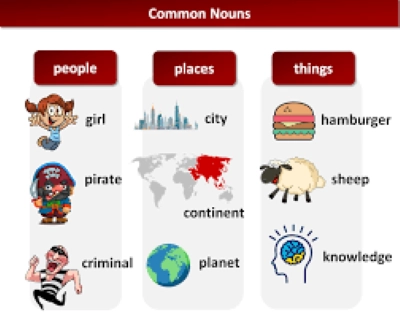
common noun

/ˈkɑː.mən naʊn/

(noun) nome comune

Esempio:

In the sentence 'The dog barked loudly,' 'dog' is a common noun.
Nella frase 'Il cane abbaiò forte', 'cane' è un nome comune.

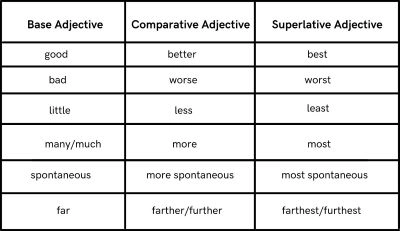
comparative

/kəmˈper.ə.t̬ɪv/

(adjective) comparativo, relativo;

(noun) comparativo

Esempio:

The study involved a comparative analysis of different teaching methods.
Lo studio ha coinvolto un'analisi comparativa di diversi metodi di insegnamento.

complement

/ˈkɑːm.plə.ment/

(noun) complemento, numero completo;

(verb) completare, integrare

Esempio:

The wine was a perfect complement to the meal.
Il vino era un perfetto complemento al pasto.

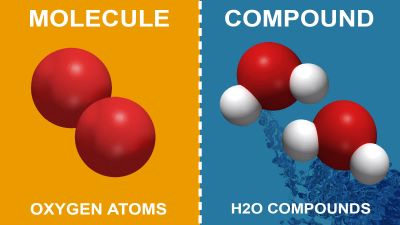
compound

/ˈkɑːm.paʊnd/

(noun) composto, miscela, complesso;

(verb) aggravare, complicare, capitalizzare;

(adjective) composto

Esempio:
Water is a chemical compound of hydrogen and oxygen.
L'acqua è un composto chimico di idrogeno e ossigeno.

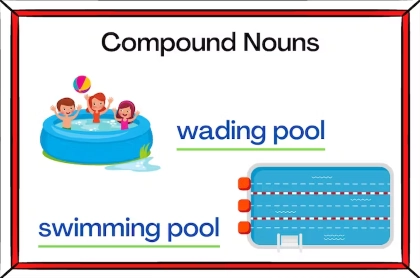
compound noun

/ˈkɑːmpaʊnd naʊn/

(noun) nome composto

Esempio:

The word 'sunflower' is a compound noun.
La parola 'girasole' è un nome composto.

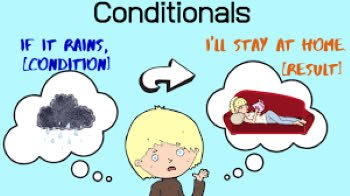
conditional

/kənˈdɪʃ.ən.əl/

(adjective) condizionale;

(noun) condizionale, congiunzione condizionale

Esempio:
The offer is conditional on a satisfactory inspection.
L'offerta è condizionata a un'ispezione soddisfacente.

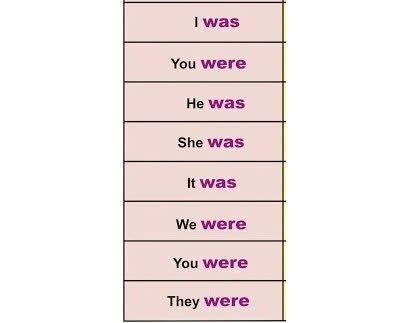
conjugate

/ˈkɑːn.dʒə.ɡeɪt/

(verb) coniugare, unire;

(adjective) coniugato;

(noun) coniugato

Esempio:
Students learn to conjugate verbs in different tenses.
Gli studenti imparano a coniugare i verbi in diversi tempi.

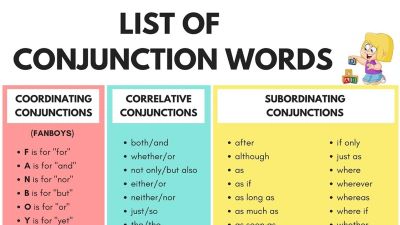
conjunction

/kənˈdʒʌŋk.ʃən/

(noun) congiunzione, coincidenza, unione

Esempio:

The word 'and' is a common conjunction.
La parola 'e' è una congiunzione comune.

continuous

/kənˈtɪn.ju.əs/

(adjective) continuo, ininterrotto

Esempio:
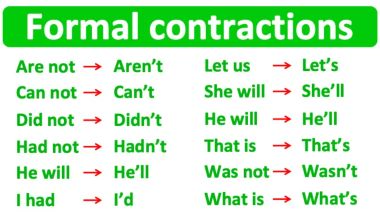
The rain was continuous for three days.
La pioggia è stata continua per tre giorni.

contraction

/kənˈtræk.ʃən/

(noun) contrazione, restringimento, forma abbreviata

Esempio:
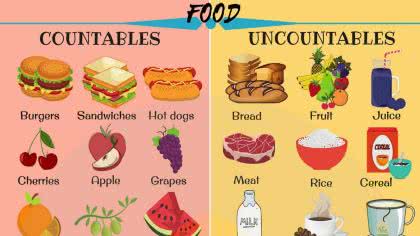
The contraction of the muscles caused the arm to bend.
La contrazione dei muscoli ha causato la flessione del braccio.

countable

/ˈkaʊn.t̬ə.bəl/

(adjective) numerabile, contabile

Esempio:
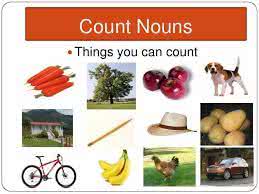
The number of students in the class is countable.
Il numero di studenti nella classe è numerabile.

count noun

/ˈkaʊnt naʊn/

(noun) nome numerabile

Esempio:

The word 'cat' is a count noun because you can have one cat or many cats.
La parola 'gatto' è un nome numerabile perché puoi avere un gatto o molti gatti.

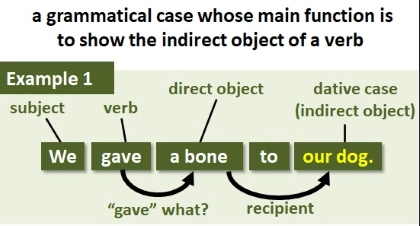
dative

/ˈdeɪ.t̬ɪv/

(noun) dativo;

(adjective) dativo

Esempio:

In German, the word 'mir' is in the dative case, meaning 'to me' or 'for me'.
In tedesco, la parola 'mir' è nel caso dativo, che significa 'a me' o 'per me'.

decline

/dɪˈklaɪn/

(verb) declinare, rifiutare, diminuire;

(noun) declino, calo, deterioramento

Esempio:
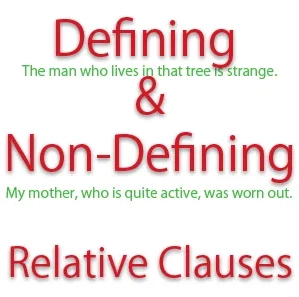
She had to decline the invitation to the party due to a prior engagement.
Ha dovuto declinare l'invito alla festa a causa di un impegno precedente.

defining

/dɪˈfaɪ.nɪŋ/

(adjective) determinante, definitivo

Esempio:
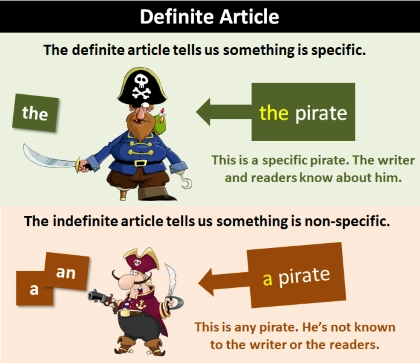
His honesty is a defining characteristic.
La sua onestà è una caratteristica determinante.

definite article

/ˈdef.ɪ.nɪt ˈɑːr.tɪ.kl̩/

(noun) articolo determinativo

Esempio:
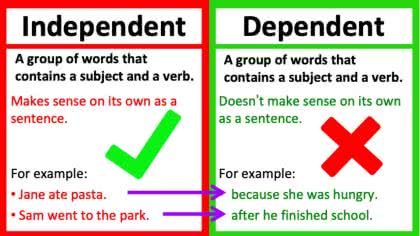
In the sentence 'The dog barked,' 'the' is a definite article.
Nella frase 'Il cane ha abbaiato', 'il' è un articolo determinativo.

dependent clause

/dɪˌpen.dənt ˈklɑːz/

(noun) proposizione subordinata, clausola dipendente

Esempio:
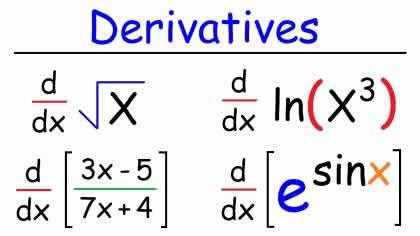
In the sentence 'Although it was raining, we went for a walk,' 'Although it was raining' is a dependent clause.
Nella frase 'Anche se pioveva, siamo andati a fare una passeggiata', 'Anche se pioveva' è una proposizione subordinata.

derivative

/dɪˈrɪv.ə.t̬ɪv/

(noun) derivato, prodotto derivato, derivati;

(adjective) derivato, derivante

Esempio:
His new song is a derivative of an old folk tune.
La sua nuova canzone è un derivato di una vecchia melodia popolare.

determiner

/dɪˈtɝː.mə.nɚ/

(noun) determinante

Esempio:

In the sentence 'The cat sat on the mat,' 'the' is a determiner.
Nella frase 'Il gatto si sedette sul tappeto', 'il' è un determinante.

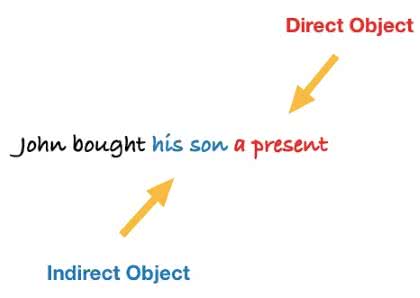
direct object

/ˌdɪ.rekt ˈɑːb.dʒekt/

(noun) complemento oggetto diretto

Esempio:
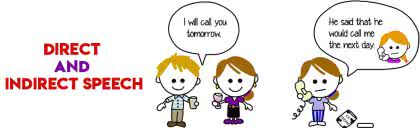
In the sentence 'She ate an apple,' 'an apple' is the direct object.
Nella frase 'Ha mangiato una mela', 'una mela' è il complemento oggetto diretto.

direct speech

/ˌdɪ.rekt ˈspiːtʃ/

(noun) discorso diretto

Esempio:

In the sentence, 'He said, "I am tired,"' the part "I am tired" is direct speech.
Nella frase, 'Ha detto: "Sono stanco"', la parte "Sono stanco" è discorso diretto.

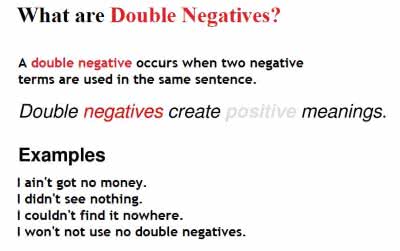
double negative

/ˌdʌbl ˈneɡətɪv/

(noun) doppia negazione

Esempio:

The sentence "I don't know nothing" is an example of a double negative.
La frase "Non so niente" è un esempio di doppia negazione.
Impara questo insieme di vocabolario su Lingoland