Avatar of Vocabulary Set 语法 1

词汇集 语法 1(属于 语言):完整且详细的清单

词汇集「语法 1」(属于「语言」)从国际标准教材来源精心挑选,帮助您在短时间内掌握词汇。全面汇整定义、例句及标准发音…

在 Lingoland 学习此词汇集

立即学习
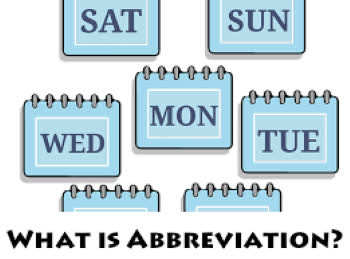
abbreviation

/əˌbriː.viˈeɪ.ʃən/

(noun) 缩写

示例:

''Dr.'' is the abbreviation for ''Doctor''.
“Dr.”是“Doctor”的缩写

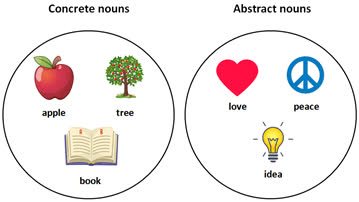
abstract noun

/ˈæbstrækt naʊn/

(noun) 抽象名词

示例:

Happiness is an abstract noun.
幸福是一个抽象名词。

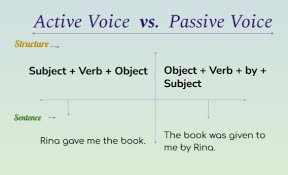
active voice

/ˌæk.tɪv ˈvɔɪs/

(noun) 主动语态

示例:

In the sentence 'The student wrote the essay,' the verb is in the active voice.
在句子“学生写了这篇论文”中,动词是主动语态

active

/ˈæk.tɪv/

(adjective) 积极的, 活跃的, 有效的

示例:

He leads a very active lifestyle, always hiking and cycling.
他过着非常积极的生活方式,总是徒步旅行和骑自行车。

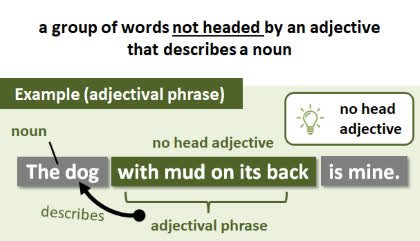
adjectival

/ˌædʒ.ekˈtaɪ.vəl/

(adjective) 形容词的, 形容词性的

示例:

The word 'beautiful' is an adjectival form.
“美丽”这个词是形容词性的。

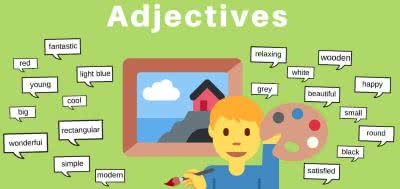
adjective

/ˈædʒ.ek.tɪv/

(noun) 形容词

示例:

In the sentence 'The big dog barked loudly,' 'big' is an adjective.
在句子“大狗叫得很响”中,“大”是一个形容词

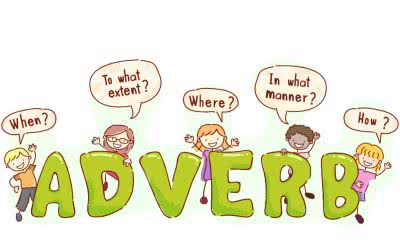
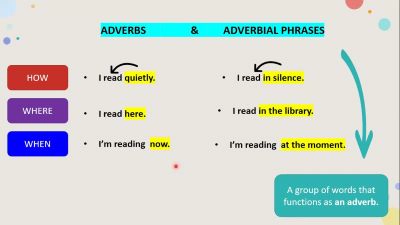
adverb

/ˈæd.vɝːb/

(noun) 副词

示例:

In the sentence 'She sings beautifully,' 'beautifully' is an adverb.
在句子“她唱得很美”中,“很美”是一个副词。

adverbial

/ədˈvɝː.bi.əl/

(adjective) 副词的, 副词性的;

(noun) 状语, 副词

示例:

The phrase 'very quickly' is an adverbial phrase.
“非常快”这个短语是一个副词性短语。

affirmative

/əˈfɝː.mə.t̬ɪv/

(adjective) 肯定的, 赞成的, 积极的;

(noun) 肯定, 是

示例:
Her answer was an affirmative nod.
她的回答是肯定的点头。

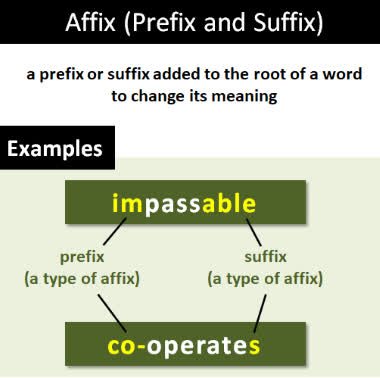
affix

/əˈfɪks/

(verb) 贴上, 附上, 固定;

(noun) 词缀, 前缀, 后缀

示例:

The label was affixed to the package.
标签被贴在包裹上。

agree

/əˈɡriː/

(verb) 同意, 赞同, 符合

示例:

I agree with your assessment.
同意你的评估。

agreement

/əˈɡriː.mənt/

(noun) 协议, 同意, 一致

示例:

We reached an agreement on the terms of the contract.
我们就合同条款达成了协议

article

/ˈɑːr.t̬ɪ.kəl/

(noun) 文章, 报道, 物品;

(article) 冠词

示例:

She wrote an interesting article about climate change.
她写了一篇关于气候变化的有趣文章

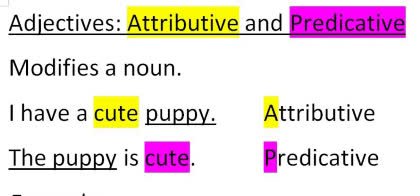
attributive

/əˈtrɪb.jə.t̬ɪv/

(adjective) 定语的

示例:

In the phrase 'a red car', 'red' is an attributive adjective.
在“一辆红色的车”这个短语中,“红色”是一个定语形容词。

auxiliary

/ɑːɡˈzɪl.i.er.i/

(adjective) 辅助的, 备用的;

(noun) 辅助人员, 助手;

(auxiliary verb) 助动词

示例:

The hospital has an auxiliary power generator.
医院有一个辅助发电机。

cardinal

/ˈkɑːr.dɪ.nəl/

(noun) 北美红雀, 红衣主教鸟, 红衣主教;

(adjective) 主要的, 基本的, 根本的

示例:
A bright red cardinal landed on the bird feeder.
一只鲜红的北美红雀落在鸟食槽上。

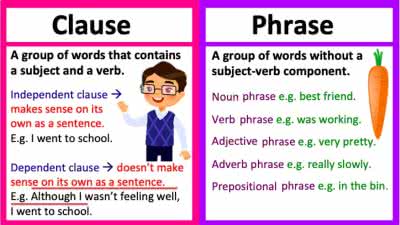
clause

/klɑːz/

(noun) 从句, 子句, 条款

示例:

The sentence 'I went home because I was tired' contains two clauses.
句子“我回家了因为我累了”包含两个从句

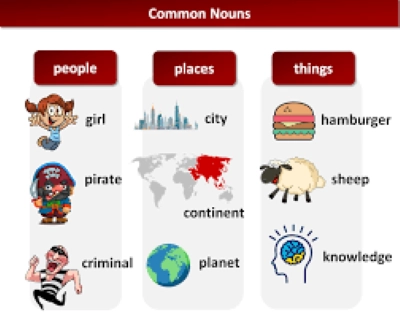
common noun

/ˈkɑː.mən naʊn/

(noun) 普通名词

示例:

In the sentence 'The dog barked loudly,' 'dog' is a common noun.
在句子“那只大声吠叫”中,“狗”是一个普通名词

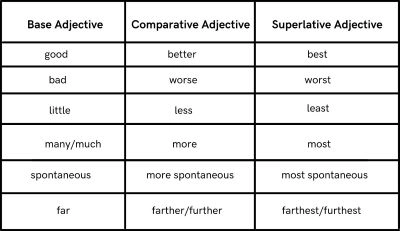
comparative

/kəmˈper.ə.t̬ɪv/

(adjective) 比较的, 相对的, 比较级;

(noun) 比较级

示例:

The study involved a comparative analysis of different teaching methods.
这项研究涉及对不同教学方法的比较分析。

complement

/ˈkɑːm.plə.ment/

(noun) 补充, 补足物, 数量;

(verb) 补充, 完善

示例:
The wine was a perfect complement to the meal.
这款酒是这顿饭的完美补充

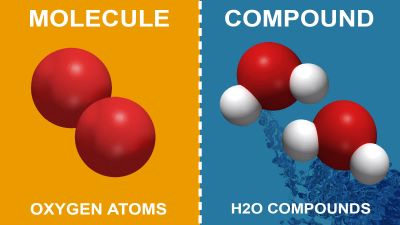
compound

/ˈkɑːm.paʊnd/

(noun) 化合物, 混合物, 大院;

(verb) 加剧, 使恶化, 复利计算;

(adjective) 复合的, 合成的

示例:
Water is a chemical compound of hydrogen and oxygen.
水是氢和氧的化学化合物

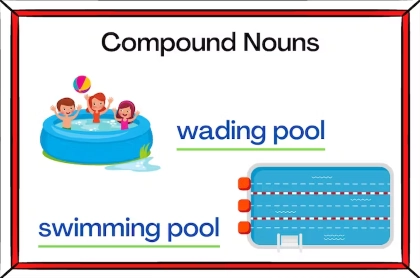
compound noun

/ˈkɑːmpaʊnd naʊn/

(noun) 复合名词

示例:

The word 'sunflower' is a compound noun.
“sunflower”这个词是一个复合名词

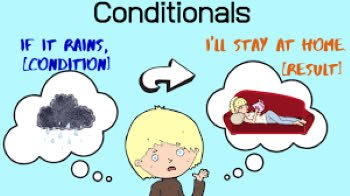
conditional

/kənˈdɪʃ.ən.əl/

(adjective) 有条件的, 附带条件的, 条件的;

(noun) 条件句, 条件连词

示例:
The offer is conditional on a satisfactory inspection.
该提议有条件地取决于令人满意的检查。

conjugate

/ˈkɑːn.dʒə.ɡeɪt/

(verb) 变位, 使结合, 结合;

(adjective) 结合的;

(noun) 共轭

示例:
Students learn to conjugate verbs in different tenses.
学生学习动词变位在不同时态。

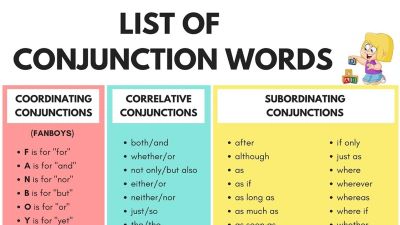
conjunction

/kənˈdʒʌŋk.ʃən/

(noun) 连词, 合相, 结合

示例:

The word 'and' is a common conjunction.
“和”这个词是一个常见的连词

continuous

/kənˈtɪn.ju.əs/

(adjective) 连续的, 持续的

示例:

The rain was continuous for three days.
连续下了三天。

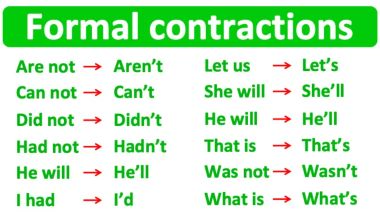
contraction

/kənˈtræk.ʃən/

(noun) 收缩, 缩小, 缩写

示例:

The contraction of the muscles caused the arm to bend.
肌肉的收缩导致手臂弯曲。

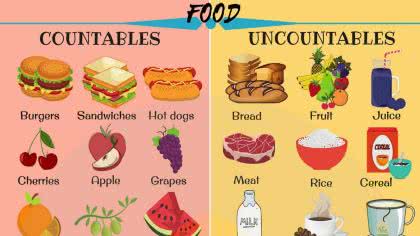
countable

/ˈkaʊn.t̬ə.bəl/

(adjective) 可数的

示例:

The number of students in the class is countable.
班级里的学生人数是可数的

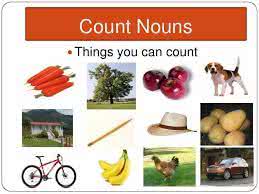
count noun

/ˈkaʊnt naʊn/

(noun) 可数名词

示例:

The word 'cat' is a count noun because you can have one cat or many cats.
“猫”这个词是可数名词,因为你可以有一只猫或许多猫。

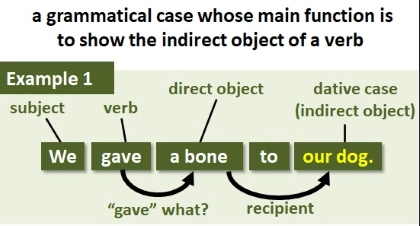
dative

/ˈdeɪ.t̬ɪv/

(noun) 与格;

(adjective) 与格的

示例:

In German, the word 'mir' is in the dative case, meaning 'to me' or 'for me'.
在德语中,单词“mir”是与格,意思是“给我”或“为我”。

decline

/dɪˈklaɪn/

(verb) 谢绝, 婉拒, 下降;

(noun) 下降, 衰退, 衰落

示例:
She had to decline the invitation to the party due to a prior engagement.
由于已有安排,她不得不谢绝派对邀请。

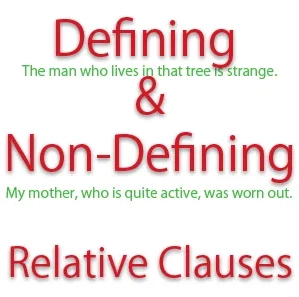
defining

/dɪˈfaɪ.nɪŋ/

(adjective) 决定性, 定义性

示例:

His honesty is a defining characteristic.
他的诚实是一个决定性的特征。

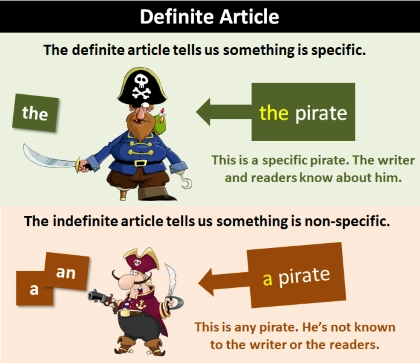
definite article

/ˈdef.ɪ.nɪt ˈɑːr.tɪ.kl̩/

(noun) 定冠词

示例:

In the sentence 'The dog barked,' 'the' is a definite article.
在句子“狗叫了”中,“the”是定冠词

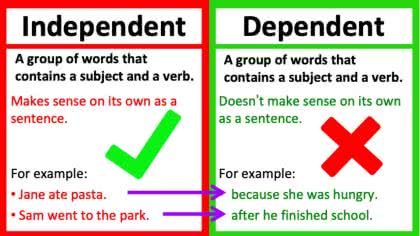
dependent clause

/dɪˌpen.dənt ˈklɑːz/

(noun) 从属子句, 从句

示例:

In the sentence 'Although it was raining, we went for a walk,' 'Although it was raining' is a dependent clause.
在句子“虽然下雨了,我们还是去散步了”中,“虽然下雨了”是一个从属子句

derivative

/dɪˈrɪv.ə.t̬ɪv/

(noun) 衍生品, 派生词;

(adjective) 派生的, 模仿的

示例:
His new song is a derivative of an old folk tune.
他的新歌是老民歌的衍生品

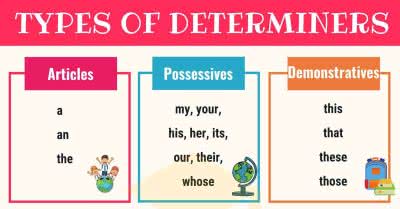
determiner

/dɪˈtɝː.mə.nɚ/

(noun) 限定词

示例:

In the sentence 'The cat sat on the mat,' 'the' is a determiner.
在句子“猫坐在垫子上”中,“the”是一个限定词

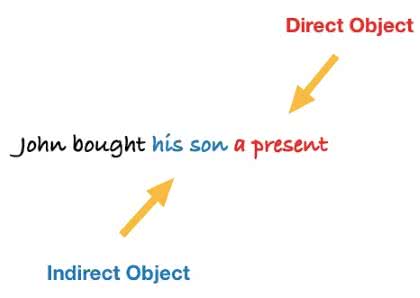
direct object

/ˌdɪ.rekt ˈɑːb.dʒekt/

(noun) 直接宾语

示例:

In the sentence 'She ate an apple,' 'an apple' is the direct object.
在句子“她吃了一个苹果”中,“一个苹果”是直接宾语

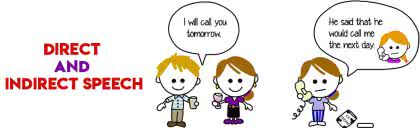
direct speech

/ˌdɪ.rekt ˈspiːtʃ/

(noun) 直接引语, 直接言语

示例:

In the sentence, 'He said, "I am tired,"' the part "I am tired" is direct speech.
在句子“他说:‘我累了’”中,“我累了”是直接引语

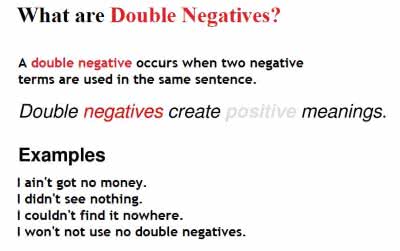
double negative

/ˌdʌbl ˈneɡətɪv/

(noun) 双重否定

示例:

The sentence "I don't know nothing" is an example of a double negative.
“我什么都不知道”这句话是双重否定的例子。
在 Lingoland 学习此词汇集