Avatar of Vocabulary Set วิชาเอกเคมี

ชุดคำศัพท์ วิชาเอกเคมี ในชุด เคมี: รายการเต็มรูปแบบและละเอียด

ชุดคำศัพท์ 'วิชาเอกเคมี' ในชุด 'เคมี' คัดเลือกอย่างพิถีพิถันจากแหล่งตำราสากลมาตรฐาน ช่วยให้คุณเชี่ยวชาญคำศัพท์ในเวลาอันสั้น รวมคำนิยาม ตัวอย่างประกอบ และการออกเสียงมาตรฐาน...

เรียนชุดคำศัพท์นี้ที่ Lingoland

เรียนเลย
absolute temperature

/ˈæb.sə.luːt ˈtem.pər.ə.tʃər/

(noun) อุณหภูมิสัมบูรณ์

ตัวอย่าง:

Scientists use absolute temperature in many physics calculations.
นักวิทยาศาสตร์ใช้อุณหภูมิสัมบูรณ์ในการคำนวณทางฟิสิกส์หลายอย่าง

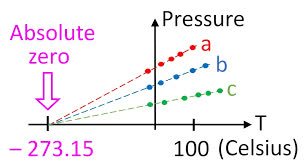
absolute zero

/ˌæb.sə.luːt ˈzɪr.oʊ/

(noun) ศูนย์สัมบูรณ์

ตัวอย่าง:

Scientists are trying to achieve temperatures close to absolute zero in their experiments.
นักวิทยาศาสตร์กำลังพยายามทำอุณหภูมิให้ใกล้เคียงกับศูนย์สัมบูรณ์ในการทดลองของพวกเขา

accuracy

/ˈæk.jɚ.ə.si/

(noun) ความถูกต้อง, ความแม่นยำ

ตัวอย่าง:
The report was praised for its accuracy.
รายงานได้รับการยกย่องในด้านความถูกต้อง

acid

/ˈæs.ɪd/

(noun) กรด;

(adjective) เป็นกรด, เปรี้ยว

ตัวอย่าง:
Sulfuric acid is a strong corrosive substance.
กรดซัลฟิวริกเป็นสารกัดกร่อนที่รุนแรง

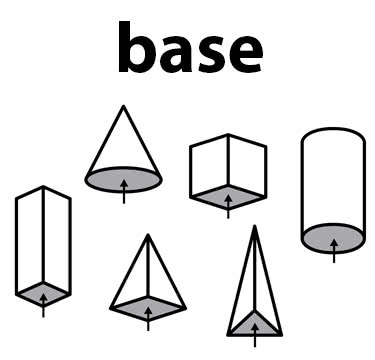
base

/beɪs/

(noun) ฐาน, รากฐาน, พื้นฐาน;

(verb) ตั้งอยู่บน, อิง;

(adjective) เลวทราม, ต่ำทราม

ตัวอย่าง:
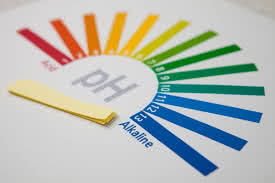
The statue stood on a marble base.
รูปปั้นตั้งอยู่บนฐานหินอ่อน

alkaline

/ˈæl.kəl.aɪn/

(adjective) อัลคาไลน์, ด่าง

ตัวอย่าง:
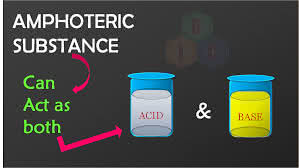
Alkaline solutions can neutralize acids.
สารละลายอัลคาไลน์สามารถทำให้กรดเป็นกลางได้

amphoteric

/ˌæmfəˈterɪk/

(adjective) แอมโฟเทอริก

ตัวอย่าง:

Water is an amphoteric substance, as it can act as both an acid and a base.
น้ำเป็นสารแอมโฟเทอริก เนื่องจากสามารถทำหน้าที่ได้ทั้งกรดและเบส

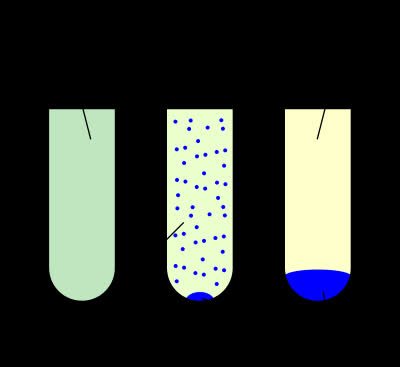
precipitate

/prɪˈsɪp.ə.teɪt/

(verb) เร่งให้เกิด, ทำให้เกิดขึ้นอย่างรวดเร็ว, ก่อให้เกิด;

(adjective) รีบร้อน, หุนหันพลันแล่น, ฉับพลัน;

(noun) ตะกอน, สารตกตะกอน

ตัวอย่าง:
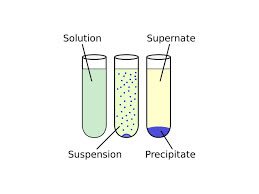
The economic crisis was precipitated by a collapse in housing prices.
วิกฤตเศรษฐกิจถูกเร่งให้เกิดจากการล่มสลายของราคาที่อยู่อาศัย

addition reaction

/əˈdɪʃ.ən riˈæk.ʃən/

(noun) ปฏิกิริยาการเติม

ตัวอย่าง:

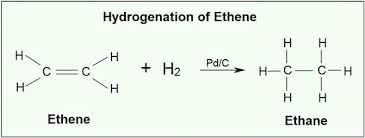
The hydrogenation of alkenes is a common example of an addition reaction.
การเติมไฮโดรเจนของแอลคีนเป็นตัวอย่างทั่วไปของปฏิกิริยาการเติม

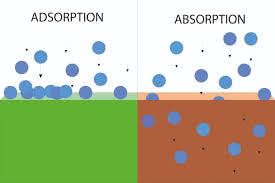
absorption

/əbˈzɔːrp.ʃən/

(noun) การดูดซึม, การดูดซับ, การหมกมุ่น

ตัวอย่าง:

The sponge is good for the absorption of water.
ฟองน้ำเหมาะสำหรับการดูดซับน้ำ

alcohol

/ˈæl.kə.hɑːl/

(noun) แอลกอฮอล์, สุรา

ตัวอย่าง:

Drinking too much alcohol can be harmful to your health.
การดื่มแอลกอฮอล์มากเกินไปอาจเป็นอันตรายต่อสุขภาพของคุณ

catalyst

/ˈkæt̬.əl.ɪst/

(noun) ตัวเร่งปฏิกิริยา, ตัวเร่ง, สิ่งกระตุ้น

ตัวอย่าง:
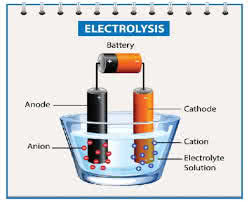
Enzymes act as biological catalysts in the body.
เอนไซม์ทำหน้าที่เป็นตัวเร่งปฏิกิริยาทางชีวภาพในร่างกาย

anode

/ˈæn.oʊd/

(noun) ขั้วบวก, แอโนด

ตัวอย่าง:

In a battery, the anode is where oxidation occurs.
ในแบตเตอรี่ ขั้วบวกคือที่ที่เกิดปฏิกิริยาออกซิเดชัน

cathode

/ˈkæθ.oʊd/

(noun) แคโทด

ตัวอย่าง:

In a diode, current flows from the anode to the cathode.
ในไดโอด กระแสไฟฟ้าไหลจากแอโนดไปยังแคโทด

chain reaction

/ˈtʃeɪn riˈæk.ʃən/

(noun) ปฏิกิริยาลูกโซ่, ปฏิกิริยาลูกโซ่นิวเคลียร์

ตัวอย่าง:
The collapse of one bank caused a chain reaction throughout the financial system.
การล่มสลายของธนาคารหนึ่งแห่งทำให้เกิดปฏิกิริยาลูกโซ่ทั่วทั้งระบบการเงิน

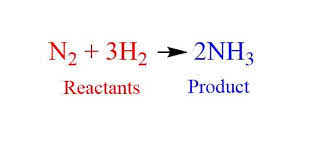
chemical equation

/ˈkɛmɪkəl ɪˈkweɪʒən/

(noun) สมการเคมี

ตัวอย่าง:

The teacher wrote a chemical equation on the board to explain the reaction.
ครูเขียนสมการเคมีบนกระดานเพื่ออธิบายปฏิกิริยา

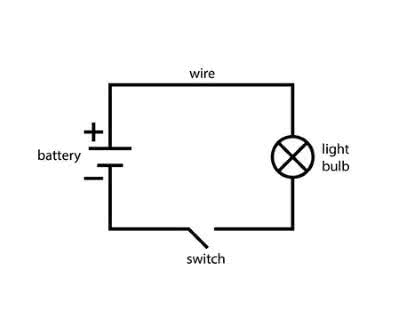
circuit

/ˈsɝː.kɪt/

(noun) วงจร, รอบ, วงจรไฟฟ้า

ตัวอย่าง:
The car completed another circuit of the track.
รถยนต์วิ่งครบรอบวงจรของสนามแข่งอีกครั้ง

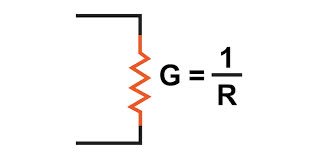
conductance

/kənˈdʌktəns/

(noun) ค่าการนำไฟฟ้า, การนำไฟฟ้า

ตัวอย่าง:
The material's high conductance makes it suitable for electrical wiring.
ค่าการนำไฟฟ้าที่สูงของวัสดุทำให้เหมาะสำหรับสายไฟ

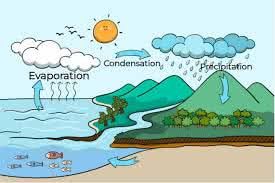
condensation

/ˌkɑːn-/

(noun) การควบแน่น, การกลั่นตัว, การสรุป

ตัวอย่าง:
You can see condensation on the cold windowpane.
คุณสามารถเห็นการควบแน่นบนกระจกหน้าต่างที่เย็นจัด

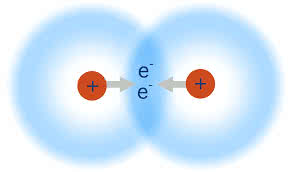
covalent bond

/ˌkoʊ.veɪ.lənt ˈbɑːnd/

(noun) พันธะโคเวเลนต์

ตัวอย่าง:

Water molecules are held together by covalent bonds.
โมเลกุลของน้ำยึดติดกันด้วยพันธะโคเวเลนต์

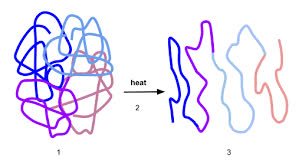
denature

/diːˈneɪ.tʃɚ/

(verb) ทำให้เสียสภาพธรรมชาติ, ทำให้เปลี่ยนคุณสมบัติ

ตัวอย่าง:
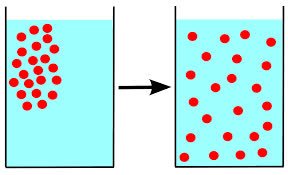
High heat can denature proteins, causing them to lose their function.
ความร้อนสูงสามารถทำให้เสียสภาพธรรมชาติของโปรตีน ทำให้พวกมันสูญเสียการทำงาน

diffusion

/dɪˈfjuː.ʒən/

(noun) การแพร่กระจาย, การแพร่, การซึม

ตัวอย่าง:

The rapid diffusion of information through the internet has changed society.
การแพร่กระจายของข้อมูลอย่างรวดเร็วผ่านอินเทอร์เน็ตได้เปลี่ยนแปลงสังคม

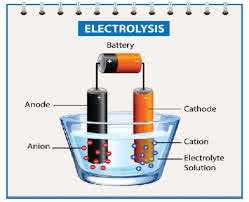
electrolysis

/iˌlekˈtrɑː.lə.sɪs/

(noun) การแยกด้วยไฟฟ้า, การแยกด้วยไฟฟ้า (กำจัดขน)

ตัวอย่าง:
Water can be split into hydrogen and oxygen through electrolysis.
น้ำสามารถแยกออกเป็นไฮโดรเจนและออกซิเจนได้ด้วยการแยกด้วยไฟฟ้า

functional group

/ˈfʌŋkʃənəl ˌɡruːp/

(noun) หมู่ฟังก์ชัน

ตัวอย่าง:

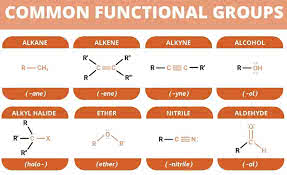
The hydroxyl group (-OH) is a common functional group in alcohols.
หมู่ไฮดรอกซิล (-OH) เป็นหมู่ฟังก์ชันที่พบได้ทั่วไปในแอลกอฮอล์

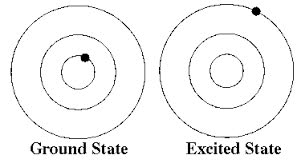
ground state

/ˈɡraʊnd steɪt/

(noun) สถานะพื้น

ตัวอย่าง:

Electrons typically reside in the ground state unless excited by energy.
อิเล็กตรอนมักจะอยู่ในสถานะพื้น เว้นแต่จะถูกกระตุ้นด้วยพลังงาน

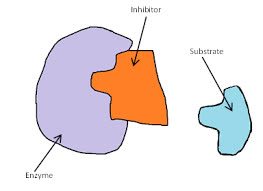
inhibitor

/ɪnˈhɪb.ɪ.t̬ɚ/

(noun) สารยับยั้ง, ตัวยับยั้ง, อุปสรรค

ตัวอย่าง:
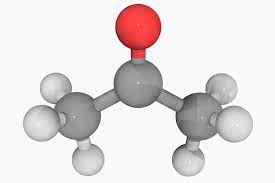
The drug acts as an inhibitor of the enzyme.
ยาทำหน้าที่เป็นสารยับยั้งเอนไซม์

organic compound

/ɔːrˌɡæn.ɪk ˈkɑːm.paʊnd/

(noun) สารประกอบอินทรีย์

ตัวอย่าง:

Ethanol is a common organic compound found in alcoholic beverages.
เอทานอลเป็นสารประกอบอินทรีย์ทั่วไปที่พบในเครื่องดื่มแอลกอฮอล์

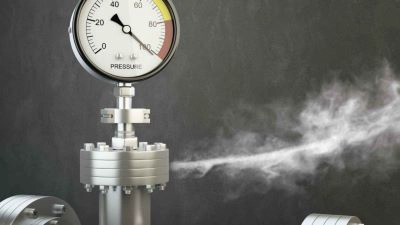
pressure

/ˈpreʃ.ɚ/

(noun) แรงกดดัน, ความดัน, ความกดดัน;

(verb) กดดัน, บีบบังคับ

ตัวอย่าง:

The deep sea diver experienced immense pressure.
นักดำน้ำลึกประสบกับแรงกดดันมหาศาล

product

/ˈprɑː.dʌkt/

(noun) ผลิตภัณฑ์, สินค้า, ผลคูณ

ตัวอย่าง:

The company launched a new software product.
บริษัทเปิดตัวผลิตภัณฑ์ซอฟต์แวร์ใหม่

quantum theory

/ˈkwɑːntəm ˈθiːəri/

(noun) ทฤษฎีควอนตัม

ตัวอย่าง:

Quantum theory revolutionized our understanding of the universe at the atomic and subatomic levels.
ทฤษฎีควอนตัมได้ปฏิวัติความเข้าใจของเราเกี่ยวกับจักรวาลในระดับอะตอมและอนุภาคย่อยของอะตอม

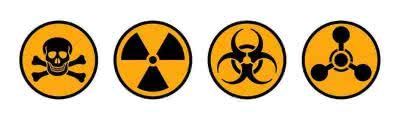
radioactive

/ˌreɪ.di.oʊˈæk.tɪv/

(adjective) กัมมันตรังสี

ตัวอย่าง:

The waste material is highly radioactive and must be handled with extreme care.
วัสดุเหลือใช้มีกัมมันตรังสีสูงและต้องได้รับการจัดการด้วยความระมัดระวังอย่างยิ่ง

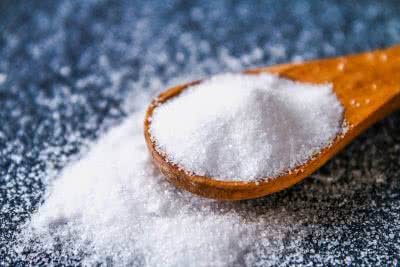
salt

/sɑːlt/

(noun) เกลือ, สารประกอบเคมี;

(verb) ใส่เกลือ, หมักเกลือ

ตัวอย่าง:
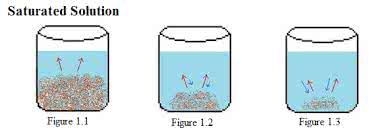
Add a pinch of salt to the soup for flavor.
เติมเกลือเล็กน้อยลงในซุปเพื่อเพิ่มรสชาติ

saturated

/ˈsætʃ.ər.eɪ.t̬ɪd/

(adjective) อิ่มตัว, เปียกชุ่ม, เต็มที่

ตัวอย่าง:

The ground was saturated after days of heavy rain.
พื้นดินอิ่มตัวหลังจากฝนตกหนักหลายวัน

semiconductor

/ˌsem.i.kənˈdʌk.tɚ/

(noun) เซมิคอนดักเตอร์

ตัวอย่าง:

Silicon is a common semiconductor material used in computer chips.
ซิลิคอนเป็นวัสดุเซมิคอนดักเตอร์ทั่วไปที่ใช้ในชิปคอมพิวเตอร์

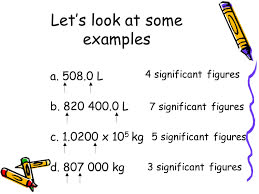
significant figure

/ˌsɪɡˈnɪf.ɪ.kənt ˈfɪɡ.ər/

(noun) เลขนัยสำคัญ

ตัวอย่าง:

The measurement 0.0050 has two significant figures.
การวัด 0.0050 มีเลขนัยสำคัญสองตัว

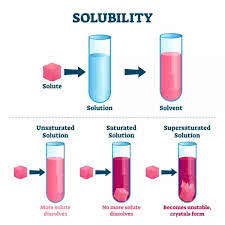
solubility

/ˌsɑːl.jəˈbɪl.ə.t̬i/

(noun) ความสามารถในการละลาย

ตัวอย่าง:
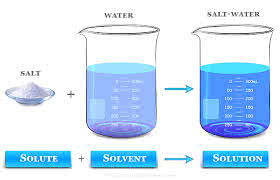
The solubility of sugar in water increases with temperature.
ความสามารถในการละลายของน้ำตาลในน้ำเพิ่มขึ้นตามอุณหภูมิ

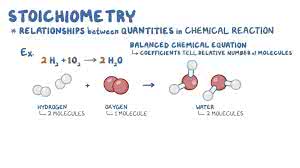
solvent

/ˈsɑːl.vənt/

(adjective) มีสภาพคล่อง, สามารถชำระหนี้ได้;

(noun) ตัวทำละลาย

ตัวอย่าง:
The company remained solvent despite the economic downturn.
บริษัทคงมีสภาพคล่องแม้เศรษฐกิจจะตกต่ำ

stoichiometry

/ˌstɔɪ.kiˈɑː.mə.tri/

(noun) ปริมาณสัมพันธ์

ตัวอย่าง:

Understanding stoichiometry is crucial for predicting reaction yields.
การทำความเข้าใจปริมาณสัมพันธ์เป็นสิ่งสำคัญสำหรับการทำนายผลผลิตของปฏิกิริยา

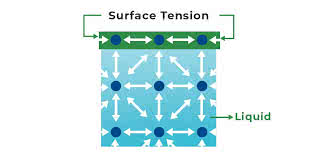
surface tension

/ˈsɜːr.fɪs ˌten.ʃən/

(noun) แรงตึงผิว

ตัวอย่าง:

Water striders can walk on water due to surface tension.
แมลงจิงโจ้น้ำสามารถเดินบนน้ำได้เนื่องจากแรงตึงผิว

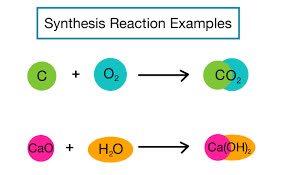
synthesis

/ˈsɪn.θə.sɪs/

(noun) การสังเคราะห์, การรวมกัน, การผสมผสาน

ตัวอย่าง:
The report provides a synthesis of the research findings.
รายงานนี้ให้การสังเคราะห์ผลการวิจัย

temperature

/ˈtem.pɚ.ə.tʃɚ/

(noun) อุณหภูมิ, ไข้

ตัวอย่าง:

The room temperature is 25 degrees Celsius.
อุณหภูมิห้องคือ 25 องศาเซลเซียส

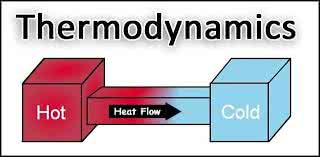
thermodynamics

/ˌθɝː.moʊ.daɪˈnæm.ɪks/

(noun) อุณหพลศาสตร์

ตัวอย่าง:

The first law of thermodynamics states that energy cannot be created or destroyed.
กฎข้อที่หนึ่งของอุณหพลศาสตร์ระบุว่าพลังงานไม่สามารถสร้างหรือทำลายได้

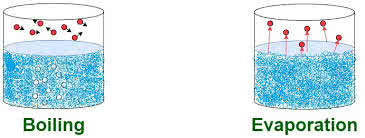
vaporization

/ˌveɪ.pɚ.əˈzeɪ.ʃən/

(noun) การกลายเป็นไอ, การระเหย

ตัวอย่าง:
The vaporization of water occurs at 100 degrees Celsius at standard atmospheric pressure.
การกลายเป็นไอของน้ำเกิดขึ้นที่อุณหภูมิ 100 องศาเซลเซียส ที่ความดันบรรยากาศมาตรฐาน

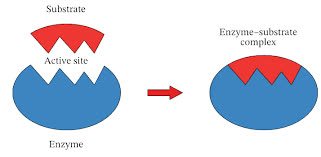
enzyme

/ˈen.zaɪm/

(noun) เอนไซม์

ตัวอย่าง:

Digestion relies on various enzymes to break down food.
การย่อยอาหารอาศัยเอนไซม์ต่างๆ ในการย่อยสลายอาหาร

substrate

/ˈsʌb.streɪt/

(noun) พื้นผิว, สารตั้งต้น

ตัวอย่าง:

Algae grew on the rocky substrate.
สาหร่ายเติบโตบนพื้นผิวที่เป็นหิน

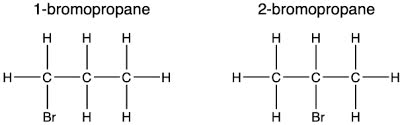
isomer

/ˈaɪ.soʊ.mɚ/

(noun) ไอโซเมอร์

ตัวอย่าง:

Glucose and fructose are isomers of each other, both having the formula C6H12O6 but different structures.
กลูโคสและฟรุกโตสเป็นไอโซเมอร์ของกันและกัน ทั้งคู่มีสูตร C6H12O6 แต่มีโครงสร้างที่แตกต่างกัน

reaction

/riˈæk.ʃən/

(noun) ปฏิกิริยา, การตอบสนอง, ปฏิกิริยาเคมี

ตัวอย่าง:

His immediate reaction was to call for help.
ปฏิกิริยาแรกของเขาคือการเรียกขอความช่วยเหลือ

balance

/ˈbæl.əns/

(noun) การทรงตัว, ความสมดุล, สมดุล;

(verb) ทรงตัว, ทำให้สมดุล, รักษาสมดุล

ตัวอย่าง:

She lost her balance and fell.
เธอเสียการทรงตัวและล้มลง

formula

/ˈfɔːr.mjə.lə/

(noun) สูตร, สมการ, ส่วนผสม

ตัวอย่าง:

The formula for the area of a circle is πr².
สูตรพื้นที่วงกลมคือ πr²

molecule

/ˈmɑː.lɪ.kjuːl/

(noun) โมเลกุล

ตัวอย่าง:

A water molecule consists of two hydrogen atoms and one oxygen atom.
โมเลกุลของน้ำประกอบด้วยอะตอมไฮโดรเจนสองอะตอมและอะตอมออกซิเจนหนึ่งอะตอม

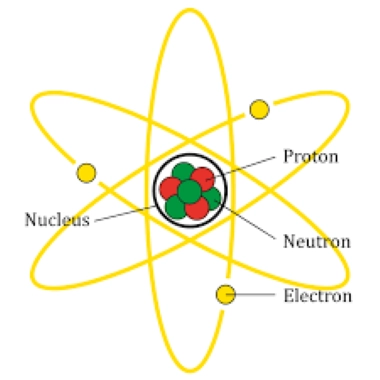
atom

/ˈæt̬.əm/

(noun) อะตอม, แม้แต่น้อย, นิดเดียว

ตัวอย่าง:
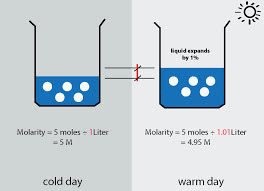
Water is made up of hydrogen and oxygen atoms.
น้ำประกอบด้วยอะตอมของไฮโดรเจนและออกซิเจน

molarity

/moʊˈlær·ɪ·t̬i/

(noun) โมลาริตี

ตัวอย่าง:

The molarity of the acid solution was determined by titration.
โมลาริตีของสารละลายกรดถูกกำหนดโดยการไทเทรต

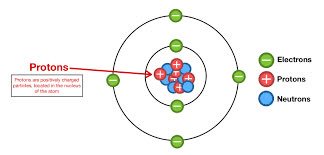
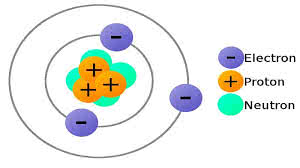
proton

/ˈproʊ.t̬ɑːn/

(noun) โปรตอน

ตัวอย่าง:

The nucleus of a hydrogen atom contains a single proton.
นิวเคลียสของอะตอมไฮโดรเจนมีโปรตอนเดี่ยว

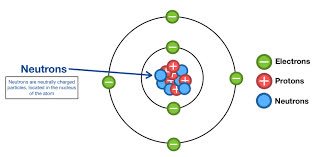
neutron

/ˈnuː.trɑːn/

(noun) นิวตรอน

ตัวอย่าง:

The nucleus of a helium atom contains two protons and two neutrons.
นิวเคลียสของอะตอมฮีเลียมประกอบด้วยโปรตอนสองตัวและนิวตรอนสองตัว

electron

/iˈlek.trɑːn/

(noun) อิเล็กตรอน

ตัวอย่าง:

An electron orbits the nucleus of an atom.
อิเล็กตรอนโคจรรอบนิวเคลียสของอะตอม

quark

/kwɑːrk/

(noun) ควาร์ก

ตัวอย่าง:

Protons and neutrons are made up of quarks.
โปรตอนและนิวตรอนประกอบด้วยควาร์ก

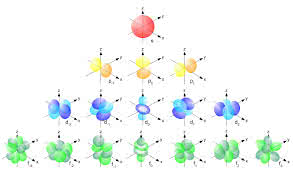
orbital

/ˈɔːr.bɪ.t̬əl/

(adjective) เกี่ยวกับการโคจร, เกี่ยวกับเบ้าตา

ตัวอย่าง:
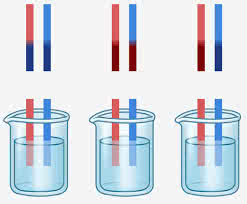
The satellite achieved a stable orbital trajectory.
ดาวเทียมประสบความสำเร็จในการโคจรในวงโคจรที่เสถียร

litmus

/ˈlɪt.məs/

(noun) ลิตมัส, บททดสอบสำคัญ, เครื่องบ่งชี้

ตัวอย่าง:
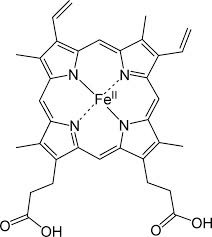
The scientist used litmus paper to test the pH of the solution.
นักวิทยาศาสตร์ใช้กระดาษลิตมัสเพื่อทดสอบค่า pH ของสารละลาย

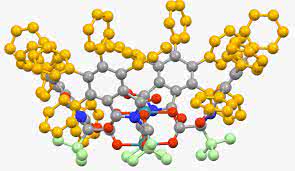
chelate

/ˈkiː.leɪt/

(noun) คีเลต;

(verb) คีเลต

ตัวอย่าง:

The scientist studied the formation of a stable chelate.
นักวิทยาศาสตร์ศึกษาการก่อตัวของคีเลตที่เสถียร

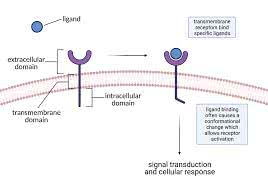
ligand

/ˈlɪɡ.ənd/

(noun) ลิแกนด์

ตัวอย่าง:

In coordination chemistry, a ligand is an ion or molecule that binds to a central metal atom.
ในเคมีโคออร์ดิเนชัน ลิแกนด์คือไอออนหรือโมเลกุลที่จับกับอะตอมโลหะกลาง

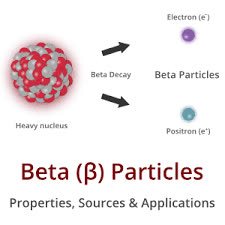
beta particle

/ˈbeɪtə ˌpɑːrtɪkl/

(noun) อนุภาคบีตา

ตัวอย่าง:

The radioactive isotope decays by emitting a beta particle.
ไอโซโทปกัมมันตรังสีสลายตัวโดยการปล่อยอนุภาคบีตา

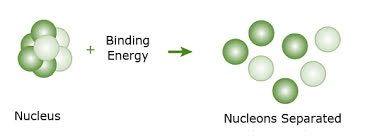
binding energy

/ˈbaɪndɪŋ ˈenərdʒi/

(noun) พลังงานยึดเหนี่ยว

ตัวอย่าง:

The strong nuclear force is responsible for the binding energy of atomic nuclei.
แรงนิวเคลียร์แบบเข้มมีหน้าที่รับผิดชอบต่อพลังงานยึดเหนี่ยวของนิวเคลียสอะตอม

dissociation

/dɪˌsoʊ.ʃiˈeɪ.ʃən/

(noun) การแยกตัว, การไม่สอดคล้อง, ภาวะแยกตัว

ตัวอย่าง:
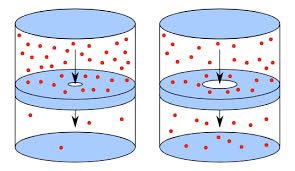
The dissociation of water into hydrogen and oxygen is a chemical process.
การแยกตัวของน้ำเป็นไฮโดรเจนและออกซิเจนเป็นกระบวนการทางเคมี

effusion

/ɪˈfjuː.ʒən/

(noun) การไหลออก, การหลั่ง, การแสดงออก

ตัวอย่าง:

The doctor noted a pleural effusion in the patient's lung.
แพทย์พบภาวะน้ำในช่องเยื่อหุ้มปอดในปอดของผู้ป่วย

endpoint

/ˈendˌpɔɪnt/

(noun) จุดสิ้นสุด, ปลายทาง, อุปกรณ์ปลายทาง

ตัวอย่าง:
The project's endpoint is the successful launch of the new software.
จุดสิ้นสุดของโครงการคือการเปิดตัวซอฟต์แวร์ใหม่ที่ประสบความสำเร็จ

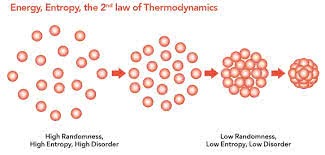
entropy

/ˈen.trə.pi/

(noun) เอนโทรปี, เอนโทรปีสารสนเทศ, ความวุ่นวาย

ตัวอย่าง:

The second law of thermodynamics states that the entropy of an isolated system can only increase over time.
กฎข้อที่สองของอุณหพลศาสตร์ระบุว่า เอนโทรปีของระบบที่แยกตัวออกมาจะเพิ่มขึ้นเท่านั้นเมื่อเวลาผ่านไป

equilibrium

/ˌiː.kwəˈlɪb.ri.əm/

(noun) สมดุล, ภาวะสมดุล, สมดุลทางกายภาพ

ตัวอย่าง:

The market reached a state of equilibrium between supply and demand.
ตลาดถึงจุดสมดุลระหว่างอุปทานและอุปสงค์

family

/ˈfæm.əl.i/

(noun) ครอบครัว, ตระกูล, วงศ์ตระกูล;

(adjective) ครอบครัว, เกี่ยวกับครอบครัว

ตัวอย่าง:
My family is coming to visit next week.
ครอบครัวของฉันจะมาเยี่ยมสัปดาห์หน้า

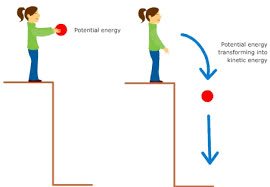
kinetic energy

/kɪˌnet.ɪk ˈen.ɚ.dʒi/

(noun) พลังงานจลน์

ตัวอย่าง:

The car's kinetic energy increased as it sped up.
พลังงานจลน์ของรถเพิ่มขึ้นเมื่อมันเร่งความเร็ว

mass

/mæs/

(noun) มวล, ก้อน, มวลชน;

(verb) รวมตัว, รวมกลุ่ม;

(adjective) มวลชน, จำนวนมาก

ตัวอย่าง:
A huge mass of rock blocked the road.
ก้อนหินขนาดใหญ่ขวางถนน

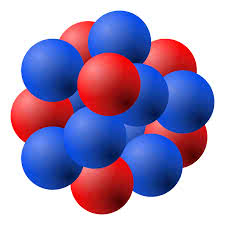
nucleon

/ˈnuː.kli.ɑːn/

(noun) นิวคลีออน

ตัวอย่าง:

The atomic nucleus is composed of nucleons, which are protons and neutrons.
นิวเคลียสของอะตอมประกอบด้วยนิวคลีออน ซึ่งเป็นโปรตอนและนิวตรอน

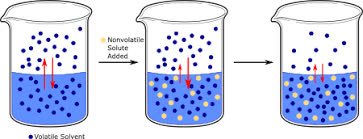
volatile

/ˈvɑː.lə.t̬əl/

(adjective) ผันผวน, ไม่แน่นอน, ระเหยง่าย

ตัวอย่าง:
The political situation in the region is highly volatile.
สถานการณ์ทางการเมืองในภูมิภาคมีความผันผวนสูง

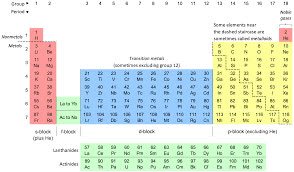
the periodic table

/ðə ˌpɪriˌɑːdɪk ˈteɪbl/

(noun) ตารางธาตุ

ตัวอย่าง:

Students learned about the properties of elements using the periodic table.
นักเรียนได้เรียนรู้เกี่ยวกับคุณสมบัติของธาตุโดยใช้ตารางธาตุ

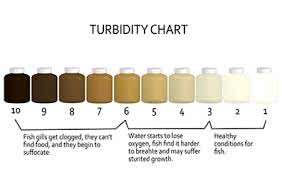
turbidity

/tɝːˈbɪd.ə.t̬i/

(noun) ความขุ่น, ความมัว

ตัวอย่าง:

The high turbidity of the river water made it unsuitable for drinking.
ความขุ่นของน้ำในแม่น้ำที่สูงทำให้ไม่เหมาะสำหรับการดื่ม

carbon chain

/ˈkɑːr.bən ˌtʃeɪn/

(noun) สายโซ่คาร์บอน

ตัวอย่าง:

Long carbon chains are characteristic of fatty acids.
สายโซ่คาร์บอนยาวเป็นลักษณะเฉพาะของกรดไขมัน

chemist

/ˈkem.ɪst/

(noun) นักเคมี, เภสัชกร, ร้านขายยา

ตัวอย่าง:
The chemist conducted experiments in the lab.
นักเคมีทำการทดลองในห้องปฏิบัติการ

nonchemical

/ˌnɑːnˈkem.ɪ.kəl/

(adjective) ปลอดสารเคมี, ไม่ใช้สารเคมี

ตัวอย่าง:
The farm uses nonchemical methods for pest control.
ฟาร์มใช้มาตรการปลอดสารเคมีในการควบคุมศัตรูพืช

hydrogenated

/haɪˈdrɑː.dʒə.neɪ.t̬ɪd/

(adjective) เติมไฮโดรเจน

ตัวอย่าง:

Many processed foods contain hydrogenated oils.
อาหารแปรรูปหลายชนิดมีน้ำมันเติมไฮโดรเจน
เรียนชุดคำศัพท์นี้ที่ Lingoland