Avatar of Vocabulary Set 화학 전공

화학 내 화학 전공 어휘 세트: 완전하고 상세한 목록

'화학' 내 '화학 전공' 어휘 세트는 국제 표준 교재 출처에서 엄선되어 짧은 시간 안에 어휘를 마스터할 수 있도록 도와줍니다. 정의, 예문, 표준 발음을 완벽하게 수록...

Lingoland에서 이 어휘 세트 학습하기

지금 학습하기
absolute temperature

/ˈæb.sə.luːt ˈtem.pər.ə.tʃər/

(noun) 절대 온도

예시:

Scientists use absolute temperature in many physics calculations.
과학자들은 많은 물리 계산에서 절대 온도를 사용한다.

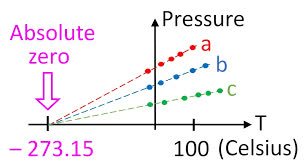
absolute zero

/ˌæb.sə.luːt ˈzɪr.oʊ/

(noun) 절대 영도

예시:

Scientists are trying to achieve temperatures close to absolute zero in their experiments.
과학자들은 실험에서 절대 영도에 가까운 온도를 달성하려고 노력하고 있다.

accuracy

/ˈæk.jɚ.ə.si/

(noun) 정확성, 정밀성

예시:

The report was praised for its accuracy.
그 보고서는 정확성으로 칭찬받았다.

acid

/ˈæs.ɪd/

(noun) 산;

(adjective) 산성의, 신맛의

예시:

Sulfuric acid is a strong corrosive substance.
황산은 강한 부식성 물질이다.

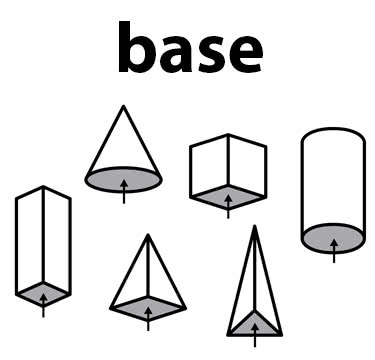
base

/beɪs/

(noun) 기반, 기초, 근거;

(verb) 기반을 두다, 근거하다;

(adjective) 비열한, 천한

예시:
The statue stood on a marble base.
그 동상은 대리석 기단 위에 서 있었다.

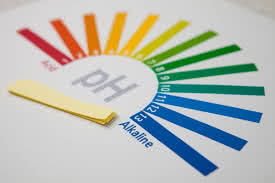
alkaline

/ˈæl.kəl.aɪn/

(adjective) 알칼리성, 염기성

예시:

Alkaline solutions can neutralize acids.
알칼리성 용액은 산을 중화할 수 있다.

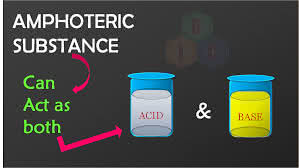
amphoteric

/ˌæmfəˈterɪk/

(adjective) 양쪽성

예시:

Water is an amphoteric substance, as it can act as both an acid and a base.
물은 산과 염기 둘 다로 작용할 수 있는 양쪽성 물질이다.

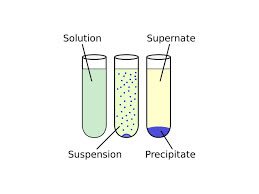
precipitate

/prɪˈsɪp.ə.teɪt/

(verb) 촉발하다, 야기하다, 재촉하다;

(adjective) 성급한, 경솔한, 급한;

(noun) 침전물, 석출물

예시:
The economic crisis was precipitated by a collapse in housing prices.
주택 가격 폭락이 경제 위기를 촉발했다.

addition reaction

/əˈdɪʃ.ən riˈæk.ʃən/

(noun) 첨가 반응

예시:

The hydrogenation of alkenes is a common example of an addition reaction.
알켄의 수소화는 첨가 반응의 흔한 예이다.

absorption

/əbˈzɔːrp.ʃən/

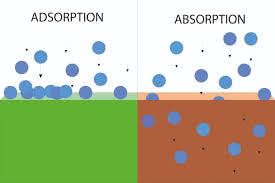
(noun) 흡수, 몰두, 집중

예시:

The sponge is good for the absorption of water.
스펀지는 물 흡수에 좋다.

alcohol

/ˈæl.kə.hɑːl/

(noun) 알코올, 술

예시:

Drinking too much alcohol can be harmful to your health.
너무 많은 알코올을 마시는 것은 건강에 해로울 수 있습니다.

catalyst

/ˈkæt̬.əl.ɪst/

(noun) 촉매, 촉매제, 계기

예시:

Enzymes act as biological catalysts in the body.
효소는 체내에서 생물학적 촉매 역할을 한다.

anode

/ˈæn.oʊd/

(noun) 양극, 애노드

예시:

In a battery, the anode is where oxidation occurs.
배터리에서 양극은 산화가 일어나는 곳이다.

cathode

/ˈkæθ.oʊd/

(noun) 음극, 캐소드

예시:

In a diode, current flows from the anode to the cathode.
다이오드에서 전류는 양극에서 음극으로 흐른다.

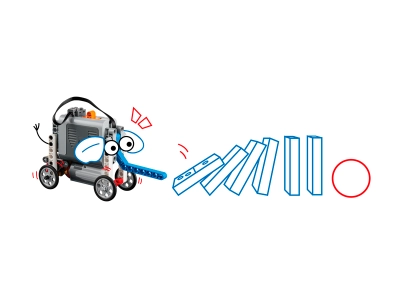
chain reaction

/ˈtʃeɪn riˈæk.ʃən/

(noun) 연쇄 반응, 핵 연쇄 반응

예시:

The collapse of one bank caused a chain reaction throughout the financial system.
한 은행의 붕괴는 금융 시스템 전반에 연쇄 반응을 일으켰다.

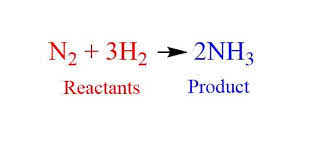
chemical equation

/ˈkɛmɪkəl ɪˈkweɪʒən/

(noun) 화학 방정식

예시:

The teacher wrote a chemical equation on the board to explain the reaction.
선생님은 반응을 설명하기 위해 칠판에 화학 방정식을 썼다.

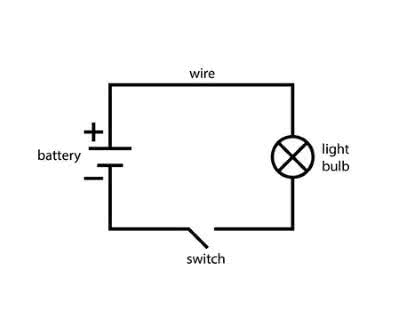
circuit

/ˈsɝː.kɪt/

(noun) 회로, 순환, 전기 회로

예시:

The car completed another circuit of the track.
차는 트랙을 한 바퀴 더 돌았다.

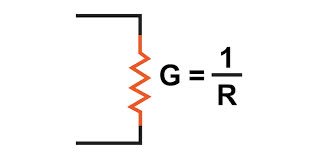
conductance

/kənˈdʌktəns/

(noun) 컨덕턴스, 전도도

예시:

The material's high conductance makes it suitable for electrical wiring.
재료의 높은 컨덕턴스는 전기 배선에 적합하게 만듭니다.

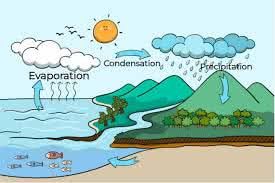
condensation

/ˌkɑːn-/

(noun) 응결, 결로, 압축

예시:

You can see condensation on the cold windowpane.
차가운 창문에 응결이 보입니다.

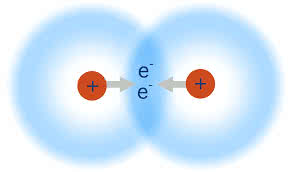
covalent bond

/ˌkoʊ.veɪ.lənt ˈbɑːnd/

(noun) 공유 결합

예시:

Water molecules are held together by covalent bonds.
물 분자는 공유 결합으로 연결되어 있습니다.

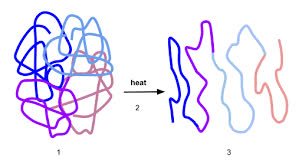
denature

/diːˈneɪ.tʃɚ/

(verb) 변성시키다, 본래의 성질을 잃게 하다

예시:

High heat can denature proteins, causing them to lose their function.
고온은 단백질을 변성시켜 기능을 잃게 할 수 있습니다.

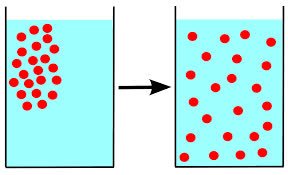
diffusion

/dɪˈfjuː.ʒən/

(noun) 확산, 보급

예시:

The rapid diffusion of information through the internet has changed society.
인터넷을 통한 정보의 빠른 확산은 사회를 변화시켰다.

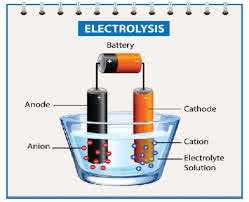
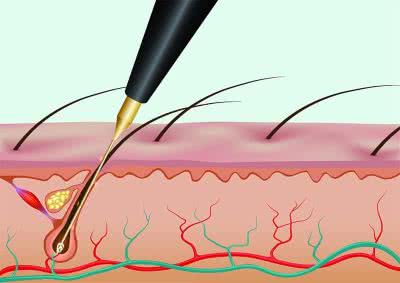
electrolysis

/iˌlekˈtrɑː.lə.sɪs/

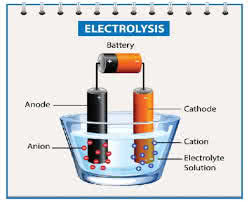
(noun) 전기분해, 전기분해 제모

예시:

Water can be split into hydrogen and oxygen through electrolysis.
물은 전기분해를 통해 수소와 산소로 분리될 수 있다.

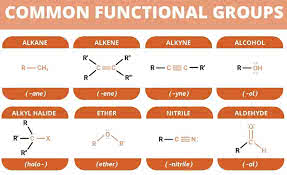
functional group

/ˈfʌŋkʃənəl ˌɡruːp/

(noun) 작용기

예시:

The hydroxyl group (-OH) is a common functional group in alcohols.
하이드록실기(-OH)는 알코올에서 흔한 작용기이다.

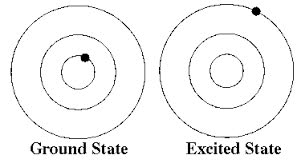
ground state

/ˈɡraʊnd steɪt/

(noun) 바닥 상태

예시:

Electrons typically reside in the ground state unless excited by energy.
전자는 에너지를 받아 들뜨지 않는 한 일반적으로 바닥 상태에 머무릅니다.

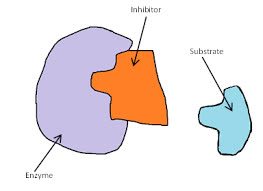
inhibitor

/ɪnˈhɪb.ɪ.t̬ɚ/

(noun) 억제제, 저해제, 억제 요인

예시:

The drug acts as an inhibitor of the enzyme.
그 약물은 효소의 억제제 역할을 한다.

organic compound

/ɔːrˌɡæn.ɪk ˈkɑːm.paʊnd/

(noun) 유기 화합물

예시:

Ethanol is a common organic compound found in alcoholic beverages.
에탄올은 알코올 음료에서 발견되는 흔한 유기 화합물이다.

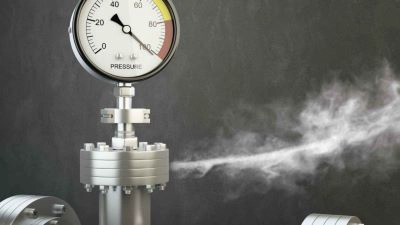
pressure

/ˈpreʃ.ɚ/

(noun) 압력, 압박, 강요;

(verb) 압력을 가하다, 강요하다

예시:

The deep sea diver experienced immense pressure.
심해 잠수부는 엄청난 압력을 경험했다.

product

/ˈprɑː.dʌkt/

(noun) 제품, 생산물, 곱

예시:

The company launched a new software product.
그 회사는 새로운 소프트웨어 제품을 출시했다.

quantum theory

/ˈkwɑːntəm ˈθiːəri/

(noun) 양자론

예시:

Quantum theory revolutionized our understanding of the universe at the atomic and subatomic levels.
양자론은 원자 및 아원자 수준에서 우주에 대한 우리의 이해를 혁신했습니다.

radioactive

/ˌreɪ.di.oʊˈæk.tɪv/

(adjective) 방사성의

예시:

The waste material is highly radioactive and must be handled with extreme care.
폐기물은 매우 방사성이 강하므로 극도로 조심해서 다루어야 합니다.

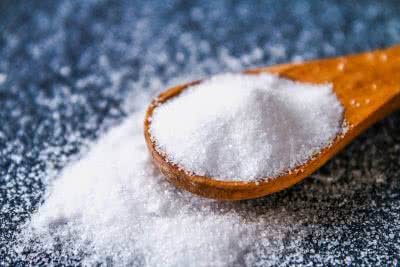
salt

/sɑːlt/

(noun) 소금, 염, 화합물;

(verb) 소금을 치다, 염장하다

예시:
Add a pinch of salt to the soup for flavor.
맛을 위해 수프에 소금 한 꼬집을 넣어라.

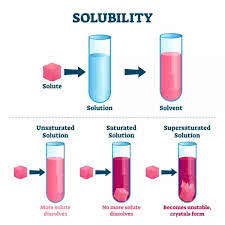
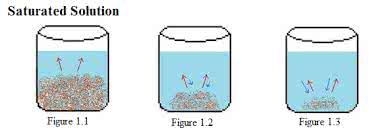
saturated

/ˈsætʃ.ər.eɪ.t̬ɪd/

(adjective) 포화된, 흠뻑 젖은, 넘쳐나는

예시:

The ground was saturated after days of heavy rain.
며칠간의 폭우로 땅이 포화되었다.

semiconductor

/ˌsem.i.kənˈdʌk.tɚ/

(noun) 반도체

예시:

Silicon is a common semiconductor material used in computer chips.
실리콘은 컴퓨터 칩에 사용되는 일반적인 반도체 재료이다.

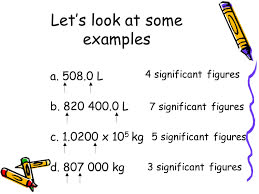
significant figure

/ˌsɪɡˈnɪf.ɪ.kənt ˈfɪɡ.ər/

(noun) 유효 숫자

예시:

The measurement 0.0050 has two significant figures.
측정값 0.0050에는 두 개의 유효 숫자가 있습니다.

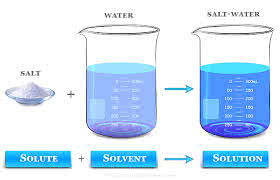
solubility

/ˌsɑːl.jəˈbɪl.ə.t̬i/

(noun) 용해도

예시:

The solubility of sugar in water increases with temperature.
물의 설탕 용해도는 온도에 따라 증가한다.

solvent

/ˈsɑːl.vənt/

(adjective) 지불 능력이 있는, 채무를 변제할 수 있는;

(noun) 용매

예시:
The company remained solvent despite the economic downturn.
경제가 침체되었음에도 불구하고 회사는 지불 능력이 있었다.

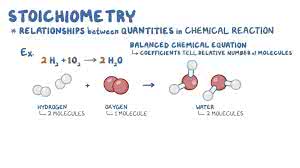
stoichiometry

/ˌstɔɪ.kiˈɑː.mə.tri/

(noun) 화학량론

예시:

Understanding stoichiometry is crucial for predicting reaction yields.
화학량론을 이해하는 것은 반응 수율을 예측하는 데 중요합니다.

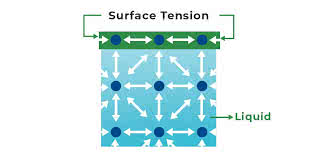
surface tension

/ˈsɜːr.fɪs ˌten.ʃən/

(noun) 표면 장력

예시:

Water striders can walk on water due to surface tension.
소금쟁이는 표면 장력 때문에 물 위를 걸을 수 있다.

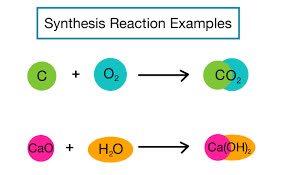
synthesis

/ˈsɪn.θə.sɪs/

(noun) 종합, 합성, 통합

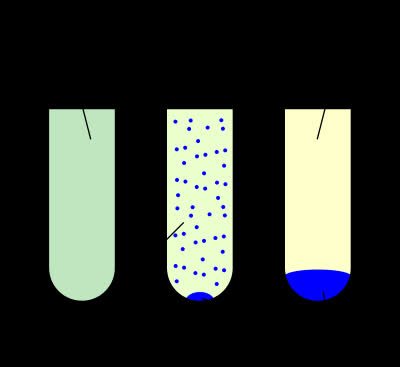
예시:

The report provides a synthesis of the research findings.
이 보고서는 연구 결과의 종합을 제공합니다.

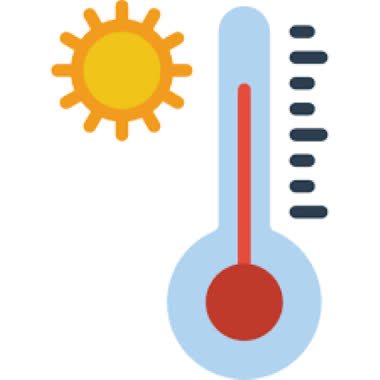
temperature

/ˈtem.pɚ.ə.tʃɚ/

(noun) 온도, 열

예시:

The room temperature is 25 degrees Celsius.
온도는 섭씨 25도입니다.

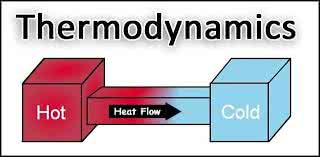
thermodynamics

/ˌθɝː.moʊ.daɪˈnæm.ɪks/

(noun) 열역학

예시:

The first law of thermodynamics states that energy cannot be created or destroyed.
열역학 제1법칙은 에너지는 생성되거나 소멸될 수 없다고 명시한다.

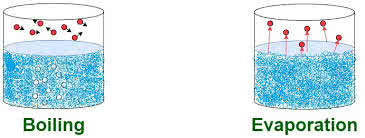
vaporization

/ˌveɪ.pɚ.əˈzeɪ.ʃən/

(noun) 기화, 증발

예시:

The vaporization of water occurs at 100 degrees Celsius at standard atmospheric pressure.
물의 기화는 표준 대기압에서 섭씨 100도에서 발생합니다.

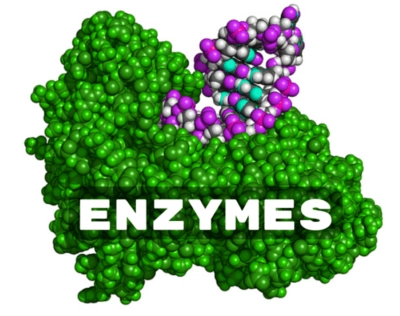
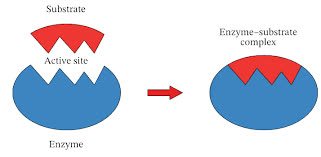
enzyme

/ˈen.zaɪm/

(noun) 효소

예시:

Digestion relies on various enzymes to break down food.
소화는 음식을 분해하기 위해 다양한 효소에 의존한다.

substrate

/ˈsʌb.streɪt/

(noun) 기질, 배지, 기판

예시:

Algae grew on the rocky substrate.
바위 기질에 조류가 자랐다.

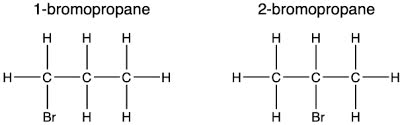
isomer

/ˈaɪ.soʊ.mɚ/

(noun) 이성질체

예시:

Glucose and fructose are isomers of each other, both having the formula C6H12O6 but different structures.
포도당과 과당은 서로의 이성질체이며, 둘 다 C6H12O6의 화학식을 가지지만 구조가 다르다.

reaction

/riˈæk.ʃən/

(noun) 반응, 대응, 화학 반응

예시:

His immediate reaction was to call for help.
그의 즉각적인 반응은 도움을 요청하는 것이었다.

balance

/ˈbæl.əns/

(noun) 균형, 조화, 잔액;

(verb) 균형을 잡다, 균형을 맞추다, 조정하다

예시:

She lost her balance and fell.
그녀는 균형을 잃고 넘어졌다.

formula

/ˈfɔːr.mjə.lə/

(noun) 공식, 수식, 성분

예시:

The formula for the area of a circle is πr².
원의 넓이 공식은 πr²이다.

molecule

/ˈmɑː.lɪ.kjuːl/

(noun) 분자

예시:

A water molecule consists of two hydrogen atoms and one oxygen atom.
분자는 두 개의 수소 원자와 하나의 산소 원자로 구성되어 있습니다.

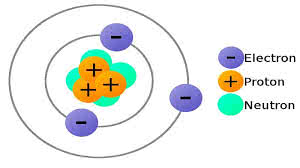
atom

/ˈæt̬.əm/

(noun) 원자, 조금도, 아주 작은 양

예시:

Water is made up of hydrogen and oxygen atoms.
물은 수소와 산소 원자로 이루어져 있다.

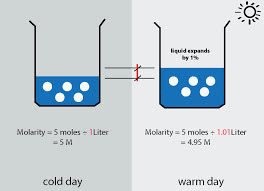
molarity

/moʊˈlær·ɪ·t̬i/

(noun) 몰 농도

예시:

The molarity of the acid solution was determined by titration.
산성 용액의 몰 농도는 적정에 의해 결정되었다.

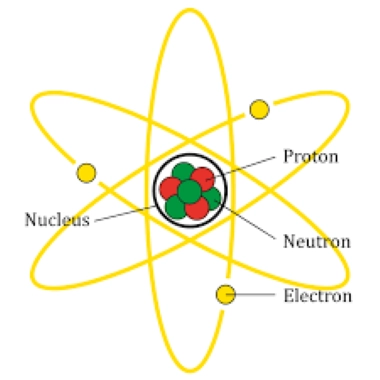
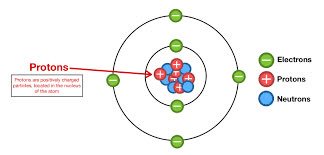
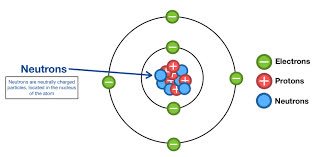
proton

/ˈproʊ.t̬ɑːn/

(noun) 양성자

예시:

The nucleus of a hydrogen atom contains a single proton.
수소 원자의 핵은 단일 양성자를 포함한다.

neutron

/ˈnuː.trɑːn/

(noun) 중성자

예시:

The nucleus of a helium atom contains two protons and two neutrons.
헬륨 원자의 핵은 두 개의 양성자와 두 개의 중성자를 포함한다.

electron

/iˈlek.trɑːn/

(noun) 전자

예시:

An electron orbits the nucleus of an atom.
전자는 원자핵 주위를 공전한다.

quark

/kwɑːrk/

(noun) 쿼크

예시:

Protons and neutrons are made up of quarks.
양성자와 중성자는 쿼크로 이루어져 있다.

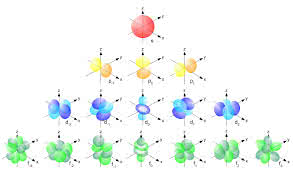
orbital

/ˈɔːr.bɪ.t̬əl/

(adjective) 궤도의, 안와의

예시:

The satellite achieved a stable orbital trajectory.
위성은 안정적인 궤도를 달성했다.

litmus

/ˈlɪt.məs/

(noun) 리트머스, 리트머스 시험, 지표

예시:

The scientist used litmus paper to test the pH of the solution.
과학자는 용액의 pH를 테스트하기 위해 리트머스 종이를 사용했다.

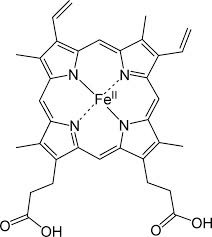
chelate

/ˈkiː.leɪt/

(noun) 킬레이트;

(verb) 킬레이트화하다

예시:

The scientist studied the formation of a stable chelate.
과학자는 안정적인 킬레이트 형성을 연구했다.

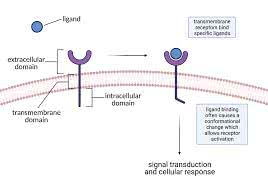
ligand

/ˈlɪɡ.ənd/

(noun) 리간드

예시:

In coordination chemistry, a ligand is an ion or molecule that binds to a central metal atom.
배위 화학에서 리간드는 중심 금속 원자에 결합하는 이온 또는 분자이다.

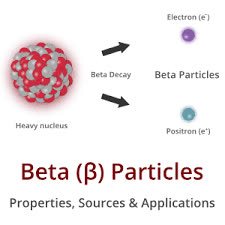
beta particle

/ˈbeɪtə ˌpɑːrtɪkl/

(noun) 베타 입자

예시:

The radioactive isotope decays by emitting a beta particle.
방사성 동위원소는 베타 입자를 방출하여 붕괴한다.

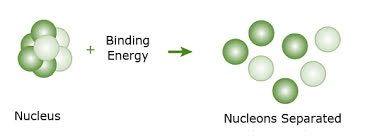
binding energy

/ˈbaɪndɪŋ ˈenərdʒi/

(noun) 결합 에너지

예시:

The strong nuclear force is responsible for the binding energy of atomic nuclei.
강한 핵력은 원자핵의 결합 에너지를 담당한다.

dissociation

/dɪˌsoʊ.ʃiˈeɪ.ʃən/

(noun) 해리, 분리

예시:

The dissociation of water into hydrogen and oxygen is a chemical process.
물의 수소와 산소로의 해리는 화학적 과정이다.

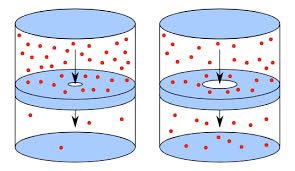
effusion

/ɪˈfjuː.ʒən/

(noun) 삼출, 유출, 표출

예시:

The doctor noted a pleural effusion in the patient's lung.
의사는 환자의 폐에서 흉막 삼출액을 발견했다.

endpoint

/ˈendˌpɔɪnt/

(noun) 종착점, 끝점, 엔드포인트

예시:

The project's endpoint is the successful launch of the new software.
프로젝트의 종착점은 새로운 소프트웨어의 성공적인 출시입니다.

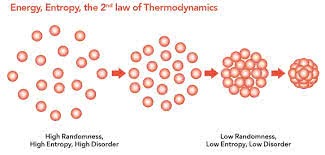
entropy

/ˈen.trə.pi/

(noun) 엔트로피, 정보 엔트로피, 무질서

예시:

The second law of thermodynamics states that the entropy of an isolated system can only increase over time.
열역학 제2법칙은 고립계의 엔트로피는 시간이 지남에 따라 증가할 수밖에 없다고 명시한다.

equilibrium

/ˌiː.kwəˈlɪb.ri.əm/

(noun) 균형, 평형, 신체 균형

예시:

The market reached a state of equilibrium between supply and demand.
시장은 수요와 공급의 균형 상태에 도달했다.

family

/ˈfæm.əl.i/

(noun) 가족, 가문, 혈통;

(adjective) 가족의

예시:
My family is coming to visit next week.
다음 주에 가족이 방문할 거야.

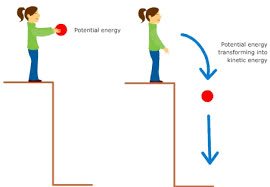
kinetic energy

/kɪˌnet.ɪk ˈen.ɚ.dʒi/

(noun) 운동 에너지

예시:

The car's kinetic energy increased as it sped up.
차가 속도를 높이면서 운동 에너지가 증가했다.

mass

/mæs/

(noun) 덩어리, 질량, 대중;

(verb) 모이다, 집결하다;

(adjective) 대량의, 대중의

예시:
A huge mass of rock blocked the road.
거대한 바위 덩어리가 길을 막았다.

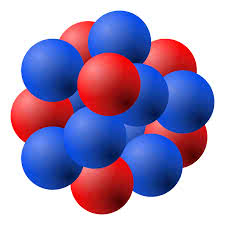
nucleon

/ˈnuː.kli.ɑːn/

(noun) 핵자

예시:

The atomic nucleus is composed of nucleons, which are protons and neutrons.
원자핵은 양성자와 중성자인 핵자로 구성되어 있습니다.

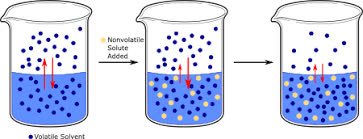
volatile

/ˈvɑː.lə.t̬əl/

(adjective) 변동성이 큰, 불안정한, 휘발성의

예시:

The political situation in the region is highly volatile.
그 지역의 정치 상황은 매우 불안정하다.

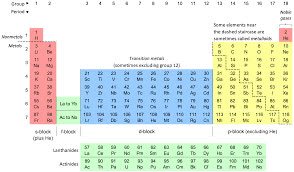
the periodic table

/ðə ˌpɪriˌɑːdɪk ˈteɪbl/

(noun) 주기율표

예시:

Students learned about the properties of elements using the periodic table.
학생들은 주기율표를 사용하여 원소의 특성에 대해 배웠다.

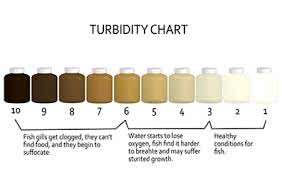
turbidity

/tɝːˈbɪd.ə.t̬i/

(noun) 탁도, 흐림

예시:

The high turbidity of the river water made it unsuitable for drinking.
강물의 높은 탁도는 식수로 부적합하게 만들었다.

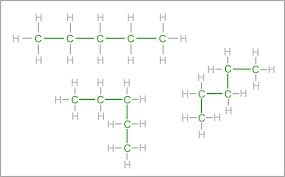
carbon chain

/ˈkɑːr.bən ˌtʃeɪn/

(noun) 탄소 사슬

예시:

Long carbon chains are characteristic of fatty acids.
탄소 사슬은 지방산의 특징이다.

chemist

/ˈkem.ɪst/

(noun) 화학자, 약사, 약국

예시:

The chemist conducted experiments in the lab.
화학자는 실험실에서 실험을 수행했다.

nonchemical

/ˌnɑːnˈkem.ɪ.kəl/

(adjective) 비화학적

예시:

The farm uses nonchemical methods for pest control.
그 농장은 해충 방제를 위해 비화학적 방법을 사용한다.

hydrogenated

/haɪˈdrɑː.dʒə.neɪ.t̬ɪd/

(adjective) 수소화된

예시:

Many processed foods contain hydrogenated oils.
많은 가공식품에는 수소화된 기름이 들어 있습니다.
Lingoland에서 이 어휘 세트 학습하기