Avatar of Vocabulary Set 化学専攻

化学 内 化学専攻 語彙セット:完全かつ詳細なリスト

「化学」内の「化学専攻」語彙セットは国際標準教材から厳選され、短期間で語彙をマスターできます。定義、例文、標準発音を網羅…

Lingolandでこの語彙セットを学習

今すぐ学習
absolute temperature

/ˈæb.sə.luːt ˈtem.pər.ə.tʃər/

(noun) 絶対温度

例:

Scientists use absolute temperature in many physics calculations.
科学者は多くの物理計算で絶対温度を使用します。

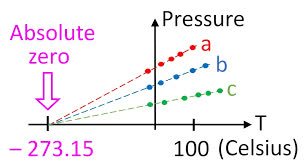
absolute zero

/ˌæb.sə.luːt ˈzɪr.oʊ/

(noun) 絶対零度

例:

Scientists are trying to achieve temperatures close to absolute zero in their experiments.
科学者たちは実験で絶対零度に近い温度を達成しようとしている。

accuracy

/ˈæk.jɚ.ə.si/

(noun) 正確さ, 精度

例:

The report was praised for its accuracy.
その報告書は正確さで賞賛された。

acid

/ˈæs.ɪd/

(noun) 酸;

(adjective) 酸性の, 酸っぱい

例:

Sulfuric acid is a strong corrosive substance.
硫酸は強力な腐食性物質です。

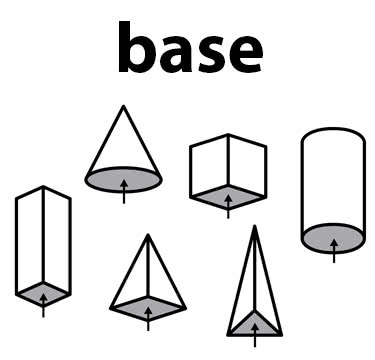
base

/beɪs/

(noun) 土台, 基礎, 根拠;

(verb) 基づく, 基礎を置く;

(adjective) 卑劣な, 下劣な

例:
The statue stood on a marble base.
像は大理石の台座の上に立っていた。

alkaline

/ˈæl.kəl.aɪn/

(adjective) アルカリ性, 塩基性

例:

Alkaline solutions can neutralize acids.
アルカリ性溶液は酸を中和できる。

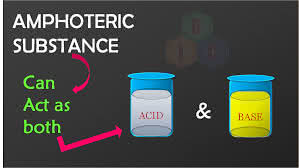
amphoteric

/ˌæmfəˈterɪk/

(adjective) 両性

例:

Water is an amphoteric substance, as it can act as both an acid and a base.
水は酸としても塩基としても作用できるため、両性物質です。

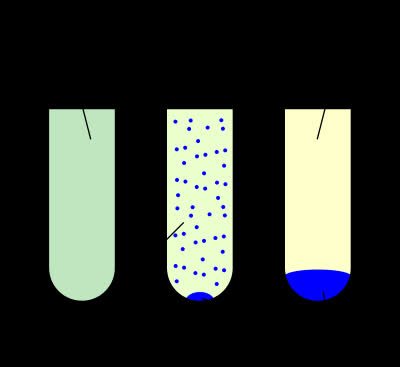
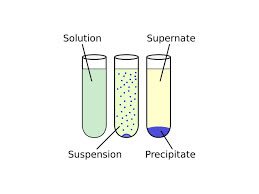
precipitate

/prɪˈsɪp.ə.teɪt/

(verb) 引き起こす, 促進する, 早める;

(adjective) 性急な, 軽率な, 早まった;

(noun) 沈殿物, 析出物

例:
The economic crisis was precipitated by a collapse in housing prices.
経済危機は住宅価格の暴落によって引き起こされた

addition reaction

/əˈdɪʃ.ən riˈæk.ʃən/

(noun) 付加反応

例:

The hydrogenation of alkenes is a common example of an addition reaction.
アルケンの水素化は、付加反応の一般的な例です。

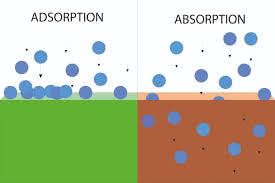
absorption

/əbˈzɔːrp.ʃən/

(noun) 吸収, 没頭, 集中

例:

The sponge is good for the absorption of water.
スポンジは水の吸収に優れています。

alcohol

/ˈæl.kə.hɑːl/

(noun) アルコール, 酒

例:

Drinking too much alcohol can be harmful to your health.
アルコールを飲みすぎると健康に害を及ぼす可能性があります。

catalyst

/ˈkæt̬.əl.ɪst/

(noun) 触媒, きっかけ, 促進剤

例:

Enzymes act as biological catalysts in the body.
酵素は体内で生物学的触媒として機能する。

anode

/ˈæn.oʊd/

(noun) アノード, 陽極

例:

In a battery, the anode is where oxidation occurs.
バッテリーでは、アノードは酸化が起こる場所です。

cathode

/ˈkæθ.oʊd/

(noun) カソード, 陰極

例:

In a diode, current flows from the anode to the cathode.
ダイオードでは、電流はアノードからカソードへ流れる。

chain reaction

/ˈtʃeɪn riˈæk.ʃən/

(noun) 連鎖反応, 核連鎖反応

例:

The collapse of one bank caused a chain reaction throughout the financial system.
ある銀行の破綻が金融システム全体に連鎖反応を引き起こした。

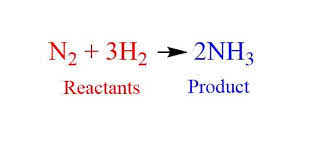
chemical equation

/ˈkɛmɪkəl ɪˈkweɪʒən/

(noun) 化学式

例:

The teacher wrote a chemical equation on the board to explain the reaction.
先生は反応を説明するために黒板に化学式を書いた。

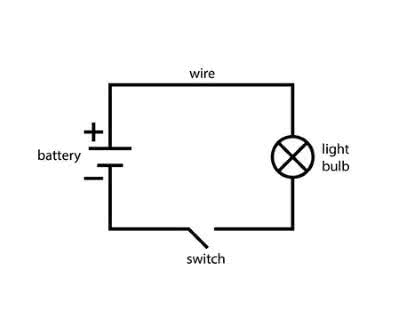
circuit

/ˈsɝː.kɪt/

(noun) 周回, 巡回, 電気回路

例:

The car completed another circuit of the track.
車はコースをもう一周した。

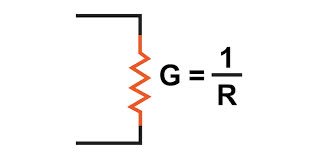
conductance

/kənˈdʌktəns/

(noun) コンダクタンス, 電気伝導率

例:

The material's high conductance makes it suitable for electrical wiring.
その材料の高いコンダクタンスは、電気配線に適しています。

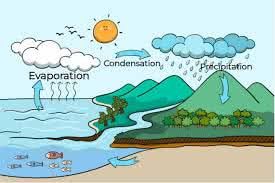
condensation

/ˌkɑːn-/

(noun) 結露, 凝縮, 要約

例:

You can see condensation on the cold windowpane.
冷たい窓ガラスに結露が見られます。

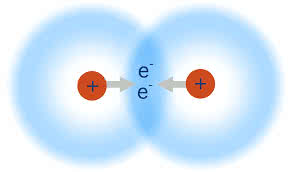
covalent bond

/ˌkoʊ.veɪ.lənt ˈbɑːnd/

(noun) 共有結合

例:

Water molecules are held together by covalent bonds.
水分子は共有結合によって結合しています。

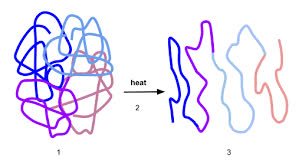
denature

/diːˈneɪ.tʃɚ/

(verb) 変性させる, 性質を変える

例:

High heat can denature proteins, causing them to lose their function.
高温はタンパク質を変性させる可能性があり、その機能を失わせる。

diffusion

/dɪˈfjuː.ʒən/

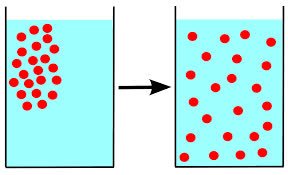
(noun) 普及, 拡散

例:

The rapid diffusion of information through the internet has changed society.
インターネットを通じた情報の急速な普及は社会を変えた。

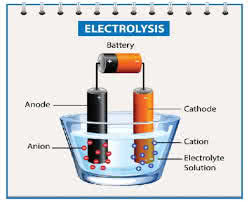
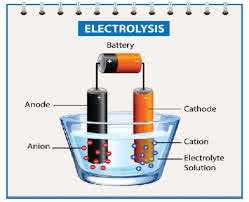
electrolysis

/iˌlekˈtrɑː.lə.sɪs/

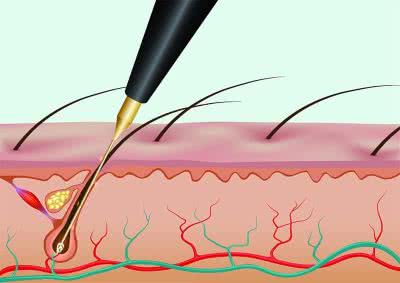
(noun) 電気分解, 電気分解脱毛

例:

Water can be split into hydrogen and oxygen through electrolysis.
水は電気分解によって水素と酸素に分解できる。

functional group

/ˈfʌŋkʃənəl ˌɡruːp/

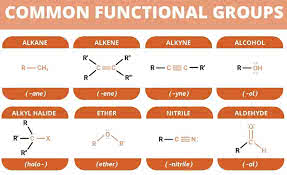
(noun) 官能基

例:

The hydroxyl group (-OH) is a common functional group in alcohols.
ヒドロキシル基(-OH)はアルコールにおける一般的な官能基です。

ground state

/ˈɡraʊnd steɪt/

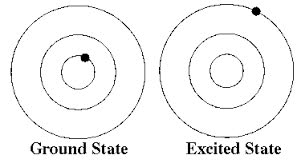
(noun) 基底状態

例:

Electrons typically reside in the ground state unless excited by energy.
電子は通常、エネルギーによって励起されない限り、基底状態に留まります。

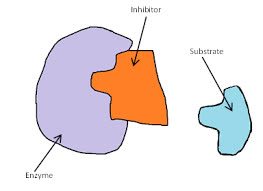
inhibitor

/ɪnˈhɪb.ɪ.t̬ɚ/

(noun) 阻害剤, 抑制剤, 阻害要因

例:

The drug acts as an inhibitor of the enzyme.
その薬は酵素の阻害剤として作用する。

organic compound

/ɔːrˌɡæn.ɪk ˈkɑːm.paʊnd/

(noun) 有機化合物

例:

Ethanol is a common organic compound found in alcoholic beverages.
エタノールはアルコール飲料に含まれる一般的な有機化合物です。

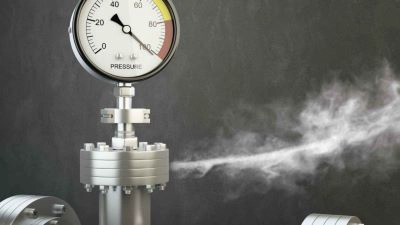
pressure

/ˈpreʃ.ɚ/

(noun) 圧力, 重圧, プレッシャー;

(verb) 圧力をかける, 強制する

例:

The deep sea diver experienced immense pressure.
深海ダイバーは途方もない圧力を経験した。

product

/ˈprɑː.dʌkt/

(noun) 製品, 生産物, 積

例:

The company launched a new software product.
その会社は新しいソフトウェア製品を発売した。

quantum theory

/ˈkwɑːntəm ˈθiːəri/

(noun) 量子論

例:

Quantum theory revolutionized our understanding of the universe at the atomic and subatomic levels.
量子論は、原子および素粒子レベルでの宇宙の理解を革新しました。

radioactive

/ˌreɪ.di.oʊˈæk.tɪv/

(adjective) 放射性の

例:

The waste material is highly radioactive and must be handled with extreme care.
廃棄物は非常に放射性が高く、細心の注意を払って取り扱う必要があります。

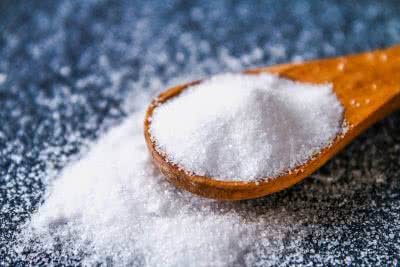
salt

/sɑːlt/

(noun) 塩, 化合物;

(verb) 塩を加える, 塩漬けにする

例:
Add a pinch of salt to the soup for flavor.
風味付けにスープにひとつまみのを加えてください。

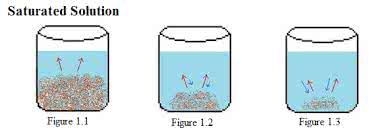
saturated

/ˈsætʃ.ər.eɪ.t̬ɪd/

(adjective) 飽和した, 浸された, 満たされた

例:

The ground was saturated after days of heavy rain.
数日間の大雨の後、地面は飽和状態だった。

semiconductor

/ˌsem.i.kənˈdʌk.tɚ/

(noun) 半導体

例:

Silicon is a common semiconductor material used in computer chips.
シリコンはコンピューターチップに使われる一般的な半導体材料です。

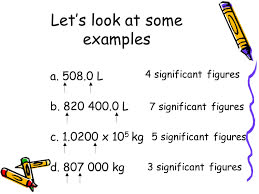
significant figure

/ˌsɪɡˈnɪf.ɪ.kənt ˈfɪɡ.ər/

(noun) 有効数字

例:

The measurement 0.0050 has two significant figures.
測定値0.0050には2つの有効数字があります。

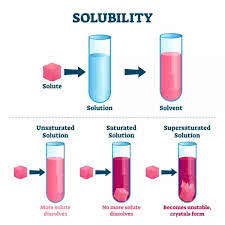
solubility

/ˌsɑːl.jəˈbɪl.ə.t̬i/

(noun) 溶解度

例:

The solubility of sugar in water increases with temperature.
水への砂糖の溶解度は温度とともに増加する。

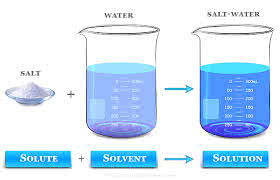
solvent

/ˈsɑːl.vənt/

(adjective) 支払い能力のある, 債務を弁済できる;

(noun) 溶媒

例:
The company remained solvent despite the economic downturn.
経済の低迷にもかかわらず、その会社は支払い能力を維持した

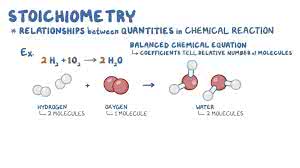
stoichiometry

/ˌstɔɪ.kiˈɑː.mə.tri/

(noun) 化学量論

例:

Understanding stoichiometry is crucial for predicting reaction yields.
化学量論を理解することは、反応収率を予測するために不可欠です。

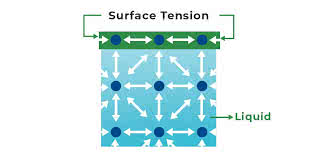
surface tension

/ˈsɜːr.fɪs ˌten.ʃən/

(noun) 表面張力

例:

Water striders can walk on water due to surface tension.
アメンボは表面張力のおかげで水上を歩くことができる。

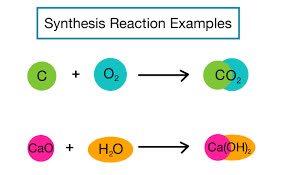
synthesis

/ˈsɪn.θə.sɪs/

(noun) 統合, 合成, 総合

例:

The report provides a synthesis of the research findings.
この報告書は研究結果の統合を提供します。

temperature

/ˈtem.pɚ.ə.tʃɚ/

(noun) 温度, 熱

例:

The room temperature is 25 degrees Celsius.
室温は摂氏25度です。

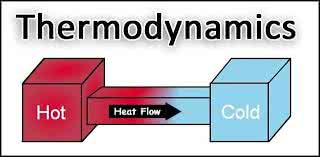
thermodynamics

/ˌθɝː.moʊ.daɪˈnæm.ɪks/

(noun) 熱力学

例:

The first law of thermodynamics states that energy cannot be created or destroyed.
熱力学の第一法則は、エネルギーは創造も破壊もされないと述べている。

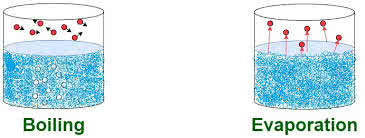
vaporization

/ˌveɪ.pɚ.əˈzeɪ.ʃən/

(noun) 気化, 蒸発

例:

The vaporization of water occurs at 100 degrees Celsius at standard atmospheric pressure.
水の気化は標準大気圧下で摂氏100度で起こります。

enzyme

/ˈen.zaɪm/

(noun) 酵素

例:

Digestion relies on various enzymes to break down food.
消化は食物を分解するために様々な酵素に依存している。

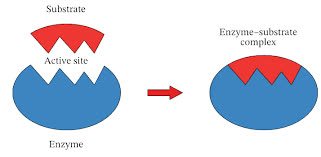
substrate

/ˈsʌb.streɪt/

(noun) 基質, 下地, 基板

例:

Algae grew on the rocky substrate.
藻類は岩の基質の上で育った。

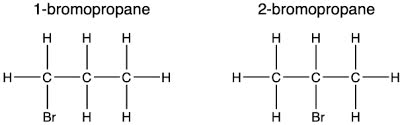
isomer

/ˈaɪ.soʊ.mɚ/

(noun) 異性体

例:

Glucose and fructose are isomers of each other, both having the formula C6H12O6 but different structures.
グルコースとフルクトースは互いに異性体であり、どちらもC6H12O6の式を持つが構造が異なる。

reaction

/riˈæk.ʃən/

(noun) 反応, 応答, 化学反応

例:

His immediate reaction was to call for help.
彼の即座の反応は助けを求めることだった。

balance

/ˈbæl.əns/

(noun) バランス, 均衡, 残高;

(verb) バランスをとる, 均衡を保つ, 比較検討する

例:

She lost her balance and fell.
彼女はバランスを崩して転んだ。

formula

/ˈfɔːr.mjə.lə/

(noun) 公式, 数式, 処方

例:

The formula for the area of a circle is πr².
円の面積の公式はπr²です。

molecule

/ˈmɑː.lɪ.kjuːl/

(noun) 分子

例:

A water molecule consists of two hydrogen atoms and one oxygen atom.
分子は2つの水素原子と1つの酸素原子から構成されています。

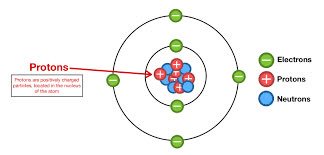
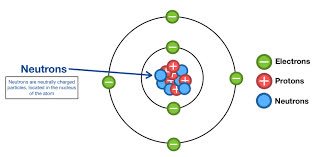
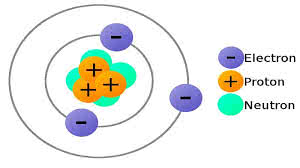
atom

/ˈæt̬.əm/

(noun) 原子, 微塵, 少しも

例:

Water is made up of hydrogen and oxygen atoms.
水は水素と酸素の原子からできています。

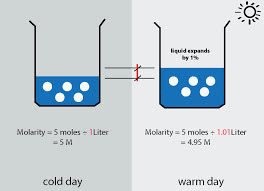
molarity

/moʊˈlær·ɪ·t̬i/

(noun) モル濃度

例:

The molarity of the acid solution was determined by titration.
酸溶液のモル濃度は滴定によって決定された。

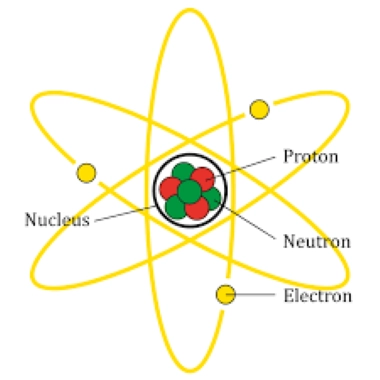
proton

/ˈproʊ.t̬ɑːn/

(noun) 陽子

例:

The nucleus of a hydrogen atom contains a single proton.
水素原子の原子核には単一の陽子が含まれています。

neutron

/ˈnuː.trɑːn/

(noun) 中性子

例:

The nucleus of a helium atom contains two protons and two neutrons.
ヘリウム原子の原子核には2つの陽子と2つの中性子が含まれています。

electron

/iˈlek.trɑːn/

(noun) 電子

例:

An electron orbits the nucleus of an atom.
電子は原子核の周りを軌道する。

quark

/kwɑːrk/

(noun) クォーク

例:

Protons and neutrons are made up of quarks.
陽子と中性子はクォークで構成されています。

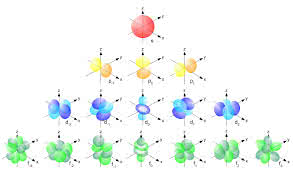
orbital

/ˈɔːr.bɪ.t̬əl/

(adjective) 軌道の, 眼窩の

例:

The satellite achieved a stable orbital trajectory.
衛星は安定した軌道を達成した。

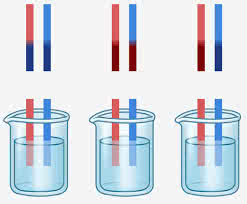
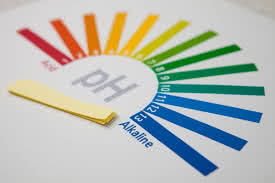
litmus

/ˈlɪt.məs/

(noun) リトマス, 試金石, 指標

例:

The scientist used litmus paper to test the pH of the solution.
科学者は溶液のpHをテストするためにリトマス紙を使用した。

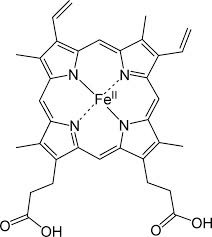
chelate

/ˈkiː.leɪt/

(noun) キレート;

(verb) キレート化する

例:

The scientist studied the formation of a stable chelate.
科学者は安定したキレートの形成を研究した。

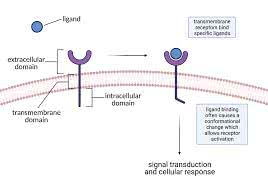
ligand

/ˈlɪɡ.ənd/

(noun) 配位子, リガンド

例:

In coordination chemistry, a ligand is an ion or molecule that binds to a central metal atom.
配位化学において、配位子は中心金属原子に結合するイオンまたは分子である。

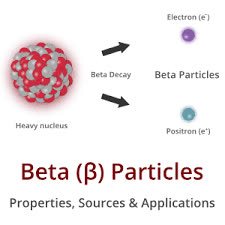
beta particle

/ˈbeɪtə ˌpɑːrtɪkl/

(noun) ベータ粒子

例:

The radioactive isotope decays by emitting a beta particle.
放射性同位体はベータ粒子を放出して崩壊する。

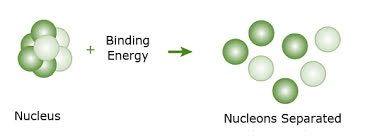
binding energy

/ˈbaɪndɪŋ ˈenərdʒi/

(noun) 結合エネルギー

例:

The strong nuclear force is responsible for the binding energy of atomic nuclei.
強い核力は原子核の結合エネルギーの原因である。

dissociation

/dɪˌsoʊ.ʃiˈeɪ.ʃən/

(noun) 解離, 分離, 乖離

例:

The dissociation of water into hydrogen and oxygen is a chemical process.
水の水素と酸素への解離は化学プロセスである。

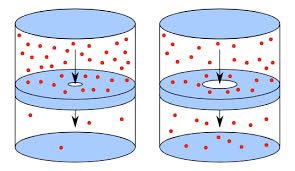
effusion

/ɪˈfjuː.ʒən/

(noun) 流出, 貯留, ほとばしり

例:

The doctor noted a pleural effusion in the patient's lung.
医師は患者の肺に胸水貯留を認めた。

endpoint

/ˈendˌpɔɪnt/

(noun) 終点, 最終地点, エンドポイント

例:

The project's endpoint is the successful launch of the new software.
プロジェクトの終点は、新しいソフトウェアの成功したリリースです。

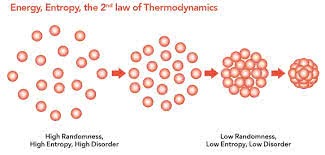
entropy

/ˈen.trə.pi/

(noun) エントロピー, 情報エントロピー, 無秩序

例:

The second law of thermodynamics states that the entropy of an isolated system can only increase over time.
熱力学第二法則は、孤立系のエントロピーは時間とともに増加するだけであると述べている。

equilibrium

/ˌiː.kwəˈlɪb.ri.əm/

(noun) 均衡, 平衡, 身体の平衡

例:

The market reached a state of equilibrium between supply and demand.
市場は需要と供給の均衡状態に達した。

family

/ˈfæm.əl.i/

(noun) 家族, 家系, 血縁;

(adjective) 家族の

例:
My family is coming to visit next week.
来週、家族が訪ねてきます。

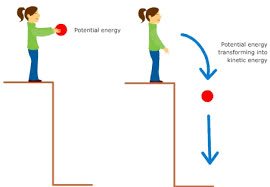
kinetic energy

/kɪˌnet.ɪk ˈen.ɚ.dʒi/

(noun) 運動エネルギー

例:

The car's kinetic energy increased as it sped up.
車の運動エネルギーは加速するにつれて増加した。

mass

/mæs/

(noun) 塊, かたまり, 質量;

(verb) 集まる, 集結する;

(adjective) 大量の, 大衆の

例:
A huge mass of rock blocked the road.
巨大な岩の塊が道を塞いでいた。

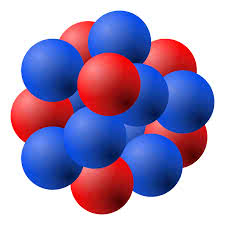
nucleon

/ˈnuː.kli.ɑːn/

(noun) 核子

例:

The atomic nucleus is composed of nucleons, which are protons and neutrons.
原子核は陽子と中性子である核子で構成されています。

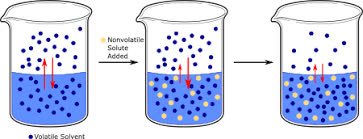
volatile

/ˈvɑː.lə.t̬əl/

(adjective) 不安定な, 変動しやすい, 揮発性の

例:

The political situation in the region is highly volatile.
その地域の政治情勢は非常に不安定だ。

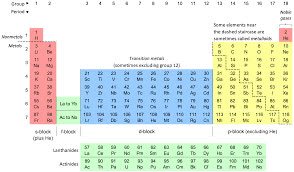
the periodic table

/ðə ˌpɪriˌɑːdɪk ˈteɪbl/

(noun) 周期表

例:

Students learned about the properties of elements using the periodic table.
学生たちは周期表を使って元素の性質について学んだ。

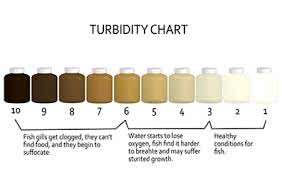
turbidity

/tɝːˈbɪd.ə.t̬i/

(noun) 濁度, 混濁

例:

The high turbidity of the river water made it unsuitable for drinking.
川の水の高い濁度は、飲用に不適格にした。

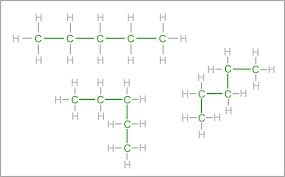
carbon chain

/ˈkɑːr.bən ˌtʃeɪn/

(noun) 炭素鎖

例:

Long carbon chains are characteristic of fatty acids.
長い炭素鎖は脂肪酸の特徴です。

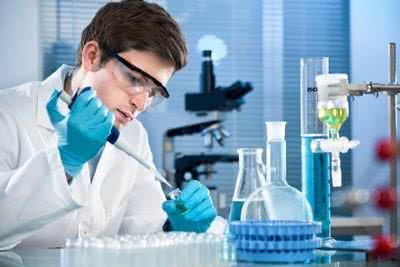
chemist

/ˈkem.ɪst/

(noun) 化学者, 薬剤師, 薬局

例:

The chemist conducted experiments in the lab.
その化学者は研究室で実験を行った。

nonchemical

/ˌnɑːnˈkem.ɪ.kəl/

(adjective) 非化学的

例:

The farm uses nonchemical methods for pest control.
その農場は害虫駆除に非化学的な方法を使用している。

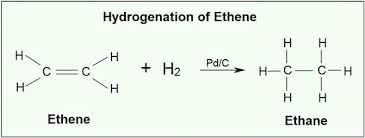
hydrogenated

/haɪˈdrɑː.dʒə.neɪ.t̬ɪd/

(adjective) 水素添加された

例:

Many processed foods contain hydrogenated oils.
多くの加工食品には水素添加された油が含まれています。
Lingolandでこの語彙セットを学習