
言語 内 言語学と言語の特徴 1 語彙セット:完全かつ詳細なリスト
「言語」内の「言語学と言語の特徴 1」語彙セットは国際標準教材から厳選され、短期間で語彙をマスターできます。定義、例文、標準発音を網羅…
Lingolandでこの語彙セットを学習
今すぐ学習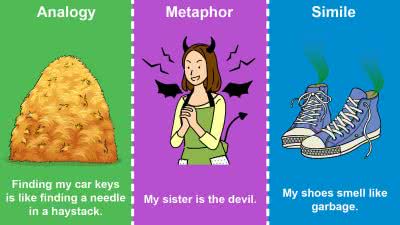
/əˈnæl.ə.dʒi/
(noun) 類推, 比較, 類似
例:
The teacher drew an analogy between the human heart and a pump.
先生は人間の心臓とポンプの間に類推を描いた。
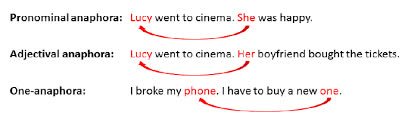
/ə.'næf.ə.rə/
(noun) 反復法, アナフォラ
例:
Martin Luther King Jr.'s 'I Have a Dream' speech is famous for its use of anaphora.
マーティン・ルーサー・キング・ジュニアの「私には夢がある」演説は、反復法の使用で有名です。
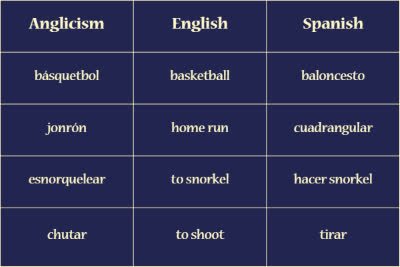
/ˈæŋ.ɡlɪ.sɪ.zəm/
(noun) 英語からの借用語, 英語特有の表現
例:
The use of 'weekend' in French is an example of an Anglicism.
フランス語での「週末」の使用は、英語からの借用語の一例です。

/ˌæn.θrə.pəˈmɔːr.fɪk/
(adjective) 擬人化された, 人間的な
例:
Many children's cartoons feature anthropomorphic animals that talk and wear clothes.
多くの子ども向けアニメには、話したり服を着たりする擬人化された動物が登場します。
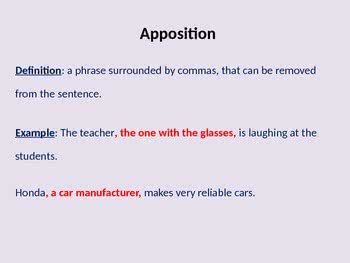
/ˌæp.əˈzɪʃ.ən/
(noun) 並置, 隣接, 同格
例:
The artist used apposition of bright and dark colors to create contrast.
その芸術家は、コントラストを生み出すために明るい色と暗い色の並置を用いた。

/ˈɑːrɡ.jə.mənt/
(noun) 議論, 口論, 論争
例:
They had a fierce argument about politics.
彼らは政治について激しい議論をした。
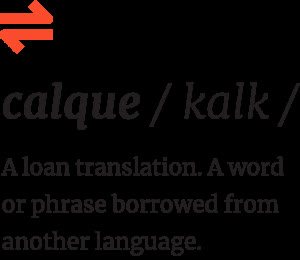
/kælk/
(noun) 借用翻訳, 直訳借用;
(verb) 借用翻訳する, 直訳借用する
例:
The term 'skyscraper' is a calque from Dutch 'wolkenkrabber'.
「スカイスクレイパー」という用語は、オランダ語の「wolkenkrabber」からの借用翻訳です。
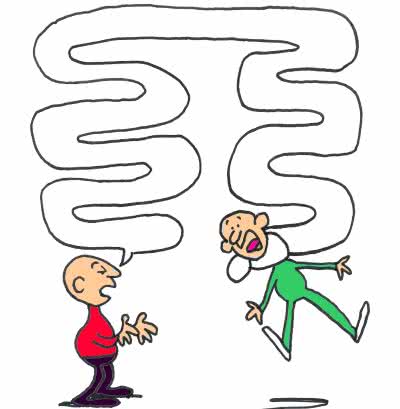
/ˌsɝː.kəm.ləˈkjuː.ʃən/
(noun) 遠回しな言い方, 婉曲表現, 回りくどい表現
例:
His speech was full of circumlocution, avoiding the main issue.
彼のスピーチは遠回しな言い方ばかりで、主要な問題を避けていた。
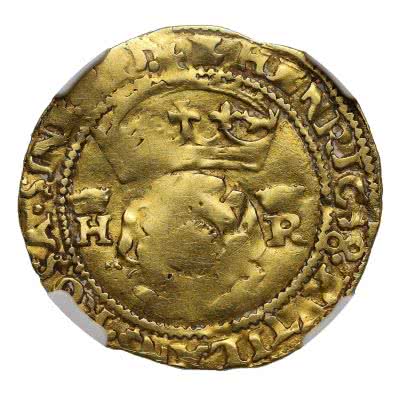
/ˈkɔɪ.nɪdʒ/
(noun) 鋳造, 貨幣鋳造, 貨幣
例:
The coinage of new currency was a complex process.
新通貨の鋳造は複雑なプロセスだった。
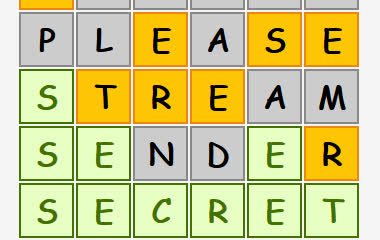
/ˈkoʊd wɜːrd/
(noun) 合言葉, 暗号
例:
The spies used a specific code word to identify each other.
スパイたちは互いを識別するために特定の合言葉を使った。
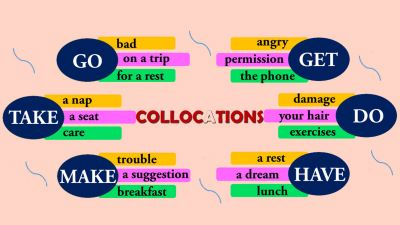
/ˌkɑː.ləˈkeɪ.ʃən/
(noun) コロケーション, 連語
例:
Strong coffee is a common collocation.
「強いコーヒー」は一般的なコロケーションです。
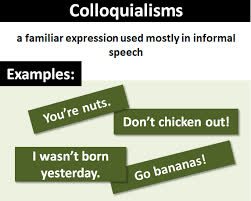
/kəˈloʊ.kwi.ə.lɪ.zəm/
(noun) 口語表現, 俗語
例:
Using 'gonna' instead of 'going to' is a common colloquialism.
'going to'の代わりに'gonna'を使うのは一般的な口語表現です。
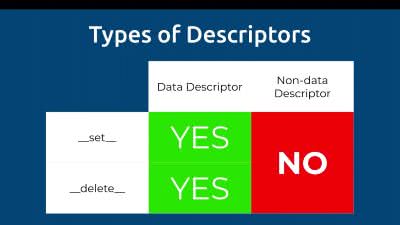
/dɪˈskrɪp.tɚ/
(noun) 記述子, 説明語句
例:
The term 'digital native' is a common descriptor for younger generations.
「デジタルネイティブ」という言葉は、若い世代の一般的な記述子です。

/ˈdaɪ.ə.lekt/
(noun) 方言, なまり
例:
The local dialect is quite different from the standard language.
地元の方言は標準語とはかなり異なります。
/iˈlɪp.sɪs/
(noun) 省略, 省略記号, 三点リーダー
例:
The sentence ended with an ellipsis, indicating omitted words.
その文は省略記号で終わり、省略された単語を示していた。
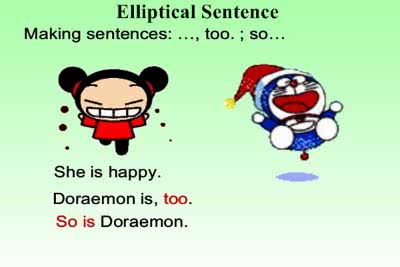
/iˈlɪp.tɪ.kəl/
(adjective) 楕円の, 楕円形の, 省略的な
例:
The planet orbits the sun in an elliptical path.
惑星は楕円軌道で太陽の周りを回る。
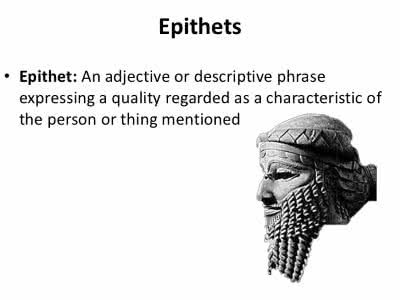
/ˈep.ə.θet/
(noun) 形容句, 異名, 罵倒語
例:
The king was often referred to by the epithet 'the Great'.
その王はしばしば「偉大なる」という形容句で呼ばれた。

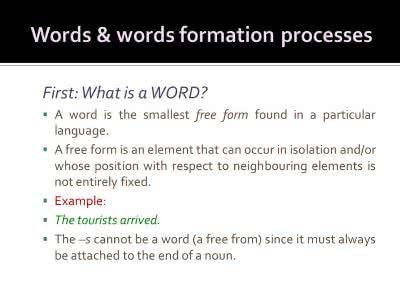
/ˈfriː fɔːrm/
(adjective) 自由な形式の, 制約のない
例:
The artist used a free-form style in her painting.
その芸術家は絵画に自由な形式のスタイルを用いた。
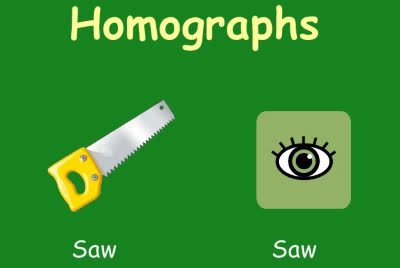
/ˈhɑː.mə.ɡræf/
(noun) 同形異義語
例:
The word 'lead' is a homograph, as it can refer to a metal or the act of guiding.
「lead」という単語は同形異義語であり、金属を指すことも、導く行為を指すこともできます。
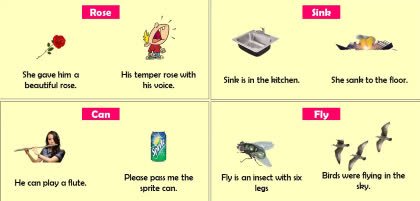
/ˈhɑː.mə.nɪm/
(noun) 同音異義語
例:
The words 'bear' (the animal) and 'bear' (to carry) are homonyms.
「bear」(動物)と「bear」(運ぶ)という単語は同音異義語です。
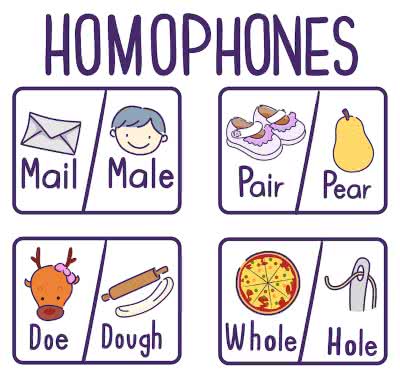
/ˈhɑː.mə.foʊn/
(noun) 同音異義語
例:
The words 'to,' 'too,' and 'two' are perfect examples of homophones.
「to」、「too」、「two」という単語は、同音異義語の完璧な例です。