언어 내 언어학 및 언어 특징 1 어휘 세트: 완전하고 상세한 목록
'언어' 내 '언어학 및 언어 특징 1' 어휘 세트는 국제 표준 교재 출처에서 엄선되어 짧은 시간 안에 어휘를 마스터할 수 있도록 도와줍니다. 정의, 예문, 표준 발음을 완벽하게 수록...
Lingoland에서 이 어휘 세트 학습하기
지금 학습하기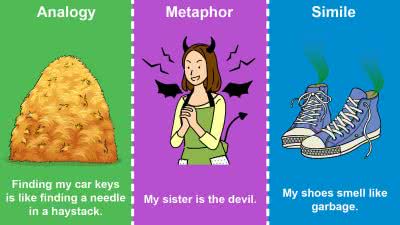
/əˈnæl.ə.dʒi/
(noun) 유추, 비교, 유사성
예시:
The teacher drew an analogy between the human heart and a pump.
선생님은 인간의 심장과 펌프 사이에 유추를 그렸다.
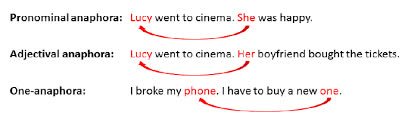
/ə.'næf.ə.rə/
(noun) 반복법, 아나포라
예시:
Martin Luther King Jr.'s 'I Have a Dream' speech is famous for its use of anaphora.
마틴 루터 킹 주니어의 '나에게는 꿈이 있습니다' 연설은 반복법 사용으로 유명하다.
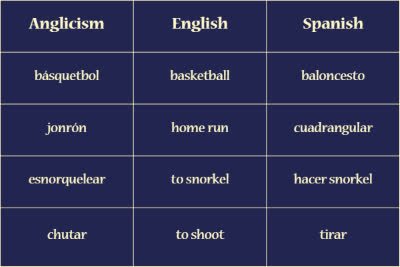
/ˈæŋ.ɡlɪ.sɪ.zəm/
(noun) 영어식 표현, 영국식 표현
예시:
The use of 'weekend' in French is an example of an Anglicism.
프랑스어에서 'weekend'의 사용은 영어식 표현의 한 예이다.
/ˌæn.θrə.pəˈmɔːr.fɪk/
(adjective) 의인화된, 인간적인
예시:
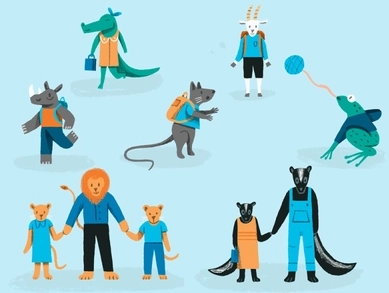
Many children's cartoons feature anthropomorphic animals that talk and wear clothes.
많은 어린이 만화에는 말하고 옷을 입는 의인화된 동물들이 등장한다.
/ˌæp.əˈzɪʃ.ən/
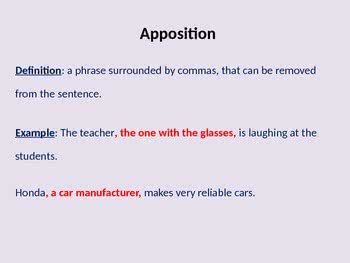
(noun) 병치, 나란히 놓기, 동격
예시:
The artist used apposition of bright and dark colors to create contrast.
예술가는 대비를 만들기 위해 밝은 색과 어두운 색의 병치를 사용했다.
/ˈɑːrɡ.jə.mənt/
(noun) 논쟁, 말다툼, 언쟁
예시:
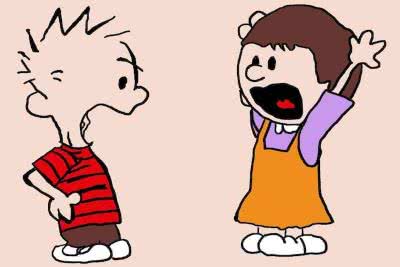
They had a fierce argument about politics.
그들은 정치에 대해 격렬한 논쟁을 벌였다.
/kælk/
(noun) 번역 차용어, 직역어;
(verb) 번역 차용하다, 직역하다
예시:
The term 'skyscraper' is a calque from Dutch 'wolkenkrabber'.
'마천루'라는 용어는 네덜란드어 'wolkenkrabber'에서 온 번역 차용어이다.
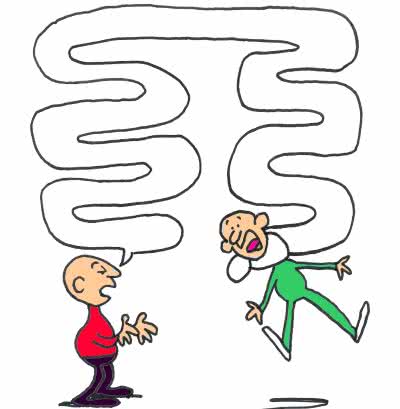
/ˌsɝː.kəm.ləˈkjuː.ʃən/
(noun) 완곡어법, 우회적인 표현, 에두른 말
예시:
His speech was full of circumlocution, avoiding the main issue.
그의 연설은 주요 쟁점을 피하는 완곡어법으로 가득했다.
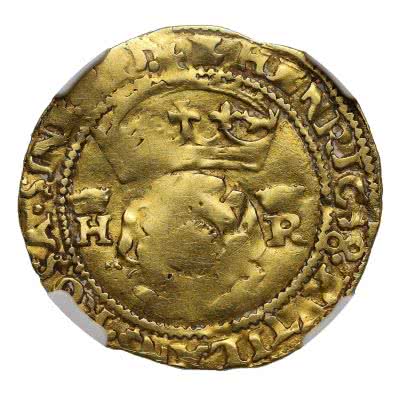
/ˈkɔɪ.nɪdʒ/
(noun) 주조, 화폐 주조, 화폐
예시:
The coinage of new currency was a complex process.
새 화폐의 주조는 복잡한 과정이었다.
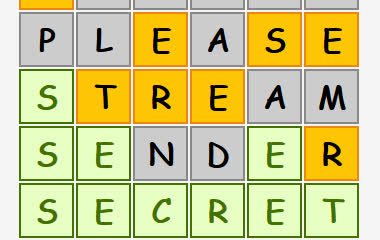
/ˈkoʊd wɜːrd/
(noun) 암호, 비밀번호
예시:
The spies used a specific code word to identify each other.
스파이들은 서로를 식별하기 위해 특정 암호를 사용했다.
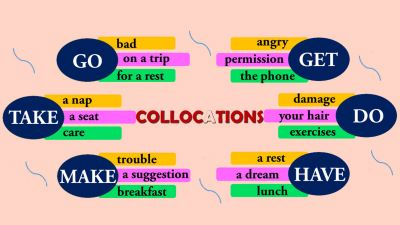
/ˌkɑː.ləˈkeɪ.ʃən/
(noun) 연어, 어울림
예시:
Strong coffee is a common collocation.
강한 커피는 흔한 연어이다.
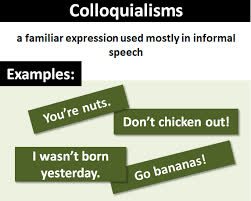
/kəˈloʊ.kwi.ə.lɪ.zəm/
(noun) 구어체 표현, 일상어
예시:
Using 'gonna' instead of 'going to' is a common colloquialism.
'going to' 대신 'gonna'를 사용하는 것은 흔한 구어체 표현이다.
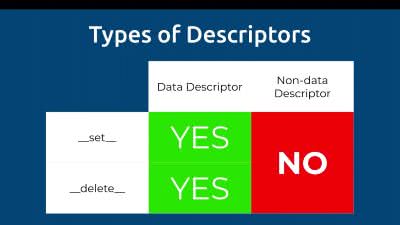
/dɪˈskrɪp.tɚ/
(noun) 설명자, 기술자
예시:
The term 'digital native' is a common descriptor for younger generations.
'디지털 원주민'이라는 용어는 젊은 세대를 위한 일반적인 설명자입니다.

/ˈdaɪ.ə.lekt/
(noun) 방언, 사투리
예시:
The local dialect is quite different from the standard language.
지역 방언은 표준어와 상당히 다르다.

/iˈlɪp.sɪs/
(noun) 생략, 생략 부호, 점 세 개
예시:
The sentence ended with an ellipsis, indicating omitted words.
문장은 생략된 단어를 나타내는 생략 부호로 끝났다.
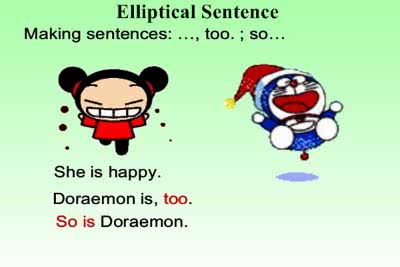
/iˈlɪp.tɪ.kəl/
(adjective) 타원형의, 타원형, 생략적인
예시:
The planet orbits the sun in an elliptical path.
행성은 타원형 궤도로 태양 주위를 공전한다.
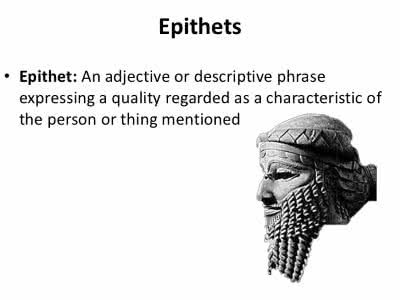
/ˈep.ə.θet/
(noun) 별칭, 수식어, 욕설
예시:
The king was often referred to by the epithet 'the Great'.
그 왕은 종종 '대왕'이라는 별칭으로 불렸다.

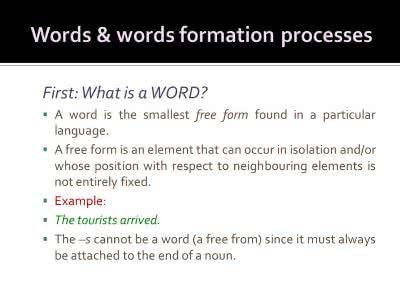
/ˈfriː fɔːrm/
(adjective) 자유로운 형식의, 구속받지 않는
예시:
The artist used a free-form style in her painting.
그 예술가는 그림에 자유로운 형식의 스타일을 사용했다.
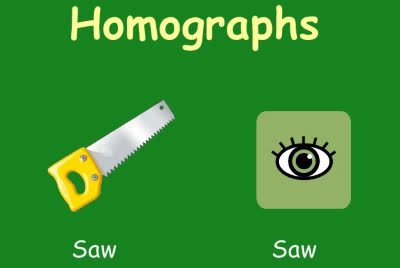
/ˈhɑː.mə.ɡræf/
(noun) 동형이의어
예시:
The word 'lead' is a homograph, as it can refer to a metal or the act of guiding.
'lead'라는 단어는 금속을 의미하거나 안내하는 행위를 의미할 수 있는 동형이의어입니다.
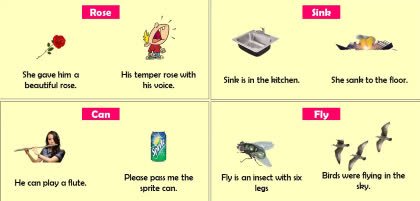
/ˈhɑː.mə.nɪm/
(noun) 동음이의어
예시:
The words 'bear' (the animal) and 'bear' (to carry) are homonyms.
'bear'(동물)와 'bear'(나르다)는 동음이의어이다.
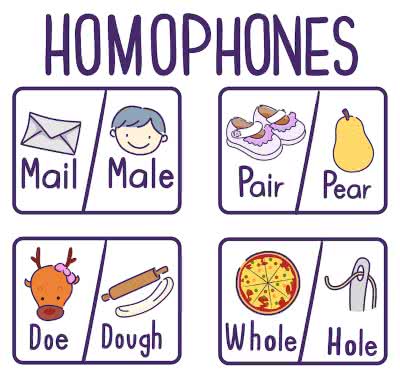
/ˈhɑː.mə.foʊn/
(noun) 동음이의어
예시:
The words 'to,' 'too,' and 'two' are perfect examples of homophones.
'to', 'too', 'two'는 동음이의어의 완벽한 예시입니다.