Avatar of Vocabulary Set 果物と野菜の部分と種類

材料 内 果物と野菜の部分と種類 語彙セット:完全かつ詳細なリスト

「材料」内の「果物と野菜の部分と種類」語彙セットは国際標準教材から厳選され、短期間で語彙をマスターできます。定義、例文、標準発音を網羅…

Lingolandでこの語彙セットを学習

今すぐ学習
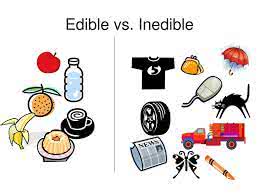
edible

/ˈed.ə.bəl/

(adjective) 食用, 食べられる;

(noun) 食料品, 食用植物

例:
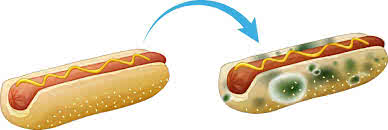
These mushrooms are edible.
これらのキノコは食用です。

inedible

/ˌɪnˈed.ə.bəl/

(adjective) 食べられない, 食用に適さない

例:

The berries were beautiful, but unfortunately, they were inedible.
そのベリーは美しかったが、残念ながら食べられなかった

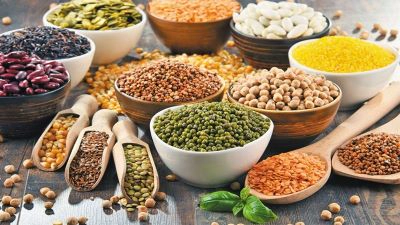
legume

/ˈleɡ.juːm/

(noun) 豆類, マメ科植物, 豆

例:

Soybeans are a common legume used in many dishes.
大豆は多くの料理に使われる一般的な豆類です。

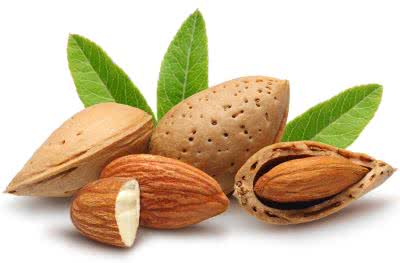
nut

/nʌt/

(noun) 木の実, ナッツ, ナット;

(verb) 頭突きする, 頭で打つ

例:
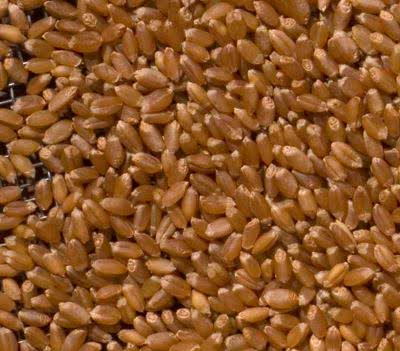
Squirrels bury nuts for the winter.
リスは冬のために木の実を埋める。

caryopsis

/ˌker.iˈɑːp.sɪs/

(noun) 穎果

例:

Wheat grains are a classic example of a caryopsis.
小麦の粒は穎果の典型的な例です。

drupe

/druːp/

(noun) 核果

例:

Cherries are a classic example of a drupe.
サクランボは核果の典型的な例です。

capsule

/ˈkæp.səl/

(noun) カプセル, 宇宙船, 要約;

(verb) 要約する, 凝縮する

例:
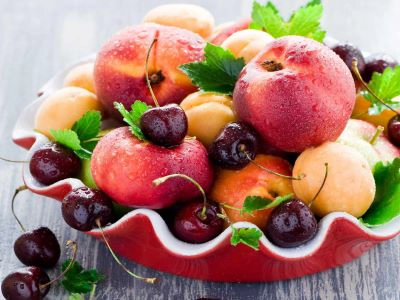
Take two capsules with water after meals.
食後に水と一緒に2つのカプセルを服用してください。

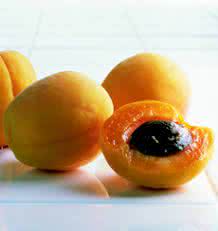
stone fruit

/ˈstoʊn fruːt/

(noun) 核果

例:

Peaches, plums, and cherries are all types of stone fruit.
桃、プラム、サクランボはすべて核果の一種です。

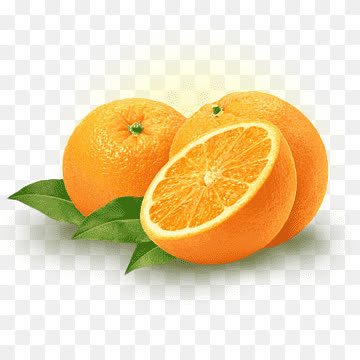
citrus

/ˈsɪt.rəs/

(noun) 柑橘類, 柑橘の木, 柑橘系の果物;

(adjective) 柑橘系の, 柑橘類の

例:
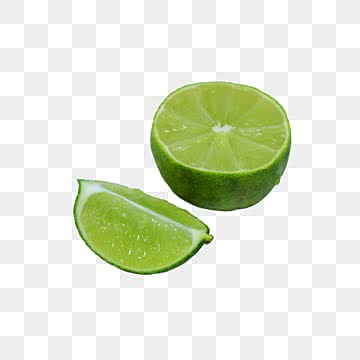
The orchard is filled with various citrus trees.
果樹園には様々な柑橘類の木が植えられています。

seedless

/ˈsiːd.ləs/

(adjective) 種なしの, 無核の

例:

I prefer seedless grapes for snacking.
おやつには種なしブドウが好きです。

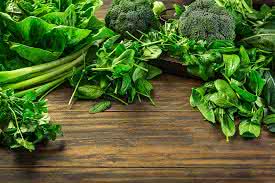
leafy

/ˈliː.fi/

(adjective) 葉の多い, 葉が茂った

例:

The leafy trees provided much-needed shade.
葉の多い木々が、切望されていた日陰を提供した。

bulb

/bʌlb/

(noun) 球根, 電球, 球部

例:

Plant the tulip bulb in the fall for spring blooms.
春に咲くように秋にチューリップの球根を植えなさい。

stem

/stem/

(noun) 茎, 幹, 語幹;

(verb) 起因する, 源を発する, 食い止める

例:
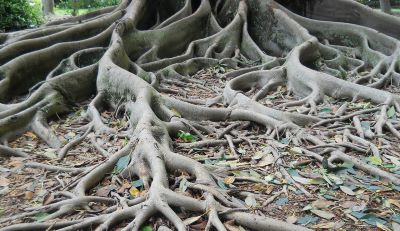
The rose stem had sharp thorns.
バラのには鋭いとげがあった。

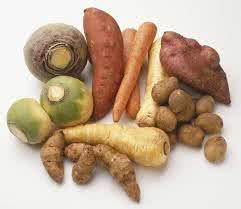
root

/ruːt/

(noun) 根, 根源, 根本;

(verb) 根付く, 定着する, 根付かせる

例:
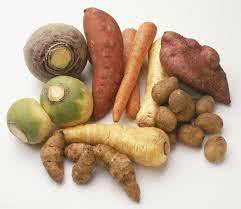
The tree's roots spread deep into the soil.
木のは土深く広がっている。

tuber

/ˈtuː.bɚ/

(noun) 塊茎

例:

Potatoes are a common example of a tuber.
ジャガイモは塊茎の一般的な例です。

tuberous

/ˈtuː.bɚ.əs/

(adjective) 塊茎の, 塊茎状の

例:

Potatoes are a common example of tuberous plants.
ジャガイモは塊茎植物の一般的な例です。

marrow

/ˈmer.oʊ/

(noun) 骨髄, 核心, 本質

例:

Bone marrow is essential for producing blood cells.
骨髄は血液細胞の生成に不可欠です。

core

/kɔːr/

(noun) 核心, 中心, 核;

(verb) 芯を取る, くり抜く;

(adjective) 中核の, 主要な

例:
The core of the issue is lack of communication.
問題の核心はコミュニケーション不足です。

dextrose

/ˈdek.stroʊs/

(noun) デキストロース, ブドウ糖

例:

Many sports drinks contain dextrose for quick energy.
多くのスポーツドリンクには、素早いエネルギー補給のためにデキストロースが含まれています。

flesh

/fleʃ/

(noun) 肉, 肉体, 果肉;

(verb) 具体化する, 肉付けする

例:

The wound went deep into the flesh.
傷はの奥深くまで達した。

hull

/hʌl/

(noun) 船体, 殻, へた;

(verb) 殻をむく, へたを取る

例:
The ship's hull was damaged after hitting the iceberg.
船の船体は氷山に衝突した後、損傷した。

juice

/dʒuːs/

(noun) ジュース, 充電, 電力;

(verb) ジュースにする, 搾る

例:
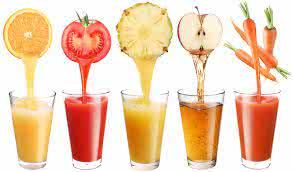
She squeezed fresh orange juice for breakfast.
彼女は朝食に絞りたてのオレンジジュースを作った。

nectar

/ˈnek.tɚ/

(noun) 蜜, ネクター(神々の飲み物), 美味しい飲み物

例:

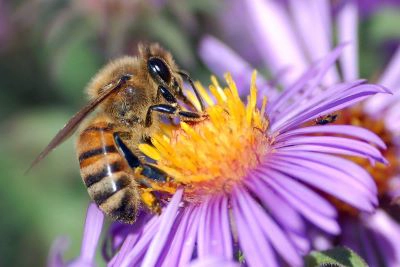
Bees collect nectar from flowers to make honey.
ミツバチは花からを集めて蜂蜜を作る。

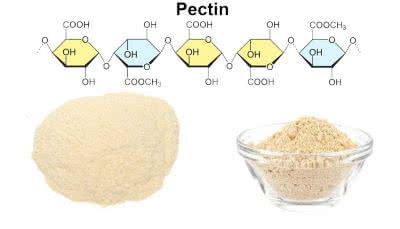
pectin

/ˈpek.tɪn/

(noun) ペクチン

例:

Apples are rich in natural pectin, which helps jams set.
リンゴは天然のペクチンが豊富で、ジャムを固めるのに役立ちます。

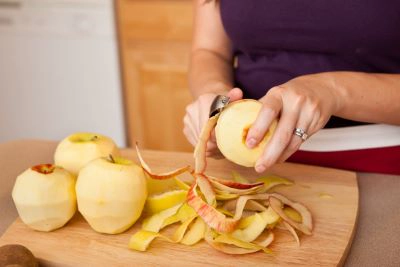
peel

/piːl/

(verb) 皮をむく, 剥がす, 剥がれる;

(noun) 皮, 外皮

例:
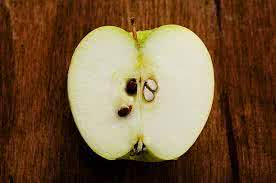
She carefully peeled the apple before slicing it.
彼女はリンゴをスライスする前に慎重に皮をむいた

pip

/pɪp/

(noun) 種, 核, 点;

(verb) さえずる, ピッという音を立てる

例:
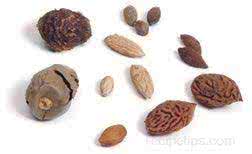
Be careful not to swallow the pips when eating an apple.
リンゴを食べるときはを飲み込まないように注意してください。

pit

/pɪt/

(noun) 穴, くぼみ, 種;

(verb) へこませる, 腐食させる, 戦わせる

例:
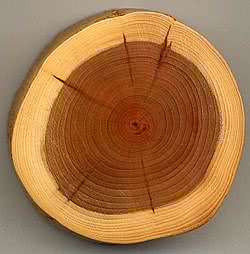
The construction workers dug a deep pit for the foundation.
建設作業員は基礎のために深いを掘った。

pith

/pɪθ/

(noun) 核心, 要点, 髄;

(verb) わたを取り除く, 髄を取り除く

例:
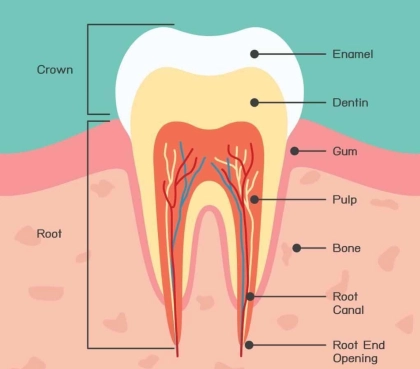
The editor's job is to extract the pith of the argument.
編集者の仕事は、議論の核心を抽出することです。

pulp

/pʌlp/

(noun) パルプ, 果肉, どろどろしたもの;

(verb) パルプ化する, どろどろにする

例:
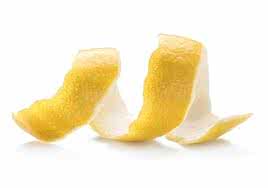
The fruit was crushed into a sticky pulp.
果物は粘り気のあるパルプに潰された。

rind

/raɪnd/

(noun) 皮, 外皮;

(verb) 皮をむく, 外皮を取り除く

例:
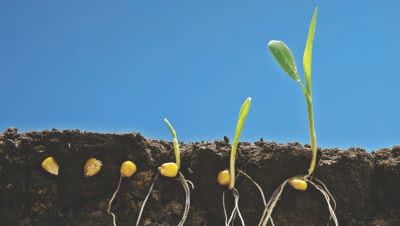
Peel the rind off the orange before eating.
食べる前にオレンジのをむいてください。

seed

/siːd/

(noun) 種, 種子, 起源;

(verb) 種をまく, 播種する, 種を取り除く

例:
Plant the seed in fertile soil.
を肥沃な土壌に植える。

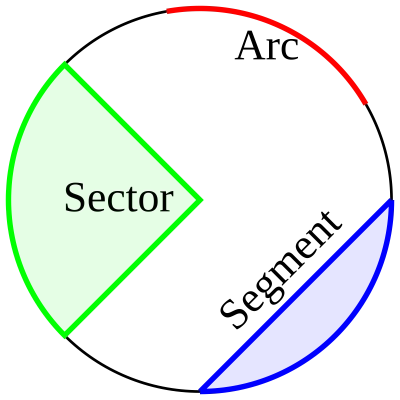
segment

/ˈseɡ.mənt/

(noun) セグメント, 部分, 区分;

(verb) セグメント化する, 分割する

例:

The orange was divided into several segments.
オレンジはいくつかのセグメントに分けられた。

skin

/skɪn/

(noun) 肌, 皮膚, 皮;

(verb) 皮を剥ぐ, 皮をむく

例:

She has very sensitive skin.
彼女は非常に敏感なをしています。

stalk

/stɑːk/

(noun) 茎, 柄;

(verb) 忍び足で追う, ストーカーする, 怒って歩く

例:
The flower had a long, slender stalk.
その花には長くて細いがあった。

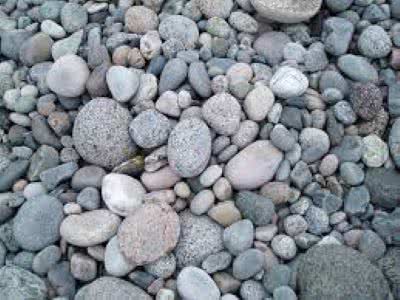
stone

/stoʊn/

(noun) 石, 種, 核;

(verb) 種を取り除く, 核を取り除く

例:

He threw a stone into the lake.
彼は湖にを投げた。

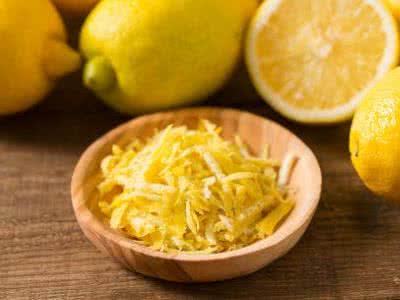
zest

/zest/

(noun) 熱意, 活気, 情熱;

(verb) 皮を削る, ゼストを作る

例:

She approached life with a remarkable zest.
彼女は並外れた熱意を持って人生に臨んだ。

cob

/kɑːb/

(noun) トウモロコシの芯, コブ, 小型の丈夫な馬;

(verb) コブで建てる, コブで造る

例:
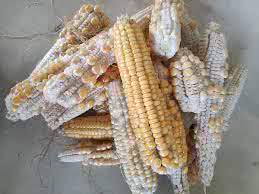
After eating the corn, she discarded the cob.
トウモロコシを食べた後、彼女はを捨てた。

corncob

/ˈkɔːrn.kɑːb/

(noun) トウモロコシの芯, コーンコブ

例:

After eating the corn, she discarded the corncob.
トウモロコシを食べた後、彼女はを捨てた。

eye

/aɪ/

(noun) 目, 穴;

(verb) 見る, じっと見る

例:

She has beautiful blue eyes.
彼女は美しい青いをしている。

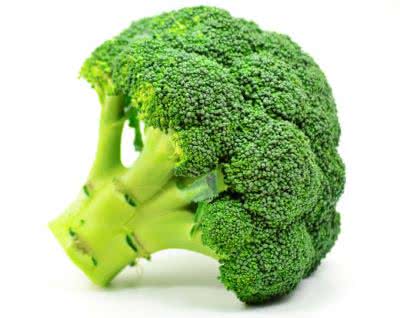
floret

/ˈflɔːr.ət/

(noun) 小花, 小花序

例:

Each tiny floret contributed to the beauty of the sunflower.
それぞれの小さな小花がヒマワリの美しさに貢献していた。

top

/tɑːp/

(noun) 頂上, 上部, トップス;

(adjective) 一番上の, 最上部の, トップの;

(verb) トップになる, 上回る, 蓋をする;

(adverb) 上に, 頂上に

例:
He reached the top of the mountain.
彼は山の頂上に到達した。

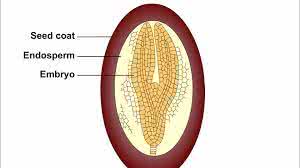
endosperm

/ˈen.doʊ.spɝːm/

(noun) 胚乳

例:

The endosperm provides nourishment for the germinating seed.
胚乳は発芽する種子に栄養を供給します。

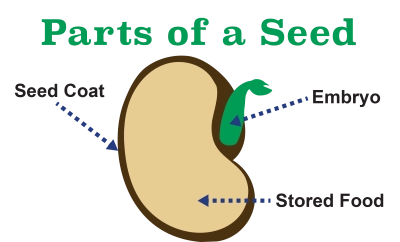
seed coat

/ˈsiːd koʊt/

(noun) 種皮

例:

The seed coat protects the embryo inside.
種皮は内部の胚を保護します。

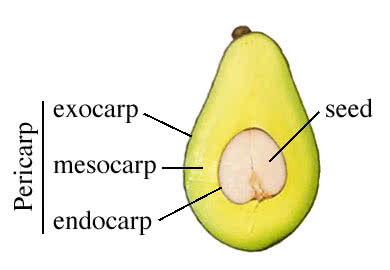
pericarp

/ˈper.ɪ.kɑːrp/

(noun) 果皮, 果実の壁

例:

The fleshy part of an apple is its pericarp.
リンゴの肉厚な部分は果皮です。

fleshy

/ˈfleʃ.i/

(adjective) 肉厚の, 肉質の

例:

The fruit has a thick, fleshy rind.
その果物は厚くて肉厚な皮を持っている。

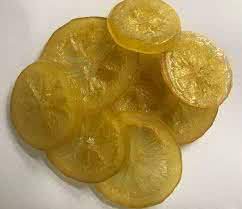
glace

/ɡlæsˈeɪ/

(noun) グラッセ, 砂糖漬けの果物;

(adjective) グラッセ, 光沢のある

例:
The fruitcake was filled with colorful glacé cherries.
フルーツケーキには色とりどりのグラッセチェリーが詰まっていた。

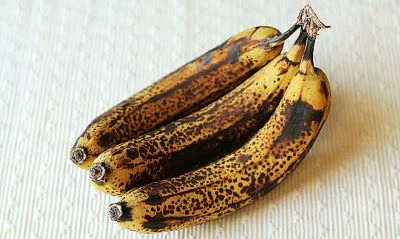
overripe

/ˌoʊ.vɚˈraɪp/

(adjective) 熟しすぎた

例:

The bananas were overripe and mushy.
バナナは熟しすぎていて、ぐにゃぐにゃだった。

pitted

/ˈpɪt̬.ɪd/

(adjective) 種なしの, 核を取り除いた, 穴だらけの;

(verb) 種を取り除く, 核を抜く, へこませる

例:
These olives are already pitted.
これらのオリーブはすでに種なしです。

ripe

/raɪp/

(adjective) 熟した, 機が熟した, 好機な

例:

The bananas are perfectly ripe for eating.
バナナは食べるのに完璧に熟している。

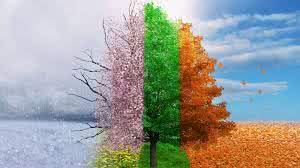
seasonal

/ˈsiː.zən.əl/

(adjective) 季節の, 季節限定の, 季節に左右される

例:

The store offers a variety of seasonal fruits and vegetables.
その店では様々な季節の果物や野菜を提供しています。

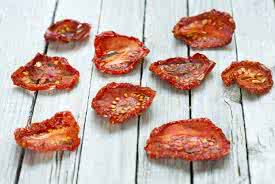
sun-dried

/ˈsʌn.draɪd/

(adjective) 天日干し, 日干し

例:

She added sun-dried tomatoes to the pasta sauce.
彼女はパスタソースに天日干しのトマトを加えた。
Lingolandでこの語彙セットを学習