Avatar of Vocabulary Set 과일 및 채소의 부분과 종류

재료 내 과일 및 채소의 부분과 종류 어휘 세트: 완전하고 상세한 목록

'재료' 내 '과일 및 채소의 부분과 종류' 어휘 세트는 국제 표준 교재 출처에서 엄선되어 짧은 시간 안에 어휘를 마스터할 수 있도록 도와줍니다. 정의, 예문, 표준 발음을 완벽하게 수록...

Lingoland에서 이 어휘 세트 학습하기

지금 학습하기
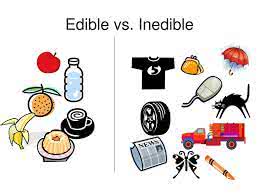
edible

/ˈed.ə.bəl/

(adjective) 먹을 수 있는, 식용의;

(noun) 식용품, 먹거리

예시:
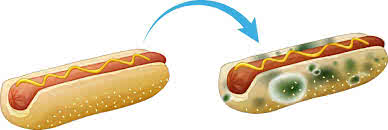
These mushrooms are edible.
이 버섯들은 먹을 수 있어.

inedible

/ˌɪnˈed.ə.bəl/

(adjective) 먹을 수 없는, 식용 부적합

예시:

The berries were beautiful, but unfortunately, they were inedible.
그 열매들은 아름다웠지만, 불행히도 먹을 수 없었다.

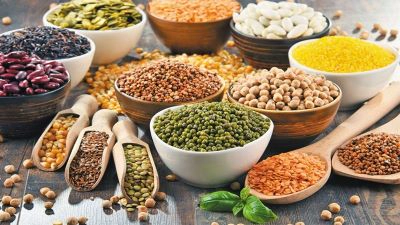
legume

/ˈleɡ.juːm/

(noun) 콩과 식물, 콩류, 콩

예시:

Soybeans are a common legume used in many dishes.
콩은 많은 요리에 사용되는 흔한 콩과 식물이다.

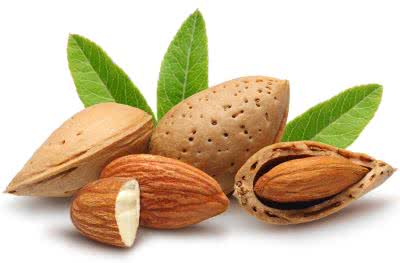
nut

/nʌt/

(noun) 견과류, 열매, 너트;

(verb) 머리로 들이받다, 박치기하다

예시:
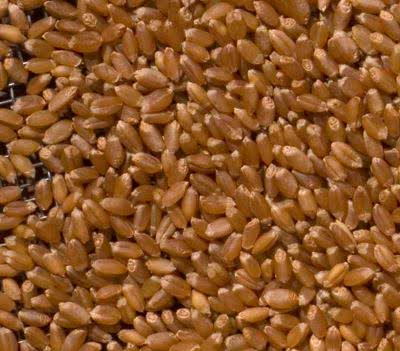
Squirrels bury nuts for the winter.
다람쥐는 겨울을 위해 견과류를 묻는다.

caryopsis

/ˌker.iˈɑːp.sɪs/

(noun) 영과

예시:

Wheat grains are a classic example of a caryopsis.
밀알은 영과의 전형적인 예이다.

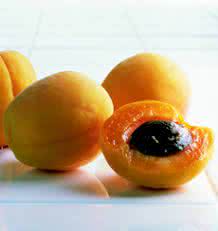
drupe

/druːp/

(noun) 핵과

예시:

Cherries are a classic example of a drupe.
체리는 핵과의 전형적인 예이다.

capsule

/ˈkæp.səl/

(noun) 캡슐, 우주선, 요약;

(verb) 요약하다, 담다

예시:
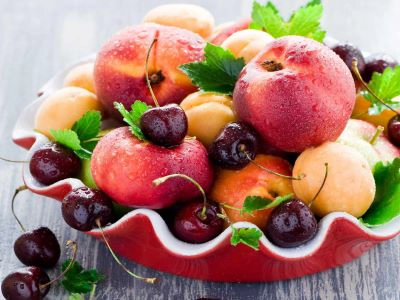
Take two capsules with water after meals.
식사 후 물과 함께 캡슐 두 개를 복용하세요.

stone fruit

/ˈstoʊn fruːt/

(noun) 핵과류

예시:

Peaches, plums, and cherries are all types of stone fruit.
복숭아, 자두, 체리는 모두 핵과류입니다.

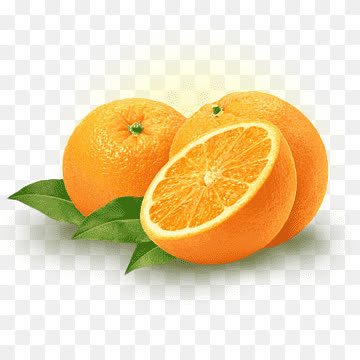
citrus

/ˈsɪt.rəs/

(noun) 감귤류, 감귤나무, 감귤류 과일;

(adjective) 감귤류의, 감귤 향의

예시:
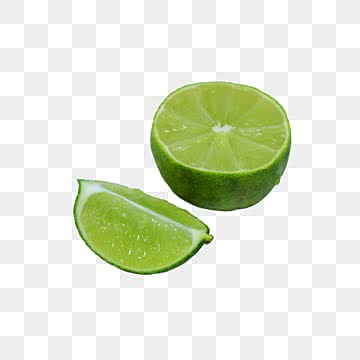
The orchard is filled with various citrus trees.
과수원은 다양한 감귤류 나무로 가득 차 있다.

seedless

/ˈsiːd.ləs/

(adjective) 씨 없는, 무종자의

예시:

I prefer seedless grapes for snacking.
간식으로는 씨 없는 포도를 선호합니다.

leafy

/ˈliː.fi/

(adjective) 잎이 무성한, 잎이 많은

예시:

The leafy trees provided much-needed shade.
잎이 무성한 나무들이 절실히 필요한 그늘을 제공했다.

bulb

/bʌlb/

(noun) 구근, 전구, 구부

예시:

Plant the tulip bulb in the fall for spring blooms.
봄에 꽃을 피우려면 가을에 튤립 구근을 심으세요.

stem

/stem/

(noun) 줄기, 대, 어간;

(verb) 비롯되다, 발원하다, 막다

예시:
The rose stem had sharp thorns.
장미 줄기에는 날카로운 가시가 있었다.

root

/ruːt/

(noun) 뿌리, 근원, 원인;

(verb) 뿌리내리다, 정착하다, 뿌리내리게 하다

예시:
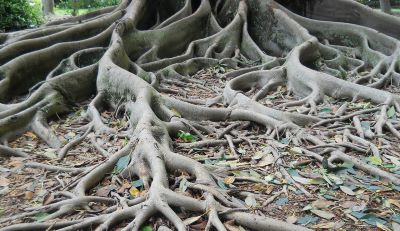
The tree's roots spread deep into the soil.
나무의 뿌리는 흙 속 깊이 뻗어 있다.

tuber

/ˈtuː.bɚ/

(noun) 덩이줄기

예시:

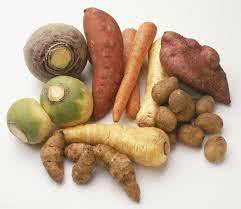
Potatoes are a common example of a tuber.
감자는 덩이줄기의 흔한 예이다.

tuberous

/ˈtuː.bɚ.əs/

(adjective) 덩이줄기의, 덩이줄기 모양의

예시:

Potatoes are a common example of tuberous plants.
감자는 덩이줄기 식물의 흔한 예이다.

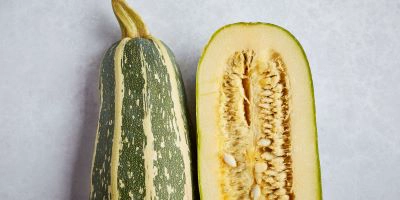
marrow

/ˈmer.oʊ/

(noun) 골수, 핵심, 본질

예시:

Bone marrow is essential for producing blood cells.
골수는 혈액 세포 생성에 필수적이다.

core

/kɔːr/

(noun) 핵심, 중심, 핵;

(verb) 심을 제거하다, 속을 파내다;

(adjective) 핵심적인, 주요한

예시:
The core of the issue is lack of communication.
문제의 핵심은 소통 부족이다.

dextrose

/ˈdek.stroʊs/

(noun) 덱스트로스, 포도당

예시:

Many sports drinks contain dextrose for quick energy.
많은 스포츠 음료에는 빠른 에너지를 위해 덱스트로스가 포함되어 있습니다.

flesh

/fleʃ/

(noun) 살, 육체, 과육;

(verb) 구체화하다, 살을 붙이다

예시:

The wound went deep into the flesh.
상처가 깊숙이 들어갔다.

hull

/hʌl/

(noun) 선체, 껍질, 꼭지;

(verb) 껍질을 벗기다, 꼭지를 제거하다

예시:
The ship's hull was damaged after hitting the iceberg.
배의 선체는 빙산에 부딪힌 후 손상되었다.

juice

/dʒuːs/

(noun) 주스, 전력, 전기;

(verb) 즙을 내다, 주스를 만들다

예시:
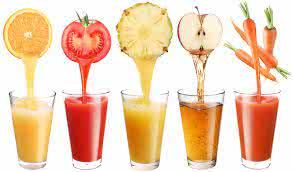
She squeezed fresh orange juice for breakfast.
그녀는 아침 식사로 신선한 오렌지 주스를 짰다.

nectar

/ˈnek.tɚ/

(noun) 꿀, 넥타르 (신들의 음료), 맛있는 음료

예시:

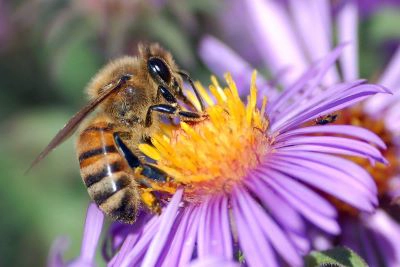
Bees collect nectar from flowers to make honey.
벌들은 꿀을 만들기 위해 꽃에서 을 모은다.

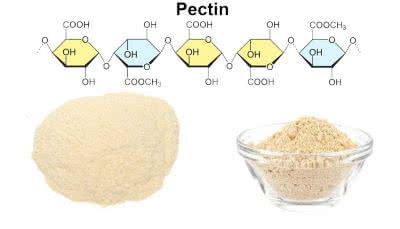
pectin

/ˈpek.tɪn/

(noun) 펙틴

예시:

Apples are rich in natural pectin, which helps jams set.
사과는 천연 펙틴이 풍부하여 잼이 굳는 데 도움이 됩니다.

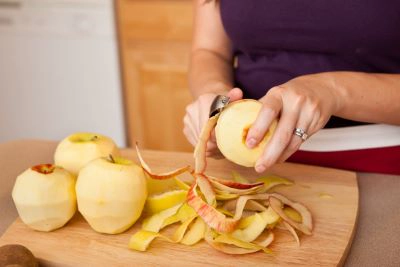
peel

/piːl/

(verb) 껍질을 벗기다, 까다, 벗겨지다;

(noun) 껍질

예시:
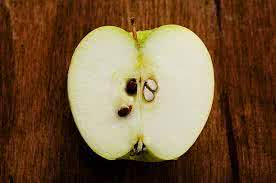
She carefully peeled the apple before slicing it.
그녀는 사과를 썰기 전에 조심스럽게 껍질을 벗겼다.

pip

/pɪp/

(noun) 씨, 핵, 점;

(verb) 지저귀다, 삐 소리를 내다

예시:
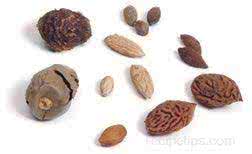
Be careful not to swallow the pips when eating an apple.
사과를 먹을 때 를 삼키지 않도록 조심해.

pit

/pɪt/

(noun) 구덩이, 움푹 들어간 곳, 씨앗;

(verb) 움푹 들어가게 하다, 부식시키다, 싸우게 하다

예시:
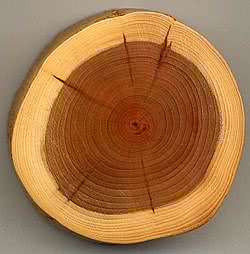
The construction workers dug a deep pit for the foundation.
건설 노동자들은 기초를 위해 깊은 구덩이를 팠다.

pith

/pɪθ/

(noun) 핵심, 요점, 골자;

(verb) 속껍질을 제거하다, 수액을 제거하다

예시:
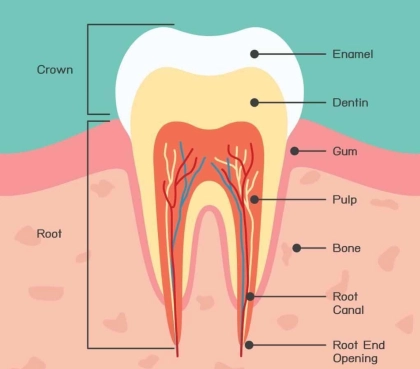
The editor's job is to extract the pith of the argument.
편집자의 임무는 주장의 핵심을 추출하는 것이다.

pulp

/pʌlp/

(noun) 과육, 펄프, 죽;

(verb) 펄프화하다, 으깨다

예시:
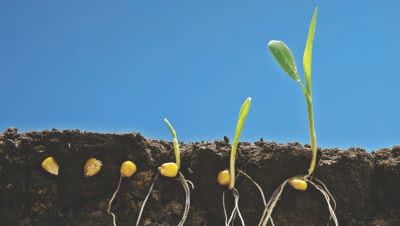
The fruit was crushed into a sticky pulp.
과일은 끈적한 과육으로 으깨졌다.

rind

/raɪnd/

(noun) 껍질, 외피;

(verb) 껍질을 벗기다, 외피를 제거하다

예시:
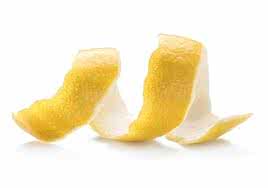
Peel the rind off the orange before eating.
오렌지 껍질을 벗겨 먹어.

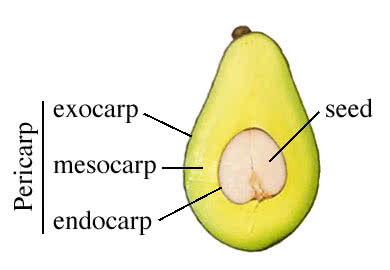
seed

/siːd/

(noun) 씨앗, 종자, 근원;

(verb) 씨앗을 심다, 파종하다, 씨를 제거하다

예시:
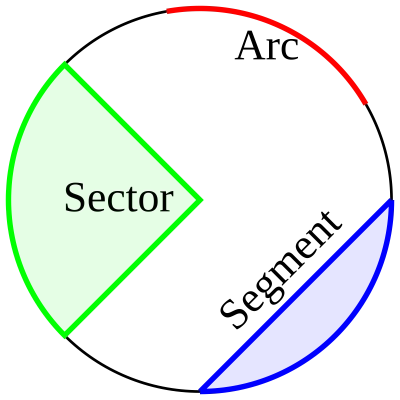
Plant the seed in fertile soil.
씨앗을 비옥한 흙에 심어라.

segment

/ˈseɡ.mənt/

(noun) 부분, 조각, 구획;

(verb) 분할하다, 나누다

예시:

The orange was divided into several segments.
오렌지는 여러 조각으로 나뉘었다.

skin

/skɪn/

(noun) 피부, 살갗, 껍질;

(verb) 가죽을 벗기다, 껍질을 벗기다

예시:

She has very sensitive skin.
그녀는 매우 민감한 피부를 가지고 있다.

stalk

/stɑːk/

(noun) 줄기, 대;

(verb) 몰래 추적하다, 스토킹하다, 성큼성큼 걷다

예시:
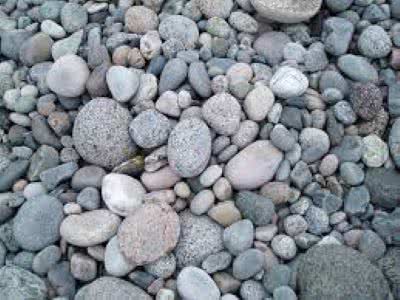
The flower had a long, slender stalk.
그 꽃은 길고 가는 줄기를 가지고 있었다.

stone

/stoʊn/

(noun) 돌, 씨, 핵;

(verb) 씨를 제거하다, 핵을 제거하다

예시:
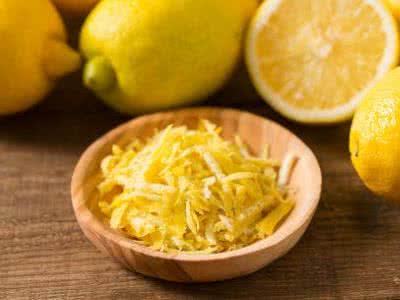
He threw a stone into the lake.
그는 호수에 을 던졌다.

zest

/zest/

(noun) 열정, 활기, 흥미;

(verb) 껍질을 벗기다, 제스트를 만들다

예시:

She approached life with a remarkable zest.
그녀는 놀라운 열정으로 삶에 접근했다.

cob

/kɑːb/

(noun) 옥수수 속대, 옥수수 심, 코브;

(verb) 코브로 만들다, 코브로 짓다

예시:
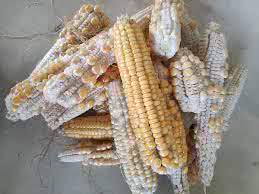
After eating the corn, she discarded the cob.
옥수수를 먹은 후, 그녀는 옥수수 속대를 버렸다.

corncob

/ˈkɔːrn.kɑːb/

(noun) 옥수수 속대

예시:

After eating the corn, she discarded the corncob.
옥수수를 먹은 후, 그녀는 옥수수 속대를 버렸다.

eye

/aɪ/

(noun) 눈, 구멍;

(verb) 주시하다, 응시하다

예시:

She has beautiful blue eyes.
그녀는 아름다운 파란 을 가지고 있다.

floret

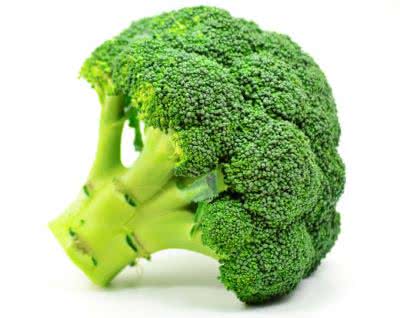
/ˈflɔːr.ət/

(noun) 소화, 송이

예시:

Each tiny floret contributed to the beauty of the sunflower.
각각의 작은 소화가 해바라기의 아름다움에 기여했다.

top

/tɑːp/

(noun) 정상, 꼭대기, 상의;

(adjective) 맨 위, 최고의, 최상급의;

(verb) 정상에 오르다, 능가하다, 덮다;

(adverb) 위에, 맨 위에

예시:
He reached the top of the mountain.
그는 산의 정상에 도달했다.

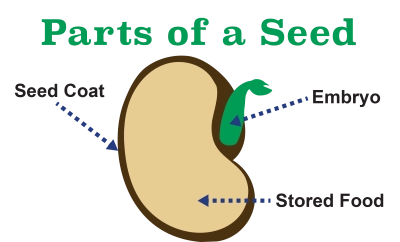
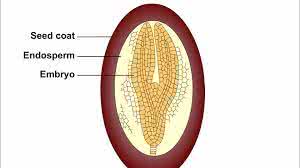
endosperm

/ˈen.doʊ.spɝːm/

(noun) 배젖

예시:

The endosperm provides nourishment for the germinating seed.
배젖은 발아하는 씨앗에 영양을 공급한다.

seed coat

/ˈsiːd koʊt/

(noun) 종피

예시:

The seed coat protects the embryo inside.
종피는 내부의 배아를 보호한다.

pericarp

/ˈper.ɪ.kɑːrp/

(noun) 과피

예시:

The fleshy part of an apple is its pericarp.
사과의 살 부분은 과피이다.

fleshy

/ˈfleʃ.i/

(adjective) 살이 많은, 육질의

예시:

The fruit has a thick, fleshy rind.
그 과일은 두껍고 살이 많은 껍질을 가지고 있다.

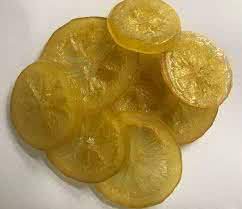
glace

/ɡlæsˈeɪ/

(noun) 글라세, 설탕에 절인 과일;

(adjective) 글라세, 윤기 나는

예시:
The fruitcake was filled with colorful glacé cherries.
과일 케이크는 다채로운 글라세 체리로 가득했다.

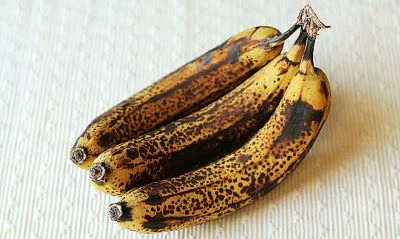
overripe

/ˌoʊ.vɚˈraɪp/

(adjective) 너무 익은, 과숙한

예시:

The bananas were overripe and mushy.
바나나는 너무 익어서 물렀다.

pitted

/ˈpɪt̬.ɪd/

(adjective) 씨를 뺀, 핵이 제거된, 움푹 패인;

(verb) 씨를 빼다, 핵을 제거하다, 움푹 패게 하다

예시:
These olives are already pitted.
이 올리브는 이미 씨가 제거된 상태입니다.

ripe

/raɪp/

(adjective) 익은, 숙성된, 적절한

예시:

The bananas are perfectly ripe for eating.
바나나가 먹기에 완벽하게 익었다.

seasonal

/ˈsiː.zən.əl/

(adjective) 계절의, 제철의, 계절에 따른

예시:

The store offers a variety of seasonal fruits and vegetables.
그 가게는 다양한 제철 과일과 채소를 제공한다.

sun-dried

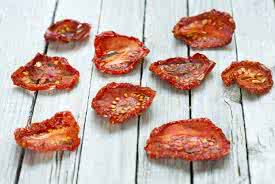
/ˈsʌn.draɪd/

(adjective) 햇볕에 말린, 천일 건조된

예시:

She added sun-dried tomatoes to the pasta sauce.
그녀는 파스타 소스에 햇볕에 말린 토마토를 넣었다.
Lingoland에서 이 어휘 세트 학습하기