Avatar of Vocabulary Set 水果和蔬菜的部分與種類

詞彙集 水果和蔬菜的部分與種類(屬於 食材):完整且詳細的清單

詞彙集「水果和蔬菜的部分與種類」(屬於「食材」)從國際標準教材來源精心挑選,幫助您在短時間內掌握詞彙。全面彙整定義、例句及標準發音…

在 Lingoland 學習此詞彙集

立即學習
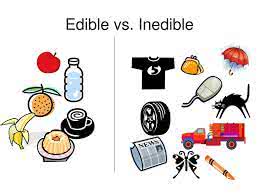
edible

/ˈed.ə.bəl/

(adjective) 可食用的, 食用的;

(noun) 食物, 可食用物

範例:
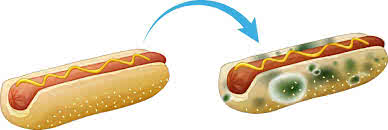
These mushrooms are edible.
這些蘑菇是可食用的

inedible

/ˌɪnˈed.ə.bəl/

(adjective) 不能吃的, 不適於食用的

範例:

The berries were beautiful, but unfortunately, they were inedible.
這些漿果很漂亮,但不幸的是,它們是不能吃的

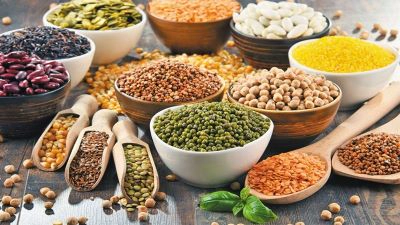
legume

/ˈleɡ.juːm/

(noun) 豆類, 豆科植物, 豆莢

範例:

Soybeans are a common legume used in many dishes.
大豆是許多菜餚中常用的豆類

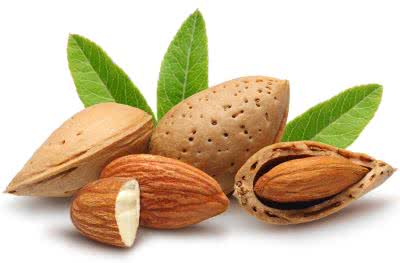
nut

/nʌt/

(noun) 堅果, 果仁, 螺母;

(verb) 用頭撞, 頭撞

範例:

Squirrels bury nuts for the winter.
松鼠為過冬埋藏堅果

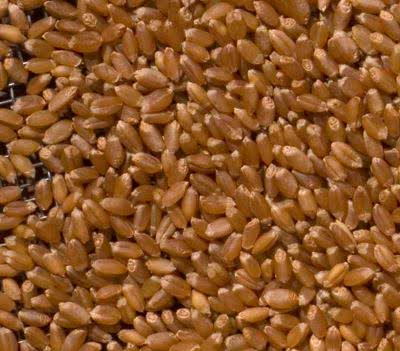
caryopsis

/ˌker.iˈɑːp.sɪs/

(noun) 穎果

範例:

Wheat grains are a classic example of a caryopsis.
麥粒是穎果的典型例子。

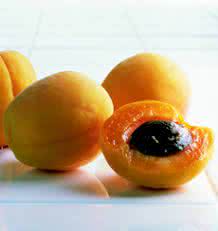
drupe

/druːp/

(noun) 核果

範例:

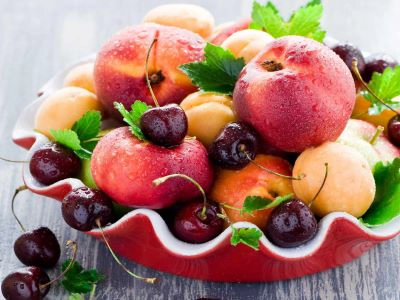
Cherries are a classic example of a drupe.
櫻桃是核果的典型例子。

capsule

/ˈkæp.səl/

(noun) 膠囊, 太空艙, 救生艙;

(verb) 濃縮, 概括

範例:
Take two capsules with water after meals.
飯後用水服用兩粒膠囊

stone fruit

/ˈstoʊn fruːt/

(noun) 核果

範例:

Peaches, plums, and cherries are all types of stone fruit.
桃子、李子和櫻桃都是核果

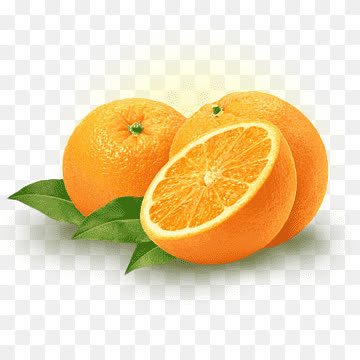
citrus

/ˈsɪt.rəs/

(noun) 柑橘, 柑橘樹, 柑橘類水果;

(adjective) 柑橘的, 柑橘味的

範例:
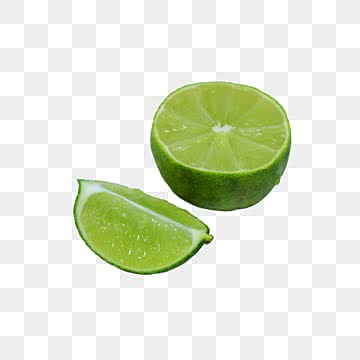
The orchard is filled with various citrus trees.
果園裡種滿了各種柑橘樹。

seedless

/ˈsiːd.ləs/

(adjective) 無籽的, 無核的

範例:

I prefer seedless grapes for snacking.
我更喜歡吃無籽葡萄。

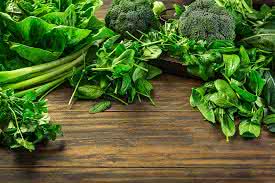
leafy

/ˈliː.fi/

(adjective) 枝繁葉茂的, 多葉的

範例:

The leafy trees provided much-needed shade.
枝繁葉茂的樹木提供了急需的陰涼。

bulb

/bʌlb/

(noun) 球莖, 鱗莖, 燈泡

範例:

Plant the tulip bulb in the fall for spring blooms.
秋天種下鬱金香球莖,春天就能開花。

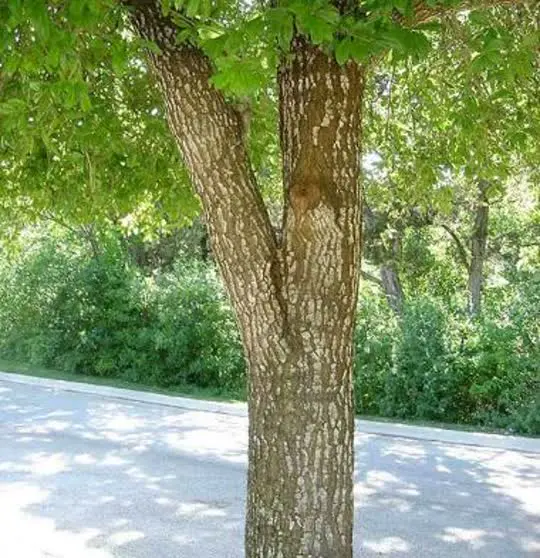
stem

/stem/

(noun) 莖, 桿, 詞幹;

(verb) 源於, 起源於, 阻止

範例:

The rose stem had sharp thorns.
玫瑰有尖銳的刺。

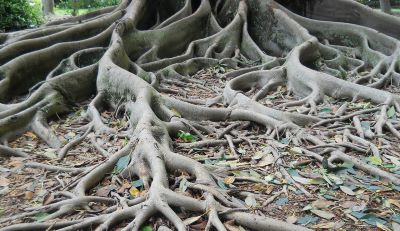
root

/ruːt/

(noun) 根, 根源, 根本;

(verb) 扎根, 確立, 生根

範例:
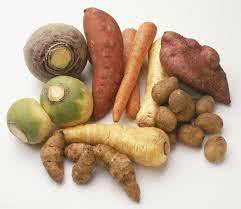
The tree's roots spread deep into the soil.
樹的深入土壤。

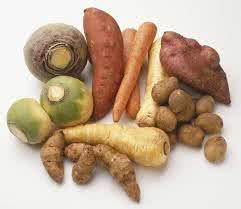
tuber

/ˈtuː.bɚ/

(noun) 塊莖

範例:

Potatoes are a common example of a tuber.
馬鈴薯是塊莖的常見例子。

tuberous

/ˈtuː.bɚ.əs/

(adjective) 塊莖的, 塊莖狀的

範例:

Potatoes are a common example of tuberous plants.
馬鈴薯是塊莖植物的常見例子。

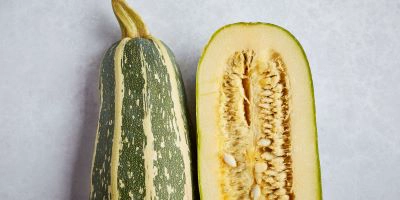
marrow

/ˈmer.oʊ/

(noun) 骨髓, 精髓, 核心

範例:

Bone marrow is essential for producing blood cells.
骨髓對於產生血細胞至關重要。

core

/kɔːr/

(noun) 核心, 中心, 要點;

(verb) 去核, 挖核;

(adjective) 核心的, 主要的

範例:
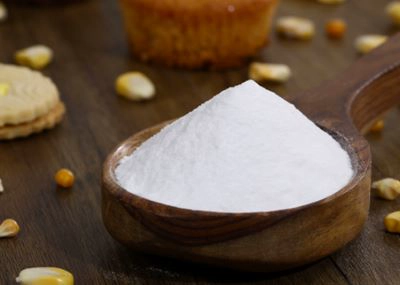
The core of the issue is lack of communication.
問題的核心是缺乏溝通。

dextrose

/ˈdek.stroʊs/

(noun) 葡萄糖, 右旋糖

範例:

Many sports drinks contain dextrose for quick energy.
許多運動飲料含有葡萄糖以提供快速能量。

flesh

/fleʃ/

(noun) 肉, 肉體, 果肉;

(verb) 充實, 具體化

範例:

The wound went deep into the flesh.
傷口深入肉體

hull

/hʌl/

(noun) 船體, 殼, 蒂;

(verb) 去殼, 去蒂

範例:

The ship's hull was damaged after hitting the iceberg.
船的船體在撞上冰山後受損。

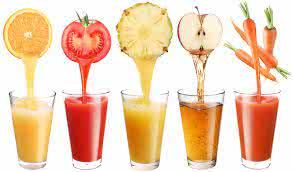
juice

/dʒuːs/

(noun) 汁, 電, 電力;

(verb) 榨汁

範例:

She squeezed fresh orange juice for breakfast.
她榨了新鮮的橙作為早餐。

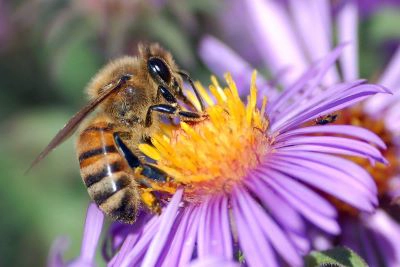
nectar

/ˈnek.tɚ/

(noun) 花蜜, 神酒, 仙露

範例:

Bees collect nectar from flowers to make honey.
蜜蜂從花中採集花蜜來釀造蜂蜜。

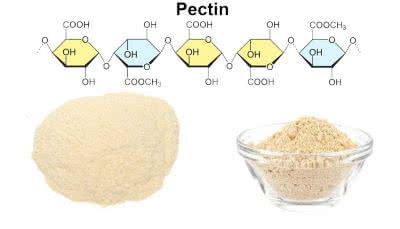
pectin

/ˈpek.tɪn/

(noun) 果膠

範例:

Apples are rich in natural pectin, which helps jams set.
蘋果富含天然果膠,有助於果醬凝固。

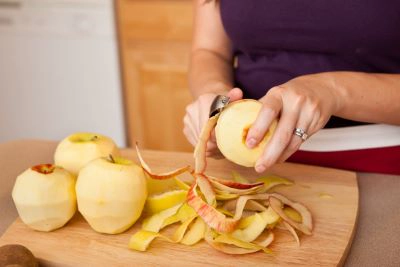
peel

/piːl/

(verb) 削皮, 剝皮, 剝落;

(noun) 皮, 果皮

範例:

She carefully peeled the apple before slicing it.
她小心翼翼地了蘋果皮,然後切片。

pip

/pɪp/

(noun) 籽, 核, 點;

(verb) 啁啾, 發出嗶嗶聲

範例:

Be careful not to swallow the pips when eating an apple.
吃蘋果時要小心不要吞下

pit

/pɪt/

(noun) 坑, 凹陷, 果核;

(verb) 使有坑, 腐蝕, 使搏鬥

範例:
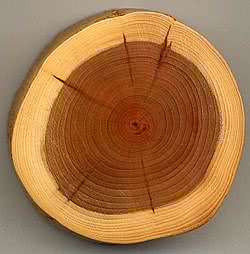
The construction workers dug a deep pit for the foundation.
建築工人挖了一個很深的作為地基。

pith

/pɪθ/

(noun) 精髓, 核心, 要點;

(verb) 去除橘絡, 去髓

範例:
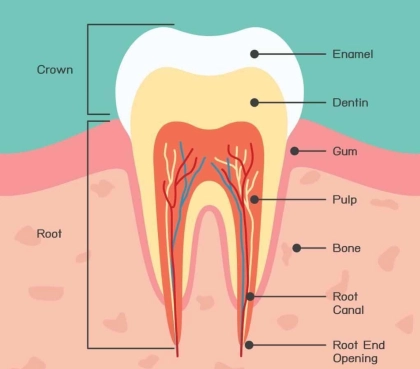
The editor's job is to extract the pith of the argument.
編輯的工作是提取論點的精髓

pulp

/pʌlp/

(noun) 果肉, 紙漿, 糊狀物;

(verb) 打成紙漿, 搗成糊狀

範例:
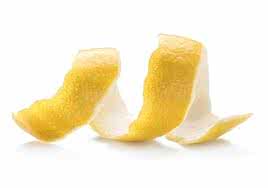
The fruit was crushed into a sticky pulp.
水果被壓碎成粘稠的果肉

rind

/raɪnd/

(noun) 皮, 外皮;

(verb) 削皮, 去皮

範例:

Peel the rind off the orange before eating.
吃之前把橘子剝掉。

seed

/siːd/

(noun) 種子, 籽, 根源;

(verb) 播種, 種植, 去籽

範例:

Plant the seed in fertile soil.
種子種在肥沃的土壤裡。

segment

/ˈseɡ.mənt/

(noun) 部分, 片段, 節;

(verb) 細分, 分割

範例:

The orange was divided into several segments.
橙子被分成了幾

skin

/skɪn/

(noun) 皮膚, 表皮, 皮;

(verb) 剝皮, 去皮

範例:

She has very sensitive skin.
她的皮膚非常敏感。

stalk

/stɑːk/

(noun) 莖, 柄;

(verb) 悄悄跟蹤, 跟蹤騷擾, 大步走

範例:
The flower had a long, slender stalk.
這朵花有一個細長的

stone

/stoʊn/

(noun) 石頭, 核, 果核;

(verb) 去核

範例:

He threw a stone into the lake.
他把一塊石頭扔進了湖裡。

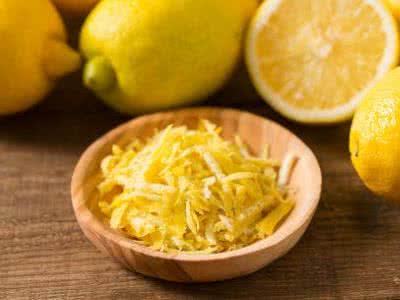
zest

/zest/

(noun) 熱情, 活力, 風味;

(verb) 刮皮, 削皮

範例:

She approached life with a remarkable zest.
她以非凡的熱情對待生活。

cob

/kɑːb/

(noun) 玉米棒, 玉米芯, 矮腳馬;

(verb) 用土坯建造, 用土坯築

範例:
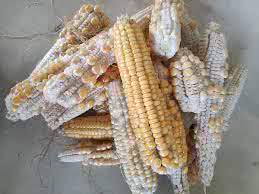
After eating the corn, she discarded the cob.
吃完玉米後,她扔掉了玉米棒

corncob

/ˈkɔːrn.kɑːb/

(noun) 玉米芯

範例:

After eating the corn, she discarded the corncob.
吃完玉米後,她扔掉了玉米芯

eye

/aɪ/

(noun) 眼睛, 孔, 眼;

(verb) 看, 注視

範例:

She has beautiful blue eyes.
她有一雙美麗的藍眼睛

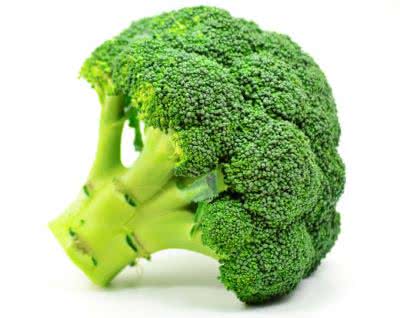
floret

/ˈflɔːr.ət/

(noun) 小花, 小花蕾

範例:

Each tiny floret contributed to the beauty of the sunflower.
每一朵小都為向日葵的美麗增添了光彩。

top

/tɑːp/

(noun) 頂部, 頂端, 上衣;

(adjective) 頂部的, 最高的, 頂尖的;

(verb) 位居榜首, 超越, 蓋上;

(adverb) 在頂部, 向上

範例:
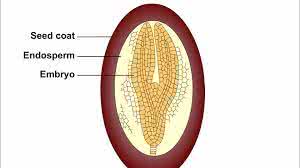
He reached the top of the mountain.
他到達了山

endosperm

/ˈen.doʊ.spɝːm/

(noun) 胚乳

範例:

The endosperm provides nourishment for the germinating seed.
胚乳為萌發的種子提供營養。

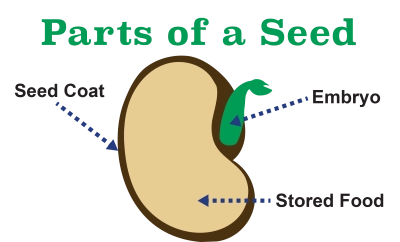
seed coat

/ˈsiːd koʊt/

(noun) 種皮

範例:

The seed coat protects the embryo inside.
種皮保護著裡面的胚胎。

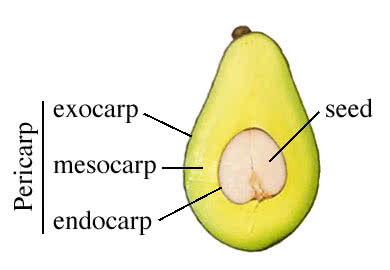
pericarp

/ˈper.ɪ.kɑːrp/

(noun) 果皮

範例:

The fleshy part of an apple is its pericarp.
蘋果的果肉部分是它的果皮

fleshy

/ˈfleʃ.i/

(adjective) 肉質的, 豐滿的

範例:

The fruit has a thick, fleshy rind.
這種水果有厚厚的肉質果皮。

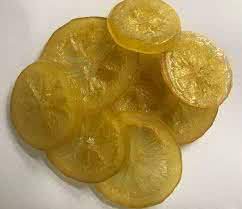
glace

/ɡlæsˈeɪ/

(noun) 蜜餞, 糖漬水果;

(adjective) 有光澤的, 光滑的

範例:
The fruitcake was filled with colorful glacé cherries.
水果蛋糕裡裝滿了五顏六色的蜜餞櫻桃。

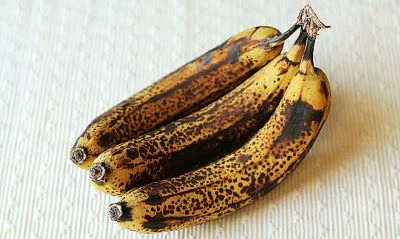
overripe

/ˌoʊ.vɚˈraɪp/

(adjective) 熟透的, 過熟的

範例:

The bananas were overripe and mushy.
香蕉熟透了,軟爛的。

pitted

/ˈpɪt̬.ɪd/

(adjective) 去核的, 無核的, 坑坑窪窪的;

(verb) 去核, 使有凹痕, 腐蝕

範例:
These olives are already pitted.
這些橄欖已經去核了。

ripe

/raɪp/

(adjective) 成熟的, 熟的, 時機成熟的

範例:

The bananas are perfectly ripe for eating.
香蕉已經完全成熟,可以吃了。

seasonal

/ˈsiː.zən.əl/

(adjective) 季節性的, 時令的, 隨季節變化的

範例:

The store offers a variety of seasonal fruits and vegetables.
這家商店提供各種時令水果和蔬菜。

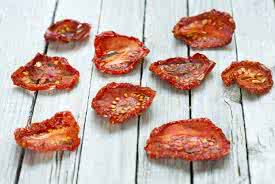
sun-dried

/ˈsʌn.draɪd/

(adjective) 曬乾的, 日光乾燥的

範例:

She added sun-dried tomatoes to the pasta sauce.
她把曬乾的番茄加到義大利麵醬裡。
在 Lingoland 學習此詞彙集