Avatar of Vocabulary Set Fonetica 2

Insieme di vocabolario Fonetica 2 in Lingua: Lista completa e dettagliata

L'insieme di vocabolario 'Fonetica 2' in 'Lingua' è selezionato con cura da fonti di testi standard internazionali, aiutandoti a padroneggiare il vocabolario in breve tempo. Compilazione completa di definizioni, esempi illustrativi e pronuncia standard...

Impara questo insieme di vocabolario su Lingoland

Impara ora
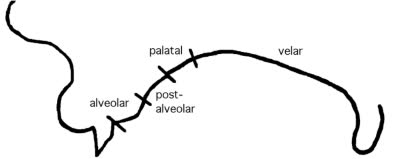
palatal

/ˈpæl.ə.t̬əl/

(adjective) palatale, del palato;

(noun) palatale

Esempio:

The dentist examined the patient's palatal surface.
Il dentista ha esaminato la superficie palatale del paziente.

phone

/foʊn/

(noun) telefono;

(verb) telefonare, chiamare

Esempio:
Can I use your phone to make a quick call?
Posso usare il tuo telefono per fare una chiamata veloce?

phoneme

/ˈfoʊ.niːm/

(noun) fonema

Esempio:

The word 'cat' has three phonemes: /k/, /æ/, and /t/.
La parola 'gatto' ha tre fonemi: /k/, /æ/ e /t/.

phonetics

/foʊˈnet̬.ɪks/

(noun) fonetica

Esempio:

She is studying phonetics to improve her pronunciation.
Sta studiando fonetica per migliorare la sua pronuncia.

pitch

/pɪtʃ/

(noun) tono, altezza, lancio;

(verb) lanciare, gettare, montare

Esempio:
Her voice rose to a high pitch.
La sua voce salì a un tono alto.

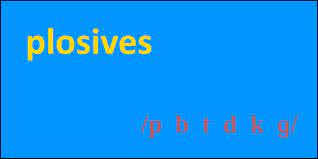
plosive

/ˈploʊ.sɪv/

(noun) occlusiva, consonante occlusiva;

(adjective) occlusivo

Esempio:
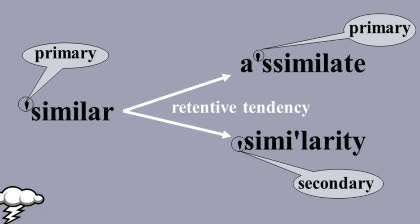
The word 'cat' ends with a plosive sound.
La parola 'gatto' termina con un suono occlusivo.

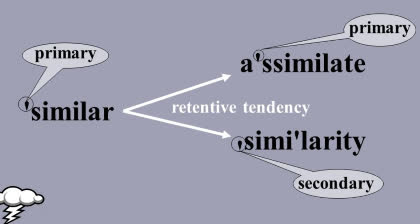
primary stress

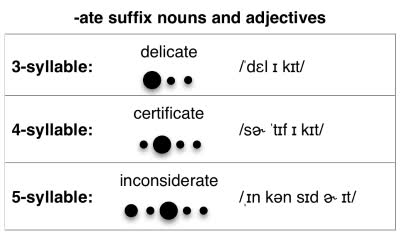
/ˈpraɪ.mer.i ˌstres/

(noun) accento primario, stress principale

Esempio:
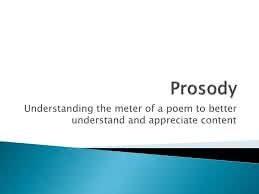
In the word 'beautiful', the primary stress is on the first syllable, 'beau'.
Nella parola 'beautiful', l'accento primario è sulla prima sillaba, 'beau'.

prosody

/ˈprɑː.sə.di/

(noun) prosodia, metrica, intonazione

Esempio:
The poet carefully crafted the prosody of his verses.
Il poeta ha accuratamente elaborato la prosodia dei suoi versi.

rhotic

/ˈroʊtɪk/

(adjective) rotico

Esempio:

North American English is a rhotic accent.
L'inglese nordamericano è un accento rotico.

roll

/roʊl/

(verb) rotolare, rigirarsi, stendere;

(noun) rotolo, panino

Esempio:
The ball rolled down the hill.
La palla è rotolata giù per la collina.

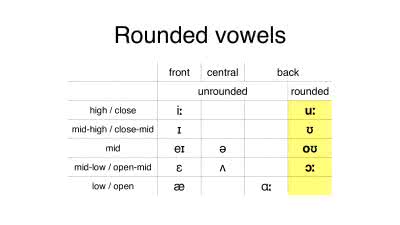
rounded

/ˈraʊn.dɪd/

(adjective) arrotondato, completo, equilibrato

Esempio:
The table has rounded corners, making it safer for children.
Il tavolo ha angoli arrotondati, rendendolo più sicuro per i bambini.

schwa

/ʃwɑː/

(noun) schwa

Esempio:

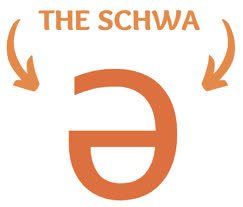
The word 'about' starts with a schwa sound.
La parola 'about' inizia con un suono schwa.

secondary stress

/ˈsek.ən.der.i ˈstres/

(noun) stress secondario

Esempio:

In the word 'elevator', the secondary stress falls on the first syllable 'el'.
Nella parola 'elevator', lo stress secondario cade sulla prima sillaba 'el'.

sibilant

/ˈsɪb.əl.ənt/

(adjective) sibilante;

(noun) sibilante

Esempio:
The snake made a sibilant sound as it slithered through the grass.
Il serpente emise un suono sibilante mentre strisciava nell'erba.

soft

/sɑːft/

(adjective) morbido, dolce, basso;

(adverb) dolcemente, piano

Esempio:
The pillow was wonderfully soft and comfortable.
Il cuscino era meravigliosamente morbido e confortevole.

stress

/stres/

(noun) stress, tensione, accento;

(verb) sottolineare, enfatizzare, stressare

Esempio:

She's been under a lot of stress lately.
È stata sotto molto stress ultimamente.

stressed

/strest/

(adjective) stressato, teso;

(past participle) accentato, sottolineato

Esempio:
She felt very stressed after the exam.
Si sentiva molto stressata dopo l'esame.

stress mark

/ˈstres mɑːrk/

(noun) segno di accento, segno di stress

Esempio:
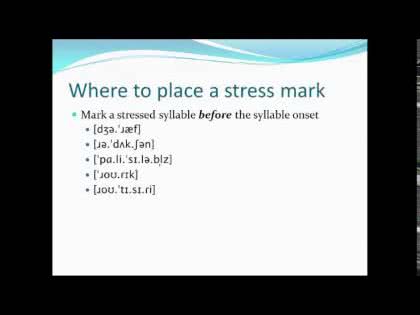
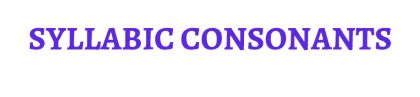
The dictionary uses a stress mark to show where the emphasis falls.
Il dizionario usa un segno di accento per indicare dove cade l'enfasi.

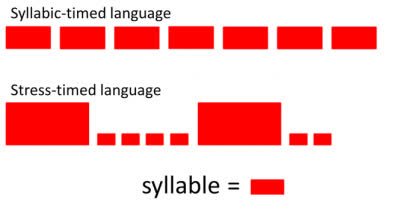
stress-timed

/ˈstres.taɪmd/

(adjective) a ritmo accentuato, accentuato

Esempio:
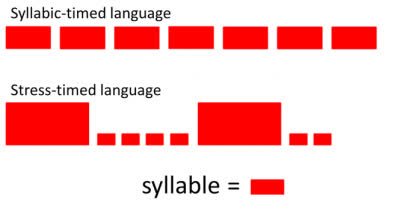
English is a stress-timed language, unlike syllable-timed languages like Spanish.
L'inglese è una lingua a ritmo accentuato, a differenza delle lingue a ritmo sillabico come lo spagnolo.

syllabic

/sɪˈlæb.ɪk/

(adjective) sillabico

Esempio:

The word 'cat' is a single syllabic unit.
La parola 'gatto' è un'unica unità sillabica.

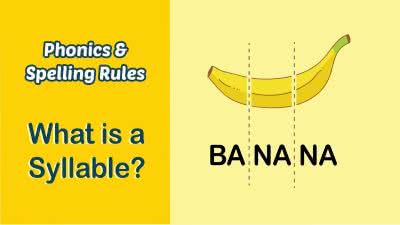
syllable

/ˈsɪl.ə.bəl/

(noun) sillaba

Esempio:

The word 'cat' has one syllable.
La parola 'gatto' ha una sillaba.

syllable-timed

/ˈsɪl.ə.bl̩ˌtaɪmd/

(adjective) a ritmo sillabico, isocronia sillabica

Esempio:

Spanish is a classic example of a syllable-timed language.
Lo spagnolo è un classico esempio di lingua a ritmo sillabico.

thorn

/θɔːrn/

(noun) spina, spina nel fianco, fonte di fastidio

Esempio:
Be careful not to prick your finger on a thorn.
Fai attenzione a non pungerti il dito con una spina.

timbre

/ˈtæm.bɚ/

(noun) timbro

Esempio:

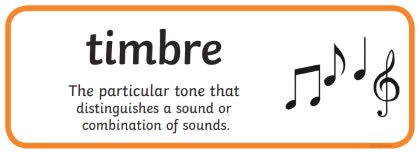
The unique timbre of her voice made her stand out in the choir.
Il timbro unico della sua voce la fece risaltare nel coro.

tone

/toʊn/

(noun) tono, suono, atmosfera;

(verb) dare un tono, attenuare, regolare

Esempio:
The singer's voice had a beautiful, clear tone.
La voce della cantante aveva un bel tono chiaro.

trill

/trɪl/

(noun) trillo;

(verb) trillare

Esempio:
The bird's song ended with a beautiful trill.
Il canto dell'uccello si concluse con un bel trillo.

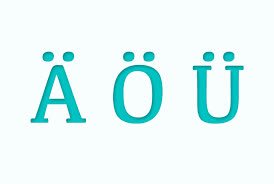
umlaut

/ˈʊm.laʊt/

(noun) dièresi, umlaut

Esempio:

The word 'Schön' in German has an umlaut over the 'o'.
La parola 'Schön' in tedesco ha una dièresi sulla 'o'.

unrounded

/ʌnˈraʊndɪd/

(adjective) non arrotondato

Esempio:

The vowel /i/ in 'feet' is an unrounded vowel.
La vocale /i/ in 'feet' è una vocale non arrotondata.

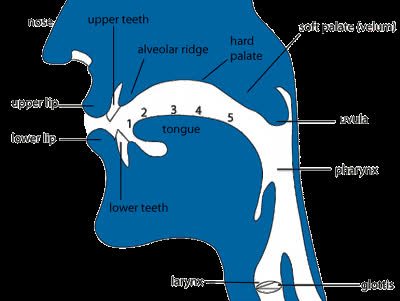
unvoiced

/ʌnˈvɔɪst/

(adjective) inespresso, non detto, sordo

Esempio:
He had many unvoiced concerns about the plan.
Aveva molte preoccupazioni inespresse riguardo al piano.

uvular

/ˈjuːvjələr/

(noun) suono uvulare;

(adjective) uvulare

Esempio:
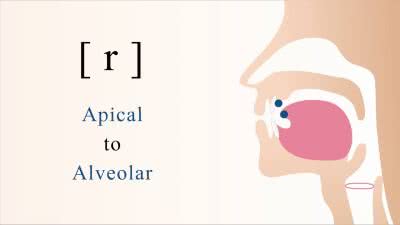
The French 'r' is often a uvular sound.
La 'r' francese è spesso un suono uvulare.

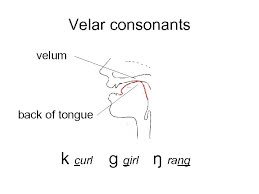
velar

/ˈviː.lɚ/

(adjective) velare;

(noun) velare, consonante velare

Esempio:

The 'k' sound in 'cat' is a velar consonant.
Il suono 'k' in 'gatto' è una consonante velare.

voice

/vɔɪs/

(noun) voce, diritto di parola;

(verb) esprimere, manifestare

Esempio:
Her voice was clear and strong.
La sua voce era chiara e forte.

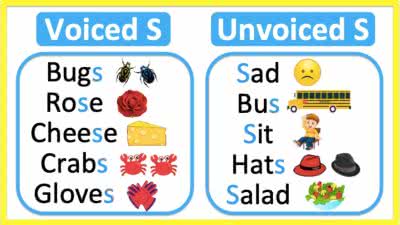
voiced

/vɔɪst/

(adjective) espresso, pronunciato, sonoro;

(verb) esprimere, articolare

Esempio:
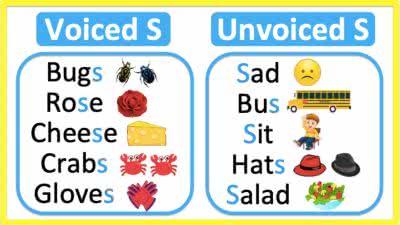
His concerns were clearly voiced during the meeting.
Le sue preoccupazioni sono state chiaramente espresse durante la riunione.

voiceless

/ˈvɔɪs.ləs/

(adjective) sordo, senza voce, muto

Esempio:
The 's' in 'cats' is a voiceless sound.
La 's' in 'cats' è un suono sordo.

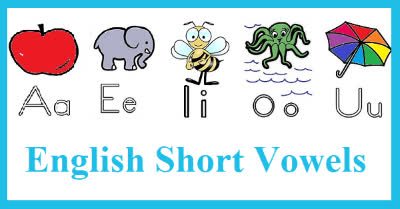
vowel

/vaʊəl/

(noun) vocale

Esempio:

The word 'cat' has one vowel sound.
La parola 'cat' ha un suono di vocale.
Impara questo insieme di vocabolario su Lingoland