词汇集 语音学 2(属于 语言):完整且详细的清单
词汇集「语音学 2」(属于「语言」)从国际标准教材来源精心挑选,帮助您在短时间内掌握词汇。全面汇整定义、例句及标准发音…
在 Lingoland 学习此词汇集
立即学习 /ˈpæl.ə.t̬əl/
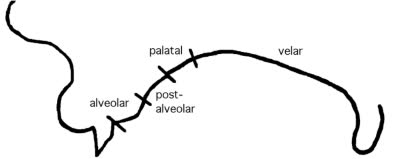
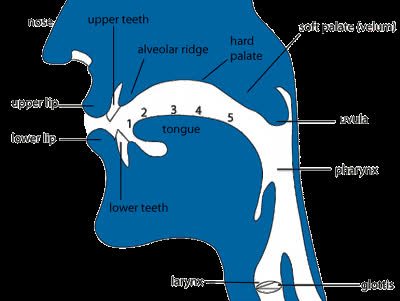
(adjective) 腭的, 腭音的;
(noun) 腭音
示例:
The dentist examined the patient's palatal surface.
牙医检查了患者的腭部表面。
/foʊn/
(noun) 电话, 手机;
(verb) 打电话
示例:
Can I use your phone to make a quick call?
我可以用你的电话打个快速电话吗?
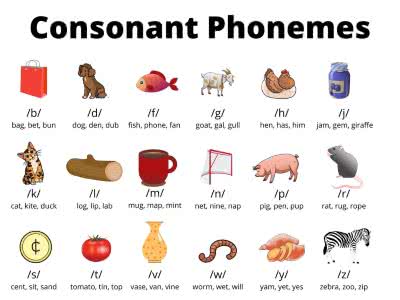
/ˈfoʊ.niːm/
(noun) 音素
示例:
The word 'cat' has three phonemes: /k/, /æ/, and /t/.
单词“cat”有三个音素:/k/、/æ/ 和 /t/。
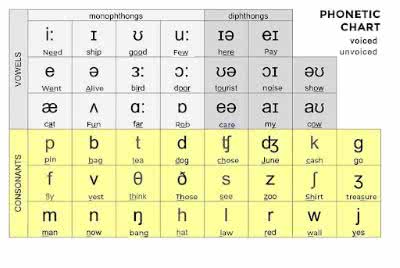
/foʊˈnet̬.ɪks/
(noun) 语音学
示例:
She is studying phonetics to improve her pronunciation.
她正在学习语音学以提高发音。
/ˈploʊ.sɪv/
(noun) 爆破音;
(adjective) 爆破的
示例:
The word 'cat' ends with a plosive sound.
单词“cat”以爆破音结尾。
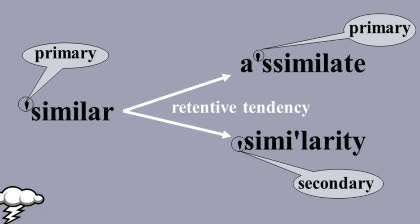
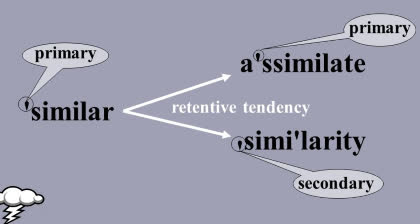
/ˈpraɪ.mer.i ˌstres/
(noun) 主重音, 主要重音
示例:
In the word 'beautiful', the primary stress is on the first syllable, 'beau'.
在单词“beautiful”中,主重音在第一个音节“beau”上。
/ˈprɑː.sə.di/
(noun) 韵律, 格律, 语调
示例:
The poet carefully crafted the prosody of his verses.
诗人精心构思了他诗歌的韵律。
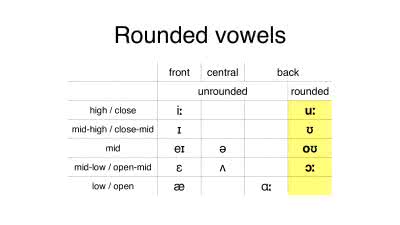
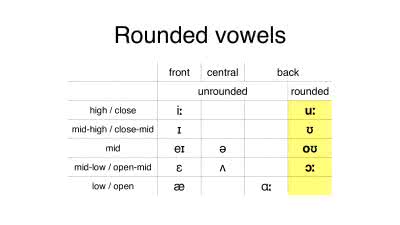
/ˈraʊn.dɪd/
(adjective) 圆的, 圆润的, 全面的
示例:
The table has rounded corners, making it safer for children.
这张桌子有圆角,对孩子来说更安全。
/ˈsek.ən.der.i ˈstres/
(noun) 次重音
示例:
In the word 'elevator', the secondary stress falls on the first syllable 'el'.
在单词“elevator”中,次重音落在第一个音节“el”上。
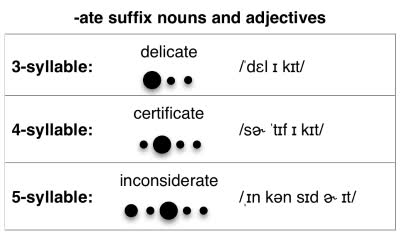
/ˈsɪb.əl.ənt/
(adjective) 咝音;
(noun) 咝音
示例:
The snake made a sibilant sound as it slithered through the grass.
蛇在草丛中滑行时发出嘶嘶的声音。
/sɑːft/
(adjective) 柔软的, 软的, 柔和的;
(adverb) 轻柔地, 温柔地
示例:
The pillow was wonderfully soft and comfortable.
枕头非常柔软舒适。
/stres/
(noun) 压力, 紧张, 重音;
(verb) 强调, 着重, 使紧张
示例:

She's been under a lot of stress lately.
她最近压力很大。
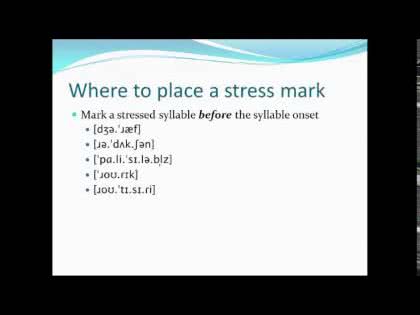
/ˈstres mɑːrk/
(noun) 重音符号, 重音标记
示例:
The dictionary uses a stress mark to show where the emphasis falls.
字典使用重音符号来表示重音落在哪里。
/ˈstres.taɪmd/
(adjective) 重音计时, 重音节奏
示例:
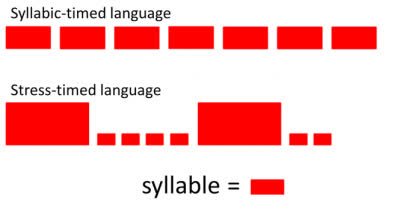
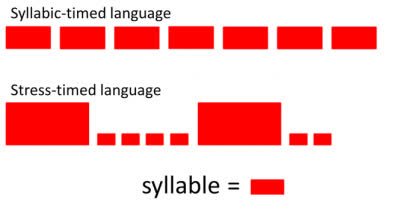
English is a stress-timed language, unlike syllable-timed languages like Spanish.
英语是一种重音计时语言,不像西班牙语等音节计时语言。
/sɪˈlæb.ɪk/
(adjective) 音节的
示例:
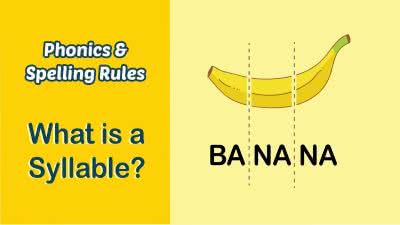
The word 'cat' is a single syllabic unit.
单词“cat”是一个单一的音节单位。
/ˈsɪl.ə.bl̩ˌtaɪmd/
(adjective) 音节等时, 音节定时
示例:
Spanish is a classic example of a syllable-timed language.
西班牙语是音节等时语言的典型例子。
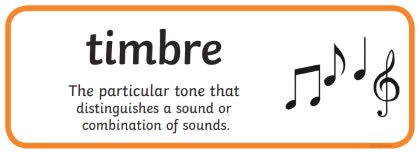
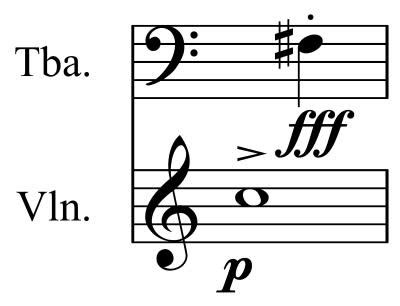
/ˈtæm.bɚ/
(noun) 音色, 音品
示例:
The unique timbre of her voice made her stand out in the choir.
她声音独特的音色使她在合唱团中脱颖而出。
/toʊn/
(noun) 音色, 音调, 基调;
(verb) 定调, 缓和, 调整
示例:
The singer's voice had a beautiful, clear tone.
歌手的声音有美妙、清晰的音色。
/trɪl/
(noun) 颤音, 颤声;
(verb) 颤动, 颤声唱
示例:
The bird's song ended with a beautiful trill.
鸟儿的歌声以一声美妙的颤音结束。
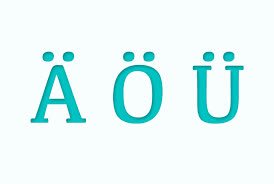
/ˈʊm.laʊt/
(noun) 变音符号
示例:
The word 'Schön' in German has an umlaut over the 'o'.
德语单词“Schön”的“o”上面有一个变音符号。
/ʌnˈraʊndɪd/
(adjective) 不圆唇的
示例:
The vowel /i/ in 'feet' is an unrounded vowel.
'feet'中的元音/i/是一个不圆唇元音。
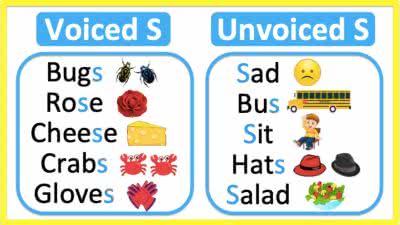
/ʌnˈvɔɪst/
(adjective) 未表达的, 未说出的, 清音的
示例:
He had many unvoiced concerns about the plan.
他对这个计划有许多未表达的担忧。
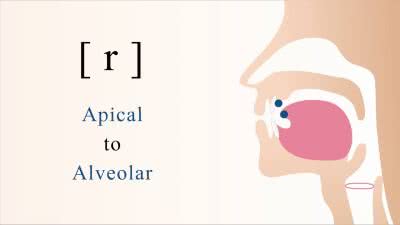
/ˈjuːvjələr/
(noun) 小舌音;
(adjective) 小舌的
示例:
The French 'r' is often a uvular sound.
法语中的“r”通常是小舌音。
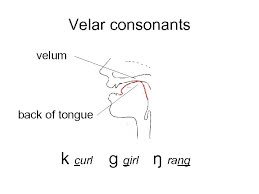
/ˈviː.lɚ/
(adjective) 软腭的, 舌根的;
(noun) 软腭音, 舌根音
示例:

The 'k' sound in 'cat' is a velar consonant.
“cat”中的“k”音是软腭音。
/vɔɪst/
(adjective) 表达的, 发声的, 浊音的;
(verb) 表达, 发声
示例:
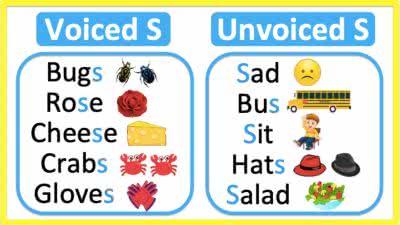
His concerns were clearly voiced during the meeting.
他的担忧在会议中得到了明确的表达。
/ˈvɔɪs.ləs/
(adjective) 清音的, 无声的, 沉默的
示例:
The 's' in 'cats' is a voiceless sound.
“cats”中的“s”是清音。