
Phonetics 2 Vocabulary Set in Language: Full and Detailed List
The 'Phonetics 2' vocabulary set in 'Language' is carefully selected from standard international textbook sources, helping you master vocabulary in a short time. Comprehensive compilation of definitions, illustrative examples, and standard pronunciation...
Learn this vocabulary set on Lingoland
Learn Now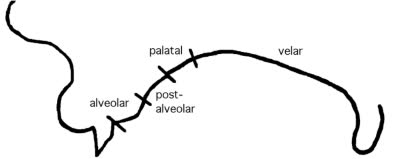
/ˈpæl.ə.t̬əl/
Example:
The dentist examined the patient's palatal surface.

/foʊn/
Example:
Can I use your phone to make a quick call?
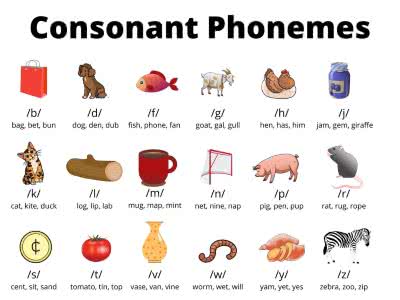
/ˈfoʊ.niːm/
Example:
The word 'cat' has three phonemes: /k/, /æ/, and /t/.
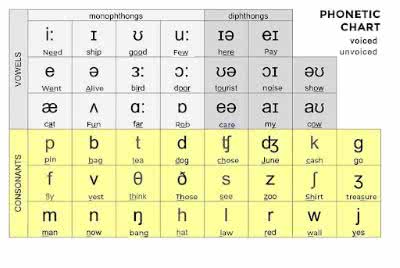
/foʊˈnet̬.ɪks/
Example:
She is studying phonetics to improve her pronunciation.
/pɪtʃ/
Example:
Her voice rose to a high pitch.

/ˈploʊ.sɪv/
Example:
The word 'cat' ends with a plosive sound.
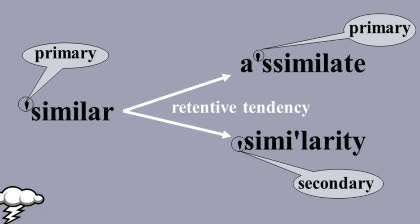
/ˈpraɪ.mer.i ˌstres/
Example:
In the word 'beautiful', the primary stress is on the first syllable, 'beau'.
/ˈprɑː.sə.di/
Example:
The poet carefully crafted the prosody of his verses.

/ˈroʊtɪk/
Example:
North American English is a rhotic accent.

/roʊl/
Example:
The ball rolled down the hill.
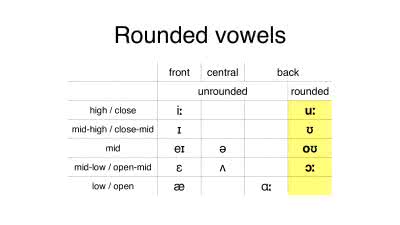
/ˈraʊn.dɪd/
Example:
The table has rounded corners, making it safer for children.

/ʃwɑː/
Example:
The word 'about' starts with a schwa sound.
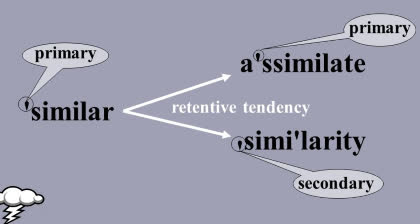
/ˈsek.ən.der.i ˈstres/
Example:
In the word 'elevator', the secondary stress falls on the first syllable 'el'.

/ˈsɪb.əl.ənt/
Example:
The snake made a sibilant sound as it slithered through the grass.

/sɑːft/
Example:
The pillow was wonderfully soft and comfortable.
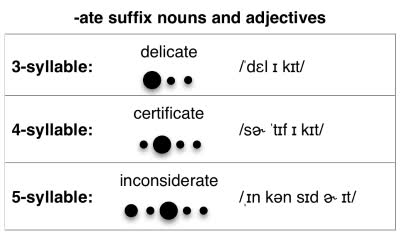
/stres/
Example:
She's been under a lot of stress lately.

/strest/
Example:
She felt very stressed after the exam.
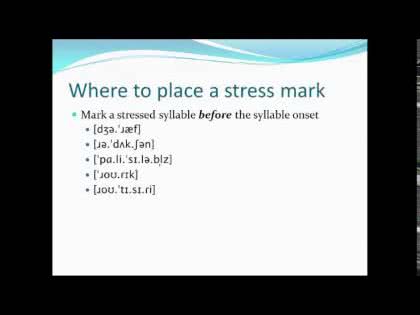
/ˈstres mɑːrk/
Example:
The dictionary uses a stress mark to show where the emphasis falls.
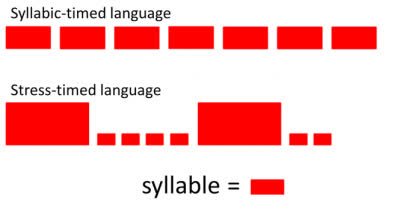
/ˈstres.taɪmd/
Example:
English is a stress-timed language, unlike syllable-timed languages like Spanish.

/sɪˈlæb.ɪk/
Example:
The word 'cat' is a single syllabic unit.
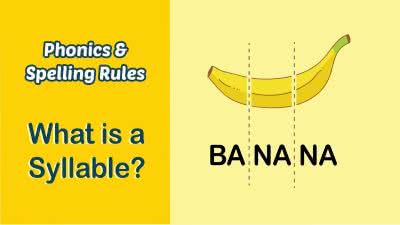
/ˈsɪl.ə.bəl/
Example:
The word 'cat' has one syllable.
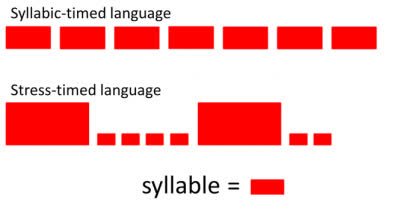
/ˈsɪl.ə.bl̩ˌtaɪmd/
Example:
Spanish is a classic example of a syllable-timed language.

/θɔːrn/
Example:
Be careful not to prick your finger on a thorn.
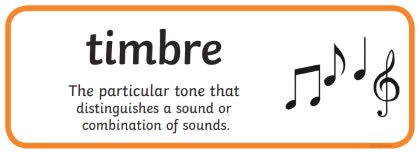
/ˈtæm.bɚ/
Example:
The unique timbre of her voice made her stand out in the choir.
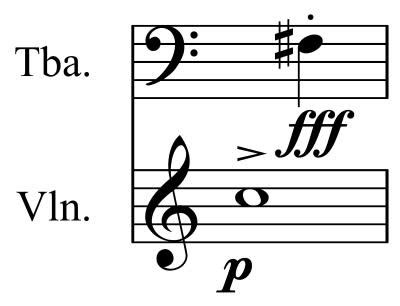
/toʊn/
Example:
The singer's voice had a beautiful, clear tone.
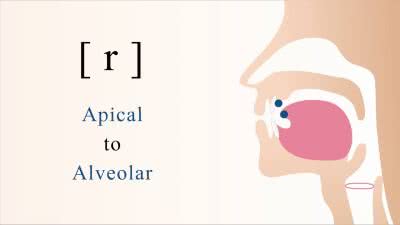
/trɪl/
Example:
The bird's song ended with a beautiful trill.
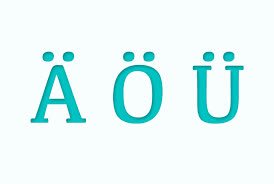
/ˈʊm.laʊt/
Example:
The word 'Schön' in German has an umlaut over the 'o'.
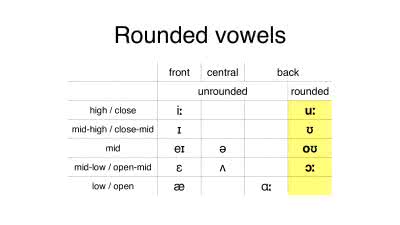
/ʌnˈraʊndɪd/
Example:
The vowel /i/ in 'feet' is an unrounded vowel.
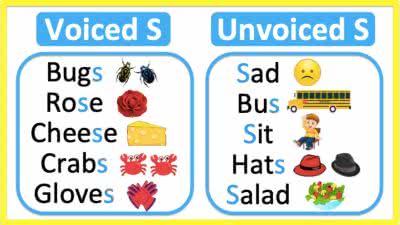
/ʌnˈvɔɪst/
Example:
He had many unvoiced concerns about the plan.
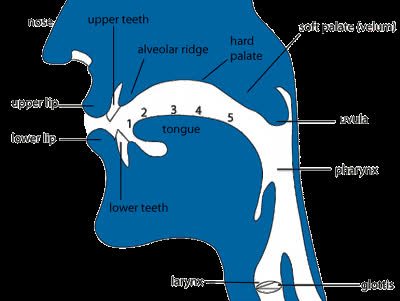
/ˈjuːvjələr/
Example:
The French 'r' is often a uvular sound.
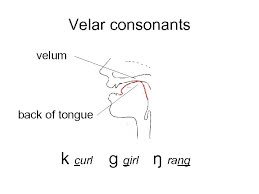
/ˈviː.lɚ/
Example:
The 'k' sound in 'cat' is a velar consonant.

/vɔɪs/
Example:
Her voice was clear and strong.
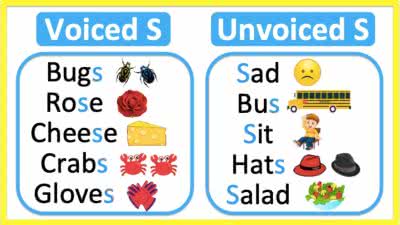
/vɔɪst/
Example:
His concerns were clearly voiced during the meeting.
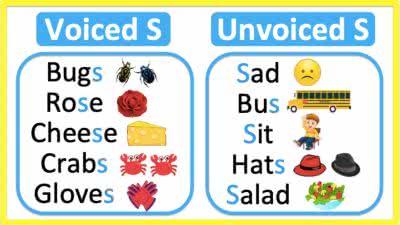
/ˈvɔɪs.ləs/
Example:
The 's' in 'cats' is a voiceless sound.

/vaʊəl/
Example:
The word 'cat' has one vowel sound.