Avatar of Vocabulary Set Formar o Expresar una Opinión 2

Conjunto de vocabulario Formar o Expresar una Opinión 2 en Opinión y Argumento: Lista completa y detallada

El conjunto de vocabulario 'Formar o Expresar una Opinión 2' en 'Opinión y Argumento' está seleccionado cuidadosamente de fuentes de libros de texto estándar internacionales, ayudándote a dominar el vocabulario en poco tiempo. Incluye definiciones completas, ejemplos ilustrativos y pronunciación estándar...

Aprende este conjunto de vocabulario en Lingoland

Aprender ahora

eloquence

/ˈel.ə.kwəns/

(noun) elocuencia

Ejemplo:

Her eloquence captivated the audience.
Su elocuencia cautivó a la audiencia.

eloquent

/ˈel.ə.kwənt/

(adjective) elocuente, persuasivo, expresivo

Ejemplo:

She delivered an eloquent speech that moved everyone.
Ella pronunció un discurso elocuente que conmovió a todos.

eloquently

/ˈel.ə.kwənt.li/

(adverb) elocuentemente, con elocuencia

Ejemplo:

She spoke eloquently about the need for change.
Ella habló elocuentemente sobre la necesidad de cambio.

esteem

/ɪˈstiːm/

(noun) estima, respeto;

(verb) estimar, respetar

Ejemplo:

She was held in high esteem by her colleagues.
Era muy estimada por sus colegas.

express

/ɪkˈspres/

(verb) expresar, manifestar, enviar;

(adjective) expreso, rápido, explícito;

(noun) expreso, tren expreso, autobús expreso;

(adverb) exprés, rápidamente

Ejemplo:

She wanted to express her gratitude.
Ella quería expresar su gratitud.

expression

/ɪkˈspreʃ.ən/

(noun) expresión, manifestación, frase

Ejemplo:

Art is a form of self-expression.
El arte es una forma de autoexpresión.

favorable

/ˈfeɪ.vɚ.ə.bəl/

(adjective) favorable, positivo, ventajoso

Ejemplo:

The critics gave the new movie a favorable review.
Los críticos dieron a la nueva película una crítica favorable.

favorably

/ˈfeɪ.vɚ.ə.bli/

(adverb) favorablemente, positivamente

Ejemplo:

The committee reviewed the proposal favorably.
El comité revisó la propuesta favorablemente.

feedback

/ˈfiːd.bæk/

(noun) retroalimentación, comentarios, realimentación

Ejemplo:

We welcome your feedback on our new service.
Agradecemos sus comentarios sobre nuestro nuevo servicio.

feel

/fiːl/

(verb) sentir, tocar, palpar;

(noun) tacto, sensación, intuición

Ejemplo:
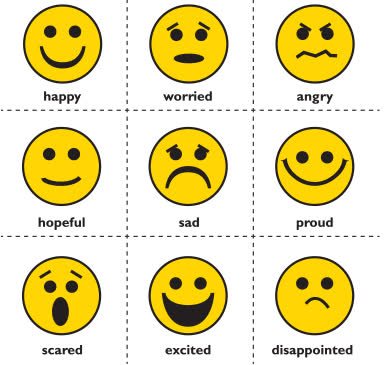
I feel happy today.
Me siento feliz hoy.

feeling

/ˈfiː.lɪŋ/

(noun) sentimiento, emoción, sensibilidad

Ejemplo:

She had a strange feeling that something was wrong.
Tenía una extraña sensación de que algo andaba mal.

find

/faɪnd/

(verb) encontrar, descubrir, considerar;

(noun) hallazgo, descubrimiento

Ejemplo:

I need to find my keys.
Necesito encontrar mis llaves.

flatter

/ˈflæt̬.ɚ/

(verb) adular, halagar, favorecer

Ejemplo:

He tried to flatter his boss to get a promotion.
Intentó adular a su jefe para conseguir un ascenso.

flip-flop

/ˈflɪp.flɑːp/

(noun) chancla, chancleta, cambio de postura;

(verb) cambiar de opinión, dar un volantazo

Ejemplo:

She wore flip-flops to the beach.
Ella usó chanclas para ir a la playa.

forceful

/ˈfɔːrs.fəl/

(adjective) enérgico, contundente, vigoroso

Ejemplo:

She made a forceful argument for her proposal.
Ella presentó un argumento contundente para su propuesta.

forcefulness

/ˈfɔːrs.fəl.nəs/

(noun) contundencia, fuerza, vehemencia

Ejemplo:

The forcefulness of his argument convinced everyone.
La contundencia de su argumento convenció a todos.

for my money

/fɔːr maɪ ˈmʌn.i/

(idiom) para mí, en mi opinión

Ejemplo:

For my money, the best team won the championship.
Para mí, el mejor equipo ganó el campeonato.

forum

/ˈfɔːr.əm/

(noun) foro, plataforma, plaza pública

Ejemplo:

The conference provided a forum for discussing global issues.
La conferencia proporcionó un foro para discutir temas globales.

freethinking

/ˌfriːˈθɪŋ.kɪŋ/

(noun) libre pensamiento;

(adjective) de libre pensamiento

Ejemplo:

The Enlightenment era fostered a spirit of freethinking and scientific inquiry.
La era de la Ilustración fomentó un espíritu de libre pensamiento e investigación científica.

gag

/ɡæɡ/

(noun) mordaza, chiste, broma;

(verb) amordazar, vomitar, tener arcadas

Ejemplo:
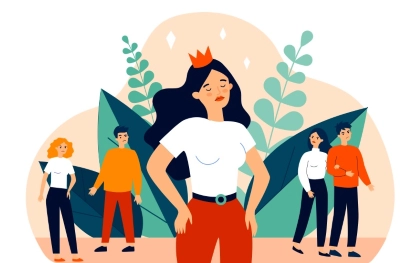
The kidnappers put a gag on the victim.
Los secuestradores le pusieron una mordaza a la víctima.

get above yourself

/ɡet əˈbʌv jʊərˈself/

(idiom) creerse superior, subírsele los humos

Ejemplo:

After his promotion, he started to get above himself, treating his old colleagues poorly.
Después de su ascenso, empezó a creerse superior, tratando mal a sus antiguos colegas.

get on your soapbox

/ɡet ɑn jʊər ˈsoʊp.bɑks/

(idiom) subirse al púlpito, dar un sermón

Ejemplo:

He tends to get on his soapbox about politics whenever he's had a few drinks.
Él tiende a subirse al púlpito para hablar de política cada vez que ha tomado unas copas.

give voice to

/ɡɪv vɔɪs tuː/

(idiom) dar voz a, expresar

Ejemplo:

The protest aimed to give voice to the marginalized communities.
La protesta tenía como objetivo dar voz a las comunidades marginadas.

go by

/ɡoʊ baɪ/

(phrasal verb) pasar, transcurrir, ser conocido como

Ejemplo:
Time seems to go by so quickly when you're having fun.
El tiempo parece pasar tan rápido cuando te diviertes.

good name

/ɡʊd neɪm/

(noun) buen nombre, buena reputación

Ejemplo:

The company has built a good name over decades of quality service.
La empresa ha construido un buen nombre a lo largo de décadas de servicio de calidad.

go on

/ɡoʊ ɑːn/

(phrasal verb) continuar, seguir, pasar

Ejemplo:

Please go on with your story.
Por favor, continúa con tu historia.

have a down on

/hæv ə daʊn ɑn/

(idiom) tenerle manía a, no gustarle

Ejemplo:
My boss seems to have a down on me ever since I questioned his decision.
Mi jefe parece tenerle manía desde que cuestioné su decisión.

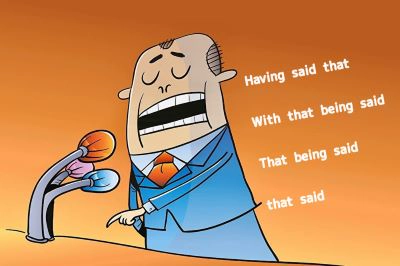
having said that

/ˈhævɪŋ sed ðæt/

(phrase) dicho esto, sin embargo

Ejemplo:

It's a difficult job, having said that, I'm still willing to try.
Es un trabajo difícil, dicho esto, todavía estoy dispuesto a intentarlo.

hogwash

/ˈhɑːɡ.wɑːʃ/

(noun) tonterías, sandeces

Ejemplo:

That's a load of hogwash, I don't believe a word of it.
Eso es un montón de tonterías, no me creo ni una palabra.

hokum

/ˈhoʊ.kəm/

(noun) tonterías, sandeces

Ejemplo:

His speech was full of political hokum.
Su discurso estaba lleno de tonterías políticas.

hold

/hoʊld/

(verb) sostener, agarrar, detener;

(noun) agarre, sujeción, espera

Ejemplo:

Can you hold this for a moment?
¿Puedes sostener esto por un momento?

hold against

/hoʊld əˈɡenst/

(phrasal verb) tener en cuenta, guardar rencor

Ejemplo:

I made a mistake, but please don't hold it against me.
Cometí un error, pero por favor no me lo tengas en cuenta.

how's that?

/haʊz ðæt/

(phrase) ¿cómo es eso?, ¿qué dijiste?, ¿qué te parece?

Ejemplo:

I said we need to leave now. How's that?
Dije que tenemos que irnos ahora. ¿Cómo es eso?

hue

/hjuː/

(noun) tono, matiz

Ejemplo:

The painting featured a vibrant hue of blue.
La pintura presentaba un vibrante tono de azul.

have second thoughts

/hæv ˌsek.ənd ˈθɑːts/

(idiom) tener dudas, cambiar de opinión

Ejemplo:

I was going to buy that car, but I'm starting to have second thoughts.
Iba a comprar ese coche, pero estoy empezando a tener dudas.

hunker down

/ˈhʌŋkər daʊn/

(phrasal verb) refugiarse, agacharse, prepararse

Ejemplo:

We decided to hunker down in the basement during the tornado.
Decidimos refugiarnos en el sótano durante el tornado.

at length

/ət ˈleŋθ/

(phrase) finalmente, por fin, extensamente

Ejemplo:

After hours of discussion, they at length reached a decision.
Después de horas de discusión, finalmente llegaron a una decisión.
Aprende este conjunto de vocabulario en Lingoland