Avatar of Vocabulary Set 智力能力与智力障碍

词汇集 智力能力与智力障碍(属于 SAT科学词汇):完整且详细的清单

词汇集「智力能力与智力障碍」(属于「SAT科学词汇」)从国际标准教材来源精心挑选,帮助您在短时间内掌握词汇。全面汇整定义、例句及标准发音…

在 Lingoland 学习此词汇集

立即学习

ambition

/æmˈbɪʃ.ən/

(noun) 抱负, 雄心, 野心

示例:

Her ambition is to become a successful doctor.
她的抱负是成为一名成功的医生。

whim

/wɪm/

(noun) 一时兴起, 心血来潮, 怪念头

示例:

She bought the expensive dress on a whim.
她一时心血来潮买了那件昂贵的连衣裙。

competence

/ˈkɑːm.pə.t̬əns/

(noun) 能力, 胜任

示例:

Her competence in project management is highly regarded.
她在项目管理方面的能力备受推崇。

acuteness

/əˈkjuːt.nəs/

(noun) 剧烈, 严重性, 敏锐

示例:

The acuteness of the pain made it difficult for him to move.
疼痛的剧烈程度让他难以动弹。

initiative

/ɪˈnɪʃ.ə.t̬ɪv/

(noun) 主动性, 首创精神, 举措

示例:

She showed great initiative in organizing the event.
她在组织活动方面表现出极大的主动性

precaution

/prɪˈkɑː.ʃən/

(noun) 预防措施, 防范

示例:

As a precaution, we evacuated the building.
作为一项预防措施,我们疏散了建筑物。

psyche

/ˈsaɪ.ki/

(noun) 心灵, 灵魂, 精神

示例:

The trauma had a profound effect on her psyche.
创伤对她的心灵产生了深远的影响。

recall

/ˈriː.kɑːl/

(verb) 回忆, 想起, 召回;

(noun) 回忆, 记忆, 召回

示例:

I can't recall his name right now.
我现在想不起来他的名字。

recollect

/ˌrek.əˈlekt/

(verb) 回忆, 想起

示例:

I can't quite recollect where I put my keys.
我不太记得我把钥匙放哪了。

improvise

/ˈɪm.prə.vaɪz/

(verb) 即兴创作, 即兴表演, 就地取材

示例:

The jazz musician began to improvise on the melody.
爵士乐手开始即兴演奏旋律。

beware

/bɪˈwer/

(verb) 提防, 小心

示例:

Beware of the dog!
小心狗!

distract

/dɪˈstrækt/

(verb) 分散注意力, 打扰, 转移

示例:

Don't distract me while I'm working.
我工作的时候不要打扰我。

familiarize

/fəˈmɪl·jəˌrɑɪz/

(verb) 使熟悉, 使了解

示例:

Please familiarize yourself with the new safety procedures.
熟悉新的安全程序。

foretell

/fɔːrˈtel/

(verb) 预言, 预示

示例:

The oracle was said to foretell the future.
据说神谕可以预言未来。

foresee

/fɚˈsiː/

(verb) 预见, 预料

示例:

It's difficult to foresee the consequences of this decision.
很难预见这个决定的后果。

heed

/hiːd/

(verb) 注意, 听从;

(noun) 注意, 留心

示例:

He failed to heed the warnings.
他没有理会警告。

impressionable

/ɪmˈpreʃ.ən.ə.bəl/

(adjective) 易受影响的, 无主见的

示例:

He was at an impressionable age when he met his mentor.
当他遇到他的导师时,他正处于一个易受影响的年龄。

impervious

/ɪmˈpɝː.vi.əs/

(adjective) 不透过的, 防渗透的, 不受影响的

示例:

The coat is impervious to rain.
这件外套是雨的。

cognizant

/ˈkɑːɡ.nɪ.zənt/

(adjective) 意识到的, 知晓的

示例:

We should be cognizant of the fact that every decision has consequences.
我们应该意识到每个决定都有后果这一事实。

astute

/əˈstuːt/

(adjective) 精明, 敏锐, shrewd

示例:

She was an astute businesswoman who always knew how to close a deal.
她是一位精明的女商人,总是知道如何达成交易。

savvy

/ˈsæv.i/

(noun) 头脑, 悟性, 见识;

(adjective) 精明的, 有见识的, 懂行的;

(verb) 理解, 明白

示例:

She has a lot of business savvy.
她很有商业头脑

sagacious

/səˈɡeɪ.ʃəs/

(adjective) 睿智的, 聪敏的, 精明的

示例:

The sagacious leader made decisions that benefited the entire nation.
这位睿智的领导人做出了造福整个国家的决定。

shrewd

/ʃruːd/

(adjective) 精明, 敏锐, shrewd

示例:

She was a shrewd businesswoman who always made profitable deals.
她是一位精明的女商人,总是能达成有利可图的交易。

sentient

/ˈsen.ʃənt/

(adjective) 有感知能力的, 有意识的

示例:

It is hard for us to imagine that animals are not sentient beings.
我们很难想象动物不是有感知能力的生物。

conscious

/ˈkɑːn.ʃəs/

(adjective) 有意识的, 清醒的, 意识到

示例:

The patient was fully conscious after the surgery.
手术后病人完全清醒了。

perceptive

/pɚˈsep.tɪv/

(adjective) 有洞察力的, 敏锐的, 有感知的

示例:

She is a very perceptive observer of human nature.
她对人性有非常敏锐的洞察力

imaginative

/ɪˈmædʒ.ə.nə.t̬ɪv/

(adjective) 富有想象力的, 有创造力的

示例:

She is an imaginative writer who creates vivid worlds.
她是一位富有想象力的作家,创造了生动的世界。

acumen

/əˈkjuː.mən/

(noun) 敏锐, 眼光

示例:

Her business acumen helped the company grow rapidly.
她的商业眼光帮助公司快速成长。

attentiveness

/əˈten.t̬ɪv.nəs/

(noun) 专注, 留心, 周到

示例:

The teacher was impressed by the students' attentiveness during the lecture.
老师对学生们在讲座中的专注印象深刻。

vigilance

/ˈvɪdʒ.əl.əns/

(noun) 警惕, 警觉

示例:

The police urged the public to maintain vigilance after the recent string of robberies.
在最近发生一系列抢劫案后,警方敦促公众保持警惕

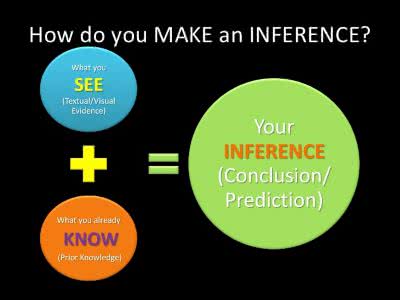
inference

/ˈɪn.fɚ.əns/

(noun) 推论, 推理, 结论

示例:

From the data, we can draw an inference that sales are declining.
从数据中,我们可以得出销售额正在下降的推论

cognition

/kɑːɡ-/

(noun) 认知, 认识

示例:

The study of cognition is central to psychology.
认知研究是心理学的核心。

deduction

/dɪˈdʌk.ʃən/

(noun) 扣除, 减法, 推理

示例:

The company made a deduction for taxes from his salary.
公司从他的工资中扣除了税款。

facility

/fəˈsɪl.ə.t̬i/

(noun) 设施, 设备, 场所

示例:

The hotel has excellent leisure facilities, including a swimming pool and gym.
这家酒店拥有出色的休闲设施,包括游泳池和健身房。

instinct

/ˈɪn.stɪŋkt/

(noun) 本能, 直觉, 本能反应

示例:

Birds build nests by instinct.
鸟类凭本能筑巢。

intuition

/ˌɪn.tuːˈɪʃ.ən/

(noun) 直觉

示例:

I had an intuition that something was wrong.
我有一种直觉,觉得有些不对劲。

genius

/ˈdʒiː.ni.əs/

(noun) 天赋, 才华, 天才

示例:

She has a genius for languages.
她有语言天赋

subconscious

/ˌsʌbˈkɑːn.ʃəs/

(adjective) 下意识的, 潜意识的;

(noun) 潜意识, 下意识

示例:

He has a subconscious fear of failure.
他有一种下意识的对失败的恐惧。

aspiration

/ˌæs.pəˈreɪ.ʃən/

(noun) 抱负, 志向, 渴望

示例:

Her greatest aspiration is to become a doctor.
她最大的抱负是成为一名医生。

imprudence

/ɪmˈpruː.dəns/

(noun) 轻率, 不谨慎, 鲁莽

示例:

The company's financial imprudence led to its eventual bankruptcy.
公司的财务轻率导致了其最终的破产。

folly

/ˈfɑː.li/

(noun) 愚蠢, 荒唐, 装饰性建筑

示例:

It would be folly to ignore his advice.
忽视他的建议将是愚蠢的

trance

/træns/

(noun) 恍惚, 出神, 狂喜;

(verb) 使恍惚, 催眠, 使着迷

示例:

She was in a deep trance, unresponsive to my calls.
她处于深度恍惚状态,对我的呼唤毫无反应。

ignorance

/ˈɪɡ.nɚ.əns/

(noun) 无知, 愚昧

示例:

His ignorance of the law was no excuse.
他对法律的无知不能成为借口。

delusion

/dɪˈluː.ʒən/

(noun) 妄想, 错觉, 欺骗

示例:

He suffers from the delusion that he is a famous rock star.
他患有自己是著名摇滚明星的妄想

delirium

/dɪˈlɪr.i.əm/

(noun) 谵妄, 精神错乱, 狂喜

示例:

The patient was suffering from delirium after the surgery.
病人手术后出现谵妄

insanity

/ɪnˈsæn.ə.t̬i/

(noun) 精神错乱, 疯狂

示例:

He was found not guilty by reason of insanity.
他因精神错乱被判无罪。

incapacity

/ˌɪn.kəˈpæs.ə.t̬i/

(noun) 无能力, 丧失能力

示例:

His incapacity to understand basic instructions was a problem.
无法理解基本指令是个问题。

hallucination

/həˌluː.səˈneɪ.ʃən/

(noun) 幻觉, 幻象

示例:

He suffered from vivid hallucinations during his illness.
他在生病期间遭受了生动的幻觉

fallacy

/ˈfæl.ə.si/

(noun) 谬见, 谬论, 错误的信念

示例:

It is a common fallacy that only rich people can afford to travel.
认为只有富人才能负担得起旅行是一种常见的谬见

misconception

/ˌmɪs.kənˈsep.ʃən/

(noun) 误解, 错误观念

示例:

It's a common misconception that all snakes are poisonous.
认为所有蛇都有毒是一种常见的误解

neglect

/nɪˈɡlekt/

(noun) 忽视, 疏忽;

(verb) 忽视, 疏忽

示例:

The old house fell into neglect.
老房子年久失修,无人照管

disregard

/ˌdɪs.rɪˈɡɑːrd/

(verb) 无视, 不理会;

(noun) 无视, 不顾

示例:

You should disregard his rude comments.
你应该无视他粗鲁的评论。

misinterpret

/ˌmɪs.ɪnˈtɝː.prət/

(verb) 误解, 曲解

示例:

It's easy to misinterpret her silence as disapproval.
很容易误解她的沉默是不同意。

overlook

/ˌoʊ.vɚˈlʊk/

(verb) 忽略, 忽视, 俯瞰;

(noun) 观景台, 瞭望台

示例:

I think you may have overlooked a key detail in the report.
我认为你可能忽略了报告中的一个关键细节。

oblivious

/əˈblɪv.i.əs/

(adjective) 未察觉的, 健忘的, 不注意的

示例:

He was completely oblivious to the danger.
他对危险完全一无所知

deranged

/dɪˈreɪndʒd/

(adjective) 精神错乱的, 发狂的

示例:

The suspect appeared to be deranged and was speaking incoherently.
嫌疑人看起来精神错乱,语无伦次。

insensible

/ɪnˈsen.sə.bəl/

(adjective) 失去知觉的, 无意识的, 察觉不到的

示例:

He was knocked insensible by the blow to the head.
他被击中头部,失去了知觉

naive

/naɪˈiːv/

(adjective) 天真的, 幼稚的

示例:

It was naive of her to believe everything he said.
她相信他所说的一切是天真的。
在 Lingoland 学习此词汇集