Avatar of Vocabulary Set 지적 능력과 지적 장애

SAT 과학 어휘 내 지적 능력과 지적 장애 어휘 세트: 완전하고 상세한 목록

'SAT 과학 어휘' 내 '지적 능력과 지적 장애' 어휘 세트는 국제 표준 교재 출처에서 엄선되어 짧은 시간 안에 어휘를 마스터할 수 있도록 도와줍니다. 정의, 예문, 표준 발음을 완벽하게 수록...

Lingoland에서 이 어휘 세트 학습하기

지금 학습하기

ambition

/æmˈbɪʃ.ən/

(noun) 야망, 포부, 권력욕

예시:

Her ambition is to become a successful doctor.
그녀의 야망은 성공적인 의사가 되는 것이다.

whim

/wɪm/

(noun) 변덕, 일시적인 기분, 충동

예시:

She bought the expensive dress on a whim.
그녀는 충동적으로 비싼 드레스를 샀다.

competence

/ˈkɑːm.pə.t̬əns/

(noun) 능력, 역량

예시:

Her competence in project management is highly regarded.
그녀의 프로젝트 관리 능력은 높이 평가된다.

acuteness

/əˈkjuːt.nəs/

(noun) 심각함, 격렬함, 명민함

예시:

The acuteness of the pain made it difficult for him to move.
통증의 심각함 때문에 그는 움직이기 힘들었다.

initiative

/ɪˈnɪʃ.ə.t̬ɪv/

(noun) 주도권, 솔선수범, 계획

예시:

She showed great initiative in organizing the event.
그녀는 행사를 조직하는 데 큰 주도권을 보였다.

precaution

/prɪˈkɑː.ʃən/

(noun) 예방책, 조심

예시:

As a precaution, we evacuated the building.
예방책으로 우리는 건물을 대피시켰다.

psyche

/ˈsaɪ.ki/

(noun) 정신, 마음, 영혼

예시:

The trauma had a profound effect on her psyche.
그 트라우마는 그녀의 정신에 깊은 영향을 미쳤다.

recall

/ˈriː.kɑːl/

(verb) 기억하다, 회상하다, 리콜하다;

(noun) 기억, 회상, 리콜

예시:

I can't recall his name right now.
지금 그의 이름을 기억할 수 없어.

recollect

/ˌrek.əˈlekt/

(verb) 기억하다, 회상하다

예시:

I can't quite recollect where I put my keys.
열쇠를 어디에 두었는지 정확히 기억나지 않아.

improvise

/ˈɪm.prə.vaɪz/

(verb) 즉흥적으로 하다, 즉흥 연주하다, 즉흥적으로 만들다

예시:
The jazz musician began to improvise on the melody.
재즈 음악가는 멜로디를 즉흥적으로 연주하기 시작했다.

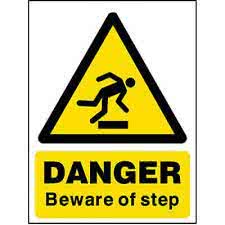
beware

/bɪˈwer/

(verb) 조심하다, 경계하다

예시:

Beware of the dog!
조심!

distract

/dɪˈstrækt/

(verb) 방해하다, 산만하게 하다, 돌리다

예시:

Don't distract me while I'm working.
일하는 동안 나를 방해하지 마.

familiarize

/fəˈmɪl·jəˌrɑɪz/

(verb) 익숙하게 하다, 친숙하게 하다

예시:

Please familiarize yourself with the new safety procedures.
새로운 안전 절차에 익숙해지세요.

foretell

/fɔːrˈtel/

(verb) 예언하다, 예견하다

예시:

The oracle was said to foretell the future.
그 신탁은 미래를 예언한다고 전해졌다.

foresee

/fɚˈsiː/

(verb) 예측하다, 예견하다

예시:

It's difficult to foresee the consequences of this decision.
이 결정의 결과를 예측하기 어렵다.

heed

/hiːd/

(verb) 주의를 기울이다, 따르다;

(noun) 주의, 경고

예시:
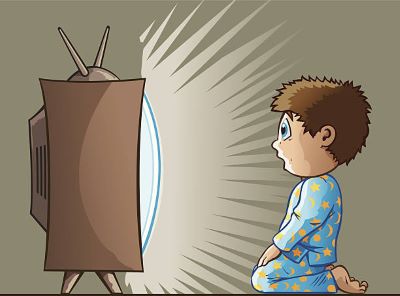
He failed to heed the warnings.
그는 경고에 주의를 기울이지 못했다.

impressionable

/ɪmˈpreʃ.ən.ə.bəl/

(adjective) 영향을 받기 쉬운, 감수성이 예민한

예시:

He was at an impressionable age when he met his mentor.
그는 멘토를 만났을 때 감수성이 예민한 나이였다.

impervious

/ɪmˈpɝː.vi.əs/

(adjective) 불침투성의, 통과시키지 않는, 영향을 받지 않는

예시:
The coat is impervious to rain.
그 코트는 비가 스며들지 않는다.

cognizant

/ˈkɑːɡ.nɪ.zənt/

(adjective) 인지하는, 알고 있는

예시:

We should be cognizant of the fact that every decision has consequences.
모든 결정에는 결과가 따른다는 사실을 인지해야 합니다.

astute

/əˈstuːt/

(adjective) 기민한, 예리한, 영리한

예시:

She was an astute businesswoman who always knew how to close a deal.
그녀는 항상 거래를 성사시키는 방법을 아는 기민한 사업가였다.

savvy

/ˈsæv.i/

(noun) 수완, 지식, 이해력;

(adjective) 수완이 좋은, 능숙한, 정통한;

(verb) 이해하다, 알아듣다

예시:

She has a lot of business savvy.
그녀는 사업적 수완이 뛰어나다.

sagacious

/səˈɡeɪ.ʃəs/

(adjective) 현명한, 영리한, 슬기로운

예시:

The sagacious leader made decisions that benefited the entire nation.
현명한 지도자는 국가 전체에 이익이 되는 결정을 내렸다.

shrewd

/ʃruːd/

(adjective) 수완 좋은, 현명한, 영리한

예시:

She was a shrewd businesswoman who always made profitable deals.
그녀는 항상 수익성 있는 거래를 성사시키는 수완 좋은 사업가였다.

sentient

/ˈsen.ʃənt/

(adjective) 지각이 있는, 느낄 수 있는

예시:

It is hard for us to imagine that animals are not sentient beings.
동물이 지각이 있는 존재가 아니라고 상상하기는 어렵다.

conscious

/ˈkɑːn.ʃəs/

(adjective) 의식하는, 알고 있는, 의식적인

예시:

The patient was fully conscious after the surgery.
환자는 수술 후 완전히 의식이 있었다.

perceptive

/pɚˈsep.tɪv/

(adjective) 통찰력 있는, 지각력 있는, 예리한

예시:

She is a very perceptive observer of human nature.
그녀는 인간 본성에 대한 매우 통찰력 있는 관찰자이다.

imaginative

/ɪˈmædʒ.ə.nə.t̬ɪv/

(adjective) 상상력이 풍부한, 창의적인, 독창적인

예시:

She is an imaginative writer who creates vivid worlds.
그녀는 생생한 세계를 창조하는 상상력이 풍부한 작가이다.

acumen

/əˈkjuː.mən/

(noun) 통찰력, 안목

예시:

Her business acumen helped the company grow rapidly.
그녀의 비즈니스적 통찰력은 회사가 빠르게 성장하는 데 도움이 되었다.

attentiveness

/əˈten.t̬ɪv.nəs/

(noun) 주의 깊음, 집중, 배려

예시:

The teacher was impressed by the students' attentiveness during the lecture.
선생님은 강의 중 학생들의 주의 깊음에 깊은 인상을 받았다.

vigilance

/ˈvɪdʒ.əl.əns/

(noun) 경계, 조심

예시:

The police urged the public to maintain vigilance after the recent string of robberies.
경찰은 최근 연쇄 강도 사건 이후 대중에게 경계를 늦추지 말 것을 촉구했다.

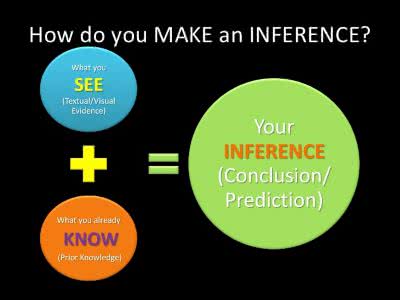
inference

/ˈɪn.fɚ.əns/

(noun) 추론, 결론, 추정

예시:

From the data, we can draw an inference that sales are declining.
데이터로부터 매출이 감소하고 있다는 추론을 도출할 수 있습니다.

cognition

/kɑːɡ-/

(noun) 인지, 인식

예시:

The study of cognition is central to psychology.
인지 연구는 심리학의 핵심이다.

deduction

/dɪˈdʌk.ʃən/

(noun) 공제, 삭감, 추론

예시:

The company made a deduction for taxes from his salary.
회사는 그의 급여에서 세금 공제를 했다.

facility

/fəˈsɪl.ə.t̬i/

(noun) 시설, 설비, 재능

예시:

The hotel has excellent leisure facilities, including a swimming pool and gym.
그 호텔은 수영장과 체육관을 포함한 훌륭한 레저 시설을 갖추고 있습니다.

instinct

/ˈɪn.stɪŋkt/

(noun) 본능, 직감, 육감

예시:

Birds build nests by instinct.
새들은 본능적으로 둥지를 짓는다.

intuition

/ˌɪn.tuːˈɪʃ.ən/

(noun) 직감, 직관

예시:

I had an intuition that something was wrong.
무언가 잘못되었다는 직감이 들었다.

genius

/ˈdʒiː.ni.əs/

(noun) 천재성, 재능, 천재

예시:

She has a genius for languages.
그녀는 언어에 천재적인 재능이 있다.

subconscious

/ˌsʌbˈkɑːn.ʃəs/

(adjective) 잠재의식적인;

(noun) 잠재의식

예시:

He has a subconscious fear of failure.
그는 실패에 대한 잠재의식적인 공포를 가지고 있다.

aspiration

/ˌæs.pəˈreɪ.ʃən/

(noun) 열망, 포부, 염원

예시:

Her greatest aspiration is to become a doctor.
그녀의 가장 큰 열망은 의사가 되는 것이다.

imprudence

/ɪmˈpruː.dəns/

(noun) 경솔함, 무분별

예시:

The company's financial imprudence led to its eventual bankruptcy.
회사의 재정적 경솔함이 결국 파산으로 이어졌다.

folly

/ˈfɑː.li/

(noun) 어리석음, 바보짓, 장식 건축물

예시:

It would be folly to ignore his advice.
그의 조언을 무시하는 것은 어리석은 짓일 것이다.

trance

/træns/

(noun) 최면 상태, 황홀경, 도취;

(verb) 최면을 걸다, 황홀하게 하다, 넋을 빼놓다

예시:

She was in a deep trance, unresponsive to my calls.
그녀는 깊은 최면 상태에 빠져 내 부름에 반응하지 않았다.

ignorance

/ˈɪɡ.nɚ.əns/

(noun) 무지, 무식

예시:

His ignorance of the law was no excuse.
그의 법에 대한 무지는 변명이 되지 않았다.

delusion

/dɪˈluː.ʒən/

(noun) 망상, 착각, 기만

예시:

He suffers from the delusion that he is a famous rock star.
그는 자신이 유명한 록스타라는 망상에 시달리고 있다.

delirium

/dɪˈlɪr.i.əm/

(noun) 섬망, 정신 착란, 열광

예시:

The patient was suffering from delirium after the surgery.
환자는 수술 후 섬망을 앓고 있었다.

insanity

/ɪnˈsæn.ə.t̬i/

(noun) 정신 이상, 광기

예시:

He was found not guilty by reason of insanity.
그는 정신 이상으로 무죄 판결을 받았다.

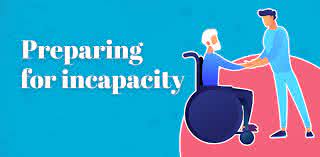
incapacity

/ˌɪn.kəˈpæs.ə.t̬i/

(noun) 무능력, 불능

예시:

His incapacity to understand basic instructions was a problem.
기본 지시를 이해하지 못하는 그의 무능력은 문제였다.

hallucination

/həˌluː.səˈneɪ.ʃən/

(noun) 환각, 환영

예시:

He suffered from vivid hallucinations during his illness.
그는 병중에 생생한 환각에 시달렸다.

fallacy

/ˈfæl.ə.si/

(noun) 오류, 그릇된 생각, 궤변

예시:

It is a common fallacy that only rich people can afford to travel.
부자들만이 여행할 여유가 있다는 것은 흔한 오류입니다.

misconception

/ˌmɪs.kənˈsep.ʃən/

(noun) 오해, 잘못된 생각

예시:

It's a common misconception that all snakes are poisonous.
모든 뱀이 독이 있다는 것은 흔한 오해이다.

neglect

/nɪˈɡlekt/

(noun) 방치, 태만;

(verb) 소홀히 하다, 방치하다

예시:

The old house fell into neglect.
오래된 집은 방치되었다.

disregard

/ˌdɪs.rɪˈɡɑːrd/

(verb) 무시하다, 경시하다;

(noun) 무시, 경시

예시:

You should disregard his rude comments.
그의 무례한 발언은 무시해야 한다.

misinterpret

/ˌmɪs.ɪnˈtɝː.prət/

(verb) 오해하다, 잘못 해석하다

예시:

It's easy to misinterpret her silence as disapproval.
그녀의 침묵을 불승인으로 오해하기 쉽다.

overlook

/ˌoʊ.vɚˈlʊk/

(verb) 간과하다, 못 보고 넘어가다, 내려다보다;

(noun) 전망대, 조망 지점

예시:

I think you may have overlooked a key detail in the report.
보고서에서 중요한 세부 사항을 간과했을 수도 있습니다.

oblivious

/əˈblɪv.i.əs/

(adjective) 무지한, 알지 못하는, 잊어버린

예시:

He was completely oblivious to the danger.
그는 위험에 대해 완전히 무지했다.

deranged

/dɪˈreɪndʒd/

(adjective) 정신이 이상한, 미친

예시:

The suspect appeared to be deranged and was speaking incoherently.
용의자는 정신이 이상한 듯 보였고, 횡설수설하고 있었다.

insensible

/ɪnˈsen.sə.bəl/

(adjective) 의식을 잃은, 무감각한, 의식하지 못하는

예시:

He was knocked insensible by the blow to the head.
그는 머리를 맞아 의식을 잃었다.

naive

/naɪˈiːv/

(adjective) 순진한, 천진난만한

예시:

It was naive of her to believe everything he said.
그녀가 그가 말한 모든 것을 믿는 것은 순진한 일이었다.
Lingoland에서 이 어휘 세트 학습하기