Avatar of Vocabulary Set ศัพท์การเงินและเศรษฐกิจทั่วไป

ชุดคำศัพท์ ศัพท์การเงินและเศรษฐกิจทั่วไป ในชุด การเงินและการธนาคาร: รายการเต็มรูปแบบและละเอียด

ชุดคำศัพท์ 'ศัพท์การเงินและเศรษฐกิจทั่วไป' ในชุด 'การเงินและการธนาคาร' คัดเลือกอย่างพิถีพิถันจากแหล่งตำราสากลมาตรฐาน ช่วยให้คุณเชี่ยวชาญคำศัพท์ในเวลาอันสั้น รวมคำนิยาม ตัวอย่างประกอบ และการออกเสียงมาตรฐาน...

เรียนชุดคำศัพท์นี้ที่ Lingoland

เรียนเลย

interest

/ˈɪn.trɪst/

(noun) ความสนใจ, ความอยากรู้, ดอกเบี้ย;

(verb) ทำให้สนใจ, ดึงดูดความสนใจ

ตัวอย่าง:

She showed great interest in the new project.
เธอแสดงความสนใจอย่างมากในโครงการใหม่

exchange rate

/ɪksˈtʃeɪndʒ reɪt/

(noun) อัตราแลกเปลี่ยน

ตัวอย่าง:

The exchange rate between the dollar and the euro fluctuates daily.
อัตราแลกเปลี่ยนระหว่างดอลลาร์และยูโรผันผวนทุกวัน

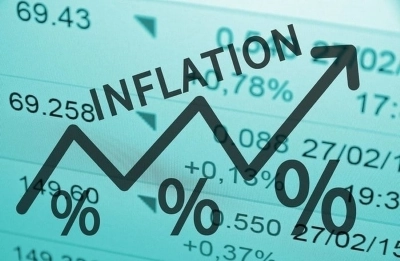
inflation

/ɪnˈfleɪ.ʃən/

(noun) เงินเฟ้อ, การพองตัว, การบวม

ตัวอย่าง:
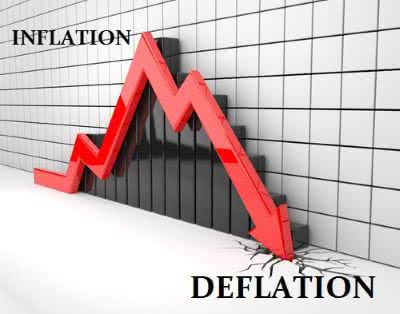
The country is experiencing high inflation.
ประเทศกำลังประสบปัญหาเงินเฟ้อสูง

deflation

/dɪˈfleɪ.ʃən/

(noun) เงินฝืด, การยุบตัว, การปล่อยลม

ตัวอย่าง:
The country is currently experiencing a period of economic deflation.
ประเทศกำลังประสบภาวะเงินฝืดทางเศรษฐกิจ

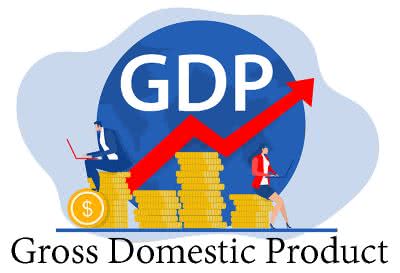
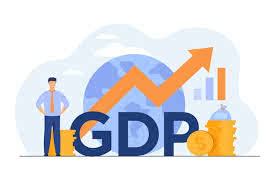
GDP

/ˌdʒiː.diːˈpiː/

(abbreviation) GDP, ผลิตภัณฑ์มวลรวมในประเทศ

ตัวอย่าง:
The country's GDP grew by 3% last quarter.
GDP ของประเทศเติบโต 3% ในไตรมาสที่แล้ว

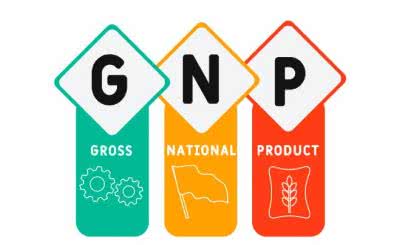
GNP

/ˌdʒiː.enˈpiː/

(abbreviation) ผลิตภัณฑ์มวลรวมประชาชาติ, GNP

ตัวอย่าง:

The country's GNP increased by 3% last year.
GNP ของประเทศเพิ่มขึ้น 3% เมื่อปีที่แล้ว

balance of payments

/ˈbæl.əns əv ˈpeɪ.mənts/

(noun) ดุลการชำระเงิน

ตัวอย่าง:

The country is trying to improve its balance of payments by increasing exports.
ประเทศกำลังพยายามปรับปรุงดุลการชำระเงินโดยการเพิ่มการส่งออก

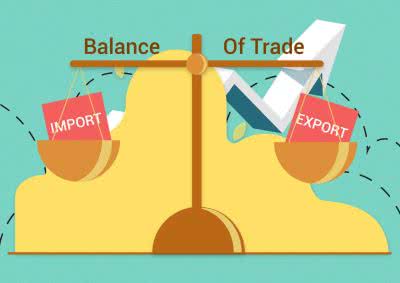
balance of trade

/ˈbæl.əns əv treɪd/

(noun) ดุลการค้า

ตัวอย่าง:

The country is trying to improve its balance of trade by increasing exports.
ประเทศกำลังพยายามปรับปรุงดุลการค้าโดยการเพิ่มการส่งออก

tariff

/ˈter.ɪf/

(noun) ภาษี, อัตราภาษี, อัตราค่าบริการ;

(verb) เก็บภาษี, กำหนดอัตราภาษี

ตัวอย่าง:
The government imposed a new tariff on imported cars.
รัฐบาลกำหนดภาษีใหม่สำหรับรถยนต์นำเข้า

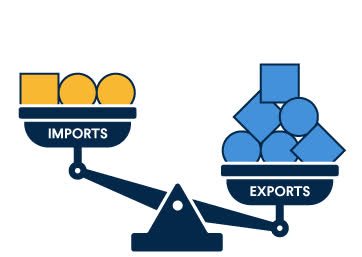
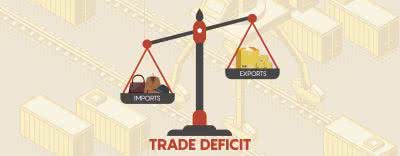
trade deficit

/ˈtreɪd ˌdef.ɪ.sɪt/

(noun) การขาดดุลการค้า

ตัวอย่าง:

The country has been struggling with a large trade deficit for years.
ประเทศกำลังประสบปัญหาการขาดดุลการค้าจำนวนมากมาหลายปี

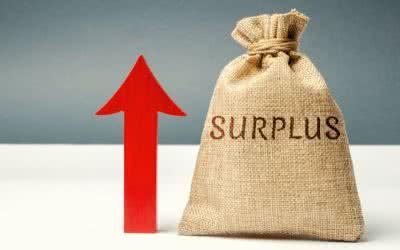
trade surplus

/treɪd ˈsɝː.pləs/

(noun) เกินดุลการค้า

ตัวอย่าง:

The country achieved a significant trade surplus last quarter.
ประเทศบรรลุเกินดุลการค้าอย่างมีนัยสำคัญเมื่อไตรมาสที่แล้ว

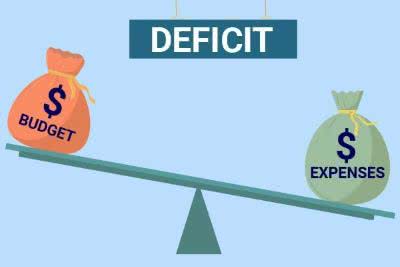
budget deficit

/ˈbʌdʒɪt ˈdɛfɪsɪt/

(noun) การขาดดุลงบประมาณ

ตัวอย่าง:

The country is facing a significant budget deficit this year.
ประเทศกำลังเผชิญกับการขาดดุลงบประมาณที่สำคัญในปีนี้

budget surplus

/ˈbʌdʒɪt ˈsɜːrpləs/

(noun) งบประมาณเกินดุล

ตัวอย่าง:

The country achieved a significant budget surplus last year due to strong economic growth.
ประเทศบรรลุงบประมาณเกินดุลอย่างมีนัยสำคัญเมื่อปีที่แล้วเนื่องจากการเติบโตทางเศรษฐกิจที่แข็งแกร่ง

fiscal policy

/ˈfɪs.kəl ˈpɑː.lə.si/

(noun) นโยบายการคลัง

ตัวอย่าง:

The government announced new fiscal policy measures to stimulate growth.
รัฐบาลประกาศมาตรการนโยบายการคลังใหม่เพื่อกระตุ้นการเติบโต

monetary policy

/ˈmɑː.nɪ.ter.i ˈpɑː.lə.si/

(noun) นโยบายการเงิน

ตัวอย่าง:

The central bank announced a shift in its monetary policy to combat inflation.
ธนาคารกลางประกาศการเปลี่ยนแปลงในนโยบายการเงินเพื่อต่อสู้กับภาวะเงินเฟ้อ

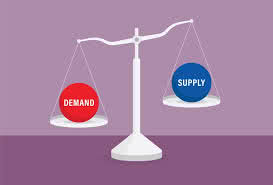
supply and demand

/səˌplaɪ ən dɪˈmænd/

(noun) อุปทานและอุปสงค์

ตัวอย่าง:

The price of oil is determined by supply and demand.
ราคาน้ำมันถูกกำหนดโดยอุปทานและอุปสงค์

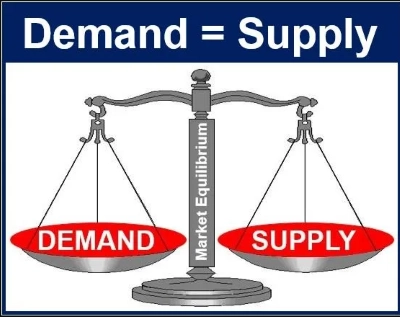
market equilibrium

/ˈmɑːrkɪt ˌiːkwɪˈlɪbriəm/

(noun) สมดุลตลาด

ตัวอย่าง:

At market equilibrium, there is no shortage or surplus of goods.
ที่สมดุลตลาด จะไม่มีการขาดแคลนหรือสินค้าล้นตลาด

monopoly

/məˈnɑː.pəl.i/

(noun) การผูกขาด, เกมเศรษฐี, โมโนโพลี

ตัวอย่าง:
The company has a virtual monopoly on the market.
บริษัทมีการผูกขาดเสมือนจริงในตลาด

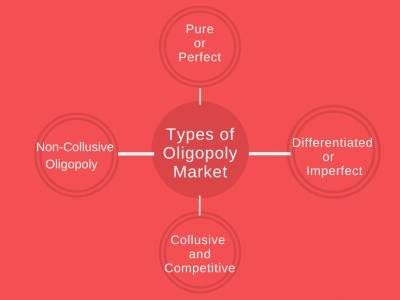
oligopoly

/ˌɑː.lɪˈɡɑː.pəl.i/

(noun) การผูกขาดโดยผู้ขายน้อยราย

ตัวอย่าง:

The airline industry is often cited as an example of an oligopoly.
อุตสาหกรรมการบินมักถูกยกตัวอย่างว่าเป็น การผูกขาดโดยผู้ขายน้อยราย

competition

/ˌkɑːm.pəˈtɪʃ.ən/

(noun) การแข่งขัน, การชิงชัย, การประกวด

ตัวอย่าง:

There's fierce competition for jobs in the current market.
มีการแข่งขันที่ดุเดือดสำหรับงานในตลาดปัจจุบัน

elasticity

/ˌi.læsˈtɪs.ə.t̬i/

(noun) ความยืดหยุ่น, ความสามารถในการปรับตัว

ตัวอย่าง:

Rubber bands are known for their high elasticity.
ยางรัดผมขึ้นชื่อเรื่องความยืดหยุ่นสูง

recession

/rɪˈseʃ.ən/

(noun) ภาวะเศรษฐกิจถดถอย, ภาวะถดถอย, การถอยร่น

ตัวอย่าง:

The country is currently experiencing a deep recession.
ประเทศกำลังประสบกับภาวะเศรษฐกิจถดถอยอย่างรุนแรง

depression

/dɪˈpreʃ.ən/

(noun) โรคซึมเศร้า, ภาวะเศรษฐกิจตกต่ำ, ภาวะซบเซาทางเศรษฐกิจ

ตัวอย่าง:

She has been suffering from severe depression for years.
เธอป่วยเป็นโรคซึมเศร้าอย่างรุนแรงมาหลายปีแล้ว

unemployment

/ˌʌn.ɪmˈplɔɪ.mənt/

(noun) การว่างงาน

ตัวอย่าง:

The government is working to reduce unemployment.
รัฐบาลกำลังทำงานเพื่อลดการว่างงาน

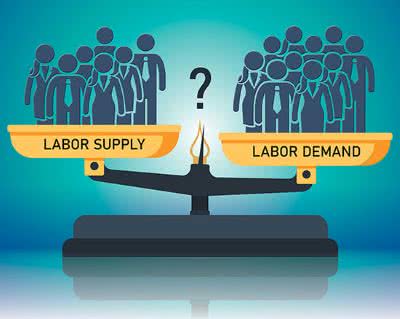
labor market

/ˈleɪ.bər ˌmɑːr.kɪt/

(noun) ตลาดแรงงาน

ตัวอย่าง:

The government is implementing policies to improve the labor market.
รัฐบาลกำลังดำเนินนโยบายเพื่อปรับปรุงตลาดแรงงาน

incentive

/ɪnˈsen.t̬ɪv/

(noun) แรงจูงใจ, สิ่งกระตุ้น, สิ่งจูงใจ

ตัวอย่าง:

The bonus served as a strong incentive for employees to work harder.
โบนัสเป็นแรงจูงใจที่แข็งแกร่งสำหรับพนักงานให้ทำงานหนักขึ้น

subsidy

/ˈsʌb.sə.di/

(noun) เงินอุดหนุน, เงินช่วยเหลือ

ตัวอย่าง:
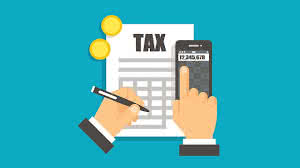
The government provides subsidies to farmers.
รัฐบาลให้เงินอุดหนุนแก่เกษตรกร

taxation

/tækˈseɪ.ʃən/

(noun) การเก็บภาษี, ระบบภาษี

ตัวอย่าง:
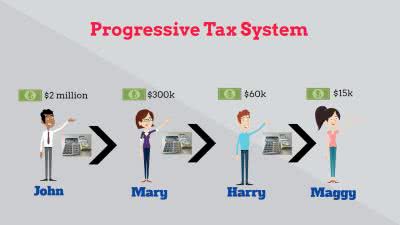
The government announced new taxation policies to fund public services.
รัฐบาลประกาศนโยบายการเก็บภาษีใหม่เพื่อเป็นทุนสำหรับบริการสาธารณะ

progressive tax

/prəˌɡres.ɪv ˈtæks/

(noun) ภาษีก้าวหน้า

ตัวอย่าง:

Many countries implement a progressive tax system to reduce income inequality.
หลายประเทศใช้ระบบภาษีก้าวหน้าเพื่อลดความเหลื่อมล้ำทางรายได้

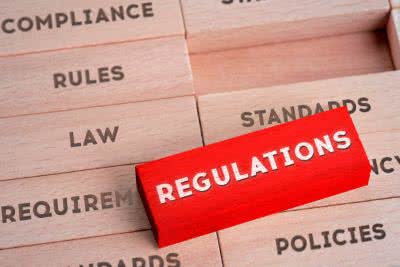
regulation

/ˌreɡ.jəˈleɪ.ʃən/

(noun) ข้อบังคับ, กฎระเบียบ, ระเบียบ

ตัวอย่าง:

New safety regulations have been introduced.
มีการนำข้อบังคับด้านความปลอดภัยใหม่มาใช้

deregulation

/ˌdiː.reɡ.jəˈleɪ.ʃən/

(noun) การลดกฎระเบียบ, การยกเลิกกฎระเบียบ

ตัวอย่าง:

The government announced a new policy of deregulation to boost the economy.
รัฐบาลประกาศนโยบายการลดกฎระเบียบใหม่เพื่อกระตุ้นเศรษฐกิจ

purchasing power

/ˈpɝː.tʃə.sɪŋ ˌpaʊ.ɚ/

(noun) อำนาจซื้อ

ตัวอย่าง:

Inflation erodes the purchasing power of money.
เงินเฟ้อกัดกร่อนอำนาจซื้อของเงิน

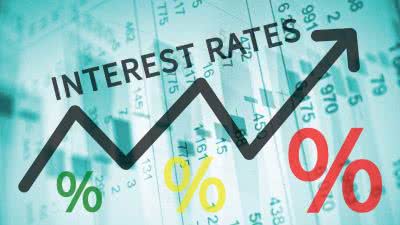
interest rate

/ˈɪn.trəst ˌreɪt/

(noun) อัตราดอกเบี้ย

ตัวอย่าง:

The central bank decided to raise the interest rate to control inflation.
ธนาคารกลางตัดสินใจขึ้นอัตราดอกเบี้ยเพื่อควบคุมเงินเฟ้อ

capital

/ˈkæp.ə.t̬əl/

(noun) เมืองหลวง, เงินทุน, ทุน;

(adjective) ร้ายแรง, ประหารชีวิต, ยอดเยี่ยม

ตัวอย่าง:

London is the capital of the United Kingdom.
ลอนดอนเป็นเมืองหลวงของสหราชอาณาจักร

investment

/ɪnˈvest.mənt/

(noun) การลงทุน, การลงเงิน, สิ่งที่มีค่า

ตัวอย่าง:

His investment in the stock market paid off handsomely.
การลงทุนของเขาในตลาดหุ้นให้ผลตอบแทนที่ดีมาก

entrepreneurship

/ˌɑːn.trə.prəˈnɝː.ʃɪp/

(noun) การเป็นผู้ประกอบการ, การประกอบธุรกิจ

ตัวอย่าง:

She studied entrepreneurship in college.
เธอเรียนการเป็นผู้ประกอบการในวิทยาลัย

risk

/rɪsk/

(noun) ความเสี่ยง, อันตราย;

(verb) เสี่ยง, ทำให้ตกอยู่ในอันตราย

ตัวอย่าง:

Smoking increases the risk of heart disease.
การสูบบุหรี่เพิ่มความเสี่ยงของโรคหัวใจ

profit

/ˈprɑː.fɪt/

(noun) กำไร, ผลประโยชน์, ประโยชน์;

(verb) ทำกำไร, ได้ประโยชน์, เป็นประโยชน์

ตัวอย่าง:
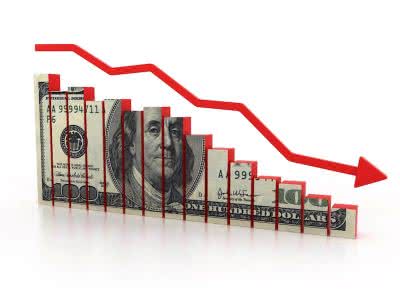
The company reported a significant profit this quarter.
บริษัทรายงานกำไรจำนวนมากในไตรมาสนี้

loss

/lɑːs/

(noun) การสูญเสีย, การขาดทุน, ความเสียหาย

ตัวอย่าง:

The company reported a significant financial loss this quarter.
บริษัทรายงานการขาดทุนทางการเงินจำนวนมากในไตรมาสนี้

mergers and acquisitions

/ˈmɜːrdʒərz ənd əˌkwɪˈzɪʃənz/

(plural noun) การควบรวมและซื้อกิจการ

ตัวอย่าง:

Our firm specializes in mergers and acquisitions.
บริษัทของเราเชี่ยวชาญด้านการควบรวมและซื้อกิจการ

dividend

/ˈdɪv.ə.dend/

(noun) เงินปันผล, ส่วนแบ่งกำไร, ตัวตั้งหาร

ตัวอย่าง:

The company announced a quarterly dividend of 50 cents per share.
บริษัทประกาศเงินปันผลรายไตรมาส 50 เซนต์ต่อหุ้น

economy

/iˈkɑː.nə.mi/

(noun) เศรษฐกิจ, การประหยัด, ความประหยัด

ตัวอย่าง:
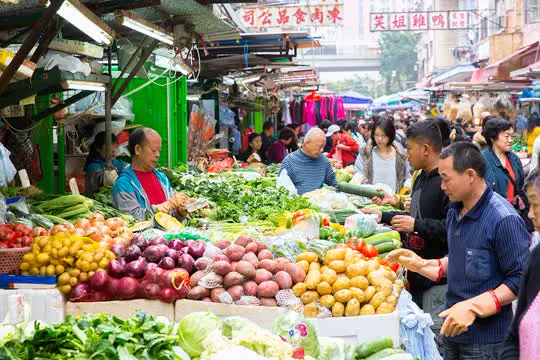
The country's economy is growing rapidly.
เศรษฐกิจของประเทศกำลังเติบโตอย่างรวดเร็ว

market

/ˈmɑːr.kɪt/

(noun) ตลาด;

(verb) ทำการตลาด, ส่งเสริมการขาย

ตัวอย่าง:

I bought fresh vegetables at the local market.
ฉันซื้อผักสดที่ตลาดท้องถิ่น

stock market

/ˈstɑːk ˌmɑːr.kɪt/

(noun) ตลาดหุ้น, ตลาดหลักทรัพย์

ตัวอย่าง:
The stock market closed higher today.
ตลาดหุ้นปิดสูงขึ้นในวันนี้

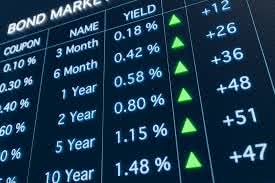
bond market

/ˈbɑːnd ˌmɑːr.kɪt/

(noun) ตลาดตราสารหนี้, ตลาดพันธบัตร

ตัวอย่าง:
The central bank's decision had a significant impact on the bond market.
การตัดสินใจของธนาคารกลางมีผลกระทบอย่างมีนัยสำคัญต่อตลาดตราสารหนี้

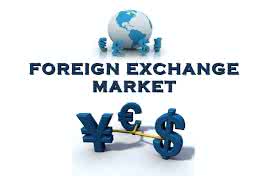
foreign exchange market

/ˈfɔːr.ɪn ɪksˈtʃeɪndʒ ˈmɑːr.kɪt/

(noun) ตลาดแลกเปลี่ยนเงินตราต่างประเทศ, ตลาดฟอเร็กซ์

ตัวอย่าง:

The foreign exchange market operates 24 hours a day, five days a week.
ตลาดแลกเปลี่ยนเงินตราต่างประเทศเปิดทำการ 24 ชั่วโมงต่อวัน ห้าวันต่อสัปดาห์

capital market

/ˈkæpɪtl ˈmɑːrkɪt/

(noun) ตลาดทุน

ตัวอย่าง:

The company raised funds through the capital market.
บริษัทระดมทุนผ่านตลาดทุน

bankruptcy

/ˈbæŋ.krəpt.si/

(noun) การล้มละลาย

ตัวอย่าง:

The company filed for bankruptcy after years of financial struggles.
บริษัทได้ยื่นฟ้องล้มละลายหลังจากประสบปัญหาทางการเงินมาหลายปี

unemployment rate

/ʌnɪmˈplɔɪmənt reɪt/

(noun) อัตราการว่างงาน

ตัวอย่าง:

The government announced a decrease in the unemployment rate.
รัฐบาลประกาศลดอัตราการว่างงาน

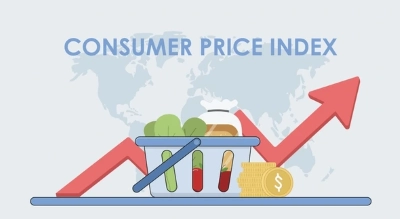
consumer price index

/ˌkɑːnˈsuː.mər ˌpraɪs ˈɪn.deks/

(noun) ดัชนีราคาผู้บริโภค

ตัวอย่าง:

The government announced that the Consumer Price Index rose by 0.5% last month, indicating inflation.
รัฐบาลประกาศว่า ดัชนีราคาผู้บริโภคเพิ่มขึ้น 0.5% เมื่อเดือนที่แล้ว ซึ่งบ่งชี้ถึงภาวะเงินเฟ้อ

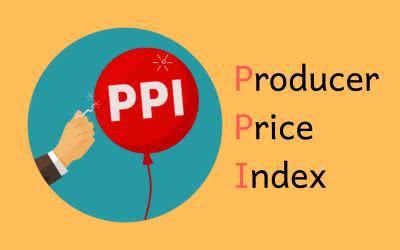
producer price index

/prəˈduːsər praɪs ˈɪndɛks/

(noun) ดัชนีราคาผู้ผลิต

ตัวอย่าง:

The Producer Price Index rose by 0.5% last month, indicating inflationary pressures.
ดัชนีราคาผู้ผลิตเพิ่มขึ้น 0.5% เมื่อเดือนที่แล้ว ซึ่งบ่งชี้ถึงแรงกดดันด้านเงินเฟ้อ

gross domestic product

/ˌɡroʊs dəˌmes.tɪk ˈprɑː.dʌkt/

(noun) ผลิตภัณฑ์มวลรวมในประเทศ

ตัวอย่าง:
The country's gross domestic product increased by 3% last year.
ผลิตภัณฑ์มวลรวมในประเทศของประเทศเพิ่มขึ้น 3% เมื่อปีที่แล้ว

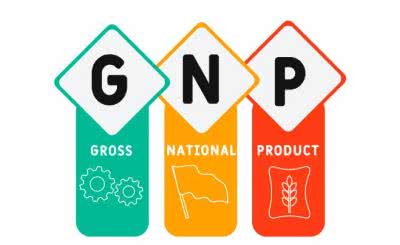
gross national product

/ˌɡroʊs ˌnæʃ.ən.əl ˈprɑː.dʌkt/

(noun) ผลิตภัณฑ์มวลรวมประชาชาติ, GNP

ตัวอย่าง:

The country's Gross National Product increased by 3% last year.
ผลิตภัณฑ์มวลรวมประชาชาติของประเทศเพิ่มขึ้น 3% เมื่อปีที่แล้ว

gross national income

/ˌɡroʊs ˌnæʃ.ən.əl ˈɪn.kʌm/

(noun) รายได้ประชาชาติรวม

ตัวอย่าง:

The country's gross national income has increased steadily over the past decade.
รายได้ประชาชาติรวมของประเทศเพิ่มขึ้นอย่างต่อเนื่องตลอดทศวรรษที่ผ่านมา

public debt

/ˌpʌb.lɪk ˈdet/

(noun) หนี้สาธารณะ, หนี้ของรัฐบาล

ตัวอย่าง:
The nation's public debt has reached an unprecedented level.
หนี้สาธารณะของประเทศได้ถึงระดับที่ไม่เคยมีมาก่อน

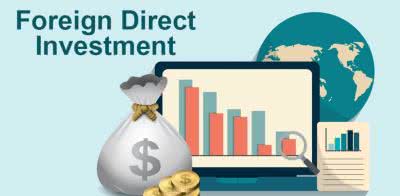
foreign direct investment

/ˌfɔːr.ɪn daɪˈrekt ɪnˈvest.mənt/

(noun) การลงทุนโดยตรงจากต่างประเทศ

ตัวอย่าง:

The government is actively seeking to attract more foreign direct investment.
รัฐบาลกำลังพยายามดึงดูดการลงทุนโดยตรงจากต่างประเทศให้มากขึ้น

savings

/ˈseɪ·vɪŋz/

(plural noun) เงินออม, เงินเก็บ, การประหยัด

ตัวอย่าง:

She put all her savings into a new house.
เธอเอาเงินเก็บทั้งหมดไปซื้อบ้านใหม่

infrastructure

/ˈɪn.frəˌstrʌk.tʃɚ/

(noun) โครงสร้างพื้นฐาน

ตัวอย่าง:

The country's aging infrastructure needs significant investment.
โครงสร้างพื้นฐานที่เก่าแก่ของประเทศต้องการการลงทุนจำนวนมาก

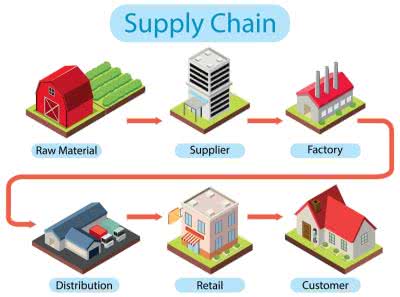
supply chain

/səˈplaɪ tʃeɪn/

(noun) ห่วงโซ่อุปทาน

ตัวอย่าง:

Disruptions in the global supply chain can lead to product shortages.
การหยุดชะงักในห่วงโซ่อุปทานทั่วโลกอาจนำไปสู่การขาดแคลนสินค้า

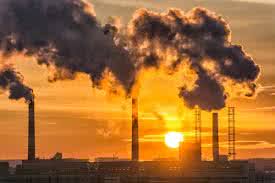
externality

/ɪkˌstɝːˈnæl.ə.ti̬/

(noun) ผลกระทบภายนอก, ปัจจัยภายนอก

ตัวอย่าง:

Pollution is a classic example of a negative externality.
มลพิษเป็นตัวอย่างคลาสสิกของผลกระทบภายนอกเชิงลบ

economic growth

/ˌiːkəˈnɑːmɪk ɡroʊθ/

(noun) การเติบโตทางเศรษฐกิจ

ตัวอย่าง:

The government aims to stimulate economic growth through new policies.
รัฐบาลมีเป้าหมายที่จะกระตุ้นการเติบโตทางเศรษฐกิจผ่านนโยบายใหม่ๆ

stagnation

/stæɡˈneɪ.ʃən/

(noun) ความซบเซา, ความหยุดนิ่ง

ตัวอย่าง:

The economy is suffering from stagnation.
เศรษฐกิจกำลังประสบปัญหาความซบเซา

globalization

/ˌɡloʊ.bəl.əˈzeɪ.ʃən/

(noun) โลกาภิวัตน์

ตัวอย่าง:

The rise of the internet has greatly accelerated globalization.
การเพิ่มขึ้นของอินเทอร์เน็ตได้เร่งกระบวนการโลกาภิวัตน์อย่างมาก

protectionism

/prəˈtek.ʃən.ɪ.zəm/

(noun) นโยบายคุ้มครอง

ตัวอย่าง:

The government implemented protectionism to support local businesses.
รัฐบาลใช้นโยบายคุ้มครองเพื่อสนับสนุนธุรกิจในประเทศ

trade barrier

/ˈtreɪd ˌber.i.ər/

(noun) กำแพงการค้า

ตัวอย่าง:

The country imposed a new trade barrier on imported cars.
ประเทศนั้นกำหนดกำแพงการค้าใหม่สำหรับรถยนต์นำเข้า

free trade

/ˌfriː ˈtreɪd/

(noun) การค้าเสรี

ตัวอย่าง:

The two countries signed a free trade agreement.
ทั้งสองประเทศลงนามในข้อตกลงการค้าเสรี

foreign exchange reserves

/ˈfɔːr.ɪn ɪksˈtʃeɪndʒ rɪˈzɜːrvz/

(noun) ทุนสำรองเงินตราต่างประเทศ

ตัวอย่าง:
The country's foreign exchange reserves have increased significantly this quarter.
ทุนสำรองเงินตราต่างประเทศของประเทศเพิ่มขึ้นอย่างมีนัยสำคัญในไตรมาสนี้

productivity

/ˌproʊ.dəkˈtɪv.ə.t̬i/

(noun) ประสิทธิภาพการผลิต, ผลผลิต, ประสิทธิภาพ

ตัวอย่าง:
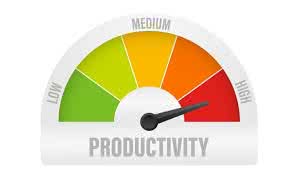
The new machinery has increased the factory's productivity.
เครื่องจักรใหม่ได้เพิ่มผลผลิตของโรงงาน

economic indicator

/ˌiː.kəˈnɑː.mɪk ˈɪn.də.keɪ.tər/

(noun) ตัวชี้วัดทางเศรษฐกิจ

ตัวอย่าง:
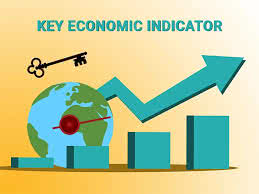
GDP is a key economic indicator.
GDP เป็นตัวชี้วัดทางเศรษฐกิจที่สำคัญ

economic model

/ˌiːkəˈnɑːmɪk ˈmɑːdl/

(noun) แบบจำลองทางเศรษฐกิจ

ตัวอย่าง:

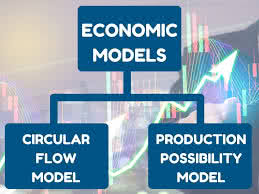
The government used an economic model to predict the impact of the new tax policy.
รัฐบาลใช้แบบจำลองทางเศรษฐกิจเพื่อทำนายผลกระทบของนโยบายภาษีใหม่

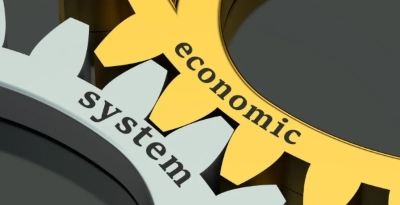
economic system

/ˌiː.kəˈnɑː.mɪk ˈsɪs.təm/

(noun) ระบบเศรษฐกิจ

ตัวอย่าง:

Capitalism is a common type of economic system.
ระบบทุนนิยมเป็นประเภทหนึ่งของระบบเศรษฐกิจที่พบได้ทั่วไป
เรียนชุดคำศัพท์นี้ที่ Lingoland