Avatar of Vocabulary Set 一般金融経済用語

金融と銀行業務 内 一般金融経済用語 語彙セット:完全かつ詳細なリスト

「金融と銀行業務」内の「一般金融経済用語」語彙セットは国際標準教材から厳選され、短期間で語彙をマスターできます。定義、例文、標準発音を網羅…

Lingolandでこの語彙セットを学習

今すぐ学習
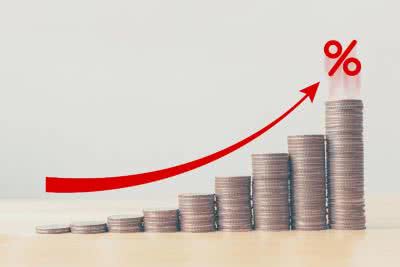
interest

/ˈɪn.trɪst/

(noun) 興味, 関心, 利息;

(verb) 興味を持たせる, 関心を引く

例:
She showed great interest in the new project.
彼女は新しいプロジェクトに大きな関心を示した。

exchange rate

/ɪksˈtʃeɪndʒ reɪt/

(noun) 為替レート, 交換レート

例:

The exchange rate between the dollar and the euro fluctuates daily.
ドルとユーロの為替レートは毎日変動します。

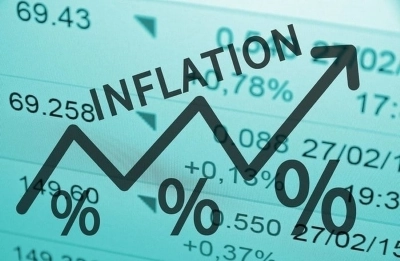
inflation

/ɪnˈfleɪ.ʃən/

(noun) インフレ, 物価上昇, 膨張

例:

The country is experiencing high inflation.
その国は高いインフレを経験している。

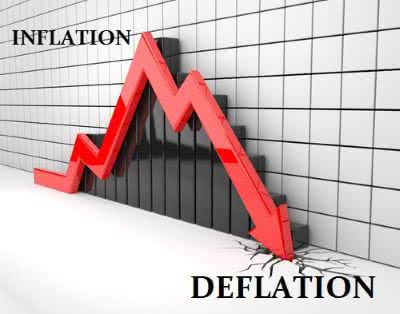
deflation

/dɪˈfleɪ.ʃən/

(noun) デフレ, デフレーション, しぼみ

例:

The country is currently experiencing a period of economic deflation.
その国は現在、経済的なデフレを経験している。

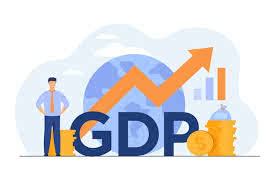
GDP

/ˌdʒiː.diːˈpiː/

(abbreviation) GDP, 国内総生産

例:

The country's GDP grew by 3% last quarter.
その国のGDPは前四半期に3%成長した。

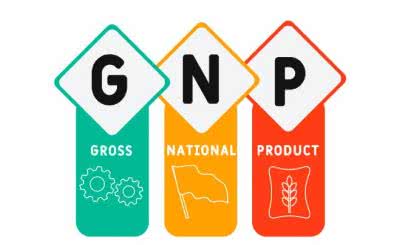
GNP

/ˌdʒiː.enˈpiː/

(abbreviation) 国民総生産, GNP

例:

The country's GNP increased by 3% last year.
その国のGNPは昨年3%増加した。

balance of payments

/ˈbæl.əns əv ˈpeɪ.mənts/

(noun) 国際収支

例:

The country is trying to improve its balance of payments by increasing exports.
その国は輸出を増やすことで国際収支を改善しようとしている。

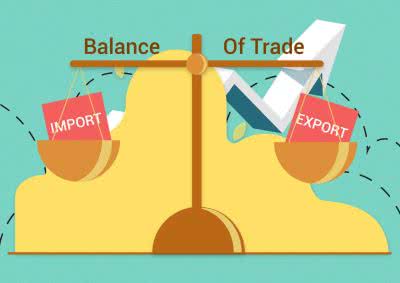
balance of trade

/ˈbæl.əns əv treɪd/

(noun) 貿易収支

例:

The country is trying to improve its balance of trade by increasing exports.
その国は輸出を増やすことで貿易収支を改善しようとしている。

tariff

/ˈter.ɪf/

(noun) 関税, 税率, 料金;

(verb) 関税を課す, 課税する

例:
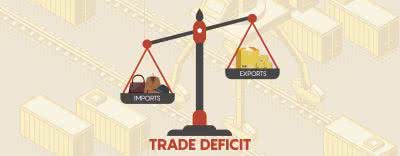
The government imposed a new tariff on imported cars.
政府は輸入車に新たな関税を課した。

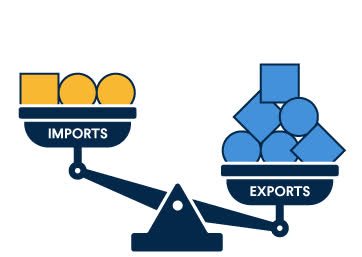
trade deficit

/ˈtreɪd ˌdef.ɪ.sɪt/

(noun) 貿易赤字

例:

The country has been struggling with a large trade deficit for years.
その国は長年、大きな貿易赤字に苦しんでいる。

trade surplus

/treɪd ˈsɝː.pləs/

(noun) 貿易黒字

例:

The country achieved a significant trade surplus last quarter.
その国は前四半期に大幅な貿易黒字を達成した。

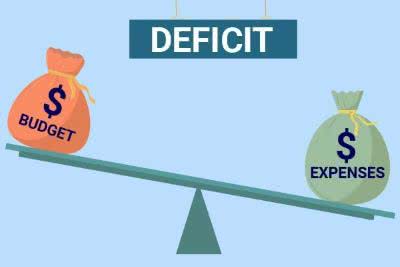
budget deficit

/ˈbʌdʒɪt ˈdɛfɪsɪt/

(noun) 財政赤字, 予算赤字

例:

The country is facing a significant budget deficit this year.
その国は今年、大幅な財政赤字に直面している。

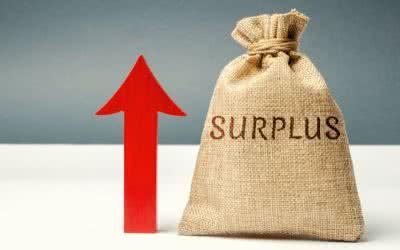
budget surplus

/ˈbʌdʒɪt ˈsɜːrpləs/

(noun) 財政黒字, 予算黒字

例:

The country achieved a significant budget surplus last year due to strong economic growth.
その国は昨年、力強い経済成長により大幅な財政黒字を達成した。

fiscal policy

/ˈfɪs.kəl ˈpɑː.lə.si/

(noun) 財政政策

例:

The government announced new fiscal policy measures to stimulate growth.
政府は成長を刺激するために新たな財政政策措置を発表した。

monetary policy

/ˈmɑː.nɪ.ter.i ˈpɑː.lə.si/

(noun) 金融政策

例:

The central bank announced a shift in its monetary policy to combat inflation.
中央銀行はインフレ対策のため、金融政策の変更を発表した。

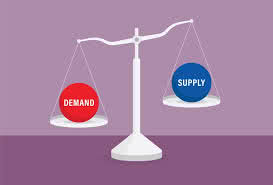
supply and demand

/səˌplaɪ ən dɪˈmænd/

(noun) 需要と供給

例:

The price of oil is determined by supply and demand.
原油価格は需要と供給によって決まる。

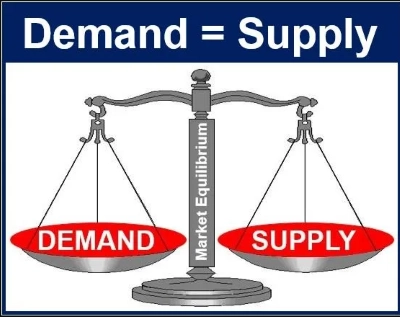
market equilibrium

/ˈmɑːrkɪt ˌiːkwɪˈlɪbriəm/

(noun) 市場均衡

例:

At market equilibrium, there is no shortage or surplus of goods.
市場均衡では、商品の不足も過剰もありません。

monopoly

/məˈnɑː.pəl.i/

(noun) 独占, モノポリー, ボードゲームのモノポリー

例:

The company has a virtual monopoly on the market.
その会社は市場で事実上の独占状態にある。

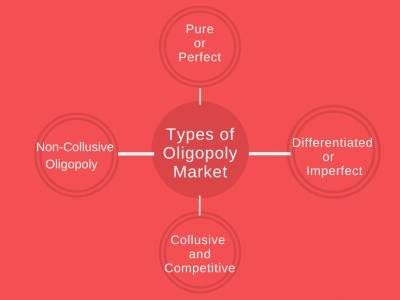
oligopoly

/ˌɑː.lɪˈɡɑː.pəl.i/

(noun) 寡占

例:

The airline industry is often cited as an example of an oligopoly.
航空業界はしばしば寡占の例として挙げられる。

competition

/ˌkɑːm.pəˈtɪʃ.ən/

(noun) 競争, 競合, コンテスト

例:

There's fierce competition for jobs in the current market.
現在の市場では、仕事を得るための激しい競争があります。

elasticity

/ˌi.læsˈtɪs.ə.t̬i/

(noun) 弾力性, 伸縮性, 柔軟性

例:

Rubber bands are known for their high elasticity.
輪ゴムは高い弾力性で知られています。

recession

/rɪˈseʃ.ən/

(noun) 景気後退, 不況, 後退

例:

The country is currently experiencing a deep recession.
その国は現在、深刻な景気後退を経験している。

depression

/dɪˈpreʃ.ən/

(noun) うつ病, 恐慌, 不況

例:

She has been suffering from severe depression for years.
彼女は何年も重度のうつ病に苦しんでいる。

unemployment

/ˌʌn.ɪmˈplɔɪ.mənt/

(noun) 失業

例:

The government is working to reduce unemployment.
政府は失業率を減らすために取り組んでいます。

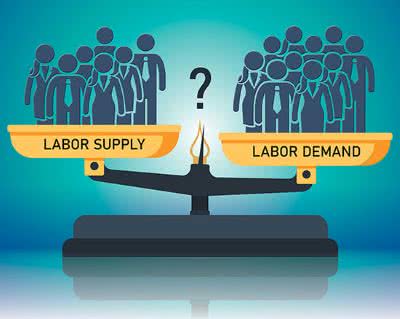
labor market

/ˈleɪ.bər ˌmɑːr.kɪt/

(noun) 労働市場

例:

The government is implementing policies to improve the labor market.
政府は労働市場を改善するための政策を実施している。

incentive

/ɪnˈsen.t̬ɪv/

(noun) インセンティブ, 動機, 誘因

例:

The bonus served as a strong incentive for employees to work harder.
ボーナスは従業員がより熱心に働くための強力なインセンティブとなった。

subsidy

/ˈsʌb.sə.di/

(noun) 補助金, 助成金

例:

The government provides subsidies to farmers.
政府は農家に補助金を提供しています。

taxation

/tækˈseɪ.ʃən/

(noun) 課税, 税制

例:

The government announced new taxation policies to fund public services.
政府は公共サービスに資金を提供するため、新しい課税政策を発表した。

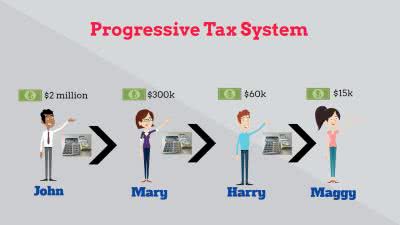
progressive tax

/prəˌɡres.ɪv ˈtæks/

(noun) 累進課税

例:

Many countries implement a progressive tax system to reduce income inequality.
多くの国が所得格差を減らすために累進課税制度を導入しています。

regulation

/ˌreɡ.jəˈleɪ.ʃən/

(noun) 規制, 規則, 規定

例:

New safety regulations have been introduced.
新しい安全規制が導入されました。

deregulation

/ˌdiː.reɡ.jəˈleɪ.ʃən/

(noun) 規制緩和, 自由化

例:

The government announced a new policy of deregulation to boost the economy.
政府は経済を活性化させるための新たな規制緩和政策を発表した。

purchasing power

/ˈpɝː.tʃə.sɪŋ ˌpaʊ.ɚ/

(noun) 購買力

例:

Inflation erodes the purchasing power of money.
インフレは貨幣の購買力を侵食する。

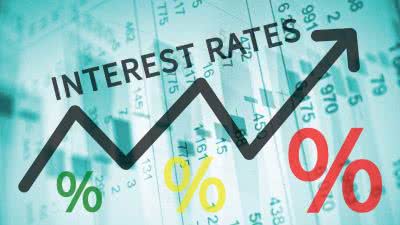
interest rate

/ˈɪn.trəst ˌreɪt/

(noun) 金利, 利率

例:

The central bank decided to raise the interest rate to control inflation.
中央銀行はインフレを抑制するために金利を引き上げることを決定した。

capital

/ˈkæp.ə.t̬əl/

(noun) 首都, 資本, 資金;

(adjective) 死刑の, 主要な, 素晴らしい

例:

London is the capital of the United Kingdom.
ロンドンはイギリスの首都です。

investment

/ɪnˈvest.mənt/

(noun) 投資, 出資, 価値あるもの

例:

His investment in the stock market paid off handsomely.
彼の株式市場への投資は大きな利益をもたらした。

entrepreneurship

/ˌɑːn.trə.prəˈnɝː.ʃɪp/

(noun) 起業家精神, 企業家精神

例:

She studied entrepreneurship in college.
彼女は大学で起業家精神を学んだ。

risk

/rɪsk/

(noun) リスク, 危険;

(verb) 危険にさらす, 賭ける

例:

Smoking increases the risk of heart disease.
喫煙は心臓病のリスクを高めます。

profit

/ˈprɑː.fɪt/

(noun) 利益, もうけ, 得;

(verb) 利益を得る, もうける, 役立つ

例:
The company reported a significant profit this quarter.
その会社は今四半期に大幅な利益を報告した。

loss

/lɑːs/

(noun) 損失, 喪失, 赤字

例:

The company reported a significant financial loss this quarter.
その会社は今四半期に大幅な財政的損失を報告した。

mergers and acquisitions

/ˈmɜːrdʒərz ənd əˌkwɪˈzɪʃənz/

(plural noun) 合併と買収

例:

Our firm specializes in mergers and acquisitions.
当事務所は合併と買収を専門としています。

dividend

/ˈdɪv.ə.dend/

(noun) 配当, 配当金, 被除数

例:

The company announced a quarterly dividend of 50 cents per share.
その会社は1株あたり50セントの四半期配当を発表した。

economy

/iˈkɑː.nə.mi/

(noun) 経済, 節約, 経済性

例:

The country's economy is growing rapidly.
その国の経済は急速に成長している。

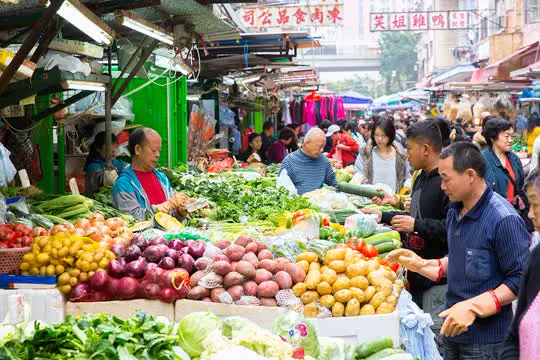
market

/ˈmɑːr.kɪt/

(noun) 市場;

(verb) 市場に出す, 販売する

例:

I bought fresh vegetables at the local market.
地元の市場で新鮮な野菜を買いました。

stock market

/ˈstɑːk ˌmɑːr.kɪt/

(noun) 株式市場, 証券取引所

例:

The stock market closed higher today.
今日の株式市場は高値で引けた。

bond market

/ˈbɑːnd ˌmɑːr.kɪt/

(noun) 債券市場, 公社債市場

例:

The central bank's decision had a significant impact on the bond market.
中央銀行の決定は債券市場に大きな影響を与えた。

foreign exchange market

/ˈfɔːr.ɪn ɪksˈtʃeɪndʒ ˈmɑːr.kɪt/

(noun) 外国為替市場, FX市場

例:

The foreign exchange market operates 24 hours a day, five days a week.
外国為替市場は週5日、1日24時間稼働しています。

capital market

/ˈkæpɪtl ˈmɑːrkɪt/

(noun) 資本市場

例:

The company raised funds through the capital market.
その会社は資本市場を通じて資金を調達した。

bankruptcy

/ˈbæŋ.krəpt.si/

(noun) 破産

例:

The company filed for bankruptcy after years of financial struggles.
その会社は長年の財政難の後、破産を申請した。

unemployment rate

/ʌnɪmˈplɔɪmənt reɪt/

(noun) 失業率

例:

The government announced a decrease in the unemployment rate.
政府は失業率の低下を発表した。

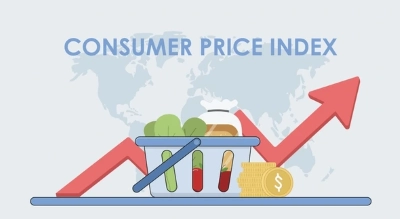
consumer price index

/ˌkɑːnˈsuː.mər ˌpraɪs ˈɪn.deks/

(noun) 消費者物価指数

例:

The government announced that the Consumer Price Index rose by 0.5% last month, indicating inflation.
政府は先月、消費者物価指数が0.5%上昇し、インフレを示していると発表した。

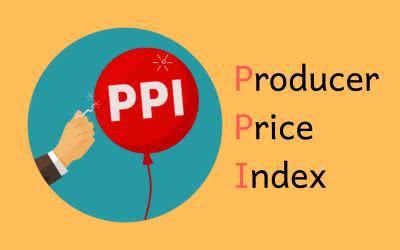
producer price index

/prəˈduːsər praɪs ˈɪndɛks/

(noun) 生産者物価指数

例:

The Producer Price Index rose by 0.5% last month, indicating inflationary pressures.
先月、生産者物価指数は0.5%上昇し、インフレ圧力を示しました。

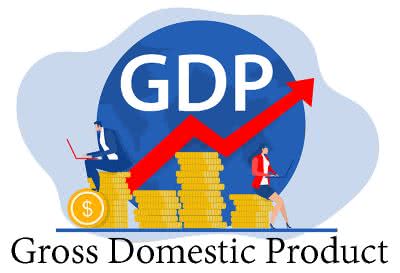
gross domestic product

/ˌɡroʊs dəˌmes.tɪk ˈprɑː.dʌkt/

(noun) 国内総生産

例:

The country's gross domestic product increased by 3% last year.
その国の国内総生産は昨年3%増加した。

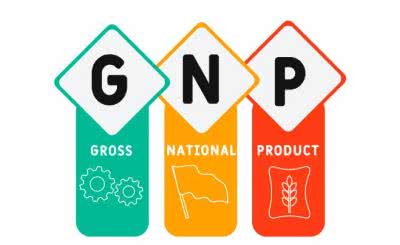
gross national product

/ˌɡroʊs ˌnæʃ.ən.əl ˈprɑː.dʌkt/

(noun) 国民総生産, GNP

例:

The country's Gross National Product increased by 3% last year.
その国の国民総生産は昨年3%増加した。

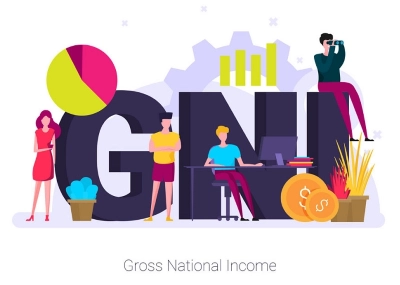
gross national income

/ˌɡroʊs ˌnæʃ.ən.əl ˈɪn.kʌm/

(noun) 国民総所得

例:

The country's gross national income has increased steadily over the past decade.
過去10年間で、その国の国民総所得は着実に増加している。

public debt

/ˌpʌb.lɪk ˈdet/

(noun) 公的債務, 国家債務

例:

The nation's public debt has reached an unprecedented level.
国の公的債務は前例のない水準に達した。

foreign direct investment

/ˌfɔːr.ɪn daɪˈrekt ɪnˈvest.mənt/

(noun) 海外直接投資

例:

The government is actively seeking to attract more foreign direct investment.
政府は積極的にさらなる海外直接投資を誘致しようとしている。

savings

/ˈseɪ·vɪŋz/

(plural noun) 貯蓄, 預金, 節約

例:

She put all her savings into a new house.
彼女はすべての貯蓄を新しい家に費やした。

infrastructure

/ˈɪn.frəˌstrʌk.tʃɚ/

(noun) インフラ, 社会基盤

例:

The country's aging infrastructure needs significant investment.
国の老朽化したインフラには多大な投資が必要です。

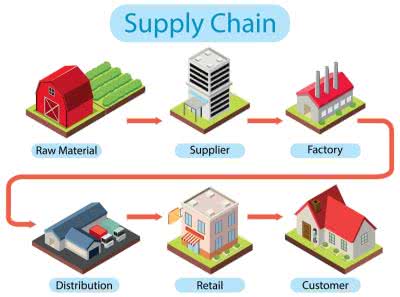
supply chain

/səˈplaɪ tʃeɪn/

(noun) サプライチェーン, 供給網

例:

Disruptions in the global supply chain can lead to product shortages.
世界のサプライチェーンの混乱は、製品不足につながる可能性があります。

externality

/ɪkˌstɝːˈnæl.ə.ti̬/

(noun) 外部性

例:

Pollution is a classic example of a negative externality.
汚染は負の外部性の典型的な例です。

economic growth

/ˌiːkəˈnɑːmɪk ɡroʊθ/

(noun) 経済成長

例:

The government aims to stimulate economic growth through new policies.
政府は新しい政策を通じて経済成長を刺激することを目指している。

stagnation

/stæɡˈneɪ.ʃən/

(noun) 停滞, 不振

例:

The economy is suffering from stagnation.
経済は停滞に苦しんでいる。

globalization

/ˌɡloʊ.bəl.əˈzeɪ.ʃən/

(noun) グローバル化, 国際化

例:

The rise of the internet has greatly accelerated globalization.
インターネットの台頭はグローバル化を大きく加速させた。

protectionism

/prəˈtek.ʃən.ɪ.zəm/

(noun) 保護主義

例:

The government implemented protectionism to support local businesses.
政府は国内企業を支援するために保護主義を実施した。

trade barrier

/ˈtreɪd ˌber.i.ər/

(noun) 貿易障壁

例:

The country imposed a new trade barrier on imported cars.
その国は輸入車に新たな貿易障壁を課した。

free trade

/ˌfriː ˈtreɪd/

(noun) 自由貿易

例:

The two countries signed a free trade agreement.
両国は自由貿易協定に署名した。

foreign exchange reserves

/ˈfɔːr.ɪn ɪksˈtʃeɪndʒ rɪˈzɜːrvz/

(noun) 外貨準備高

例:

The country's foreign exchange reserves have increased significantly this quarter.
その国の外貨準備高は今四半期に大幅に増加した。

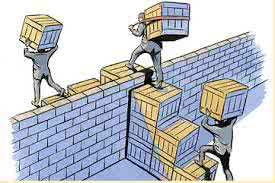
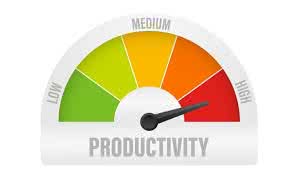
productivity

/ˌproʊ.dəkˈtɪv.ə.t̬i/

(noun) 生産性, 生産力

例:

The new machinery has increased the factory's productivity.
新しい機械は工場の生産性を向上させた。

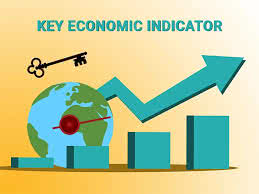
economic indicator

/ˌiː.kəˈnɑː.mɪk ˈɪn.də.keɪ.tər/

(noun) 経済指標

例:

GDP is a key economic indicator.
GDPは主要な経済指標です。

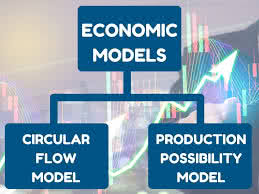
economic model

/ˌiːkəˈnɑːmɪk ˈmɑːdl/

(noun) 経済モデル

例:

The government used an economic model to predict the impact of the new tax policy.
政府は新しい税制政策の影響を予測するために経済モデルを使用した。

economic system

/ˌiː.kəˈnɑː.mɪk ˈsɪs.təm/

(noun) 経済システム, 経済体制

例:

Capitalism is a common type of economic system.
資本主義は一般的な経済システムの一種です。
Lingolandでこの語彙セットを学習