Avatar of Vocabulary Set Língua e Gramática

Conjunto de vocabulário Língua e Gramática em Vocabulário avançado para o TOEFL: Lista completa e detalhada

O conjunto de vocabulário 'Língua e Gramática' em 'Vocabulário avançado para o TOEFL' é cuidadosamente selecionado de fontes de manuais padrão internacionais, ajudando-o a dominar o vocabulário em pouco tempo. Compilação completa de definições, exemplos ilustrativos e pronúncia padrão...

Aprender este conjunto de vocabulário no Lingoland

Aprender agora

etymology

/ˌet̬.ɪˈmɑː.lə.dʒi/

(noun) etimologia, origem das palavras

Exemplo:
The etymology of the word 'hello' is quite interesting.
A etimologia da palavra 'olá' é bastante interessante.

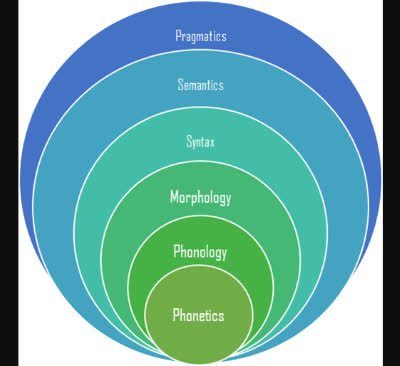
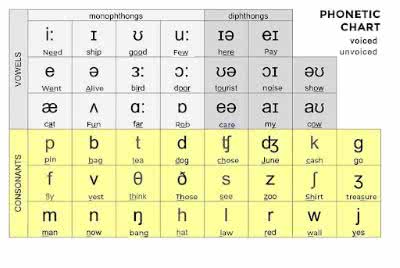
phonetics

/foʊˈnet̬.ɪks/

(noun) fonética

Exemplo:

She is studying phonetics to improve her pronunciation.
Ela está estudando fonética para melhorar sua pronúncia.

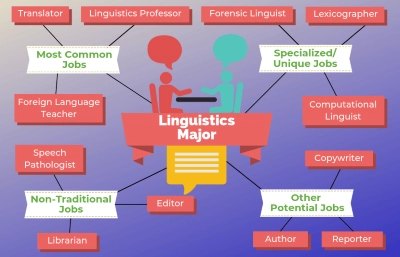
linguistics

/lɪŋˈɡwɪs.tɪks/

(noun) linguística

Exemplo:

She is pursuing a degree in linguistics.
Ela está cursando uma graduação em linguística.

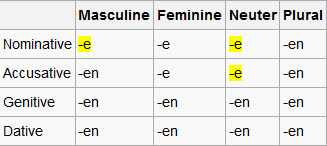
declension

/dɪˈklen.ʃən/

(noun) declinação, declínio, decadência

Exemplo:
Latin nouns have five main patterns of declension.
Os substantivos latinos têm cinco padrões principais de declinação.

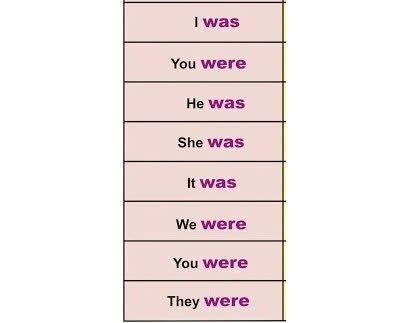
conjugate

/ˈkɑːn.dʒə.ɡeɪt/

(verb) conjugar, unir;

(adjective) conjugado;

(noun) conjugado

Exemplo:
Students learn to conjugate verbs in different tenses.
Os alunos aprendem a conjugar verbos em diferentes tempos.

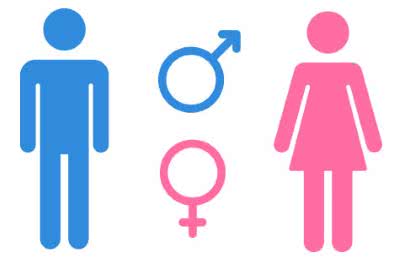
gender

/ˈdʒen.dɚ/

(noun) gênero, sexo;

(verb) generificar, atribuir gênero

Exemplo:
The company is committed to promoting gender equality in the workplace.
A empresa está comprometida em promover a igualdade de gênero no local de trabalho.

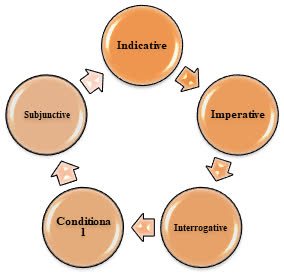
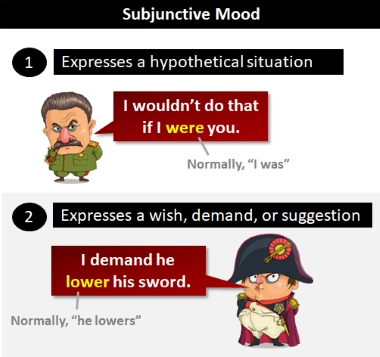
subjunctive

/səbˈdʒʌŋk.tɪv/

(adjective) subjuntivo;

(noun) subjuntivo

Exemplo:
The sentence 'If I were a bird' uses the subjunctive mood.
A frase 'Se eu fosse um pássaro' usa o modo subjuntivo.

prefix

/ˈpriː.fɪks/

(noun) prefixo;

(verb) prefixar

Exemplo:
The word "unhappy" has the prefix "un-".
A palavra "infeliz" tem o prefixo "in-".

suffix

/ˈsʌf.ɪks/

(suffix) sufixo

Exemplo:

The suffix "-ing" is often used to form present participles.
O sufixo "-ing" é frequentemente usado para formar particípios presentes.

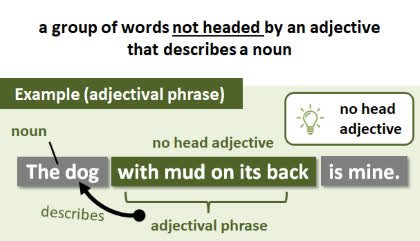
adjectival

/ˌædʒ.ekˈtaɪ.vəl/

(adjective) adjetival, adjetivo

Exemplo:
The word 'beautiful' is an adjectival form.
A palavra 'bonito' é uma forma adjetival.

adverbial

/ədˈvɝː.bi.əl/

(adjective) adverbial;

(noun) advérbio, locução adverbial

Exemplo:

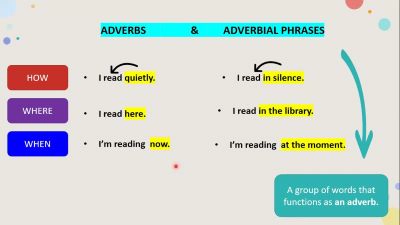
The phrase 'very quickly' is an adverbial phrase.
A frase 'muito rapidamente' é uma frase adverbial.

jargon

/ˈdʒɑːr.ɡən/

(noun) jargão, linguagem técnica

Exemplo:

The legal document was full of technical jargon.
O documento legal estava cheio de jargão técnico.

sarcasm

/ˈsɑːr.kæz.əm/

(noun) sarcasmo

Exemplo:

Her voice was full of sarcasm as she thanked him for his 'help'.
A voz dela estava cheia de sarcasmo enquanto ela o agradecia pela 'ajuda'.

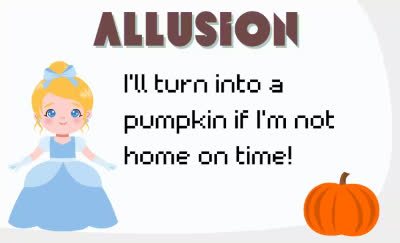
allusion

/əˈluː.ʒən/

(noun) alusão, referência indireta

Exemplo:
The poem contains an allusion to Greek mythology.
O poema contém uma alusão à mitologia grega.

analogy

/əˈnæl.ə.dʒi/

(noun) analogia, comparação, correspondência

Exemplo:
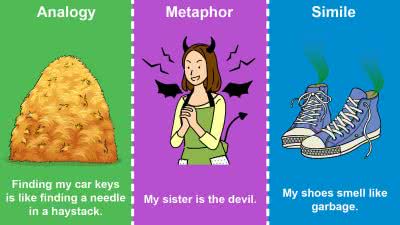
The teacher drew an analogy between the human heart and a pump.
O professor traçou uma analogia entre o coração humano e uma bomba.

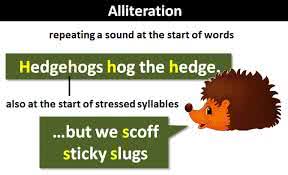
alliteration

/əˌlɪt̬.əˈreɪ.ʃən/

(noun) aliteração

Exemplo:

The poem used alliteration with the phrase 'slippery, slithering snake'.
O poema usou aliteração com a frase 'slippery, slithering snake'.

articulate

/ɑːrˈtɪk.jə.lət/

(adjective) articulado, eloquente;

(verb) articular, expressar, unir

Exemplo:

She is a very articulate speaker.
Ela é uma oradora muito articulada.

affirmative

/əˈfɝː.mə.t̬ɪv/

(adjective) afirmativo, positivo;

(noun) afirmativo, sim

Exemplo:

Her answer was an affirmative nod.
A resposta dela foi um aceno afirmativo.

euphemism

/ˈjuː.fə.mɪ.zəm/

(noun) eufemismo

Exemplo:

'Passed away' is a euphemism for 'died'.
'Faleceu' é um eufemismo para 'morreu'.

irony

/ˈaɪ.rə.ni/

(noun) ironia, paradoxo

Exemplo:

The irony of the situation was that the fire station burned down.
A ironia da situação era que o quartel de bombeiros pegou fogo.

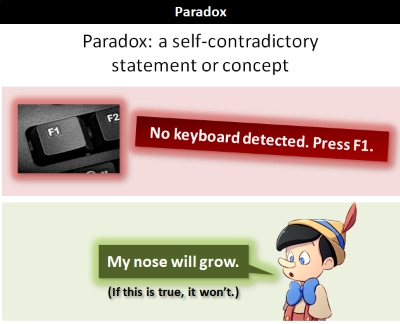
paradox

/ˈper.ə.dɑːks/

(noun) paradoxo, contradição

Exemplo:

The statement "This statement is false" is a classic paradox.
A afirmação "Esta afirmação é falsa" é um paradoxo clássico.

hyperbole

/haɪˈpɝː.bəl.i/

(noun) hipérbole, exagero

Exemplo:

He used hyperbole to describe his hunger, saying he could eat a horse.
Ele usou hipérbole para descrever sua fome, dizendo que poderia comer um cavalo.

pun

/pʌn/

(noun) trocadilho, jogo de palavras;

(verb) fazer trocadilhos, jogar com as palavras

Exemplo:
He made a clever pun about the baker, saying he kneaded the dough.
Ele fez um trocadilho inteligente sobre o padeiro, dizendo que ele amassava a massa.

rhetorical

/rɪˈtɔːr.ɪ.kəl/

(adjective) retórico

Exemplo:

He used a lot of rhetorical devices in his speech.
Ele usou muitos recursos retóricos em seu discurso.

satire

/ˈsæt.aɪr/

(noun) sátira, escárnio

Exemplo:

His latest novel is a biting satire on modern consumerism.
Seu último romance é uma sátira mordaz sobre o consumismo moderno.

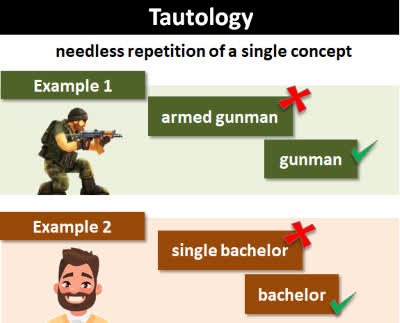
tautology

/tɑːˈtɑː.lə.dʒi/

(noun) tautologia, pleonasmo, verdade lógica

Exemplo:

The phrase 'free gift' is a tautology because a gift is inherently free.
A frase 'presente grátis' é uma tautologia porque um presente é inerentemente grátis.

idiolect

/ˈɪd.i.oʊ.lɛkt/

(noun) idioleto

Exemplo:

Every individual has a unique idiolect, reflecting their personal experiences and influences.
Cada indivíduo tem um idioleto único, refletindo suas experiências e influências pessoais.

asterisk

/ˈæs.tɚ.ɪsk/

(noun) asterisco;

(verb) colocar um asterisco, asteriscar

Exemplo:
Please add an asterisk next to the items that require special attention.
Por favor, adicione um asterisco ao lado dos itens que exigem atenção especial.

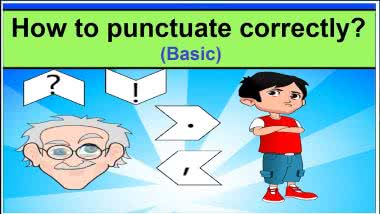
punctuate

/ˈpʌŋk.tuː.eɪt/

(verb) pontuar, interromper

Exemplo:

Remember to punctuate your sentences correctly.
Lembre-se de pontuar suas frases corretamente.

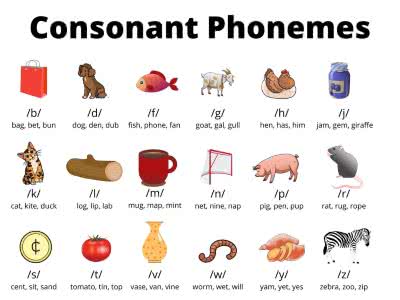
phoneme

/ˈfoʊ.niːm/

(noun) fonema

Exemplo:

The word 'cat' has three phonemes: /k/, /æ/, and /t/.
A palavra 'gato' tem três fonemas: /k/, /æ/ e /t/.

semantics

/səˈmæn.t̬ɪks/

(noun) semântica, significado, sentido

Exemplo:
The study of semantics helps us understand how language conveys meaning.
O estudo da semântica nos ajuda a entender como a linguagem transmite significado.

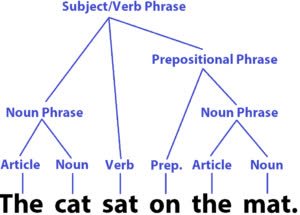
syntax

/ˈsɪn.tæks/

(noun) sintaxe

Exemplo:

The grammar checker identified an error in the sentence syntax.
O verificador gramatical identificou um erro na sintaxe da frase.

mood

/muːd/

(noun) humor, estado de espírito, clima

Exemplo:

She's been in a bad mood all day.
Ela esteve de mau humor o dia todo.

lexis

/ˈlek.sɪs/

(noun) léxico, vocabulário

Exemplo:

The author's lexis is remarkably rich and varied.
O léxico do autor é notavelmente rico e variado.

lexicon

/ˈlek.sɪ.kɑːn/

(noun) léxico, vocabulário, dicionário

Exemplo:
The legal lexicon can be difficult for laypeople to understand.
O léxico jurídico pode ser difícil para leigos entenderem.

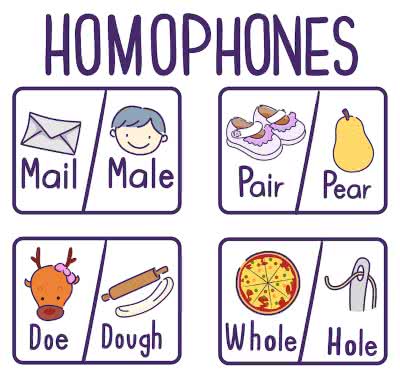
homophone

/ˈhɑː.mə.foʊn/

(noun) homófono

Exemplo:

The words 'to,' 'too,' and 'two' are perfect examples of homophones.
As palavras 'to', 'too' e 'two' são exemplos perfeitos de homófonos.

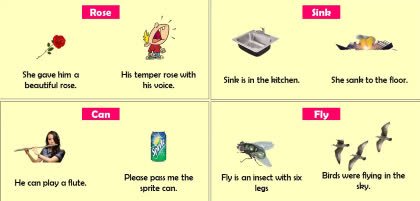
homonym

/ˈhɑː.mə.nɪm/

(noun) homônimo

Exemplo:

The words 'bear' (the animal) and 'bear' (to carry) are homonyms.
As palavras 'bear' (o animal) e 'bear' (carregar) são homônimos.
Aprender este conjunto de vocabulário no Lingoland