Avatar of Vocabulary Set 언어와 문법

TOEFL 고급 어휘 내 언어와 문법 어휘 세트: 완전하고 상세한 목록

'TOEFL 고급 어휘' 내 '언어와 문법' 어휘 세트는 국제 표준 교재 출처에서 엄선되어 짧은 시간 안에 어휘를 마스터할 수 있도록 도와줍니다. 정의, 예문, 표준 발음을 완벽하게 수록...

Lingoland에서 이 어휘 세트 학습하기

지금 학습하기

etymology

/ˌet̬.ɪˈmɑː.lə.dʒi/

(noun) 어원, 어원학

예시:

The etymology of the word 'hello' is quite interesting.
'hello'라는 단어의 어원은 꽤 흥미롭다.

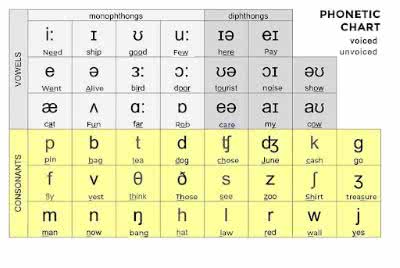
phonetics

/foʊˈnet̬.ɪks/

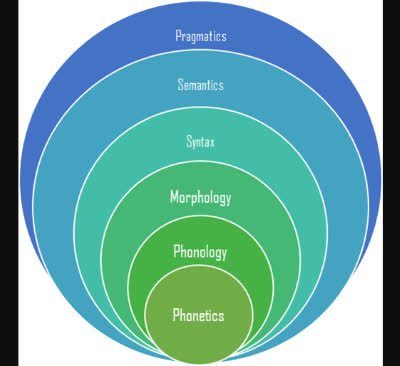
(noun) 음성학

예시:

She is studying phonetics to improve her pronunciation.
그녀는 발음을 향상시키기 위해 음성학을 공부하고 있다.

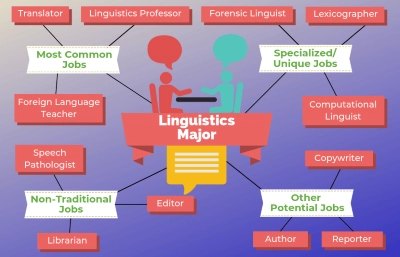
linguistics

/lɪŋˈɡwɪs.tɪks/

(noun) 언어학

예시:

She is pursuing a degree in linguistics.
그녀는 언어학 학위를 따고 있다.

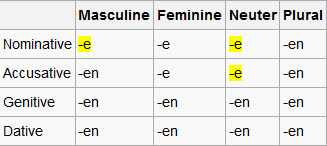
declension

/dɪˈklen.ʃən/

(noun) 곡용, 격 변화, 쇠퇴

예시:

Latin nouns have five main patterns of declension.
라틴어 명사에는 다섯 가지 주요 곡용 패턴이 있습니다.

conjugate

/ˈkɑːn.dʒə.ɡeɪt/

(verb) 활용하다, 결합하다, 연결하다;

(adjective) 접합된;

(noun)

예시:

Students learn to conjugate verbs in different tenses.
학생들은 다양한 시제로 동사를 활용하는 법을 배운다.

gender

/ˈdʒen.dɚ/

(noun) 성, 성별;

(verb) 성별화하다, 성별을 부여하다

예시:
The company is committed to promoting gender equality in the workplace.
그 회사는 직장에서의 평등을 증진하는 데 전념하고 있다.

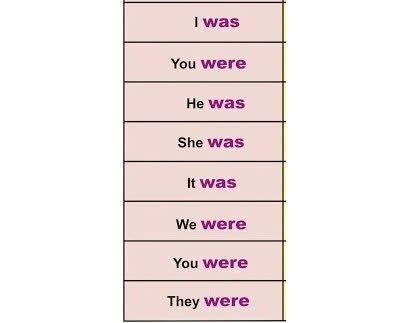
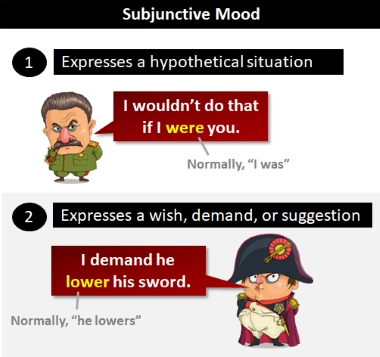
subjunctive

/səbˈdʒʌŋk.tɪv/

(adjective) 가정법;

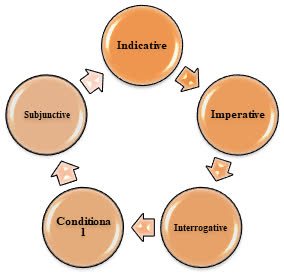
(noun) 가정법

예시:

The sentence 'If I were a bird' uses the subjunctive mood.
'내가 새라면'이라는 문장은 가정법을 사용한다.

prefix

/ˈpriː.fɪks/

(noun) 접두사;

(verb) 접두사를 붙이다

예시:

The word "unhappy" has the prefix "un-".
"unhappy"라는 단어에는 "un-"이라는 접두사가 있습니다.

suffix

/ˈsʌf.ɪks/

(suffix) 접미사

예시:

The suffix "-ing" is often used to form present participles.
접미사 "-ing"는 현재분사를 만드는 데 자주 사용됩니다.

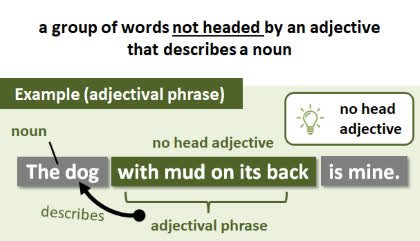
adjectival

/ˌædʒ.ekˈtaɪ.vəl/

(adjective) 형용사의, 형용사적인

예시:

The word 'beautiful' is an adjectival form.
'아름다운'이라는 단어는 형용사적인 형태이다.

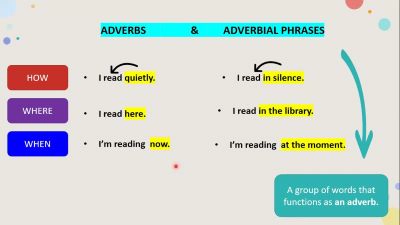
adverbial

/ədˈvɝː.bi.əl/

(adjective) 부사의, 부사적인;

(noun) 부사어, 부사

예시:

The phrase 'very quickly' is an adverbial phrase.
'매우 빠르게'라는 구는 부사구이다.

jargon

/ˈdʒɑːr.ɡən/

(noun) 전문 용어, 은어

예시:

The legal document was full of technical jargon.
그 법률 문서는 기술 용어로 가득했다.

sarcasm

/ˈsɑːr.kæz.əm/

(noun) 비꼬는 말, 풍자

예시:

Her voice was full of sarcasm as she thanked him for his 'help'.
그녀의 목소리는 그의 '도움'에 감사할 때 비꼬는 투였다.

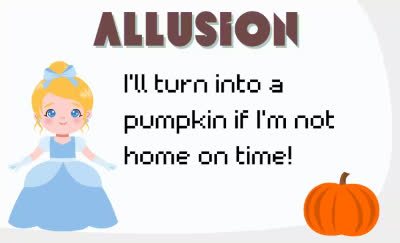
allusion

/əˈluː.ʒən/

(noun) 암시, 언급, 간접적인 언급

예시:

The poem contains an allusion to Greek mythology.
그 시에는 그리스 신화에 대한 암시가 포함되어 있다.

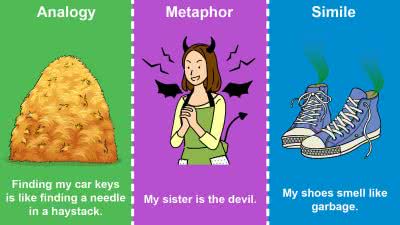
analogy

/əˈnæl.ə.dʒi/

(noun) 유추, 비교, 유사성

예시:

The teacher drew an analogy between the human heart and a pump.
선생님은 인간의 심장과 펌프 사이에 유추를 그렸다.

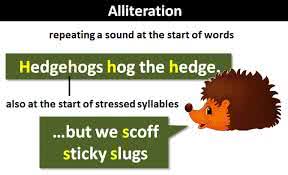
alliteration

/əˌlɪt̬.əˈreɪ.ʃən/

(noun) 두운

예시:

The poem used alliteration with the phrase 'slippery, slithering snake'.
그 시는 'slippery, slithering snake'라는 구절로 두운을 사용했다.

articulate

/ɑːrˈtɪk.jə.lət/

(adjective) 말을 잘하는, 명확한;

(verb) 명확히 표현하다, 발음하다, 관절을 이루다

예시:

She is a very articulate speaker.
그녀는 매우 말을 잘하는 연사이다.

affirmative

/əˈfɝː.mə.t̬ɪv/

(adjective) 긍정적인, 찬성하는, 확실한;

(noun) 긍정, 예

예시:

Her answer was an affirmative nod.
그녀의 대답은 긍정적인 고개 끄덕임이었다.

euphemism

/ˈjuː.fə.mɪ.zəm/

(noun) 완곡어법, 완곡한 표현

예시:

'Passed away' is a euphemism for 'died'.
'돌아가셨다'는 '죽었다'의 완곡어법이다.

irony

/ˈaɪ.rə.ni/

(noun) 아이러니, 반어법, 역설

예시:

The irony of the situation was that the fire station burned down.
상황의 아이러니는 소방서가 불에 탔다는 것이었다.

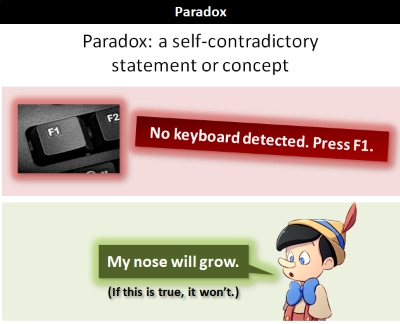
paradox

/ˈper.ə.dɑːks/

(noun) 역설, 모순

예시:

The statement "This statement is false" is a classic paradox.
“이 문장은 거짓이다”라는 진술은 고전적인 역설이다.

hyperbole

/haɪˈpɝː.bəl.i/

(noun) 과장법, 과장

예시:

He used hyperbole to describe his hunger, saying he could eat a horse.
그는 배고픔을 묘사하기 위해 과장법을 사용하여 말 한 마리도 먹을 수 있다고 말했다.

pun

/pʌn/

(noun) 말장난, 언어유희;

(verb) 말장난하다, 언어유희를 하다

예시:
He made a clever pun about the baker, saying he kneaded the dough.
그는 제빵사에 대해 반죽을 'kneaded'한다는 영리한 말장난을 했다.

rhetorical

/rɪˈtɔːr.ɪ.kəl/

(adjective) 수사적인, 웅변적인, 반문적인

예시:

He used a lot of rhetorical devices in his speech.
그는 연설에서 많은 수사적 장치를 사용했다.

satire

/ˈsæt.aɪr/

(noun) 풍자, 비꼼

예시:

His latest novel is a biting satire on modern consumerism.
그의 최신 소설은 현대 소비주의에 대한 날카로운 풍자이다.

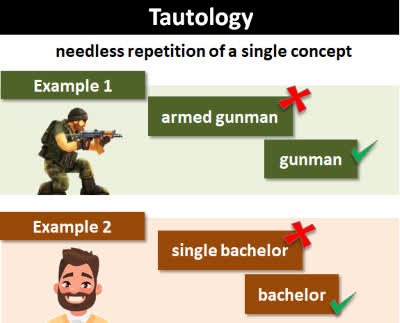
tautology

/tɑːˈtɑː.lə.dʒi/

(noun) 동어 반복, 유의어 반복, 항진 명제

예시:

The phrase 'free gift' is a tautology because a gift is inherently free.
'무료 선물'이라는 문구는 선물이 본질적으로 무료이기 때문에 동어 반복입니다.

idiolect

/ˈɪd.i.oʊ.lɛkt/

(noun) 개인어, 개인 방언

예시:

Every individual has a unique idiolect, reflecting their personal experiences and influences.
모든 개인은 자신의 경험과 영향을 반영하는 독특한 개인어를 가지고 있습니다.

asterisk

/ˈæs.tɚ.ɪsk/

(noun) 별표, 애스터리스크;

(verb) 별표를 표시하다, 애스터리스크를 붙이다

예시:
Please add an asterisk next to the items that require special attention.
특별한 주의가 필요한 항목 옆에 별표를 추가해주세요.

punctuate

/ˈpʌŋk.tuː.eɪt/

(verb) 구두점을 찍다, 간간이 끊기다, 강조하다

예시:

Remember to punctuate your sentences correctly.
문장을 올바르게 구두점을 찍는 것을 잊지 마세요.

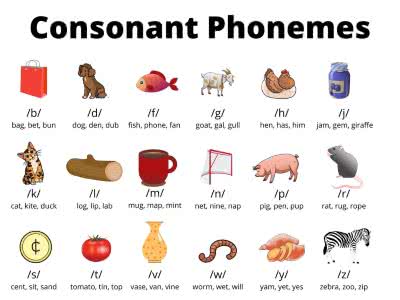
phoneme

/ˈfoʊ.niːm/

(noun) 음소

예시:

The word 'cat' has three phonemes: /k/, /æ/, and /t/.
'cat'이라는 단어는 /k/, /æ/, /t/ 세 개의 음소를 가지고 있습니다.

semantics

/səˈmæn.t̬ɪks/

(noun) 의미론, 의미, 뜻

예시:

The study of semantics helps us understand how language conveys meaning.
의미론 연구는 언어가 어떻게 의미를 전달하는지 이해하는 데 도움이 됩니다.

syntax

/ˈsɪn.tæks/

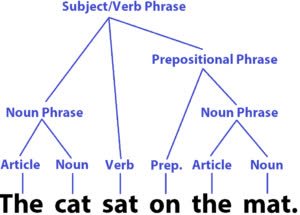
(noun) 구문, 문장론, 문법

예시:

The grammar checker identified an error in the sentence syntax.
문법 검사기가 문장 구문에서 오류를 발견했습니다.

mood

/muːd/

(noun) 기분, 심기, 분위기

예시:

She's been in a bad mood all day.
그녀는 하루 종일 기분이 안 좋았어.

lexis

/ˈlek.sɪs/

(noun) 어휘, 어휘 체계

예시:

The author's lexis is remarkably rich and varied.
그 작가의 어휘는 놀라울 정도로 풍부하고 다양하다.

lexicon

/ˈlek.sɪ.kɑːn/

(noun) 어휘, 사전, 어휘집

예시:

The legal lexicon can be difficult for laypeople to understand.
법률 어휘는 일반인이 이해하기 어려울 수 있습니다.

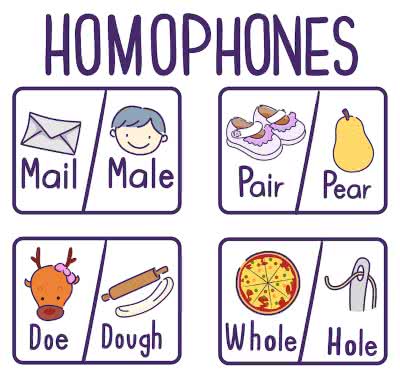
homophone

/ˈhɑː.mə.foʊn/

(noun) 동음이의어

예시:

The words 'to,' 'too,' and 'two' are perfect examples of homophones.
'to', 'too', 'two'는 동음이의어의 완벽한 예시입니다.

homonym

/ˈhɑː.mə.nɪm/

(noun) 동음이의어

예시:

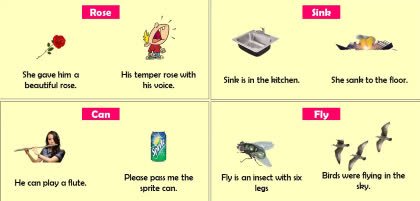
The words 'bear' (the animal) and 'bear' (to carry) are homonyms.
'bear'(동물)와 'bear'(나르다)는 동음이의어이다.
Lingoland에서 이 어휘 세트 학습하기