Avatar of Vocabulary Set 語言與文法

詞彙集 語言與文法(屬於 托福高級詞彙):完整且詳細的清單

詞彙集「語言與文法」(屬於「托福高級詞彙」)從國際標準教材來源精心挑選,幫助您在短時間內掌握詞彙。全面彙整定義、例句及標準發音…

在 Lingoland 學習此詞彙集

立即學習

etymology

/ˌet̬.ɪˈmɑː.lə.dʒi/

(noun) 詞源學, 詞源

範例:

The etymology of the word 'hello' is quite interesting.
“你好”這個詞的詞源很有趣。

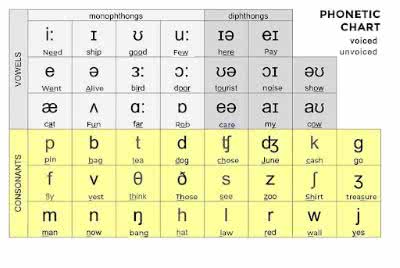
phonetics

/foʊˈnet̬.ɪks/

(noun) 語音學

範例:

She is studying phonetics to improve her pronunciation.
她正在學習語音學以提高發音。

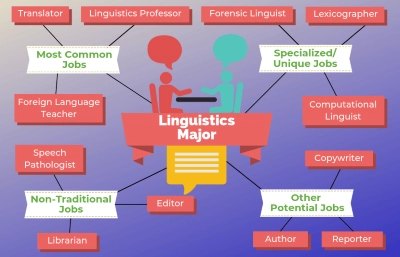
linguistics

/lɪŋˈɡwɪs.tɪks/

(noun) 語言學

範例:

She is pursuing a degree in linguistics.
她正在攻讀語言學學位。

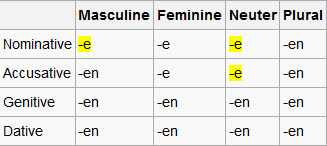
declension

/dɪˈklen.ʃən/

(noun) 變格, 詞形變化, 衰落

範例:

Latin nouns have five main patterns of declension.
拉丁語名詞有五種主要的變格模式。

conjugate

/ˈkɑːn.dʒə.ɡeɪt/

(verb) 變位, 使結合, 結合;

(adjective) 結合的;

(noun) 共軛

範例:

Students learn to conjugate verbs in different tenses.
學生學習動詞變位在不同時態。

gender

/ˈdʒen.dɚ/

(noun) 性別, 社會性別;

(verb) 性別化, 賦予性別

範例:
The company is committed to promoting gender equality in the workplace.
公司致力於促進工作場所的性別平等。

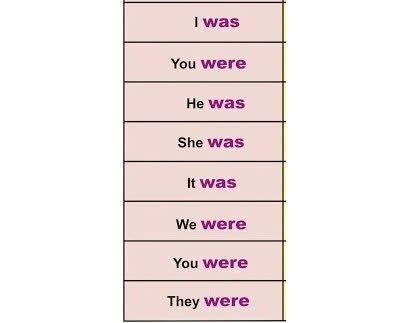
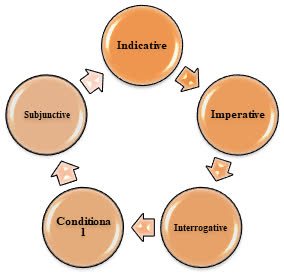
subjunctive

/səbˈdʒʌŋk.tɪv/

(adjective) 虛擬語氣;

(noun) 虛擬語氣

範例:

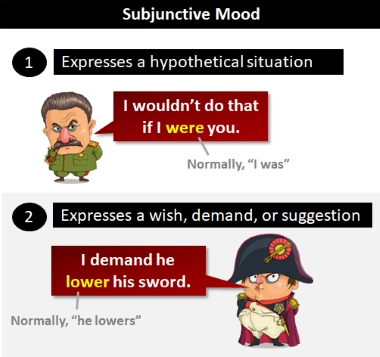
The sentence 'If I were a bird' uses the subjunctive mood.
句子“如果我一隻鳥”使用了虛擬語氣

prefix

/ˈpriː.fɪks/

(noun) 前綴;

(verb) 加前綴

範例:

The word "unhappy" has the prefix "un-".
單詞“unhappy”有前綴“un-”。

suffix

/ˈsʌf.ɪks/

(suffix) 後綴

範例:

The suffix "-ing" is often used to form present participles.
後綴“-ing”常用於構成現在分詞。

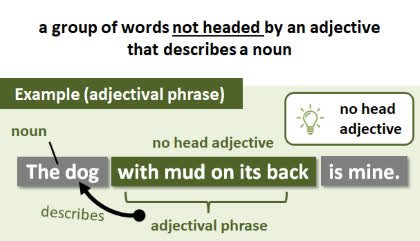
adjectival

/ˌædʒ.ekˈtaɪ.vəl/

(adjective) 形容詞的, 形容詞性的

範例:

The word 'beautiful' is an adjectival form.
“美麗”這個詞是形容詞性的。

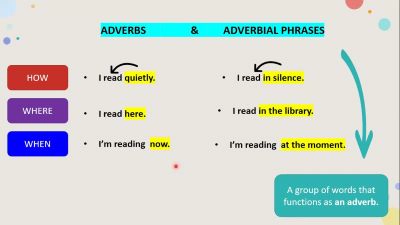
adverbial

/ədˈvɝː.bi.əl/

(adjective) 副詞的, 副詞性的;

(noun) 狀語, 副詞

範例:

The phrase 'very quickly' is an adverbial phrase.
「非常快」這個短語是一個副詞性短語。

jargon

/ˈdʒɑːr.ɡən/

(noun) 行話, 術語

範例:

The legal document was full of technical jargon.
這份法律文件充滿了技術術語

sarcasm

/ˈsɑːr.kæz.əm/

(noun) 諷刺, 挖苦

範例:

Her voice was full of sarcasm as she thanked him for his 'help'.
她感謝他的“幫助”時,聲音裡充滿了諷刺

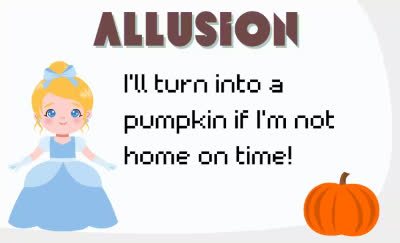
allusion

/əˈluː.ʒən/

(noun) 典故, 暗指, 影射

範例:

The poem contains an allusion to Greek mythology.
這首詩中包含對希臘神話的典故

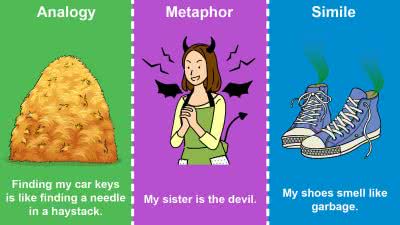
analogy

/əˈnæl.ə.dʒi/

(noun) 類比, 比喻, 相似

範例:

The teacher drew an analogy between the human heart and a pump.
老師將人的心臟比作水泵。

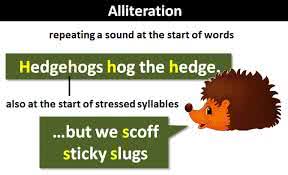
alliteration

/əˌlɪt̬.əˈreɪ.ʃən/

(noun) 頭韻

範例:

The poem used alliteration with the phrase 'slippery, slithering snake'.
這首詩用“slippery, slithering snake”這個短語來表現頭韻

articulate

/ɑːrˈtɪk.jə.lət/

(adjective) 善於表達的, 口齒清楚的;

(verb) 表達, 闡明, 連接

範例:

She is a very articulate speaker.
她是一位非常善於表達的演講者。

affirmative

/əˈfɝː.mə.t̬ɪv/

(adjective) 肯定的, 贊成的, 積極的;

(noun) 肯定, 是

範例:

Her answer was an affirmative nod.
她的回答是肯定的點頭。

euphemism

/ˈjuː.fə.mɪ.zəm/

(noun) 委婉語, 婉辭

範例:

'Passed away' is a euphemism for 'died'.
「去世」是「死亡」的委婉語

irony

/ˈaɪ.rə.ni/

(noun) 反語, 諷刺, 反諷

範例:

The irony of the situation was that the fire station burned down.
情況的諷刺之處在於消防局被燒毀了。

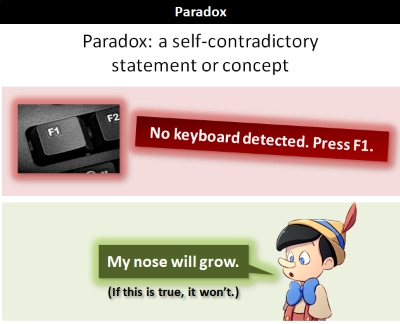
paradox

/ˈper.ə.dɑːks/

(noun) 悖論, 反論, 矛盾體

範例:

The statement "This statement is false" is a classic paradox.
「這句話是假的」是一個經典的悖論

hyperbole

/haɪˈpɝː.bəl.i/

(noun) 誇張, 誇張法

範例:

He used hyperbole to describe his hunger, saying he could eat a horse.
他用誇張來形容他的飢餓,說他能吃下一匹馬。

pun

/pʌn/

(noun) 雙關語, 俏皮話;

(verb) 開雙關語的玩笑, 說俏皮話

範例:
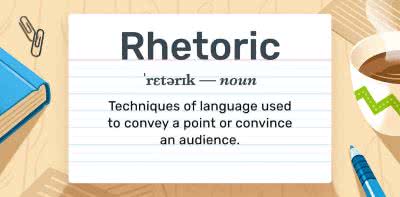
He made a clever pun about the baker, saying he kneaded the dough.
他巧妙地拿麵包師開了一個雙關語的玩笑,說他「揉麵團」(kneaded the dough)。

rhetorical

/rɪˈtɔːr.ɪ.kəl/

(adjective) 修辭的, 雄辯的, 反問的

範例:

He used a lot of rhetorical devices in his speech.
他在演講中使用了許多修辭手法。

satire

/ˈsæt.aɪr/

(noun) 諷刺, 挖苦

範例:

His latest novel is a biting satire on modern consumerism.
他的最新小說是對現代消費主義的辛辣諷刺

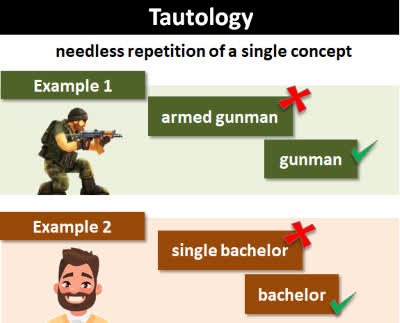
tautology

/tɑːˈtɑː.lə.dʒi/

(noun) 同義反覆, 贅述, 重言式

範例:

The phrase 'free gift' is a tautology because a gift is inherently free.
「免費贈品」這個短語是同義反覆,因為禮物本身就是免費的。

idiolect

/ˈɪd.i.oʊ.lɛkt/

(noun) 個人習語, 個人方言

範例:

Every individual has a unique idiolect, reflecting their personal experiences and influences.
每個人都有獨特的個人習語,反映了他們的個人經歷和影響。

asterisk

/ˈæs.tɚ.ɪsk/

(noun) 星號, 米字號;

(verb) 用星號標記, 加星號

範例:
Please add an asterisk next to the items that require special attention.
請在需要特別注意的項目旁邊添加一個星號

punctuate

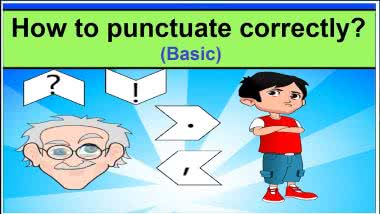
/ˈpʌŋk.tuː.eɪt/

(verb) 標點, 不時打斷, 強調

範例:

Remember to punctuate your sentences correctly.
記住要正確標點你的句子。

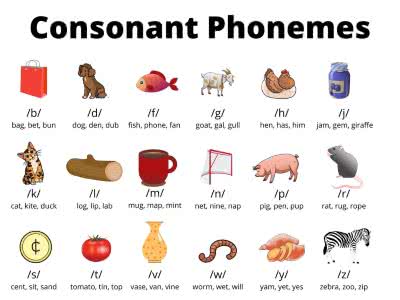
phoneme

/ˈfoʊ.niːm/

(noun) 音素

範例:

The word 'cat' has three phonemes: /k/, /æ/, and /t/.
單詞“cat”有三個音素:/k/、/æ/ 和 /t/。

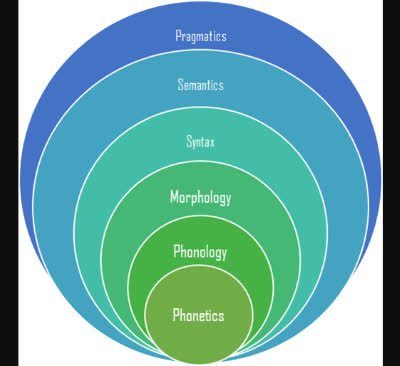
semantics

/səˈmæn.t̬ɪks/

(noun) 語義學, 語義, 含義

範例:

The study of semantics helps us understand how language conveys meaning.
語義學的研究幫助我們理解語言如何傳達意義。

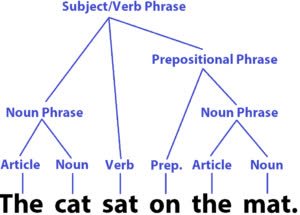
syntax

/ˈsɪn.tæks/

(noun) 語法, 句法

範例:

The grammar checker identified an error in the sentence syntax.
語法檢查器識別出句子語法中的錯誤。

mood

/muːd/

(noun) 心情, 情緒, 氛圍

範例:

She's been in a bad mood all day.
她一整天都心情不好。

lexis

/ˈlek.sɪs/

(noun) 詞彙, 詞彙系統

範例:

The author's lexis is remarkably rich and varied.
這位作者的詞彙非常豐富多樣。

lexicon

/ˈlek.sɪ.kɑːn/

(noun) 詞彙, 詞典, 字典

範例:

The legal lexicon can be difficult for laypeople to understand.
法律詞彙對非專業人士來說可能很難理解。

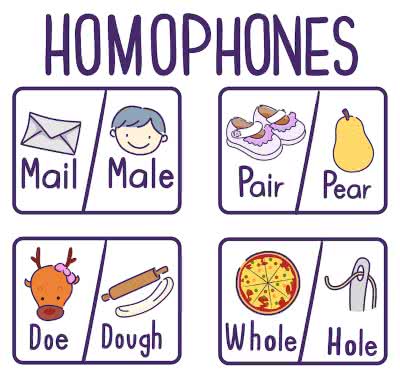
homophone

/ˈhɑː.mə.foʊn/

(noun) 同音異形異義詞

範例:

The words 'to,' 'too,' and 'two' are perfect examples of homophones.
“to”、“too”和“two”是完美的同音異形異義詞例子。

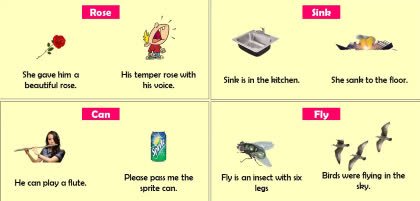
homonym

/ˈhɑː.mə.nɪm/

(noun) 同形同音異義詞

範例:

The words 'bear' (the animal) and 'bear' (to carry) are homonyms.
單詞“bear”(動物)和“bear”(攜帶)是同形同音異義詞
在 Lingoland 學習此詞彙集