
Language and Grammar Vocabulary Set in Advanced Vocabulary for TOEFL: Full and Detailed List
The 'Language and Grammar' vocabulary set in 'Advanced Vocabulary for TOEFL' is carefully selected from standard international textbook sources, helping you master vocabulary in a short time. Comprehensive compilation of definitions, illustrative examples, and standard pronunciation...
Learn this vocabulary set on Lingoland
Learn Now
/ˌet̬.ɪˈmɑː.lə.dʒi/
Example:
The etymology of the word 'hello' is quite interesting.
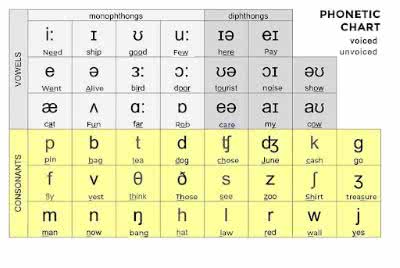
/foʊˈnet̬.ɪks/
Example:
She is studying phonetics to improve her pronunciation.
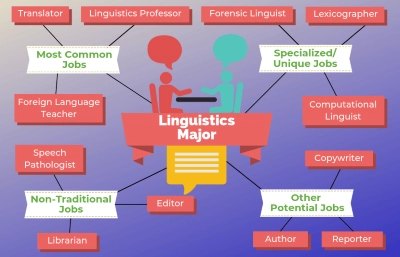
/lɪŋˈɡwɪs.tɪks/
Example:
She is pursuing a degree in linguistics.
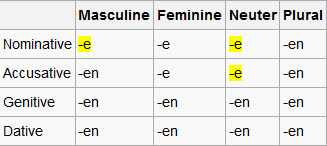
/dɪˈklen.ʃən/
Example:
Latin nouns have five main patterns of declension.
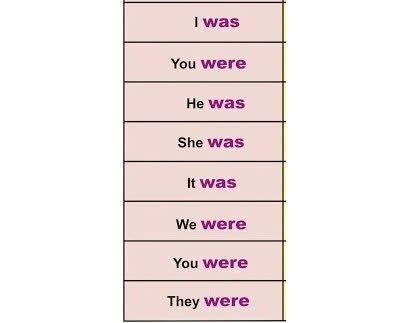
/ˈkɑːn.dʒə.ɡeɪt/
Example:
Students learn to conjugate verbs in different tenses.
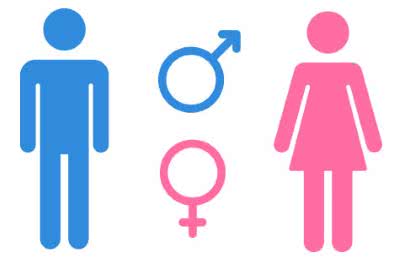
/ˈdʒen.dɚ/
Example:
The company is committed to promoting gender equality in the workplace.
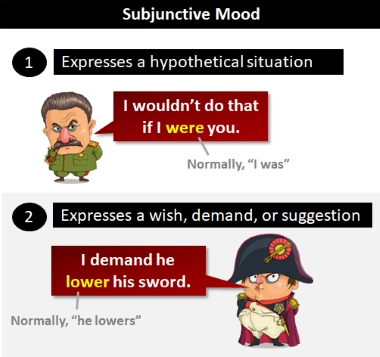
/səbˈdʒʌŋk.tɪv/
Example:
The sentence 'If I were a bird' uses the subjunctive mood.
/ˈpriː.fɪks/
Example:
The word "unhappy" has the prefix "un-".

/ˈsʌf.ɪks/
Example:
The suffix "-ing" is often used to form present participles.
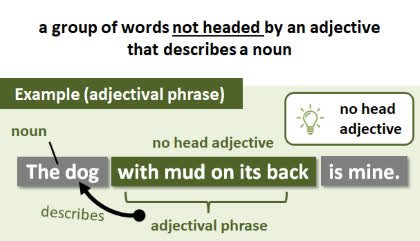
/ˌædʒ.ekˈtaɪ.vəl/
Example:
The word 'beautiful' is an adjectival form.
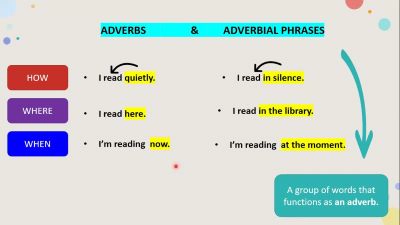
/ədˈvɝː.bi.əl/
Example:
The phrase 'very quickly' is an adverbial phrase.

/ˈdʒɑːr.ɡən/
Example:
The legal document was full of technical jargon.

/ˈsɑːr.kæz.əm/
Example:
Her voice was full of sarcasm as she thanked him for his 'help'.
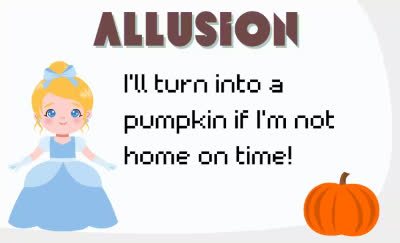
/əˈluː.ʒən/
Example:
The poem contains an allusion to Greek mythology.
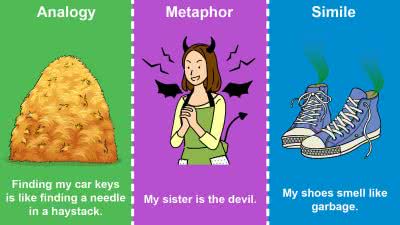
/əˈnæl.ə.dʒi/
Example:
The teacher drew an analogy between the human heart and a pump.
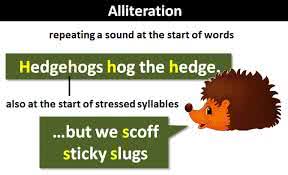
/əˌlɪt̬.əˈreɪ.ʃən/
Example:
The poem used alliteration with the phrase 'slippery, slithering snake'.
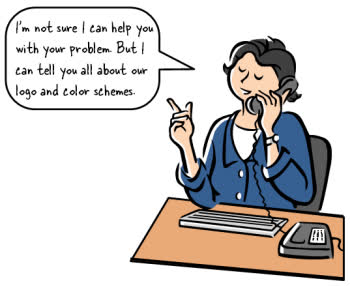
/ɑːrˈtɪk.jə.lət/
Example:
She is a very articulate speaker.

/əˈfɝː.mə.t̬ɪv/
Example:
Her answer was an affirmative nod.

/ˈjuː.fə.mɪ.zəm/
Example:
'Passed away' is a euphemism for 'died'.

/ˈaɪ.rə.ni/
Example:
The irony of the situation was that the fire station burned down.
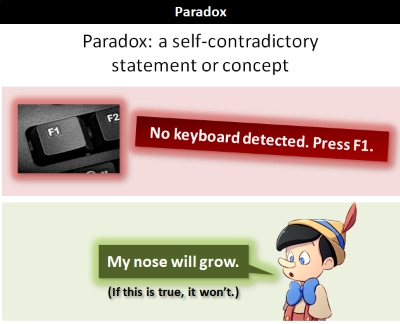
/ˈper.ə.dɑːks/
Example:
The statement "This statement is false" is a classic paradox.

/haɪˈpɝː.bəl.i/
Example:
He used hyperbole to describe his hunger, saying he could eat a horse.

/pʌn/
Example:
He made a clever pun about the baker, saying he kneaded the dough.
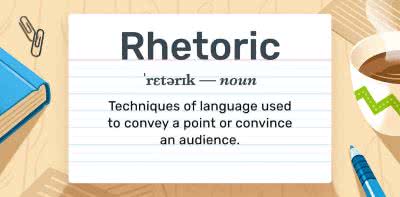
/rɪˈtɔːr.ɪ.kəl/
Example:
He used a lot of rhetorical devices in his speech.
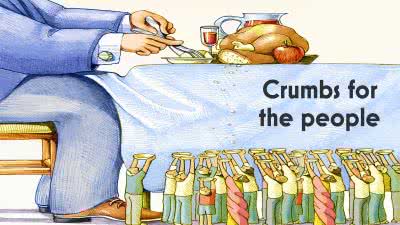
/ˈsæt.aɪr/
Example:
His latest novel is a biting satire on modern consumerism.
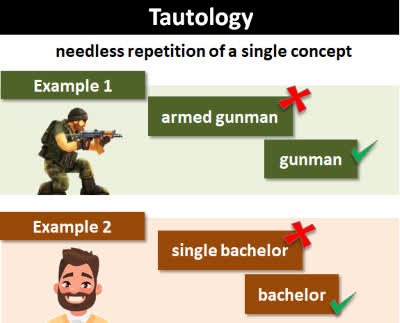
/tɑːˈtɑː.lə.dʒi/
Example:
The phrase 'free gift' is a tautology because a gift is inherently free.

/ˈɪd.i.oʊ.lɛkt/
Example:
Every individual has a unique idiolect, reflecting their personal experiences and influences.

/ˈæs.tɚ.ɪsk/
Example:
Please add an asterisk next to the items that require special attention.
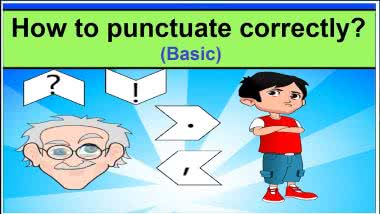
/ˈpʌŋk.tuː.eɪt/
Example:
Remember to punctuate your sentences correctly.
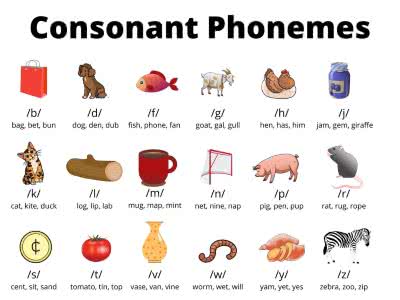
/ˈfoʊ.niːm/
Example:
The word 'cat' has three phonemes: /k/, /æ/, and /t/.
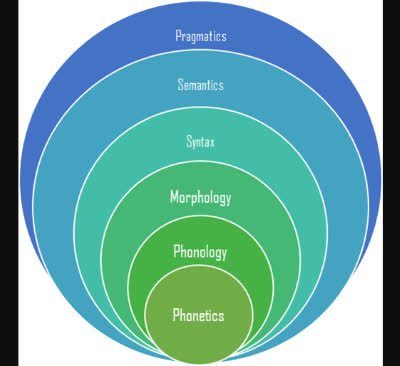
/səˈmæn.t̬ɪks/
Example:
The study of semantics helps us understand how language conveys meaning.
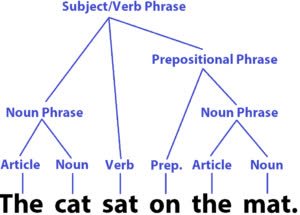
/ˈsɪn.tæks/
Example:
The grammar checker identified an error in the sentence syntax.
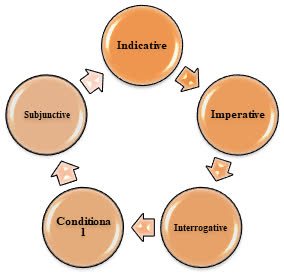
/muːd/
Example:
She's been in a bad mood all day.

/ˈlek.sɪs/
Example:
The author's lexis is remarkably rich and varied.
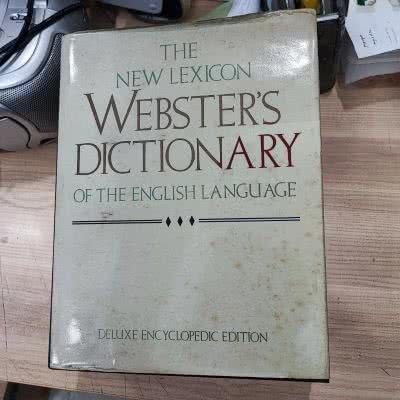
/ˈlek.sɪ.kɑːn/
Example:
The legal lexicon can be difficult for laypeople to understand.
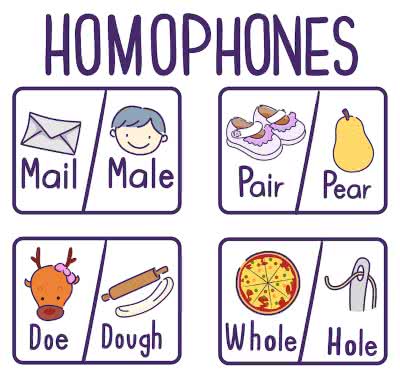
/ˈhɑː.mə.foʊn/
Example:
The words 'to,' 'too,' and 'two' are perfect examples of homophones.
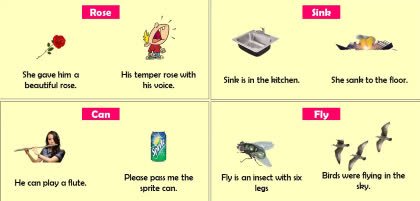
/ˈhɑː.mə.nɪm/
Example:
The words 'bear' (the animal) and 'bear' (to carry) are homonyms.